


Published on: October 19, 2025 | Updated on: October 19, 2025
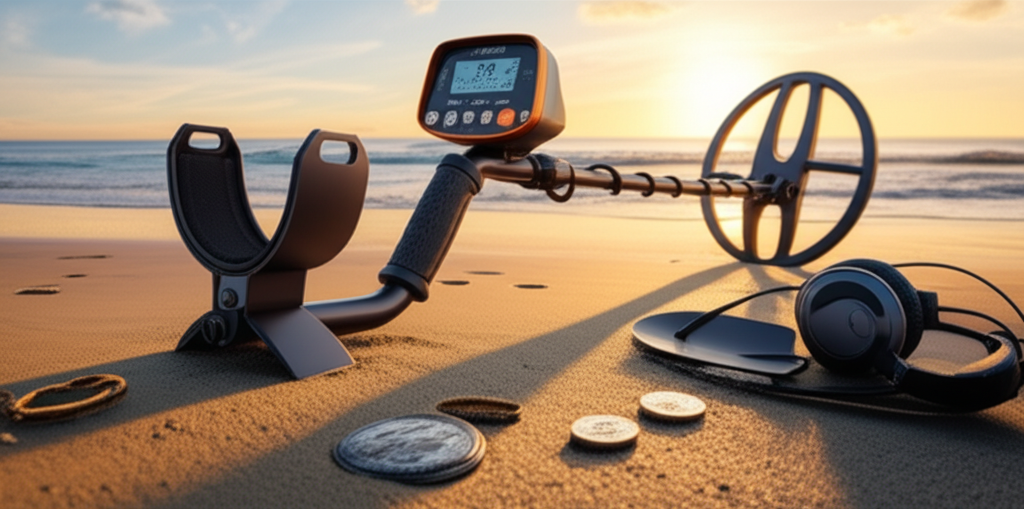
A good beach metal detector is your key to uncovering hidden treasures along the shore. Look for waterproof models with excellent saltwater performance and easy-to-use features to find coins, jewelry, and relics.
Finding the perfect metal detector for the beach can feel like searching for buried treasure itself. The salty air and wet sand present unique challenges that standard detectors just can’t handle. Many beginners get frustrated, spending money on gear that doesn’t perform well in this tricky environment. But don’t worry, I’m here to help you navigate the sandy shores and find the best tools for the job. We’ll explore what makes a beach metal detector truly “good” and what amazing finds await you.
Why Beaches Are Special for Metal Detecting
Beaches are magnets for lost items. People drop jewelry, coins, and even small trinkets while relaxing or playing in the sand. Over time, these items get buried, waiting for a keen detectorist to find them. The constant movement of sand by waves can also uncover older, forgotten objects, making beaches dynamic hunting grounds.
What Makes a Metal Detector “Good” for the Beach?
A good beach metal detector needs specific features to handle saltwater and wet sand. These environments can cause interference, making it hard for detectors to pinpoint targets accurately. Key features include enhanced saltwater modes, waterproof construction, and good discrimination capabilities to filter out junk.
Waterproofing: Your First Line of Defense

The most crucial feature for a beach metal detector is waterproofing. You’ll be working near or even in the water, so your detector must be able to handle immersion. Look for detectors rated for submersion, not just water resistance. This ensures your investment is protected from waves, splashes, and accidental drops.
Submersible: Can be fully underwater.
Water-Resistant: Can handle splashes and light rain, but not immersion.
Saltwater Performance: Taming the Salty Waves
Saltwater is notoriously difficult for metal detectors. The high mineral content can create “false signals,” making it hard to hear real targets. A good beach metal detector has special modes or settings designed to ignore this saltwater interference. This allows you to hear faint signals from coins and jewelry more clearly.
Frequency Matters: Finding Different Targets
The frequency of a metal detector affects what it can find. Lower frequencies are better for larger, deeper targets like old relics. Higher frequencies excel at detecting small, thin items like gold jewelry and small silver coins. For beach detecting, a mid-range frequency or multiple frequencies often provide a good balance.
Discrimination: Sifting Through the Trash
Beaches often have a lot of modern trash, like pull tabs and foil. A good beach metal detector has excellent discrimination settings. This lets you tell the detector to ignore certain types of metal, like iron, so you can focus on the valuable targets. This saves you a lot of digging time.
Top Features to Look For in a Good Beach Metal Detector
When you’re out shopping for a good beach metal detector, keep these essential features in mind. They will make your detecting experience much more enjoyable and successful.
Waterproof Coil and Control Box
Ensure both the coil and the control box are waterproof. Some detectors have waterproof coils but not waterproof control boxes, limiting where you can use them. For true beach hunting, full waterproofing is a must.
Multiple Detect Modes
Having different modes for different conditions is very helpful. A beach mode specifically designed for saltwater is ideal. Other modes can be useful for general detecting on dry sand or in parks.
Target ID System
A good Target ID system helps you identify what you might have found before digging. It assigns a number or category to the detected metal. This helps you decide if it’s worth digging up or if it’s likely trash.
Adjustable Sensitivity and Threshold
These settings allow you to fine-tune the detector’s performance. Sensitivity controls how deep the detector can see. The threshold is a low hum that helps you hear faint signals. Adjusting these helps in different conditions.
Recommended Good Beach Metal Detectors for Different Budgets
Finding the right detector depends on your budget and experience. Here are a few excellent options that are well-regarded for beach detecting.
Entry-Level Options (Under $300)
For beginners or those on a tighter budget, there are still good choices. These detectors offer basic waterproofing and decent performance.
Garrett AT Pro: While not exclusively a beach detector, its waterproof design and excellent performance in mineralized soil make it a solid choice for many beach conditions. It offers good depth and discrimination.
Minelab Equinox 600: This detector offers multi-frequency technology at a great price point. It has specific beach modes that perform well in both wet and dry sand.
Mid-Range Options ($300 – $700)
This range offers more advanced features and better performance. You’ll find more specialized beach modes and improved target separation.
Minelab Equinox 800: An upgrade from the 600, the 800 offers more customization and higher performance. Its simultaneous multi-frequency technology is a game-changer for challenging environments like saltwater beaches.
Nokta Makro Simplex+: This is a fantastic all-around waterproof detector. It’s affordable, easy to use, and performs surprisingly well on the beach, making it a favorite for many.
High-End Options ($700+)
These detectors are for serious detectorists who want the best performance and features. They offer superior saltwater handling, depth, and target pinpointing.
Minelab CTX 3030: Often considered the king of beach detectors, the CTX 3030 uses advanced multi-frequency technology and excellent discrimination. It’s a significant investment but offers unparalleled performance.
Garrett ATX: This pulse induction (PI) detector is built for extreme conditions, including saltwater beaches. PI detectors are known for their depth and ability to handle highly mineralized ground.
Essential Accessories for Beach Detecting
Beyond a good beach metal detector, a few key accessories will make your hunts much more productive and enjoyable.
Pinpointer: The Treasure Finder’s Best Friend
A pinpointer is a small, handheld detector used to locate targets precisely once you’ve dug a plug of sand. It’s essential for quickly finding small items in the excavated sand or the hole itself.
Waterproof Pinpointer: Crucial for beach use, allowing you to pinpoint targets even when wet.
Vibration and Audio Alerts: Helps you locate targets even if you can’t hear the sound clearly.
Digging Tools: Getting to Your Finds
You’ll need robust digging tools designed for sand. A strong sand scoop is indispensable for sifting through wet sand efficiently.
Sand Scoop: A large, sturdy scoop with holes to let sand and water drain away.
Trowel or Small Shovel: For loosening compacted sand or digging larger plugs.
Headphones: Hearing Every Signal
Good headphones help you hear faint signals that you might miss otherwise. They also block out ambient noise, allowing you to focus on your detector.
Waterproof Headphones: Essential for beach use to protect them from moisture.
Wired or Wireless: Wireless options offer more freedom of movement.
Beach Detecting Techniques for Maximum Finds
Using the right techniques can significantly increase your chances of finding good items. Experimentation is key, as every beach is different.
Work the Low Tide Line
The area where the tide is currently receding or has just receded is often the most productive. This is where items are most likely to be exposed and within reach. Look for areas where the waves are actively washing over the sand.
Check the “Wet Sand” and “Dry Sand” Transitions
Sometimes, items that have been buried for a long time get uncovered by storms and then buried again by drier sand. Searching the transition zones between wet and dry sand can yield older finds.
Use Different Sweep Patterns
Don’t just sweep your coil back and forth in a straight line. Try different patterns, like a grid pattern, to ensure you cover the area thoroughly. Overlapping your sweeps helps ensure you don’t miss anything.
Listen Carefully to Your Detector
Pay close attention to the sounds your detector makes. Different tones and patterns can indicate different types of metal. Learn to distinguish between trash signals and good target signals.
Understanding Beach Metal Detector Signals
Interpreting signals is a skill that comes with practice. A good beach metal detector will give you clues about what lies beneath the sand.
High Tones and Numbers: Potential Good Targets
Generally, higher tones and higher Target ID numbers (e.g., 70-99 on many detectors) indicate non-ferrous metals like gold, silver, and copper. These are often the targets you’re looking for.
Low Tones and Numbers: Often Trash
Low tones and low Target ID numbers (e.g., 0-40) usually point to ferrous metals like iron and steel. While you might occasionally find an old iron relic, most of these will be modern trash.
Chirps and Jumps: Tricky Targets
Sometimes, a signal might jump between different numbers or sound like a “chirp.” This can indicate a target that is on the edge of the detector’s range, a small target mixed with trash, or a tricky mineralized signal. These often require careful investigation.
Common Beach Finds and How to Identify Them
The excitement of beach detecting comes from the variety of treasures you can unearth. Knowing what to look for can enhance your success.
Coins: From Modern Change to Old Silver
You’ll find modern pocket change regularly. Keep an eye out for older coins, especially silver ones, which often have a distinct target ID. These can be quite valuable depending on their age and condition.
Jewelry: Rings, Necklaces, and Bracelets
Lost jewelry is a common and exciting find. Gold and silver jewelry usually register as good targets. Look for the distinctive high tones and numbers associated with these precious metals.
Relics: Pieces of History
Older beaches can yield historical artifacts. These might be parts of old fishing gear, buckles, buttons, or even coins from past centuries. Relics often require careful recovery to preserve them.
FAQs About Good Beach Metal Detectors
Here are some common questions beginners have about choosing and using a good beach metal detector.
Can I use any metal detector on the beach?
While some detectors can handle the beach, it’s best to use one specifically designed or well-suited for saltwater environments. Standard detectors can struggle with the mineralized sand and false signals.
How deep can a beach metal detector find things?
Depth varies by detector model, target size, and ground conditions. High-end detectors can find targets several inches deep, while smaller items might only be detected when closer to the surface.
What is the best time of day to detect on the beach?
Early morning or late evening, especially during low tide, are often the best times. There are fewer people, and the sand is often more stable.
How do I avoid digging up too much trash?
Learn to interpret your detector’s signals. Use discrimination settings wisely, but be cautious not to over-discriminate, as you might miss valuable targets. Practice helps immensely.
Is it legal to metal detect on public beaches?
In most public areas, metal detecting is allowed. However, always check local regulations and park rules before you start detecting. Some areas may have restrictions.
What should I do if I find something historically significant?
If you suspect you’ve found something of historical importance, it’s often best to leave it in place and contact your local historical society or museum. They can advise on proper procedures.
Conclusion: Your Sandy Treasure Awaits
Finding a good beach metal detector opens up a world of exciting possibilities along the shoreline. With the right knowledge and equipment, you can move beyond finding just bottle caps and start unearthing genuine treasures. Remember to prioritize waterproofing and saltwater performance when making your choice. Equip yourself with essential accessories like a pinpointer and a sand scoop. Practice your techniques, learn to interpret those signals, and most importantly, enjoy the thrill of the hunt. The beach is a dynamic place, constantly revealing its secrets to those who are prepared. Happy hunting!
