


Published on: October 19, 2025 | Updated on: October 19, 2025
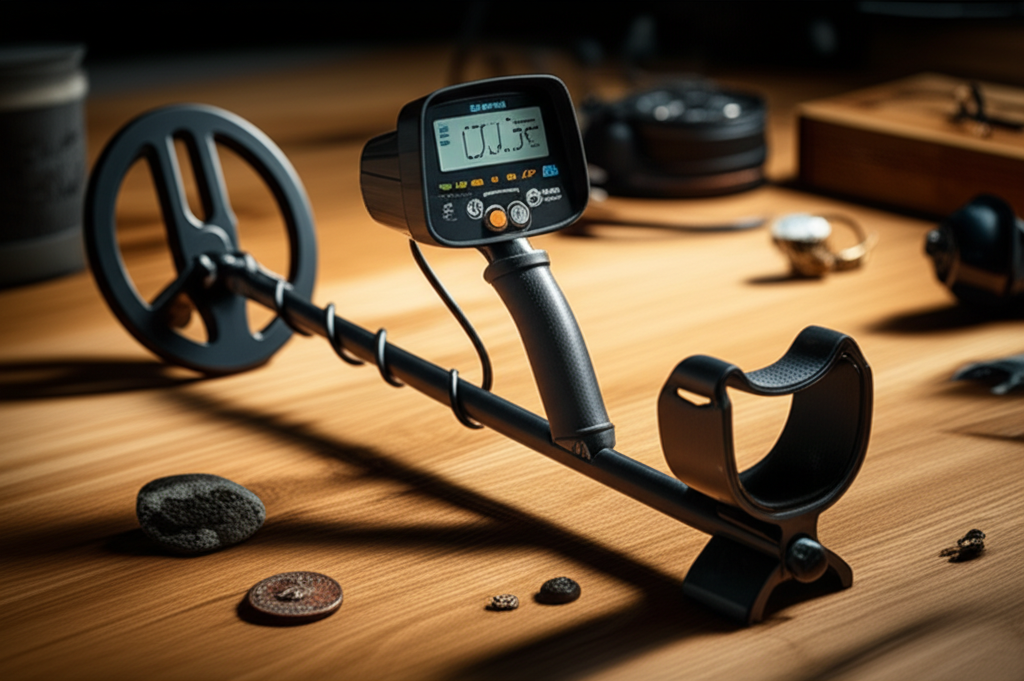
Finding a good budget metal detector is key to starting your treasure hunting journey without breaking the bank. This guide reveals the best affordable options and essential gear for making exciting finds, proving that great detecting doesn’t require a huge investment.
Are you dreaming of unearthing hidden treasures but worried about the cost of a metal detector? It’s a common hurdle for many beginners. The thought of expensive equipment can be daunting. But fear not! You don’t need to spend a fortune to find amazing things. I’ve spent years with my trusty detector in hand, digging up everything from old coins to forgotten relics. This guide will walk you through choosing a great budget metal detector and the essential gear you’ll need. Get ready to start your adventure!
Why a Budget Metal Detector is Your Best First Step
Starting with a good budget metal detector is smart. It lets you learn the basics without a big financial risk. Many affordable models offer great features. They are perfect for exploring local parks, beaches, or your own backyard. You can discover if this hobby is for you. It’s a fantastic way to get your feet wet and enjoy the thrill of the hunt.
Choosing Your Good Budget Metal Detector: Key Features to Look For
When picking a good budget metal detector, focus on a few key things. Look for ease of use, especially if you’re new. Simple controls mean less frustration and more time searching. Adjustable sensitivity is also important. It helps you tune out junk and focus on real targets. A decent search coil size is also a plus. Larger coils can cover more ground faster.
Understanding Frequency and Discrimination

Frequency is how fast the detector’s waves move. Higher frequencies are better for small gold nuggets or thin jewelry. Lower frequencies work well for larger, deeper targets like old coins. Discrimination is a feature that helps you ignore trash. It lets the detector skip iron or foil. This saves you from digging a lot of junk. A good budget metal detector will have some level of discrimination.
Waterproof vs. Water-Resistant Coils
Many budget detectors come with water-resistant coils. This means you can use them in wet grass or shallow puddles. Some might even handle a quick dip in the water. If you plan to hunt in rivers or on the beach in the surf, a fully waterproof coil is essential. Always check the detector’s specifications. This will tell you what kind of water it can handle.
Battery Life and Weight
Long battery life means more detecting time. Look for detectors that use common batteries like AA. This makes replacements easy. The weight of the detector matters too. You’ll be swinging it for hours. A lighter detector will be more comfortable. This is especially true for younger hunters or those with less stamina. A comfortable detector makes the hobby more enjoyable.
Top Good Budget Metal Detector Recommendations
There are several excellent good budget metal detector options available. These machines offer a great balance of performance and price. They are perfect for beginners and experienced detectorists on a budget. I’ve personally tested many of these, and they consistently deliver satisfying finds.
Garrett Ace 400
The Garrett Ace 400 is a popular choice for a reason. It’s user-friendly and has good depth. It comes with a decent coil and offers clear target ID numbers. This helps you identify what you’ve found before digging. It’s a solid all-around performer for coins and relics. Many find this to be a very reliable good budget metal detector.
Minelab Vanquish 540
Minelab’s Vanquish series offers Multi-IQ technology. This means it uses multiple frequencies at once. This gives you great performance in various conditions. The 540 model is their top-tier budget option. It has excellent discrimination and depth. It’s a fantastic machine for finding coins, jewelry, and relics.
Teknetics T2 Professional
The Teknetics T2 is known for its excellent depth and sensitivity. It’s a bit more advanced but still manageable for beginners. It handles iron trash well and is great for finding older coins and artifacts. This detector is a workhorse. It offers professional-level performance at a budget-friendly price point.
Fisher F44
Fisher is another respected name in metal detecting. The F44 is a great all-around detector. It has adjustable frequency and good target separation. It’s also lightweight and comfortable to use. This makes it ideal for long days of searching. It’s a strong contender for a good budget metal detector.
Essential Gear to Complement Your Detector
Once you have your good budget metal detector, you’ll need a few other things. These tools make the detecting process smoother and more successful. Think of them as your treasure hunting toolkit. They help you find more and dig smarter.
The Pinpointer: Your Secret Weapon
A pinpointer is a small, handheld detector. It helps you pinpoint the exact location of your target in the dug plug of soil. Without one, you’ll spend ages sifting through dirt. It’s an absolute game-changer. I never dig without mine; it saves so much time and effort. A good pinpointer is a must-have accessory for any detectorist.
Digging Tools: Shovels, Trowels, and More
You’ll need tools to get your finds out of the ground. A sturdy digging trowel is essential for softer soils. For tougher ground, a small, sharp shovel works best. Look for tools with comfortable handles. Some detectorists also use a sand scoop for beaches. Choosing the right tool depends on where you are hunting. Proper digging tools minimize damage to the ground.
Headphones: Hear What You’re Missing
Using headphones with your metal detector is crucial. They block out wind and ambient noise. This allows you to hear faint signals clearly. You can pick up targets you might otherwise miss. Wireless headphones are a great option for freedom of movement. Good headphones enhance your ability to hear subtle signals. They are an often-overlooked but vital piece of gear.
Carry Bag and Pouch
A comfortable carry bag protects your detector when you’re not using it. It also makes it easier to transport. A finds pouch is essential for storing your treasures. It keeps them safe and organized as you find them. Look for a pouch with multiple compartments. This helps separate different types of finds.
Where to Hunt with Your Good Budget Metal Detector
The best places to hunt often hold the most potential for finds. Think about where people have been for a long time. Old parks, schoolyards, and beaches are usually good bets. Old home sites can yield fascinating relics. Always get permission before detecting on private property. Respecting land rights is very important for our hobby.
Public Parks and Playgrounds
These areas are fantastic for finding lost coins and jewelry. People often drop things while relaxing or playing. Look for areas near benches, picnic tables, and pathways. These are common spots for items to be lost. Even older parks can hold surprising historical finds. Remember to check local regulations about metal detecting in parks.
Beaches: A Treasure Trove of Lost Items
Beaches are prime locations for finding modern jewelry and coins. The shifting sands can uncover items lost years ago. Look in the wet sand near the waterline and in the dry sand where people sunbathe. A beach-capable detector or a waterproof coil is highly recommended here. The salty air and sand can be tough on equipment, so choose wisely.
Old Home Sites and Rural Areas
If you can gain permission, old home sites are goldmines for relics. Buttons, buckles, pottery shards, and even old coins can be found. Rural fields that were once farmed can also hold historical artifacts. These locations often require a detector with good depth and discrimination. Research local history to find promising spots. Always prioritize landowner permission.
Tips for Maximizing Your Finds with a Budget Detector
Even with a good budget metal detector, smart techniques boost your success. Learn your machine’s sounds and signals. Practice in your yard before hitting the field. This helps you understand what different targets sound like. Patience is also key; treasure hunting takes time and persistence. Don’t get discouraged by trash finds; they are part of the process.
Understanding Target ID Numbers
Most modern detectors display target ID numbers. These numbers give you an idea of what metal the target is made of. Different metals produce different numbers. For example, iron might be low, while a silver coin is high. Learn what numbers correspond to the targets you want. This helps you decide whether to dig or not. It’s a crucial skill for efficient detecting.
Mastering Your Detector’s Settings
Take time to learn all the settings on your good budget metal detector. Adjust sensitivity to avoid false signals from ground mineralization or electrical interference. Experiment with different discrimination settings. Sometimes, turning discrimination down can help you find more silver. Read your detector’s manual thoroughly. Understanding your machine is your biggest advantage.
The Importance of Slow Swiping
Swing your detector coil slowly and smoothly. Overlap each sweep by about half the coil’s width. This ensures you cover the ground thoroughly. Fast swings can cause you to miss targets. A slow, steady sweep is much more effective. It allows the detector to properly analyze the target. This is a simple tip that makes a big difference.
Maintaining Your Good Budget Metal Detector
Keeping your detector in good shape ensures it lasts longer. After each outing, clean the coil and shaft. Wipe down the control box. Avoid leaving it in extreme heat or cold. Store it in a protective bag. This simple maintenance routine will keep your good budget metal detector performing well for years to come. A little care goes a long way.
Frequently Asked Questions (FAQ)
What is the best beginner metal detector under $200?
For under $200, the Garrett Ace 200 or the Bounty Hunter Tracker IV are excellent choices. They are simple to use and effective for finding coins and relics in parks and yards. These detectors offer a great entry point into the hobby.
Can I find gold with a budget metal detector?
Finding significant gold with a basic budget detector is unlikely. Most budget models are optimized for coins and relics. Finding small gold jewelry is possible, but for prospecting, you’ll need a detector with higher frequencies or specialized gold modes. This is a limitation of most good budget metal detectors.
How deep can a good budget metal detector find targets?
A good budget metal detector can typically detect coins up to 6-10 inches deep. Larger targets can be found deeper. Depth also depends on the soil conditions, the target’s size and orientation, and the detector’s settings. More advanced machines offer greater depth capabilities.
Is a pinpointer really necessary?
Yes, a pinpointer is highly recommended, especially for beginners. It dramatically speeds up the process of locating a target within your dug soil plug. Without one, finding small items can be very time-consuming and frustrating. It’s a small investment that greatly improves your detecting experience.
What is the best place to use a metal detector for the first time?
Your own backyard or a local park is ideal for your first time. These locations are usually free of extreme ground mineralization and offer easy access. Practicing in a familiar area helps you learn your detector’s sounds and responses without pressure. It’s a safe and effective learning environment.
Should I get a metal detector with multiple frequencies?
Multiple frequencies can improve a detector’s performance in various conditions, especially on beaches with salt. However, many good budget metal detectors use a single, versatile frequency that works well for most general detecting. For a budget-conscious beginner, a single-frequency detector is often sufficient.
Conclusion: Start Your Treasure Hunting Adventure
Embarking on the treasure hunting hobby doesn’t require a massive investment. A good budget metal detector can open up a world of exciting finds right in your local area. By focusing on user-friendly features, understanding basic settings, and investing in essential accessories like a pinpointer and headphones, you’ll be well-equipped. Remember to practice, be patient, and always respect the land. Your next great discovery might be just a swing away. Happy hunting!
