


Published on: October 19, 2025 | Updated on: October 19, 2025
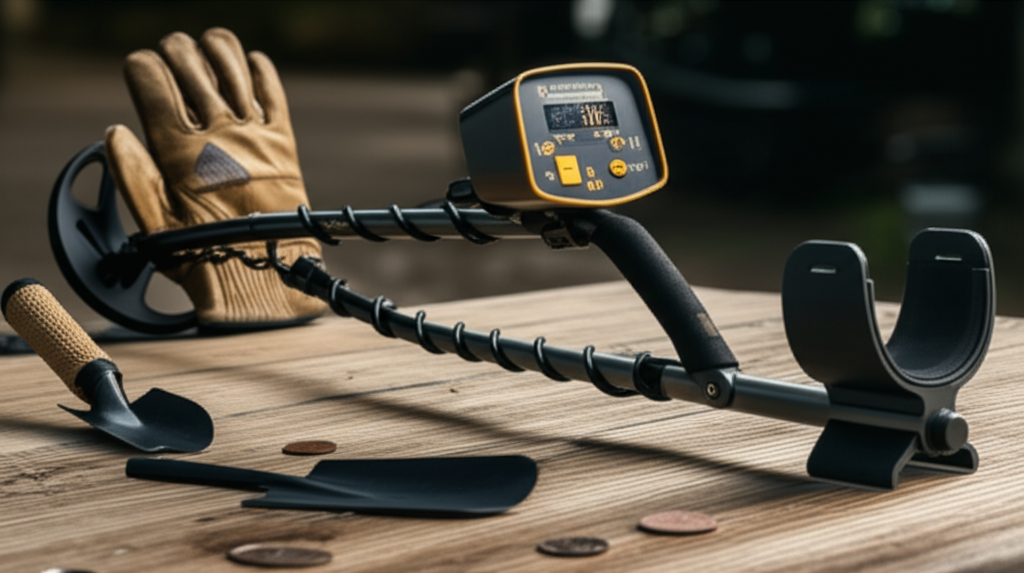
A good entry-level metal detector makes finding treasures easy and fun for beginners. Look for models that are lightweight, easy to use, and offer good depth. Essential finds often include coins, jewelry, and historical relics, making it a rewarding hobby for anyone starting out.
Good Entry Level Metal Detector: Essential Finds for Newbie Treasure Hunters
Starting your treasure hunting journey can feel overwhelming. So many metal detectors are out there! It’s hard to know which one is right for you. Many beginners worry about picking the wrong tool and missing out on great finds. Don’t let this stop you. I’ve spent years digging in the dirt, testing different machines. I’m here to guide you to a good entry-level metal detector. We’ll cover what makes a detector great for beginners and what kinds of treasures you can expect to find. Get ready to explore the exciting world of metal detecting!
Why a Good Entry Level Metal Detector Matters
Choosing the right beginner metal detector is crucial for a fun and successful start. A good entry-level model is designed for ease of use. It won’t have too many complicated settings. This lets you focus on learning the basics of detecting. A well-chosen detector will also be sensitive enough to pick up common targets. These are often shallow coins or pieces of jewelry. It should also be light enough to carry for hours. This makes your hunts more enjoyable.
A quality entry-level detector helps build confidence. It teaches you how to interpret signals. It also shows you how to dig properly. A bad detector can be frustrating. It might give false signals or miss targets. This can make you want to quit the hobby. Investing wisely upfront means more success and less frustration. It sets you up for a rewarding experience.
Key Features of a Good Entry Level Metal Detector
When looking for a good entry level metal detector, a few features stand out. First, simplicity is key. Look for detectors with easy-to-understand controls. Many beginner models have a few buttons and a clear screen. This makes them simple to operate right out of the box.
Second, consider weight and ergonomics. You’ll be swinging the detector for a long time. A lightweight design with a comfortable grip is a must. Adjustable shafts are also important. They help you customize the detector to your height. This reduces fatigue during long hunts.
Third, check the coil size and type. Most entry-level detectors come with a standard-sized coil. This is a good all-around choice for most conditions. Some may offer interchangeable coils. This is a bonus for future upgrades. A waterproof coil is also a great feature. It allows you to search in shallow water or wet grass.
Essential Finds: What Beginners Can Expect
With a good entry level metal detector, you’re likely to find a variety of exciting items. Coins are perhaps the most common and satisfying find for beginners. You’ll discover modern pocket change like quarters and dimes. You might also unearth older coins, depending on your location.
Jewelry is another exciting possibility. Lost rings, earrings, and bracelets are often found in parks and beaches. These can be made of various metals. Your detector will signal their presence. Keep an eye out for items that might have fallen off during picnics or strolls.
Relics from the past are also within reach. Depending on the history of the area you’re searching, you might find old buttons, buckles, or even parts of tools. These items offer a connection to history. They make each hunt a unique adventure.
Understanding Metal Detector Tones and Signals
Metal detectors communicate with you through sounds. These sounds are called tones. Different tones usually mean different types of metal. A good entry level metal detector often has at least two or three distinct tones. A high-pitched tone might indicate a desirable target like a coin. A low-pitched tone could mean iron or junk.
Some detectors also have a visual display. This screen shows numbers or symbols. These numbers help identify the type of metal you’ve found. Learning to listen to these tones and read the display takes practice. It’s like learning a new language. Over time, you’ll get better at telling good targets from trash.
Interpreting signals is a core skill. Don’t dig every signal at first. Try to get a feel for how different targets sound. Practice on known targets like buried coins. This builds your understanding. It helps you make better decisions in the field.
Choosing the Right Coil for Your Detector
The coil is the part of the detector that senses the metal. Most good entry level metal detectors come with a standard coil. This is usually around 8 to 10 inches in diameter. This size is a good balance. It offers decent depth for most targets. It also handles different types of ground well.
Smaller coils are better for trashy areas. They can pinpoint targets in areas with lots of old nails. They are also good for very mineralized ground. Larger coils generally offer more depth. They can cover more ground faster. However, they can be more sensitive to ground mineralization.
For a beginner, the stock coil is usually perfect. As you gain experience, you might consider adding another coil. But don’t worry about this at first. Your initial detector will come with a capable coil for most situations. Focus on mastering its use.
Essential Accessories for New Detectorists
Beyond a good entry level metal detector, a few accessories will greatly improve your experience. A pinpointer is a small, handheld device. It helps you locate the exact spot of a target in the plug of dirt you dig. This saves a lot of time and frustration. It’s like a tiny metal detector for your hole.
A good digging tool is also essential. A sturdy trowel or a specialized digging spade is necessary. You need something strong enough to cut through the soil. Make sure it has a serrated edge for cutting roots. Always practice good digging ethics. This means filling your holes neatly.
A finds pouch is another useful item. It’s a bag you wear around your waist. It’s for storing your finds and any trash you collect. Carrying trash out is part of responsible detecting. A comfortable backpack to carry your gear is also a good idea.
Where to Hunt with Your New Detector
The best places to use a good entry level metal detector are often overlooked. Parks are fantastic hunting grounds. People picnic, play, and lose things. Look for older parks with a lot of history. Beaches are also popular spots. Waves and sand movement can uncover lost items.
Schoolyards can be surprisingly productive. Students often lose coins and jewelry during recess. Old house sites are treasure troves. If you can find the location of a former dwelling, you might find old coins, buttons, and relics. Always seek permission before detecting on private property. Public land may have restrictions, so check local rules.
Avoid areas that are already heavily detected if possible. Look for places that seem less explored. Sometimes, a quiet field or a less-trafficked park can yield amazing results. Research the history of your local area. This can give you clues about promising spots.
Learning to Use Your Detector Effectively
Mastering your good entry level metal detector takes time and patience. Start by reading the manual thoroughly. Then, practice in your backyard. Bury a few coins and other metal objects at different depths. Get a feel for how your detector signals them. Learn to distinguish between good targets and junk signals.
As you get more comfortable, visit a local park. Start with easy targets like modern coins. Pay attention to the sounds and visual cues. Try to pinpoint the target accurately before digging. If you get a signal, sweep the coil slowly from different directions. This helps confirm the target’s location.
Don’t be discouraged by trash finds. Every detectorist digs up old nails and pull tabs. These finds are part of the learning process. They help you refine your ability to identify signals. The more you practice, the better you’ll become at distinguishing good targets. Persistence is key in this hobby.
Common Mistakes Beginners Make and How to Avoid Them
One common mistake is digging every single signal. This leads to a lot of wasted time and effort. Learn to discriminate against iron signals. Many detectors have settings for this. Another mistake is not using a pinpointer. This makes finding small targets in the dirt plug very difficult.
Rushing the process is also a common error. Treasure hunting requires patience. Take your time to scan areas thoroughly. Don’t dig too fast or too deep initially. Another pitfall is not researching your local detecting laws. Always know what is allowed in your area.
Finally, don’t get discouraged by early finds. Everyone starts somewhere. Celebrate your successes, no matter how small. The joy is in the hunt and the learning. A good entry level metal detector will help you avoid many of these frustrations. Focus on learning and enjoying the process.
FAQ: Your Beginner Metal Detecting Questions Answered
What is the easiest metal detector for a beginner?

Many brands offer user-friendly detectors. Models like the Garrett ACE series or the Minelab Vanquish are often recommended. They have simple controls and clear displays. They are designed to get you detecting quickly without a steep learning curve.
How deep can a good entry level metal detector find things?
A good entry-level detector can typically find coins up to 6-8 inches deep. Deeper targets are possible for larger or more conductive items. Depth also depends on the soil conditions and the detector’s settings.
Do I need a special license to metal detect?
In most places, you don’t need a license for recreational metal detecting on public land. However, rules vary greatly. Always check with your local authorities or park services. Detecting on private property requires the owner’s explicit permission.
What should I look for when buying my first metal detector?
Focus on ease of use, weight, and reliable target identification. A clear display and distinct audio tones are important. Features like adjustable sensitivity and discrimination are also helpful. Don’t overspend on advanced features you won’t use initially.
Is metal detecting a difficult hobby to learn?
It has a learning curve, but it’s very accessible. The basics are easy to grasp. Learning to interpret signals and dig efficiently takes practice. With a good entry level metal detector and some patience, anyone can learn.
Can I find gold with a beginner metal detector?
While some entry-level detectors can find larger gold nuggets, they are not ideal for prospecting. Specific gold detectors are designed for the tiny, low-conductivity targets that gold often presents. You might find gold jewelry, but not typically natural gold.
Conclusion: Your Treasure Hunting Adventure Awaits
Finding a good entry level metal detector is the first step towards an exciting hobby. With the right machine, you can uncover history, find lost treasures, and enjoy the outdoors. Remember to choose a detector that is simple to use and comfortable to handle. Focus on learning its features and practicing your skills.
The essential finds for beginners often include coins, jewelry, and small relics. Be patient, persistent, and always practice responsible detecting. Your treasure hunting adventure is just beginning. With a good entry level metal detector and a curious spirit, you’re ready to explore. Happy hunting!
