


Published on: October 19, 2025 | Updated on: October 19, 2025
The Best Metal Detectors for Essential Finds: Your Ultimate Guide
A good metal detector opens up a world of exciting finds, from lost coins and jewelry to historical relics. This guide helps you choose the right one, focusing on essential features and what truly matters for successful treasure hunting.
Finding buried treasures can be incredibly rewarding. But picking the right tool is key. Many people get confused by all the options. This guide will make it simple. We’ll walk through what makes a metal detector “good” for your needs. Get ready to unearth some amazing finds!
What Makes a Metal Detector “Good” for Essential Finds?
A good metal detector is one that fits your goals and budget. It should be easy to use. It needs to find common targets like coins and jewelry well. Powerful machines can find deeper items. Simpler ones are great for beginners. Think about where you’ll search most. Parks, beaches, and fields all need different things.
Understanding the Core Components of a Metal Detector

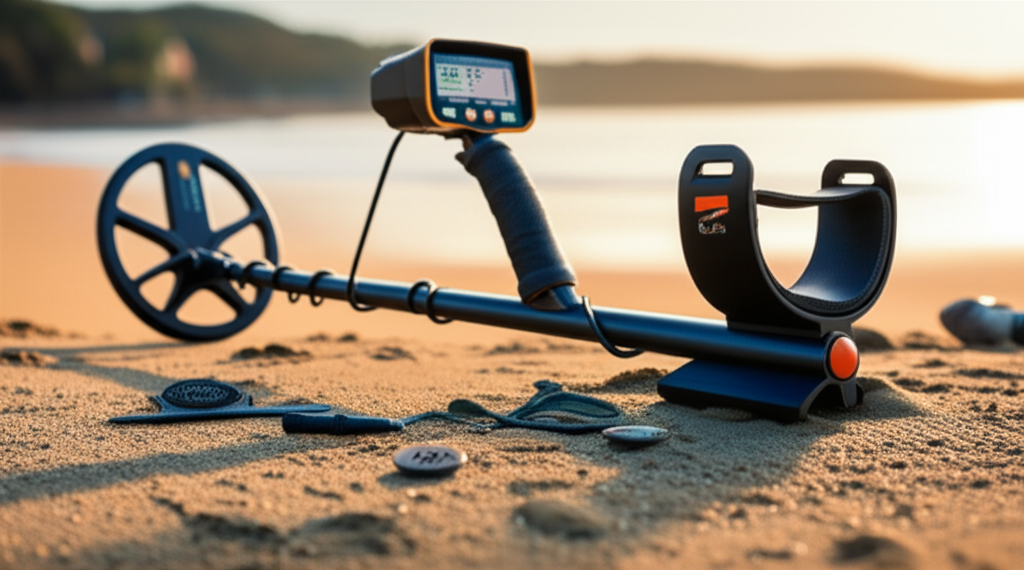
Every metal detector has a few main parts. There’s a search coil that scans the ground. A control box processes the signals. A shaft connects them and lets you adjust height. Some have headphones to hear faint signals. Knowing these parts helps you understand how they work.
The Search Coil: Your Detector’s Eyes
The search coil is crucial. Larger coils cover more ground. Smaller coils are better for tight spaces. Different coil shapes are also available. Round coils are most common. Elliptical coils can get into tighter spots. The frequency of the coil matters too. Lower frequencies find larger, deeper objects. Higher frequencies find smaller, shallower items.
The Control Box: The Brains of the Operation
The control box is where you adjust settings. It shows you what the detector thinks it found. Many have screens with target IDs. This number helps guess what’s underground. Some have discrimination settings. This lets you ignore junk like bottle caps. Simple detectors have fewer buttons. Advanced ones offer more control.
The Shaft and Handle: Comfort for Long Hunts
A comfortable shaft is vital. You’ll be swinging it for hours. Adjustable shafts fit different heights. A good handle reduces fatigue. Some shafts break down for easy transport. This makes it easier to take your detector anywhere.
Key Features for Essential Finds: What to Look For
When hunting for common items like coins and jewelry, certain features shine. You want a detector that can tell the difference between good targets and trash. Sensitivity is also important. It means finding those faint signals.
Target Identification (ID) Numbers
Target ID numbers are super helpful. They give a numerical value to detected metals. Different metals have different numbers. For example, coins usually fall into a specific range. This helps you decide whether to dig. It saves you from digging lots of junk.
Discrimination Settings: Ignoring the Junk
Discrimination lets you ignore certain metals. You can tell the detector to ignore iron. This is great for avoiding rusty nails. It helps you focus on more valuable finds. However, be careful not to discriminate too much. Some good targets can have similar IDs to trash.
Sensitivity Adjustments: Tuning In Faint Signals
Sensitivity controls how deep your detector can see. Higher sensitivity finds more targets. But it can also pick up more noise. This noise comes from ground minerals or electrical interference. Learning to adjust sensitivity is key. You want it high enough for depth but low enough to avoid false signals.
Types of Metal Detectors for Different Needs
Not all detectors are the same. They are designed for specific types of searching. Choosing the right type makes your hunts more successful.
Beginner-Friendly Metal Detectors
These are usually simple to use. They have fewer settings. This makes them less overwhelming for newcomers. They often come with pre-set modes. These modes are good for parks or beaches. They offer great value for the price.
All-Purpose Metal Detectors
These detectors can do a bit of everything. They work well in different locations. They have a good balance of features. You can use them for coins, relics, and even some gold. They are a solid choice if you’re unsure where you’ll hunt.
Specialty Metal Detectors
Some detectors are made for specific tasks. There are detectors for gold prospecting. They are very sensitive to small gold nuggets. Others are designed for underwater use. They are fully waterproof. Choose these if you have a very specific hobby in mind.
Top Metal Detector Brands and Models to Consider
Several brands consistently make quality detectors. Each has models that are great for essential finds. Researching these brands can point you in the right direction.
Garrett Metal Detectors
Garrett is a very popular brand. Their ACE series is great for beginners. The Garrett AT Pro is a favorite for more experienced users. It’s waterproof and versatile. Garrett detectors are known for being reliable.
Minelab Metal Detectors
Minelab makes high-end detectors. Their Equinox series is excellent. It uses multi-frequency technology. This means it can find a wide range of targets. It works well on beaches and in mineralized ground.
Nokta Makro Metal Detectors
Nokta Makro offers great value. Their Simplex+ is a fantastic waterproof option. It’s affordable and packed with features. It’s a strong contender for beginners and intermediate users.
Essential Accessories for Your Metal Detecting Adventures
A good metal detector is just the start. You’ll need other tools to make your hunts easier and more productive.
Pinpointers: Locating Targets Precisely
A pinpointer is a small, handheld detector. You use it after you dig a plug of soil. It helps you find the exact spot of your target within the soil. This saves a lot of time and digging. It’s an absolute must-have.
Digging Tools: Essential for Recovery
You’ll need tools to dig. A small shovel or trowel works for shallow targets. For deeper finds, a sturdy digging tool is better. Look for ones made of strong steel. Some have serrated edges for cutting through roots. Always practice good digging etiquette.
Headphones: Hearing Every Signal
Good headphones block out wind noise. They also let you hear faint signals clearly. This is especially important in noisy environments. Many detectors come with basic headphones. Upgrading can significantly improve your find rate.
Tips for Maximizing Your Finds with a Good Metal Detector
Knowing how to use your detector is as important as the detector itself. Practice makes perfect. Learn your machine’s sounds and signals.
Understand Ground Conditions
Different soils affect your detector. Highly mineralized ground can cause false signals. Learn how to adjust your detector’s settings. Ground balancing helps tune out these effects. Beaches with salt water require special settings.
Learn Your Detector’s Tones
Most detectors use different tones. A low tone might mean iron. A high tone could be a coin or jewelry. Listen carefully to the sounds. Your detector’s manual will explain its tones. Over time, you’ll learn to identify targets by sound alone.
Practice Digging Responsibly
Always fill your holes. Leave the area as you found it. This is called “leave no trace.” It’s important for keeping detectorism popular. It also helps protect historical sites. Use a plug cutter for neat holes.
Common Metal Detecting Finds You Can Expect
With a good metal detector, you can find many things. Some are more common than others. Knowing what to expect can be exciting.
Coins: From Modern to Old
Coins are the most common find. You’ll find modern pocket change. You might also find older coins. These can be quite valuable. Different countries have different coin types. Researching old coins helps identify them.
Jewelry: Rings, Necklaces, and More
Lost jewelry is another exciting find. People lose rings and earrings often. You might find gold or silver pieces. Costume jewelry is also common. Keep an eye out for shiny objects.
Relics: Pieces of History
Relics are items from the past. These can be buttons, buckles, or tools. Old military items are also found. These finds offer a connection to history. Always research local laws about relic hunting. Some items may be protected.
Metal Detecting Etiquette: Respecting the Land and Others
Being a good detectorist means being respectful. This ensures you can keep detecting. It also shows others we are responsible hobbyists.
Get Permission Before Detecting
Always ask permission before searching private property. Trespassing can get you into trouble. Landowners are often happy to let you search. Just be polite and explain your hobby.
Fill Your Holes Completely
This is crucial for responsible detecting. Always fill every hole you dig. Make sure the grass or soil is flat. This prevents tripping hazards. It also keeps the land looking nice.
Remove All Trash You Find
When you detect, you’ll find trash. Please take it with you. Dispose of it properly. This helps clean up parks and fields. It also shows the public we are helpful.
Frequently Asked Questions About Good Metal Detectors
What is the best metal detector for a beginner?
The best beginner metal detector is easy to use. It should have clear target ID numbers. Models like the Garrett ACE series or Nokta Makro Simplex+ are great choices. They offer good performance without being too complex.
How much should I spend on a good metal detector?
You can find good beginner metal detectors for $200-$400. Mid-range detectors cost $500-$800. High-end detectors can be $1000 or more. Start with a budget-friendly option. You can always upgrade later.
Can I find gold with a standard metal detector?
Some standard metal detectors can find gold. Look for detectors with high frequencies or multi-frequency technology. Dedicated gold prospecting detectors are much better. They are designed specifically for tiny gold nuggets.
Is metal detecting legal everywhere?
Metal detecting laws vary. It’s usually allowed in parks and on beaches. However, you might need permits. Detecting on historical sites or private land often requires permission. Always check local regulations.
What is the most important feature in a metal detector?
For essential finds like coins and jewelry, good target identification is key. This helps you know what you’ve found before digging. A comfortable design for long use is also very important.
Conclusion: Your Journey to Essential Finds Starts Now
Choosing a good metal detector is the first step. It’s an exciting hobby. It connects you with history and the outdoors. Remember to pick a detector that suits your needs. Learn its features and practice using it. Always be respectful of the land and others. With patience and the right gear, you’ll be unearthing amazing essential finds in no time. Happy hunting!
