


Published on: October 19, 2025 | Updated on: October 19, 2025
Discover the best good places for metal detecting, from hidden local spots to overlooked public lands. Learn expert strategies to uncover coins, relics, and treasures right in your backyard and beyond.
Finding good places for metal detecting can feel like searching for a needle in a haystack. Many detectorists stick to the same old parks, finding only modern trash. It’s frustrating when you dream of uncovering old coins or historical relics, but keep digging up pull tabs. But don’t worry, with a little knowledge and the right approach, you can find amazing spots. I’ll guide you to some essential hidden gems and teach you how to spot them yourself.
Why Finding Good Places for Metal Detecting Matters
The location is everything when you go metal detecting. It’s the difference between a day full of finds and a day full of digging trash. Knowing where people have lived, played, and lost things is key. I’ve learned that even seemingly ordinary places can hold extraordinary secrets. Let’s dive into how to find these special spots.
Understanding Where Treasures Hide
Treasure isn’t just found in pirate chests. It’s lost items from everyday life over many years. Think about where people gathered, lived, or traveled. These are the places where coins, jewelry, and relics are most likely to be. Understanding history helps us predict where to look.
Historical Homes and Properties

Old houses are goldmines for detectorists. People lived there for generations. They dropped coins and lost jewelry in their yards. Look for places with a long history, even if the house is gone now. The ground remembers where people were.
Researching Old Home Sites
Use old maps and property records. These can show you where houses once stood. Local libraries and historical societies are great resources. They often have old photos and documents. This research helps you pinpoint promising areas.
Old Parks and Recreational Areas
Parks are popular places for people to gather. Over time, coins and small items get lost in the grass. Older parks often have more history. They might have been picnic spots or gathering places long ago. These are prime spots for finding old coins.
Best Areas in Parks to Search
Focus on areas around old benches, pathways, and picnic tables. Beaches within parks are also excellent. Look for places where people sat and relaxed. These spots tend to collect dropped items over time. Always check park rules before you start detecting.
Schoolyards and Fairgrounds
Schools and old fairgrounds are often overlooked. Kids lose coins playing. Fairs attract large crowds, leading to dropped items. These places have seen lots of activity. They are excellent for finding older coins and small trinkets. Be sure to get permission if needed.
Finding Old School and Fairground Spots
Look for the oldest schools in your area. Sometimes, school buildings are moved or replaced. The old grounds can still hold treasures. Similarly, research where old fairgrounds used to be. These sites are often forgotten but very productive.
Riverbanks, Streams, and Lakeshores
Waterways have always been important travel routes. People have used them for centuries. Items can be dropped from boats or lost along the banks. Erosion can uncover items buried long ago. These areas can yield both old coins and historical artifacts.
Detecting Near Water
Be cautious when detecting near water. The ground can be wet and unstable. Waterproof metal detectors are very useful here. Search the banks and shallow water areas. Look for spots where people might have crossed or fished. Always prioritize safety near water bodies.
Roadsides and Old Trails
Old roads and pathways were once busy routes. Travelers lost things as they walked or rode. Even modern roads might cover older routes. The edges of old roads are good places to search. You can find coins and relics dropped by passersby.
Identifying Old Roadways
Old maps are your best friend for this. Look for roads that no longer exist or have changed course. Property lines can sometimes follow old routes. The land adjacent to current roads can also be productive. Look for dips or changes in the terrain that suggest an old path.
Beaches and Coastal Areas
Beaches are fantastic for metal detecting. People lose items while swimming, sunbathing, or playing. The sand shifts, revealing and burying finds. Older beaches are especially good for finding antique coins and jewelry. Look for the high tide line and areas where people gather.
Beach Detecting Tips
Use a metal detector that handles salt water well. Beach scoops and sand sieves are essential tools. Detect where people walk and play. Areas around old piers or boardwalks are also good. Always respect beach rules and regulations.
Cuts and Fill Areas (Construction Sites)
When land is leveled for building, old ground is disturbed. This can bring buried items to the surface. Construction sites can unearth historical layers. It’s important to get permission before detecting on active sites. Old dumpsites are also often found this way.
Safety and Permissions for Construction Sites
Always get explicit permission from the landowner or construction manager. Wear safety gear like a high-visibility vest. Never enter hazardous areas. These sites can be incredibly rewarding but require careful planning and safety checks. This is a great way to find good places for metal detecting in developed areas.
Public Land – The Overlooked Frontier
Many public lands, like forests and open fields, have history. People camped, traveled, and lived on these lands long ago. They are often less searched than parks or private property. These areas offer a chance to find older, more significant items.
Exploring Public Land Responsibly
Check regulations for detecting on public land. Some areas may be protected historical sites. Research the history of the land. Look for old roads, foundations, or known historical activity. These areas require patience but can yield amazing finds. Remember to fill your holes neatly.
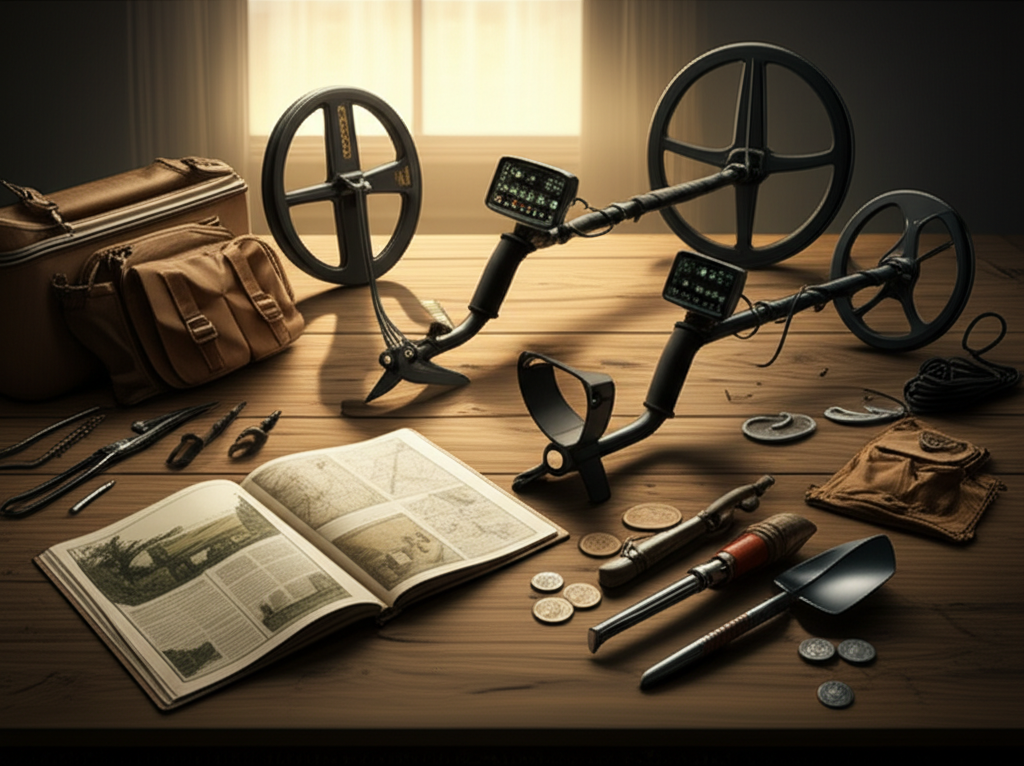
Essential Tools for Finding Hidden Gems
Having the right gear makes a big difference. A good metal detector is key. But other tools help you pinpoint and retrieve your finds. These make your detecting experience more successful and enjoyable. Let’s look at what you need.
- Metal Detector: Choose one suited for your target items (coins, relics, gold).
- Pinpointer: Essential for quickly locating targets in the plug of dirt.
- Digging Tools: A sturdy trowel or shovel for excavating finds.
- Headphones: Help you hear faint signals and keep your finds private.
- Finds Pouch: To store your treasures and trash.
Having these tools ready means you can take advantage of any promising spot you find. They are crucial for maximizing your success when exploring good places for metal detecting.
Legal and Ethical Considerations
It’s vital to detect responsibly. Always know and follow the laws. Get permission before detecting on private land. Respect historical sites and protected areas. Leave no trace behind – fill your holes properly. Ethical detecting ensures the hobby remains enjoyable for everyone.
Respecting Property Rights
Private property holds many treasures. But you must have clear permission from the owner. Ask politely and explain your hobby. Offering to share some finds can help. Never detect on land without explicit consent. This is a fundamental rule for good places for metal detecting.
Understanding Local Laws
Laws vary by city, county, and state. Some places prohibit detecting in parks or historical areas. Research your local regulations before you go out. Websites of local government or park services can provide this information. Knowing the rules prevents trouble.
FAQ: Your Metal Detecting Questions Answered
What is the easiest place to start metal detecting?
The easiest place to start is usually a local park. Focus on areas where people sit or walk, like near benches or paths. Just make sure you check the park’s rules first.
Can I metal detect in my backyard?
Yes, your own backyard is often a great place to start! Many people lose items in their yards over the years. You might be surprised by what you find close to home.
What should I do if I find something historically significant?
If you find something potentially very old or important, contact your local historical society or museum. They can help identify it and ensure it’s preserved correctly.
How do I know if a place is good for metal detecting?
Look for places where people have gathered or lived for a long time. Old houses, schools, parks, and roadsides are usually good bets. History is your guide to good places for metal detecting.
Is it okay to metal detect on a beach?
Generally, yes, but always check the beach’s specific rules. Some beaches allow it, while others have restrictions. Waterproof detectors and sand scoops are very helpful for beach detecting.
What is the most common find for beginner detectorists?
For beginners, the most common finds are usually modern coins and pull tabs from cans. As you learn your detector and explore older locations, you’ll start finding older coins and relics.
Conclusion: Your Next Adventure Awaits
Finding good places for metal detecting is a skill that grows with experience. By researching historical areas, understanding where people congregate, and using the right tools, you can unlock a world of hidden treasures. Remember to always detect legally and ethically. Your next exciting find is likely waiting just around the corner, in a place you might have overlooked before. Happy hunting!
