


Published on: September 7, 2025 | Updated on: September 7, 2025
How Can I Clean Sterling Silver: Essential, Proven Shine
Restore the gleam to your cherished sterling silver pieces with these effective, time-tested methods. This guide provides simple, step-by-step instructions for cleaning everything from jewelry to tableware, ensuring your silver looks its best for years to come.
Sterling silver is a beautiful metal that can unfortunately tarnish over time, dulling its natural shine. Many people wonder, “how can I clean sterling silver” without causing damage or resorting to harsh chemicals. If you’ve found your favorite necklace or serving spoon looking a bit lackluster, you’re not alone. The good news is that bringing back that brilliant sparkle is often easier than you think, using common household items or specialized products.
This comprehensive guide will walk you through proven methods for cleaning sterling silver, from gentle, everyday solutions to tackling tougher tarnish. We’ll cover the essential tools and techniques you’ll need, helping you achieve that essential, proven shine. Prepare to rediscover the brilliance of your silver heirlooms and everyday treasures.
Why Does Sterling Silver Tarnish? Understanding the Culprit
Tarnish on sterling silver is a natural chemical reaction, primarily caused by hydrogen sulfide in the air. This compound reacts with the copper in sterling silver (which is an alloy of 92.5% silver and 7.5% other metals, usually copper) to form silver sulfide, a dark, dull layer. Factors like humidity, exposure to certain chemicals (like perfume, hairspray, or rubber), and even individual body chemistry can accelerate this process.
Understanding this reaction is key to preventing and cleaning tarnish effectively. It’s not a sign of poor quality, but rather an inherent characteristic of the metal. By knowing what causes it, you can take steps to minimize its occurrence and choose the right cleaning methods.
The Science Behind Silver Sulfide Formation

When silver is exposed to sulfur compounds, a chemical reaction occurs, forming silver sulfide. This compound is black or dark brown and adheres to the surface of the silver. The more exposed the silver is to these compounds, the quicker and more pronounced the tarnish will become.
This process is essentially a form of corrosion, though it’s usually superficial and doesn’t damage the underlying silver. It’s the visual impact of this layer that prompts many to ask, “how can I clean sterling silver” to restore its original luster.
Factors Accelerating Tarnish Development
Several everyday factors can speed up the tarnishing process for your sterling silver items. High humidity environments, prolonged contact with wool or rubber, and exposure to perfumes, lotions, or cleaning agents containing sulfur can all contribute. Even storing silver in a wooden box can sometimes accelerate tarnishing due to the acids present in some woods.
Being mindful of these environmental and chemical exposures can help preserve your silver’s shine for longer periods between cleanings. Proper storage and handling are your first lines of defense against rapid tarnish.
Essential Tools and Materials for Cleaning Sterling Silver
Before you start cleaning, gather the right supplies. Having the necessary tools on hand will make the process smoother and more effective. Most of these items are readily available in your home or at local stores, making it convenient to tackle tarnished silver whenever needed.
The best approach often involves a combination of gentle abrasion and polishing. Having a variety of options allows you to select the method best suited to the severity of the tarnish and the item’s delicacy.
Gathering Your Cleaning Arsenal
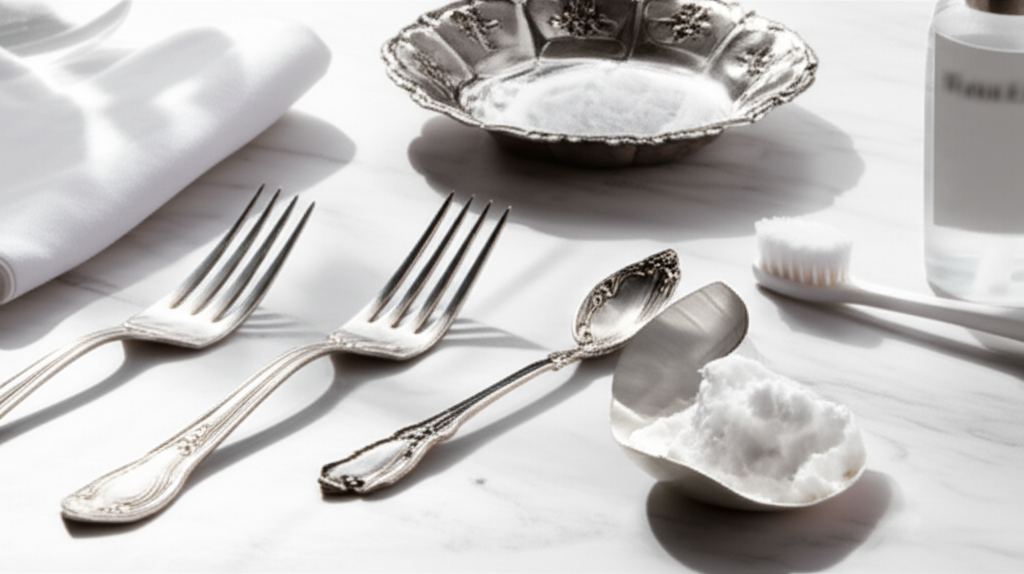
You’ll likely need soft cloths (microfiber or cotton), mild dish soap, warm water, and potentially a gentle abrasive like baking soda or a specialized silver polish. For more stubborn tarnish, you might consider aluminum foil and baking soda for an electrochemical reaction, or even a silver polishing cloth.
Always have a clean, dry cloth ready for buffing after cleaning. The right tools ensure you can effectively remove tarnish without scratching or damaging your precious silver.
Choosing the Right Polishing Cloths
A good quality silver polishing cloth is a must-have. These cloths are impregnated with a mild abrasive and tarnish inhibitors that help remove tarnish and prevent its return. They are ideal for quick touch-ups and maintaining shine between deeper cleanings.
Unlike regular cloths, they are designed to gently buff away the dark sulfide layer without scratching the silver surface. Look for cloths specifically labeled for silver polishing to ensure optimal results.
The Gentle Approach: Soap and Water Method for Light Tarnish
For lightly tarnished sterling silver, a simple wash with mild dish soap and warm water can work wonders. This method is incredibly gentle and is perfect for regular maintenance or for items with intricate details that might be damaged by harsher methods. It removes surface grime and light oxidation, revealing the underlying shine.
This technique is safe for most sterling silver items, including jewelry with gemstones and delicate tableware. It’s the least abrasive option and a great starting point for any cleaning task.
Step-by-Step: Washing Your Silverware and Jewelry
Begin by preparing a sink or basin with warm water and a few drops of mild dish soap. Gently submerge your silver item and use a soft cloth or sponge to carefully wash away any dirt or light tarnish. Avoid abrasive scrubbers that could scratch the surface.
Rinse thoroughly under clean, running water to remove all soap residue. Pat the item dry immediately with a soft, lint-free cloth to prevent water spots. This simple wash can often restore a surprising amount of shine.
Drying and Buffing for a Spotless Finish
Proper drying is crucial to prevent water spots and streaks, which can mar the polished finish. Use a soft, absorbent, lint-free cloth, such as a microfiber cloth, to gently pat your silver dry. Once dry, give the item a final buff with a clean, dry section of the cloth.
This buffing action helps to bring out the natural luster of the silver and ensures a streak-free, brilliant shine. It’s the final step in achieving that essential, proven shine.
The Baking Soda and Aluminum Foil Method: A Chemical Reaction Shine
When tarnish is a bit more stubborn, the baking soda and aluminum foil method offers a fantastic, chemical-free solution. This technique uses an electrochemical reaction to lift the tarnish from the silver without abrasive scrubbing. It’s a popular and effective DIY method that many swear by for its impressive results.
This is a great alternative to harsh commercial polishes, especially for those concerned about chemicals or for items with intricate designs. It works by transferring the sulfur from the silver to the aluminum.
Setting Up Your Tarnish-Busting Station
You’ll need a heat-resistant container lined with aluminum foil (shiny side up), baking soda, and hot water. Place your tarnished sterling silver pieces directly onto the foil, ensuring they make contact with it. The foil acts as a conductor in this reaction.
Pour enough hot water into the container to completely submerge the silver items. The combination of hot water, baking soda, and aluminum creates a reaction that removes the tarnish.
The Electrochemical Cleaning Process Explained
Add a generous amount of baking soda (about 1-2 tablespoons per quart of water) to the hot water. You’ll notice a slight fizzing reaction. Submerge your silver items, ensuring they touch both the water and the aluminum foil. Let them soak for a few minutes, checking the tarnish level periodically.
The sulfur in the tarnish is attracted to the aluminum, effectively transferring the dark layer from your silver to the foil. You might see the foil darken as the tarnish is lifted. For tougher tarnish, you may need to repeat the process or soak for a bit longer.
Rinsing and Polishing After the Reaction
Once the tarnish has visibly diminished, carefully remove the silver items from the hot water using tongs (they will be hot!). Rinse them thoroughly under cool, running water to remove any baking soda residue. Dry and buff them immediately with a soft, clean cloth to reveal their restored shine.
This method is highly effective but can sometimes leave a slightly duller finish if overdone, so always buff well afterwards. This ensures you achieve that essential, proven shine without any residual dullness.
Using Commercial Silver Polishes: For Stubborn Tarnish
While DIY methods are often sufficient, sometimes stubborn tarnish requires a more potent solution. Commercial silver polishes are specifically formulated to tackle heavy tarnish and restore brilliance quickly. These products contain mild abrasives and chemicals designed to break down silver sulfide.
When choosing a polish, opt for reputable brands and select one appropriate for sterling silver. Always read and follow the manufacturer’s instructions carefully to avoid damage.
Choosing the Right Silver Polish Product
There are various types of silver polishes available, including creams, pastes, and dips. Creams and pastes are generally preferred for their controlled application, allowing you to target specific areas without immersing the entire item. Silver dips are very effective but can be harsh and should be used sparingly and with caution.
Look for products that are labeled as safe for sterling silver. Some polishes also contain anti-tarnish agents that can help protect your silver for longer periods after cleaning.
Application Techniques for Maximum Effectiveness
Apply a small amount of polish to a soft cloth, not directly onto the silver. Gently rub the tarnished areas in a back-and-forth motion, following the contours of the item. Avoid circular motions, which can create micro-scratches.
Work on one section at a time, and be particularly gentle with engraved areas or delicate details. Once the tarnish is removed, rinse the item thoroughly under warm water and dry it completely with a clean, soft cloth.
Pros and Cons of Commercial Polishes
Commercial polishes offer rapid and effective tarnish removal, especially for heavily tarnished items. They can restore a brilliant shine quickly. However, they often contain chemicals that require good ventilation and careful handling.
Overuse can also gradually wear away the silver’s surface over time, especially with plated items. Therefore, they are best reserved for situations where gentler methods are insufficient.
The Power of Toothpaste: A Quick Fix (Use with Caution!)
Toothpaste can be surprisingly effective at removing light tarnish from sterling silver due to its mild abrasive properties. However, this method should be used with extreme caution, as some toothpastes contain harsh abrasives or bleaching agents that can scratch or damage your silver. It’s best reserved for quick touch-ups on less valuable items.
Always opt for a basic white, non-gel toothpaste. Avoid toothpastes with added crystals, whitening agents, or strong flavors, as these can be too abrasive for delicate silver.
When and How to Use Toothpaste Safely
Squeeze a small amount of plain white toothpaste onto a soft, damp cloth. Gently rub the tarnished areas of your sterling silver in a linear motion. Avoid excessive pressure or scrubbing, as this can cause scratches.
After cleaning, rinse the silver thoroughly under cool water to remove all toothpaste residue. Dry and buff with a soft, lint-free cloth for a polished finish.
Potential Risks and When to Avoid Toothpaste
The main risk with using toothpaste is scratching the silver’s surface, especially if the toothpaste contains fine grit. This is particularly true for polished finishes or items with intricate engravings. If your silver has a patina in its crevices that you wish to preserve, toothpaste is not the right method.
For valuable or antique pieces, it’s always safer to stick to methods specifically designed for silver care. Always test on an inconspicuous area first if you are unsure.
Specialized Silver Cleaning Baths: For Deep Cleaning
Silver cleaning baths, often referred to as dips, are potent solutions designed for rapid and deep tarnish removal. They work by chemically dissolving the silver sulfide layer. These are highly effective for heavily tarnished items, but require careful handling and are not suitable for all silver pieces.
These baths can be very effective for intricate pieces where scrubbing is difficult. However, they can also strip away any intentionally darkened patina in crevices and should be used judiciously.
Understanding How Silver Dips Work
Silver dips typically contain thiourea and an acid, which react with the tarnish to dissolve it. The silver item is briefly immersed in the solution, and the tarnish is lifted almost instantly. The process is fast and requires minimal effort.
It’s crucial to follow the manufacturer’s instructions precisely regarding immersion time and rinsing. Over-immersion can lead to over-cleaning or damage to the silver.
Best Practices for Using Silver Dips
Always use silver dips in a well-ventilated area and wear rubber gloves to protect your skin. Briefly dip the item, usually for only a few seconds, then remove it and rinse thoroughly under running water. Dry and buff immediately with a soft cloth.
Silver dips are not recommended for items with gemstones, pearls, or oxidized finishes, as the chemicals can damage these materials or the intended patina. They are best suited for solid sterling silver items with surface tarnish.
Caring for Sterling Silver with Gemstones and Pearls
Cleaning sterling silver that features gemstones or pearls requires extra care. The cleaning methods suitable for plain silver can damage these delicate materials. It’s essential to choose cleaning techniques that protect both the metal and the embellishments.
Always identify the type of gemstone or pearl before cleaning. Some stones are porous, while others can be damaged by chemicals or even excessive moisture.
Protecting Your Precious Stones
For jewelry with diamonds, sapphires, or rubies, a gentle wash with mild soap and water is usually safe. However, porous stones like opals, turquoise, or pearls should only be wiped with a slightly damp cloth and dried immediately. Avoid soaking these items.
For pearls, use a very mild soap solution and a soft cloth, wiping each pearl individually. Never use ultrasonic cleaners or harsh chemicals, as they can damage the nacre.
Gentle Cleaning for Sterling Silver Settings
When cleaning the silver setting around gemstones or pearls, use a cotton swab dipped in a mild silver polish or a baking soda paste. Apply it only to the metal, avoiding contact with the stones or pearls. Gently work the swab around the setting.
Rinse the item carefully, ensuring no polish or residue remains. Dry thoroughly with a soft cloth, paying special attention to areas around the settings to prevent moisture buildup.
Preventing Tarnish: Proactive Steps for Long-Lasting Shine
The best way to deal with tarnish is to prevent it from forming in the first place. Implementing a few simple preventative measures can significantly extend the time between cleanings and keep your sterling silver looking its best. These habits are easy to adopt and make a big difference.
By minimizing exposure to tarnish-causing agents and storing your silver properly, you can maintain its beautiful luster with minimal effort. Proactive care is key to enjoying your silver for years to come.
Proper Storage Solutions
Store your sterling silver in airtight containers or bags to minimize exposure to air and humidity. Anti-tarnish cloth-lined jewelry boxes or individual anti-tarnish bags are excellent options. If you don’t have these, a resealable plastic bag with an anti-tarnish strip or a piece of chalk can help absorb moisture.
Avoid storing silver in damp areas like bathrooms. If storing multiple items together, place a piece of anti-tarnish paper between them to prevent scratching and further tarnishing.
Handling and Wearing Your Silver Wisely
Try to put on your sterling silver jewelry after applying cosmetics, perfumes, and hairspray. These products can contain chemicals that accelerate tarnishing. When removing jewelry, wipe it with a soft cloth before storing it.
For silverware, try to wash and dry it immediately after use, especially after contact with acidic foods like citrus or eggs. This simple step can prevent permanent stains and tarnish.
Frequently Asked Questions about Cleaning Sterling Silver
What is the fastest way to clean sterling silver?
The fastest way to clean sterling silver is often the baking soda and aluminum foil method or using a commercial silver dip. These methods use chemical reactions to quickly lift tarnish. However, they require careful handling and are not suitable for all silver items.
Can I use silver polish on plated sterling silver?
Yes, but with extreme caution. Plated sterling silver has a thin layer of pure silver over another metal. Harsh polishing can wear away this plating, so use only the gentlest methods and very mild polishes, and avoid excessive rubbing.
How often should I clean my sterling silver?
This depends on your environment and how often you use the items. For jewelry worn daily, a quick polish with a soft cloth after each wear is ideal. For items in storage, inspect them every few months and clean as needed.
Is it safe to clean sterling silver in a dishwasher?
No, it is generally not safe to clean sterling silver in a dishwasher. The harsh detergents, high heat, and prolonged exposure to moisture can cause pitting, dullness, and accelerated tarnishing. Handwashing is always the safest option.
What should I do if my sterling silver is heavily tarnished?
For heavily tarnished sterling silver, start with the baking soda and aluminum foil method or a reputable commercial silver polish. If these don’t yield satisfactory results, consider taking the item to a professional jeweler for restoration.
Can I use vinegar to clean sterling silver?
While vinegar can remove tarnish, it’s quite acidic and can be too harsh for sterling silver, potentially causing damage or dullness. It’s generally safer to use milder alternatives like baking soda or specialized silver polishes.
Conclusion: Maintaining Your Sterling Silver’s Timeless Radiance
Keeping your sterling silver gleaming is an achievable goal with the right knowledge and a little effort. You’ve learned how to clean sterling silver using a variety of methods, from gentle soap and water for everyday upkeep to more robust techniques for tackling stubborn tarnish. Understanding the causes of tarnish and implementing preventative measures like proper storage are just as crucial as the cleaning process itself.
By following these essential, proven shine techniques, you can ensure your sterling silver jewelry, tableware, and decorative items remain beautiful and radiant for generations. Embrace the care your silver deserves, and enjoy its timeless elegance.
