


Published on: September 7, 2025 | Updated on: September 7, 2025
Learn how to clean a necklace effectively at home with this essential guide. We cover different materials and provide safe, step-by-step methods to restore shine and remove tarnish without damaging your precious jewelry.
Keeping your necklaces looking their best doesn’t require a trip to the jeweler. Over time, oils from your skin, lotions, perfumes, and even environmental pollutants can dull their shine and lead to tarnish. This guide will walk you through the best ways to clean various types of necklaces, ensuring they remain beautiful for years to come. You’ll discover simple, effective techniques using common household items.
Why Cleaning Your Necklace Matters
Regularly cleaning your necklaces is crucial for preserving their beauty and value. Dirt, oils, and lotions build up, dulling the metal and potentially damaging gemstones. Proper cleaning removes these contaminants, preventing long-term damage and restoring that original sparkle. It’s a simple maintenance task that makes a big difference.
The Impact of Everyday Wear on Your Necklaces

Every time you wear a necklace, it comes into contact with your skin, hair products, and the environment. This constant exposure can lead to a buildup of grime that dulls the metal’s luster. Sweat and natural body oils are particularly notorious for dimming the shine of even the most robust jewelry pieces.
Preventing Long-Term Damage and Tarnish
Ignoring a dirty necklace can lead to more significant problems down the line. Tarnish, a chemical reaction with sulfur in the air, can become deeply ingrained if left untreated. Cleaning regularly helps prevent this, ensuring your necklace retains its intrinsic beauty and structural integrity. This proactive approach saves you potential repair costs.
Assessing Your Necklace: What Material Is It?
Before you grab any cleaning solution, it’s vital to know what your necklace is made of. Different metals and gemstones require specific care; using the wrong method can cause irreversible damage. Identifying the material is the most critical first step in cleaning your necklace safely.
Identifying Precious Metals: Gold, Silver, and Platinum
Gold necklaces are generally durable, but their purity (karat) affects their softness and susceptibility to scratches. Sterling silver, an alloy of silver and other metals, is prone to tarnishing. Platinum is a dense, non-reactive metal that resists tarnish but can still accumulate dirt and oils.
Understanding Gemstones and Their Care
Gemstones vary greatly in hardness and porosity. Diamonds are very hard and can withstand most cleaning methods, but softer stones like pearls, opals, and emeralds are much more delicate. Porous stones can absorb cleaning solutions, leading to discoloration or damage. Always research your specific gemstone’s needs.
Costume Jewelry and Plated Metals: A Delicate Balance
Costume jewelry or pieces with plating require extra gentle handling. Harsh chemicals or abrasive scrubbing can easily strip the plating, revealing the base metal underneath. These items often benefit from the mildest cleaning solutions and techniques to maintain their appearance.
Essential Tools and Supplies for Necklace Cleaning
Gathering the right tools before you start cleaning will make the process smoother and more effective. You likely have most of these items around your home already. Having these on hand ensures you can tackle most cleaning tasks with confidence.
The Basics: Soft Cloths, Mild Soap, and Warm Water
A soft, lint-free cloth (like microfiber or a soft cotton cloth) is essential for gentle polishing. A mild dish soap or specialized jewelry cleaner is your best bet for a cleaning solution. Warm, not hot, water is ideal for dissolving dirt and oils without stressing the metal or stones.
Specialized Jewelry Cleaning Solutions
For tougher grime or tarnish, commercial jewelry cleaners can be effective. These are formulated for specific metals and gemstones, but always read the labels carefully to ensure compatibility with your necklace. Using a cleaner not suited for your jewelry can cause damage.
Gentle Brushes and Cotton Swabs
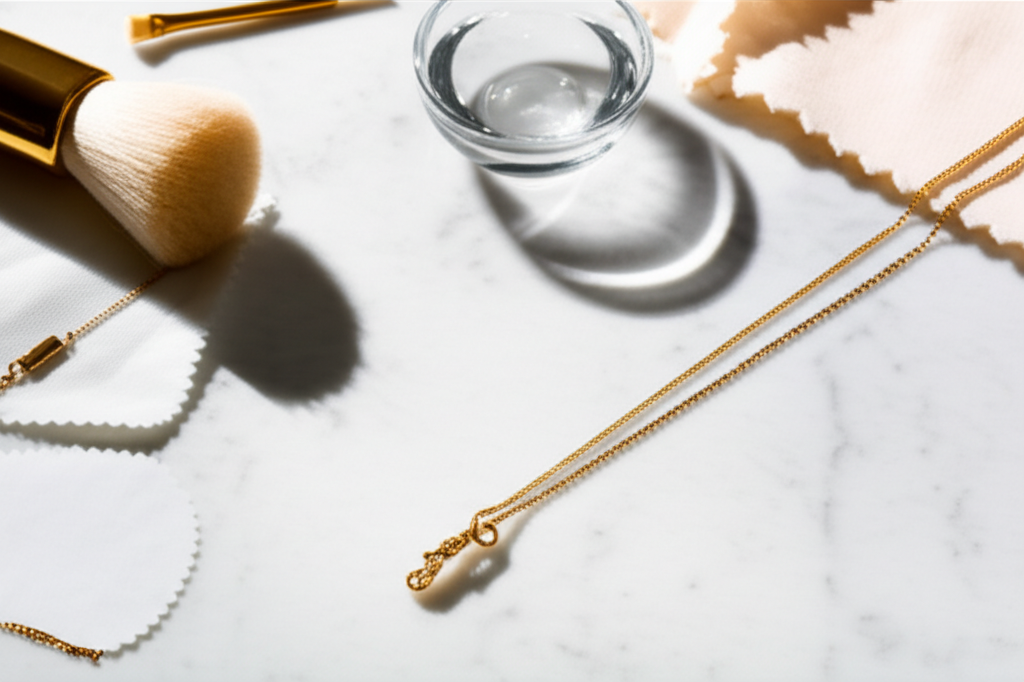
A soft-bristled toothbrush (an old one dedicated to cleaning) or a small, soft makeup brush can help gently scrub intricate details or settings. Cotton swabs are perfect for reaching tight spots and applying or removing cleaning solutions precisely. These tools help you clean without scratching.
How Do You Clean A Necklace: Step-by-Step Guide for Common Materials
Now let’s dive into the practical steps for cleaning your necklaces. We’ll cover the most common materials, providing clear instructions to help you restore their shine. Following these steps will ensure your jewelry gets a thorough clean without any risk.
Cleaning Gold Necklaces (Pure and Plated)
Gold necklaces, especially those with lower karats, can benefit from a gentle cleaning. For most gold jewelry, a simple solution of warm water and a few drops of mild dish soap works wonders. Gently scrub with a soft brush, rinse thoroughly, and pat dry with a soft cloth.
Steps for Cleaning Gold Necklaces:
1. Prepare a Solution: Mix a few drops of mild dish soap with warm water in a small bowl.
2. Soak Briefly: Submerge your gold necklace in the solution for about 10–20 minutes.
3. Gentle Scrubbing: Use a soft-bristled toothbrush to gently scrub away dirt and grime, paying attention to the chain links and any settings.
4. Rinse Thoroughly: Rinse the necklace under lukewarm running water to remove all soap residue.
5. Dry Carefully: Pat the necklace completely dry with a soft, lint-free cloth. Avoid air drying, which can leave water spots.
This method is safe for most gold jewelry, including plated gold, as long as the plating is intact and you use very mild soap. Avoid harsh chemicals or abrasive cleaners that can damage the gold or plating.
Cleaning Silver Necklaces (Sterling Silver and Silver Plated)
Silver is prone to tarnishing, a black or gray film that forms on the surface. For sterling silver, a mild soap and water solution can remove surface grime. For more significant tarnish, specialized silver polishing cloths or dips can be used, but with caution.
Steps for Cleaning Sterling Silver Necklaces:
1. Mild Soap Wash: Wash the silver necklace in a bowl of warm water with a few drops of mild dish soap.
2. Gentle Scrub: Use a very soft brush to gently clean the chain and any crevices.
3. Rinse and Dry: Rinse thoroughly with clean water and dry immediately with a soft cloth to prevent water spots.
4. For Tarnished Silver: Use a silver polishing cloth or a silver dip, following the product instructions precisely. Be aware that dips can be harsh and may remove protective finishes from plated silver.
Always test silver dips on an inconspicuous area first. For silver-plated necklaces, it’s often best to stick to the mild soap and water method to avoid stripping the plating.
Cleaning Platinum Necklaces
Platinum is a very durable and non-reactive metal, making it relatively easy to clean. Similar to gold, a solution of warm water and mild dish soap is usually sufficient for everyday cleaning. Its resilience means it can handle gentle scrubbing without much risk.
Steps for Cleaning Platinum Necklaces:
1. Create a Cleaning Bath: Mix warm water with a few drops of mild liquid dish soap.
2. Soak the Necklace: Let the platinum necklace soak in the solution for about 20–30 minutes to loosen dirt.
3. Gentle Agitation: Use a soft toothbrush to carefully scrub away any accumulated grime, especially in detailed areas.
4. Rinse and Polish: Rinse the necklace under running water and then gently buff it dry with a soft, lint-free cloth.
This straightforward method effectively removes everyday buildup and restores shine to platinum jewelry. For very stubborn dirt, a professional cleaning might be necessary.
Cleaning Necklaces with Pearls or Opals
Pearls and opals are organic gemstones and are much softer and more porous than diamonds. They require extremely gentle cleaning to avoid damage. Avoid harsh chemicals, ultrasonic cleaners, and abrasive materials at all costs.
Steps for Cleaning Pearl or Opal Necklaces:
1. Damp Cloth Wipe: Gently wipe the pearls or opals with a soft, slightly damp cloth.
2. Mild Soap (Optional & Diluted): If necessary, use a cloth dampened with a very mild, diluted soap solution (e.g., one drop of mild soap in a cup of water).
3. Wipe Clean: Wipe away any soap residue with a clean, damp cloth.
4. Dry Thoroughly: Ensure the pearls or opals are completely dry with a soft, dry cloth before storing. Never soak pearl or opal jewelry.
Always clean pearls and opals last in your jewelry cleaning routine, after applying cosmetics and perfumes. This prevents direct exposure to damaging chemicals.
Cleaning Necklaces with Other Gemstones (Diamonds, Sapphires, Rubies)
Harder gemstones like diamonds, sapphires, and rubies are more resilient. They can typically handle a warm, soapy water solution and gentle scrubbing. However, always check the specific gemstone’s properties, as some treatments can affect their durability.
Steps for Cleaning Necklaces with Hard Gemstones:
1. Prepare Soapy Water: Mix warm water with a few drops of mild dish soap.
2. Soak the Jewelry: Let the necklace soak for 15–30 minutes to loosen dirt.
3. Gentle Scrubbing: Use a soft toothbrush to clean around the gemstone settings and the stone itself.
4. Rinse Well: Rinse thoroughly under clean, running water to remove all soap.
5. Dry and Polish: Pat dry with a soft cloth. For diamonds, a quick dip in ammonia-based cleaner (like Windex) can boost sparkle, but use sparingly and rinse well.
This method is generally safe for most durable gemstones. However, be cautious with treated stones or those with inclusions, as they might be more fragile.
Special Considerations for Cleaning Specific Necklace Types
Beyond the material, the design and construction of your necklace can influence how you clean it. Intricate designs, delicate chains, and specific clasps may require extra attention or different approaches. Understanding these nuances helps you clean effectively.
Cleaning Delicate Chains and Intricate Designs
Delicate chains, like snake chains or fine link chains, can be prone to kinking or breaking if handled roughly. For intricate designs with many small parts, a soft toothbrush or cotton swabs are your best friends. Take your time and be gentle to avoid snagging or bending delicate elements.
Dealing with Tarnish: Beyond Basic Cleaning
While mild soap and water tackle everyday grime, significant tarnish on silver or some gold alloys might need more targeted solutions. Specialized silver polishes or jewelry cleaning dips are available. However, these can be abrasive and may remove protective coatings on plated items, so use them with extreme caution.
Using Ultrasonic Cleaners: Pros and Cons
Ultrasonic cleaners use high-frequency sound waves to dislodge dirt. They can be very effective for cleaning intricate jewelry, especially those with many crevices. However, they are not suitable for all gemstones (like pearls, opals, or emeralds) or for jewelry with loose stones or intricate settings, as the vibrations can cause damage.
DIY Cleaning Recipes for Your Necklaces
Sometimes, you might prefer to make your own cleaning solution using common household items. These DIY recipes can be effective for general cleaning and minor tarnish removal. Always remember to test any DIY solution on an inconspicuous area first.
Baking Soda Paste for Silver Tarnish
A paste made from baking soda and water can be a gentle abrasive for removing tarnish from sterling silver. Mix baking soda with just enough water to form a paste. Apply it to the tarnished areas with a soft cloth, rub gently, and then rinse thoroughly.
DIY Baking Soda Paste Recipe:
Ingredients:
1 tablespoon baking soda
1–2 tablespoons water
Instructions:
1. Combine baking soda and water in a small bowl.
2. Mix until a thick paste forms.
3. Apply the paste to tarnished silver using a soft cloth or cotton swab.
4. Gently rub the paste over the tarnished areas.
5. Rinse the silver thoroughly with warm water.
6. Dry immediately with a soft cloth.
This paste is effective for mild tarnish but can be too abrasive for plated items or delicate finishes. Use with caution.
Ammonia and Water for Sparkle (Use Sparingly!)
A solution of one part ammonia to six parts warm water can help restore sparkle to diamonds and other hard gemstones. Soak the jewelry for a short period (no more than 10 minutes), then gently brush and rinse thoroughly. This method is not suitable for pearls, opals, or other organic or porous stones.
Ammonia Cleaning Solution:
Ratio: 1 part household ammonia to 6 parts warm water.
Application: Soak jewelry for up to 10 minutes.
* Caution: Rinse thoroughly. Not suitable for pearls, opals, emeralds, turquoise, or any porous/treated stones.
This is a powerful cleaner and should be used sparingly and with good ventilation. Always rinse extremely well.
When to Seek Professional Cleaning and Repair
While DIY methods are great for routine cleaning, some situations call for expert attention. If your necklace is extremely valuable, has delicate or loose stones, or has significant damage, it’s best to consult a professional jeweler. They have specialized tools and knowledge to handle complex cases safely.
Valuable or Heirloom Jewelry
For pieces that hold significant monetary or sentimental value, professional cleaning is often the safest bet. Jewelers can assess the condition of the metal and stones and use methods that are tailored to your specific piece, minimizing any risk of damage. This ensures your treasured items are handled with the utmost care.
Jewelry with Loose Stones or Intricate Settings
If your necklace has stones that appear loose, or if it features very intricate filigree or enamel work, it’s wise to leave the cleaning to the professionals. The vibrations or solutions used in DIY cleaning could dislodge stones or damage delicate components. A jeweler can secure stones before cleaning.
Dealing with Stubborn Tarnish or Damage
For severe tarnish that doesn’t respond to home remedies, or if your necklace has bent links, scratches, or other damage, a jeweler is your best resource. They can repair damage and expertly remove deep-set tarnish without compromising the integrity of your jewelry. They also offer professional polishing services.
How to Properly Store Your Cleaned Necklaces
Once you’ve cleaned your necklace, proper storage is key to maintaining its shine and preventing future damage. Storing your jewelry correctly helps keep it protected from scratches, tarnish, and tangles. This simple step extends the life and beauty of your pieces.
Individual Pouches and Jewelry Boxes
The best way to store necklaces is individually, to prevent them from scratching each other. Use soft pouches (like velvet or microfiber) or dedicated compartments in a jewelry box. This protects them from abrasions and environmental factors that can cause tarnish.
Avoiding Moisture and Air Exposure
Moisture can accelerate tarnishing, especially for silver. Store your jewelry in a cool, dry place. Some people use anti-tarnish strips in their jewelry boxes, which can help absorb sulfur compounds in the air that cause tarnish. Airtight containers are ideal for long-term storage.
Tips for Preventing Tangles
Necklaces, especially delicate chains, are notorious for tangling. Storing them individually in pouches or using jewelry boxes with specific necklace hooks or slots can prevent this. Hanging necklaces can also help keep them untangled and easily accessible.
Frequently Asked Questions About Cleaning Necklaces
Here are answers to some common questions people have about how to clean a necklace. Understanding these points can help you clean your jewelry with more confidence.
Can I use toothpaste to clean my necklace?
While some suggest toothpaste for cleaning, it’s generally not recommended for jewelry. Toothpaste contains abrasive particles that can scratch delicate metals and gemstones, especially softer stones or plated finishes. Stick to milder, jewelry-specific cleaners or mild soap and water.
How often should I clean my necklaces?
The frequency depends on how often you wear them and what they’re made of. For everyday wear, a quick wipe with a soft cloth after each wear is good. A deeper clean with soap and water can be done every few weeks or months, or whenever you notice dullness or tarnish.
Is it safe to clean my pearl necklace with Windex?
No, it is absolutely not safe to clean a pearl necklace with Windex or any ammonia-based cleaner. Pearls are organic and porous; Windex can damage their luster and surface. A gentle wipe with a slightly damp cloth is the safest method for pearls.
What’s the best way to clean a necklace with a diamond?
For diamonds, a warm, soapy water solution with a soft toothbrush is usually effective. For extra sparkle, you can use a jewelry cleaner or a very diluted ammonia solution (rinse thoroughly afterward). Avoid harsh chemicals or ultrasonic cleaners if the diamond is set in a delicate metal or has inclusions.
How do I remove stubborn tarnish from my silver necklace?
For stubborn tarnish on sterling silver, a commercial silver polishing cloth or a silver dip can be used. Follow product instructions carefully, and be aware that dips can be harsh. For silver-plated items, it’s better to stick to gentler cleaning methods to avoid removing the plating.
Conclusion: Keep Your Necklaces Sparkling
Learning how to clean a necklace properly is an essential skill for any jewelry owner. By understanding the materials of your necklaces and using the right gentle methods, you can effectively remove dirt, oils, and tarnish. Whether it’s a gold chain, a silver pendant, or a piece with gemstones, a little regular care goes a long way. Always start with the mildest cleaning approach and escalate only if necessary, prioritizing the safety of your precious items. With these tips, your necklaces will retain their shine and beauty for years to come, always ready to add that perfect touch to your outfit.
