


Published on: September 8, 2025 | Updated on: September 8, 2025
Discover the simplest ways to clean your pewter jewelry, making it shine like new without harsh chemicals or complicated steps. This guide offers effective, easy-to-follow methods for preserving your cherished pieces.
Pewter jewelry, with its unique vintage charm and distinctive look, can become a cherished part of your collection. However, like any metal, it can tarnish over time, dulling its luster and making it appear less appealing. Many people worry about damaging their pewter pieces when trying to clean them, leading to hesitation or the use of incorrect methods. This guide is here to demystify the process, offering you simple, effective, and safe ways to restore your pewter jewelry’s brilliance. We’ll walk you through essential techniques that are both effortless and essential for keeping your favorite pieces looking their best.
Why Does Pewter Jewelry Tarnish and Why is Gentle Cleaning Key?
Pewter, an alloy typically made of tin mixed with other metals like copper, antimony, and bismuth, is susceptible to oxidation. Exposure to air, moisture, and even certain chemicals in lotions or perfumes can cause a dull, grayish film to form on its surface, which we commonly call tarnish. This natural process is why knowing how to clean pewter jewelry correctly is so important. Unlike silver, which tarnishes more readily, pewter is generally more durable but still requires a gentle approach to avoid scratching or permanently altering its finish. Harsh cleaners or abrasive materials can easily damage the delicate surface, leading to permanent discoloration or loss of detail.
Understanding Pewter: What You Need to Know Before Cleaning
Before you grab any cleaning supplies, it’s crucial to understand a few things about pewter itself. Modern pewter is usually lead-free and has a softer composition than many other metals. This means it can be prone to scratching if you’re not careful. Some pewter pieces might also have a protective coating or a specific finish, like an antique patina, that you don’t want to remove. Always check for hallmarks or manufacturer information if possible, as this can sometimes indicate the type of pewter and any special care instructions. Knowing these basics will help you choose the most appropriate cleaning method for your specific piece.
The Gentle Approach: Your Go-To Method for Cleaning Pewter Jewelry
For most everyday tarnish and grime on pewter jewelry, a simple, gentle approach is usually the most effective. This method avoids harsh chemicals and abrasive tools, ensuring your jewelry remains unharmed. It’s the perfect starting point for restoring the shine to your beloved pieces without any risk. We’ll cover the necessary materials and the step-by-step process to make your pewter gleam again.
Gathering Your Gentle Cleaning Supplies

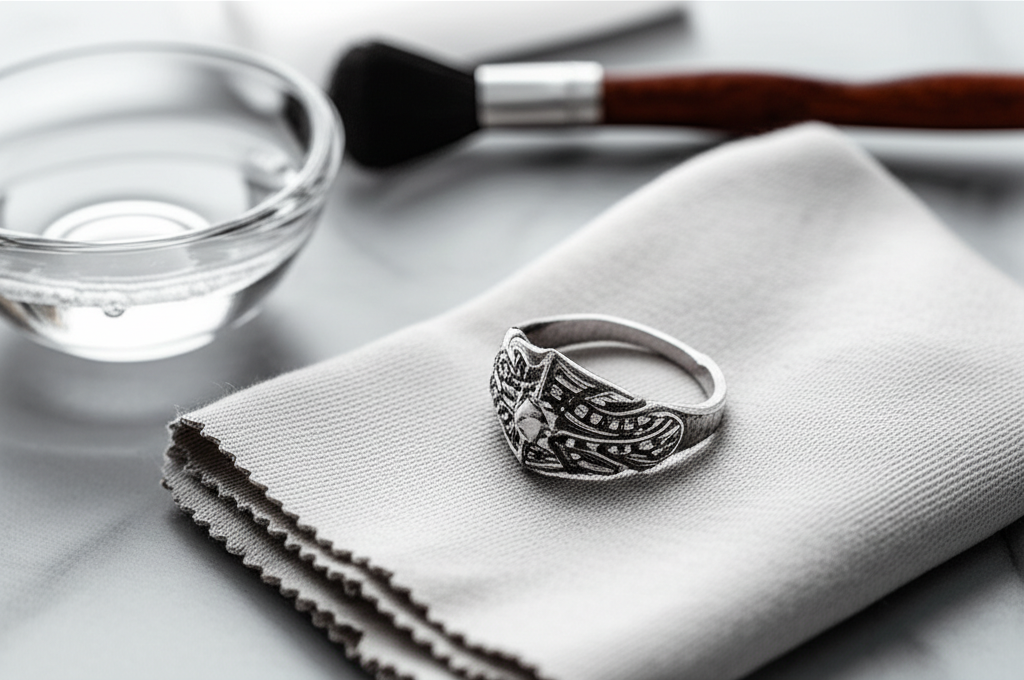
To perform the gentle cleaning method, you’ll need just a few common household items. These are readily available and won’t cost you much, making this an economical and accessible solution. Having these on hand ensures you can tackle tarnished pewter whenever the need arises.
Mild Dish Soap: A gentle, non-abrasive dish soap is your best friend here.
Lukewarm Water: Not too hot, not too cold – just right for loosening dirt.
Soft Cloths: Microfiber cloths are ideal as they are non-abrasive and absorbent. Have at least two: one for washing and one for drying/buffing.
Cotton Swabs or Soft Brush (Optional): For getting into intricate details or crevices.
Step-by-Step Guide to Gentle Pewter Jewelry Cleaning
Following these simple steps will safely remove tarnish and bring back the shine to your pewter jewelry. Remember to work carefully and avoid excessive rubbing, especially on detailed areas. This process is designed to be straightforward and highly effective for most common cleaning needs.
1. Prepare Your Cleaning Solution: Mix a few drops of mild dish soap with lukewarm water in a small bowl. This creates a gentle cleaning solution that will lift away dirt and tarnish.
2. Wash the Jewelry: Dip a soft cloth into the soapy water and gently wipe down your pewter jewelry. For very intricate pieces, you can use a cotton swab or a very soft brush dipped in the solution. Focus on areas with visible tarnish or dirt.
3. Rinse Thoroughly: Rinse the jewelry under cool, running water to remove all soap residue. Ensure no soap is left behind, as it can leave a film.
4. Dry Immediately and Completely: This is a crucial step. Use a clean, soft, dry cloth to gently pat and wipe the jewelry dry. Ensure all nooks and crannies are dry to prevent water spots or further tarnishing.
5. Buff for Shine: Use a dry, clean microfiber cloth to gently buff the pewter. This will help restore its natural shine and remove any remaining dullness.
After completing these steps, your pewter jewelry should look noticeably cleaner and brighter. The gentle approach ensures that the integrity of the metal and any intricate designs are preserved. This method is perfect for regular maintenance and light tarnish removal.
Tackling Stubborn Tarnish: When Gentle Isn’t Enough
Sometimes, despite your best efforts, a gentle wash won’t cut through stubborn tarnish. This is where slightly more targeted methods come into play. These techniques are still designed to be safe for pewter but offer a bit more power to lift away heavier oxidation. Always test these methods on an inconspicuous area first if you’re unsure.
The Baking Soda Paste Method
Baking soda is a mild abrasive that can effectively lift stubborn tarnish without being overly harsh. When combined with water to form a paste, it creates a gentle scrubbing agent that can work wonders on dull pewter. This is a classic DIY cleaning solution that many find incredibly effective.
How to Make and Use Baking Soda Paste
Creating and using a baking soda paste is straightforward. The key is to use it with a light touch to avoid scratching the pewter.
1. Mix the Paste: Combine baking soda with just enough water to form a thick paste. Aim for a consistency similar to toothpaste.
2. Apply Gently: Using a soft cloth or your fingertips, gently apply the paste to the tarnished areas of your pewter jewelry. Avoid rubbing vigorously; instead, use light, circular motions.
3. Let it Sit (Briefly): Allow the paste to sit on the tarnish for a minute or two, but don’t let it dry completely.
4. Rinse and Dry: Thoroughly rinse the jewelry under cool water. Pat it dry immediately and completely with a soft cloth.
5. Buff: Once dry, buff the pewter with a clean, dry cloth to restore its shine.
This method is excellent for removing more ingrained tarnish, but remember that baking soda is still an abrasive, so use it with care.
Using Toothpaste (Non-Gel, White Variety)
Believe it or not, regular white, non-gel toothpaste can also be an effective cleaner for pewter. The mild abrasives in toothpaste can help polish away tarnish. It’s important to use only the classic white paste, as gel formulas or those with extra whitening agents might contain ingredients that could be too harsh for pewter.
Applying Toothpaste for a Brighter Shine
Just like the baking soda paste, the application of toothpaste requires a gentle hand. The goal is to gently polish, not to scrub away the metal itself.
1. Apply a Small Amount: Squeeze a small dab of white, non-gel toothpaste onto a soft, damp cloth.
2. Gently Polish: Lightly rub the toothpaste over the tarnished areas of your pewter jewelry. Use gentle, circular motions.
3. Rinse Well: Rinse the jewelry thoroughly under cool water to remove all traces of toothpaste.
4. Dry and Buff: Pat the jewelry dry immediately with a soft cloth, then buff it to a shine with another clean, dry cloth.
While toothpaste can be effective, it’s generally considered slightly more abrasive than baking soda, so use it sparingly and with extra care.
Special Considerations for Antique and Patinated Pewter
Antique pewter often possesses a unique, dark patina that contributes to its historical charm and value. Patinated pewter is not meant to be polished to a bright shine; the goal is to clean off surface grime without removing the desirable aged finish. Aggressive cleaning or polishing can strip away this patina, permanently damaging the piece. Therefore, cleaning antique or patinated pewter requires an even gentler approach, focusing on removing dirt rather than restoring brightness.
Preserving the Patina: A Delicate Balancing Act
When cleaning antique or patinated pewter, the priority is preservation. You want to clean it enough to appreciate its details but not so much that you erase its history. This means avoiding any polishing compounds or harsh abrasives altogether.
Focus on Surface Grime: The goal is to remove dust, light dirt, or residues that obscure the details.
Avoid Polishing: Never use silver polish or metal polishes on antique pewter. These are too aggressive.
Test in an Inconspicuous Area: If using a mild soap solution, test it first on a small, hidden spot.
Cleaning Methods for Antique & Patinated Pewter
For antique and patinated pieces, stick to the absolute gentlest methods. These are designed to clean without altering the aged appearance.
1. Dusting: For very light cleaning, a soft brush (like a makeup brush or a soft paintbrush) is excellent for dusting away loose debris.
2. Mild Soap and Water: If dusting isn’t enough, use the mild dish soap and lukewarm water method described earlier. Be extremely gentle and use a very soft cloth or cotton swabs.
3. Rinse and Dry with Extreme Care: Rinse thoroughly and dry immediately and meticulously with a soft cloth, taking care not to rub too hard or disturb the patina.
The aim is a subtle clean that enhances, rather than erases, the piece’s historical character. If in doubt, consult a professional conservator.
What NOT to Do When Cleaning Pewter Jewelry
Just as important as knowing how to clean pewter jewelry is knowing what methods to avoid. Certain cleaning agents and tools can cause irreversible damage to pewter, leaving you with a ruined piece. Being aware of these pitfalls will save you a lot of heartache and expense.
Common Cleaning Mistakes to Steer Clear Of
Harsh Chemicals: Avoid bleach, ammonia, and strong acidic cleaners. These can react with the metal and cause severe discoloration or pitting.
Abrasive Scrubbers: Never use steel wool, scouring pads, or stiff-bristled brushes. These will scratch the pewter surface, leaving permanent marks.
Silver Polish: While it might seem intuitive, most silver polishes are too abrasive for pewter and can strip its finish or patina.
Dishwashers: The high heat and harsh detergents in a dishwasher can damage pewter, causing discoloration and potential warping.
Prolonged Soaking: Letting pewter jewelry soak in water for extended periods can lead to corrosion or pitting.
By avoiding these common mistakes, you’ll significantly reduce the risk of damaging your pewter jewelry. Sticking to gentle, appropriate methods is key to maintaining its beauty and longevity.
Maintaining Your Pewter Jewelry’s Shine: Prevention is Key
The best way to keep your pewter jewelry looking its best is to prevent tarnish and damage in the first place. Implementing a few simple preventative measures can drastically reduce the need for frequent or intensive cleaning. Think of these as routine maintenance for your treasured pieces.
Storage and Handling Tips for Pewter Jewelry
Proper storage and careful handling are fundamental to preserving the luster of your pewter. When pieces are stored correctly, they are protected from the elements that cause tarnishing and from accidental damage. This proactive approach saves you time and effort in the long run.
Store Separately: Keep your pewter jewelry in a separate, soft pouch or a lined jewelry box compartment. This prevents it from rubbing against other jewelry, which can cause scratches.
Cool, Dry Place: Store your pewter in a cool, dry environment away from direct sunlight and high humidity. Avoid storing it in bathrooms or near windows.
Avoid Chemicals: Do not store pewter near perfumes, hairsprays, or cleaning chemicals, as their fumes can accelerate tarnishing.
Wear with Care: Be mindful when wearing your pewter jewelry. Try to avoid wearing it during activities that involve a lot of sweating, swimming, or exposure to harsh chemicals like cleaning solutions.
Daily Habits for Pewter Jewelry Care
Incorporating small habits into your daily routine can make a big difference in how your pewter jewelry looks over time. These are simple actions that require minimal effort but yield significant results.
Wipe After Wearing: After you take off your pewter jewelry, give it a quick wipe with a soft, dry cloth. This removes oils, sweat, and any surface dust accumulated during the day.
Remove Before Activities: Always remove your pewter jewelry before showering, swimming, exercising, or doing household chores. Moisture and chemicals are the main culprits behind tarnish and damage.
Apply Cosmetics First: Put on lotions, perfumes, and makeup before putting on your pewter jewelry. Allow them to dry completely.
By adopting these simple habits, you can significantly extend the life and beauty of your pewter jewelry, keeping it looking its best with minimal cleaning effort.
When to Seek Professional Help for Your Pewter Jewelry
While most cleaning tasks can be handled at home with simple methods, there are times when professional help is the best course of action. If you have a particularly valuable, antique, or intricately designed piece, or if you’re unsure about the best approach, consulting a specialist is wise. They have the expertise and tools to handle delicate items without causing damage.
Identifying Pieces That Need Professional Care
Valuable Antiques: If your pewter piece is a rare antique or has significant monetary or sentimental value, professional assessment is recommended.
Heavily Damaged Pieces: If your jewelry has deep scratches, significant corrosion, or structural damage, a professional can assess repair options.
Unknown Finishes: If you’re unsure of the pewter’s finish or if it has a specialized coating, a professional conservator can identify it and recommend the safest cleaning method.
* Extremely Stubborn Tarnish: For tarnish that seems impossible to remove with home methods, a professional may have specialized techniques.
A reputable jeweler or antique conservator can provide expert advice and services to ensure your precious pewter pieces are cared for properly, maintaining their integrity and beauty for years to come.
Frequently Asked Questions About Cleaning Pewter Jewelry
Q1: Can I use silver polish on pewter jewelry?
It is generally not recommended to use silver polish on pewter jewelry. Silver polishes are often too abrasive and can strip the finish or patina of pewter, potentially causing permanent damage. Stick to gentler cleaning methods specifically designed for pewter.
Q2: How often should I clean my pewter jewelry?
The frequency of cleaning depends on how often you wear the jewelry and your environment. For daily wear, a quick wipe-down after each use is recommended. Deeper cleaning for tarnish might be needed every few months, or whenever you notice it dulling.
Q3: Will cleaning damage the antique look of my pewter?
Aggressive cleaning or polishing can indeed damage the antique look and patina of pewter. For antique pieces, always opt for the gentlest methods, focusing on removing surface dirt without attempting to make it look brand new. Preservation of the patina is key.
Q4: What is the best way to remove scratches from pewter jewelry?
Unfortunately, deep scratches are difficult to remove from pewter without professional intervention. Minor surface scuffs can sometimes be buffed out with very fine polishing cloths, but always proceed with extreme caution. For significant scratches, consider consulting a jeweler.
Q5: Can I use ultrasonic cleaners for pewter jewelry?
Ultrasonic cleaners can be used for pewter jewelry, but with caution. Ensure your piece doesn’t have any stones or delicate inlays that could be dislodged. Always use a mild cleaning solution and check the jewelry frequently during the cleaning cycle.
Q6: My pewter jewelry has turned black. What can I do?
Blackening on pewter often indicates heavy oxidation or reaction with certain chemicals. Try the baking soda paste method or a mild soap and water solution first. If the blackening persists and is deep, it might require professional cleaning or restoration.
Conclusion: Keeping Your Pewter Jewelry Shining Effortlessly
Cleaning pewter jewelry doesn’t have to be a daunting task. By understanding the material and employing gentle, effective methods, you can easily restore its shine and preserve its beauty. From simple soap and water to careful use of baking soda paste for tougher tarnish, this guide has provided you with the essential knowledge to tackle most cleaning needs. Remember, the key to how do you clean pewter jewelry effectively lies in a gentle approach and consistent care. Prioritizing proper storage and mindful handling will further minimize the need for intensive cleaning, allowing you to enjoy your cherished pewter pieces for years to come. With these simple steps, your pewter jewelry will remain a gleaming addition to your collection, effortlessly beautiful.
