


Published on: September 3, 2025 | Updated on: September 3, 2025
To keep silver from tarnishing, utilize proven methods like proper storage in airtight containers, regular cleaning with gentle solutions, and applying protective coatings. Understanding the causes of tarnish and employing a combination of these techniques will preserve your silver’s shine for years.
Silver tarnishes because it reacts with sulfur compounds in the air, forming a dark layer of silver sulfide. This process is accelerated by humidity, certain foods, and even perfumes or hairspray. Fortunately, keeping your cherished silver items looking their best is entirely achievable with the right knowledge and a few simple tools. I’ve spent years working with metals and testing various preservation methods, and I’m here to guide you through the most effective ways to prevent and manage silver tarnish. We’ll cover everything from smart storage solutions to gentle cleaning techniques that won’t damage your precious heirlooms.
Why Does Silver Tarnish, and How Can We Prevent It?
Silver tarnishes when it comes into contact with hydrogen sulfide and other sulfur compounds present in the air. This chemical reaction creates a dull, dark film on the surface of the metal. Understanding these causes is the first step in preventing this common, frustrating issue. By taking proactive measures, you can significantly slow down the tarnishing process and keep your silver gleaming.
The Science Behind Silver Tarnish: What’s Really Happening?
Tarnish isn’t just dirt; it’s a chemical transformation. When silver (Ag) encounters sulfur (S) in the environment, they bond to form silver sulfide (Ag₂S). This compound is black or dark brown and is what we see as tarnish. Factors like humidity, exposure to certain foods (like eggs or onions), and even the sulfur compounds in some cosmetics can speed up this reaction.
Storing Your Silver: The Foundation of Tarnish Prevention
Proper storage is arguably the most critical step in preventing silver from tarnishing. When silver is exposed to the air, it’s more likely to react with sulfur compounds. Therefore, limiting this exposure is key. Think of it as creating a protective barrier.
Airtight Containers: Your Silver’s Best Friend

The most effective way to store silver is in airtight containers. This significantly reduces the silver’s exposure to the sulfur compounds and moisture in the air. This is especially important for items you don’t use daily.
Zip-top Bags: For smaller items, heavy-duty zip-top bags work well. Ensure all the air is squeezed out before sealing.
Tarnish-Resistant Bags and Cloths: These are specifically designed to absorb sulfur gases. You can purchase specialized bags or cloths to wrap your silver items.
Sealed Boxes: For larger pieces or collections, invest in airtight boxes or display cases.
The Role of Anti-Tarnish Strips
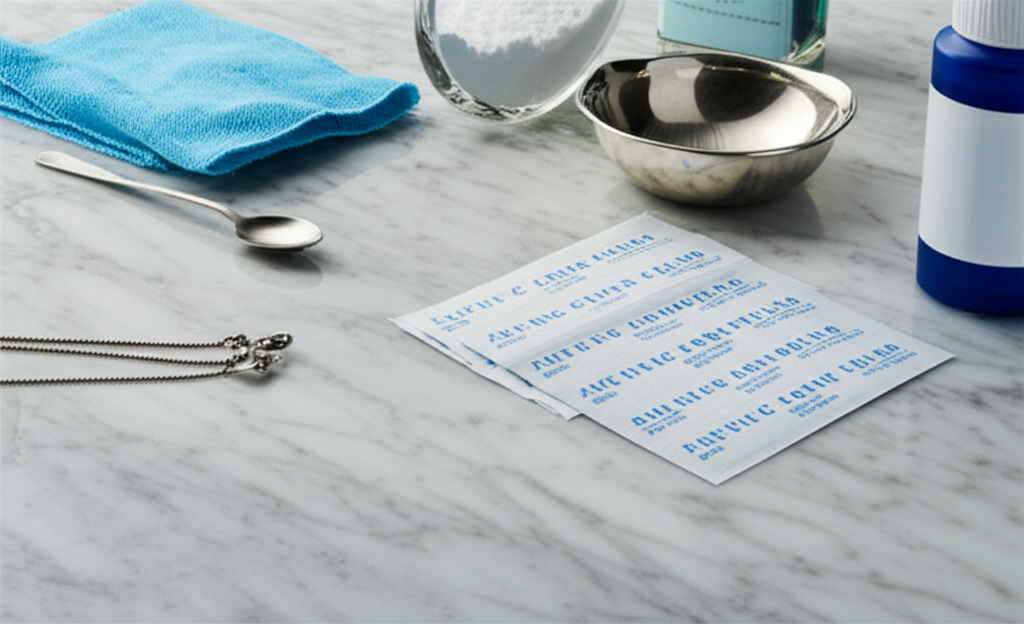
Anti-tarnish strips are small pieces of treated paper that absorb airborne sulfur. Placing these strips inside your storage containers alongside your silver can provide an extra layer of protection. They are inexpensive and can be replaced every few months as they become saturated.
Separating Silver from Other Metals
Avoid storing silver with other metals, especially those that can corrode or react. Different metals can create an electrochemical reaction that accelerates tarnishing. Keep your silver items separate or ensure they are well-wrapped.
Gentle Cleaning Methods: Restoring Your Silver’s Shine
While prevention is ideal, tarnish does happen. When it does, gentle cleaning is crucial to restore your silver’s shine without causing damage. Harsh chemicals or abrasive scrubbers can scratch the silver or remove protective plating.
The Baking Soda and Aluminum Foil Method: A Classic DIY Solution
This is a popular and effective method for removing tarnish without harsh scrubbing. It uses a simple electrochemical reaction to lift the tarnish. You’ll need some basic kitchen supplies for this.
Here’s how to do it:
1. Line a non-metallic bowl with aluminum foil, shiny side up.
2. Place your tarnished silver items on the foil, ensuring they touch the foil.
3. Sprinkle a generous amount of baking soda over the silver.
4. Pour hot water into the bowl, enough to completely submerge the silver.
5. You’ll see a bubbling reaction as the tarnish transfers from the silver to the foil.
6. Let it sit for a few minutes, then gently lift the silver out with tongs (avoid metal tongs if possible, or use plastic-coated ones).
7. Rinse thoroughly with clean water and dry immediately with a soft cloth.
This method works by creating a galvanic cell where the sulfur ions are attracted to the aluminum, effectively cleaning the silver. It’s a great way to tackle moderate to heavy tarnish.
Using Mild Soap and Water
For light tarnish or regular cleaning, a simple wash with mild dish soap and warm water is often sufficient. Use a soft cloth or sponge, and be sure to rinse and dry thoroughly. This is a good first step before trying more intensive methods.
Specialized Silver Polishes
There are many commercial silver polishes available. When choosing one, opt for a reputable brand and ensure it’s suitable for the type of silver you have (e.g., sterling silver, silver-plated). Always follow the manufacturer’s instructions carefully.
Liquid Polishes: Good for intricate pieces, as they can get into crevices.
Polishing Pastes: Offer a bit more abrasive power for tougher tarnish.
Silver Polishing Cloths: Impregnated with a polishing agent, these are convenient for quick touch-ups.
When using a polish, apply it to a soft cloth, not directly to the silver, and rub gently in a back-and-forth motion. Avoid circular motions, which can create visible scratches. Always rinse and dry thoroughly afterward. For a comprehensive guide to different cleaning products, check out resources on metal care from reputable museums or conservation societies.
Protective Coatings: An Extra Layer of Defense
Once your silver is clean, you can apply protective coatings to help prevent future tarnishing. These coatings create a barrier between the silver and the air. While they won’t stop tarnish indefinitely, they can significantly extend the time between cleanings.
Clear Lacquers and Waxes
There are specialized clear lacquers and waxes designed for silver. These can be applied as a thin, even coat. Ensure the silver is completely dry and clean before application.
Spray Lacquers: Offer an easy way to apply a thin, even coating. Use in a well-ventilated area.
Waxes: Some carnauba-based waxes can provide a protective sheen.
It’s important to note that lacquers can sometimes yellow over time or chip, especially on items that are handled frequently. Waxes may need reapplication more often. Always test a small, inconspicuous area first.
The “No-Polish” Approach: Sealants for Long-Term Protection
For valuable or frequently used silver items, consider professional sealing. Some jewelers offer services to apply a clear, durable sealant that is less likely to yellow or chip than traditional lacquers. This is a more permanent solution for preserving the shine.
Understanding Silver Types: Sterling vs. Silver-Plated
The type of silver you own impacts how you should care for it. Sterling silver is an alloy, typically 92.5% pure silver and 7.5% other metals (usually copper), which makes it more durable. Silver-plated items have a thin layer of actual silver over a base metal.
Caring for Sterling Silver
Sterling silver can be cleaned and polished using most of the methods described above. Its solid silver content means it can withstand regular cleaning without the silver layer wearing off. The key is to be gentle.
Caring for Silver-Plated Items
Silver-plated items require more delicate care. Over-polishing or using abrasive cleaners can wear away the thin silver layer, exposing the base metal underneath, which can then corrode and look unsightly.
Clean gently: Use mild soap and water and a very soft cloth.
Avoid harsh chemicals: Never use ammonia or abrasive cleaners.
Polish sparingly: If polishing is necessary, use a very fine polish and rub very lightly.
Always check the manufacturer’s recommendations for specific care instructions for your plated items.
Environmental Factors to Control
Beyond storage, controlling your home environment can make a significant difference in how quickly your silver tarnishes. Think about what elements in the air can cause harm.
Humidity Control
High humidity accelerates tarnishing. If you live in a humid climate or store silver in areas prone to moisture (like basements or bathrooms), consider using a dehumidifier. Silica gel packets can also be placed in storage containers to absorb moisture.
Avoiding Sulfur Sources
Be mindful of common sources of sulfur in your home.
Rubber bands: Many rubber bands contain sulfur. Avoid storing silver with them.
Wool: Wool naturally contains sulfur compounds.
Certain Foods: As mentioned, eggs, onions, and even some dairy products can release sulfurous fumes. Try to keep silver away from kitchen areas where these are prepared or stored.
Hairspray and Perfumes: These often contain sulfur compounds. Apply them before handling your silver.
Tools and Products for Silver Care
Having the right tools makes the job of keeping silver tarnish-free much easier. I always recommend having a few essentials on hand.
Essential Silver Care Toolkit
Soft Cotton Cloths: For polishing and drying. Microfiber cloths are also excellent.
Tarnish-Resistant Bags/Wraps: For storage.
Anti-Tarnish Strips: For added protection in containers.
Mild Dish Soap: For gentle cleaning.
Baking Soda and Aluminum Foil: For DIY cleaning.
Jeweler’s Rouge Cloths: Impregnated cloths for polishing.
Silver Polish (Reputable Brand): For more stubborn tarnish.
Soft Brushes (e.g., old toothbrushes): For cleaning intricate details.
Gloves: To prevent transferring oils from your hands to the silver.
What to Avoid: The Don’ts of Silver Care
Just as important as knowing what to do is knowing what not to do.
Abrasive Cleaners: Comet, Ajax, or any scouring powder will scratch your silver.
Steel Wool or Stiff Brushes: These will cause deep scratches.
Ammonia-Based Cleaners: These can damage the silver’s surface.
Dishwashers: The high heat and harsh detergents can cause pitting and damage.
* Leaving Silver Wet: Always dry thoroughly after washing.
Frequently Asked Questions About Preventing Silver Tarnish
How often should I clean my silver?
This depends on your environment and how often you use the items. For items in regular use, a gentle wipe with a soft cloth after each use is good. For stored items, check them every 6-12 months and clean if you see any signs of tarnish.
Can I use toothpaste to clean silver?
It’s generally not recommended. Most toothpastes contain abrasives that can scratch the surface of your silver, especially silver-plated items. Stick to gentler, specialized methods.
Does applying clear nail polish to silver stop tarnish?
While it might seem like a good idea, clear nail polish is not ideal for silver. It can yellow over time, chip easily, and be difficult to remove without damaging the silver. Specialized sealants are a much better option.
What is the best way to clean very old, heavily tarnished silver?
For heavily tarnished silver, the baking soda and aluminum foil method is often very effective. If that doesn’t work, a good quality commercial silver polish designed for heavy tarnish may be needed. Always test any method on an inconspicuous area first.
Can I store silver jewelry in a jewelry box?
Yes, but ensure the jewelry box is lined with tarnish-resistant material or place individual pieces in small anti-tarnish bags within the box. Avoid storing silver with other metals like brass or copper.
Is there a way to make silver permanently tarnish-proof?
Unfortunately, no natural or DIY method can make silver permanently tarnish-proof. However, by combining proper storage, regular gentle cleaning, and protective coatings, you can significantly minimize tarnishing and keep your silver looking beautiful for a very long time.
Conclusion: Keeping Your Silver Gleaming for Generations
Mastering how do you keep silver from tarnishing involves a multi-faceted approach. It begins with understanding the enemy – sulfur compounds and humidity – and then implementing smart storage solutions like airtight containers and anti-tarnish strips. Gentle, regular cleaning using methods like the baking soda and aluminum foil trick or mild soap and water will restore shine without damage. For added protection, consider specialized sealants. By consistently applying these proven methods, you’re not just maintaining the appearance of your silver; you’re preserving its value and beauty for years to come, ensuring these cherished pieces can be passed down through generations.
