


Published on: August 30, 2025 | Updated on: August 30, 2025
Get your sterling silver sparkling like new with these easy, proven methods for buffing, banishing tarnish, and restoring its brilliant shine effortlessly.
Sterling silver jewelry, cutlery, and decorative items can lose their luster over time, developing a dull, tarnished appearance. This common issue can make even the most cherished pieces look neglected. Fortunately, restoring that beautiful, bright shine is surprisingly simple with the right techniques and a few household staples. You don’t need to be a professional jeweler to bring back the gleam; these methods are designed for ease and effectiveness, ensuring your silver looks its absolute best with minimal effort.
Why Does Sterling Silver Tarnish, and How Can Buffing Help?
Tarnishing is the natural oxidation process that occurs when sterling silver reacts with sulfur compounds in the air. This reaction creates a dark, often black or grey, layer on the surface of the metal. Buffing, when done correctly, is a crucial step in removing this tarnish and revealing the bright, reflective silver underneath. It physically polishes away the oxidized layer, restoring the metal’s original brilliance and smooth finish.
The Science Behind the Shine: Understanding Silver Oxidation

Sterling silver, an alloy of 92.5% pure silver and 7.5% other metals (usually copper), is prized for its durability and shine. However, the copper component is more reactive and prone to oxidation. When exposed to air, particularly in humid environments or areas with pollution, the copper reacts to form silver sulfide, which we see as tarnish. Buffing effectively removes this surface layer, making your silver look new again.
Essential Tools and Materials for Buffing Sterling Silver
Before you begin, gathering the right supplies ensures a smooth and successful polishing process. Having everything ready will prevent interruptions and make the task more enjoyable. The goal is to use gentle, effective materials that won’t scratch your precious silver.
The Must-Have Kit for a Brilliant Buff
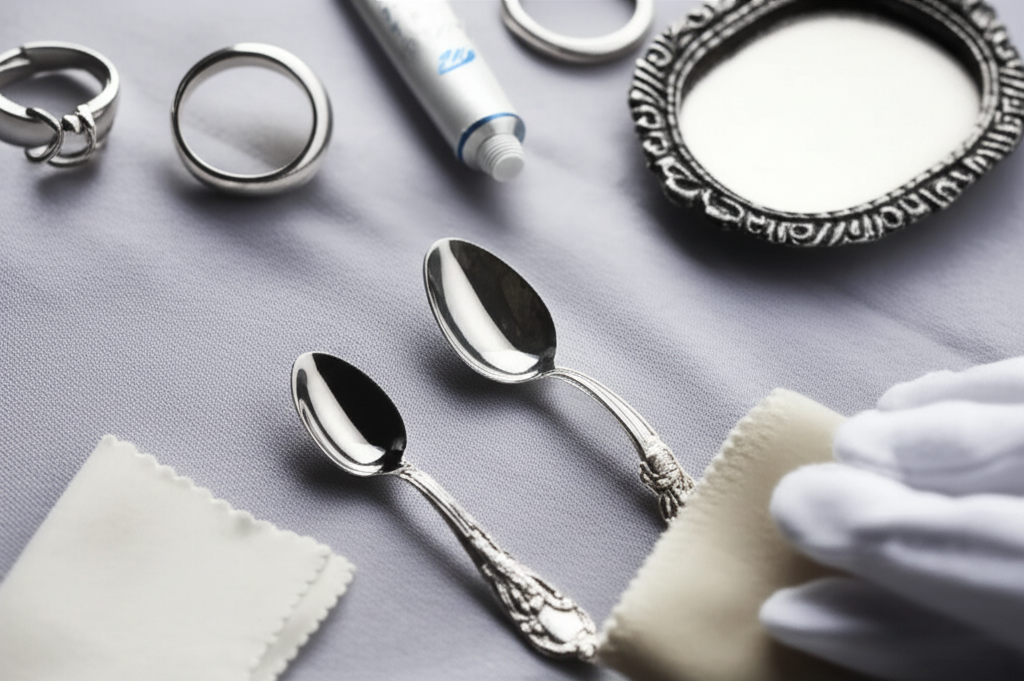
Soft, Lint-Free Cloths: Microfiber cloths are ideal for polishing without scratching.
Silver Polishing Cloths: These cloths are infused with a mild polishing agent and are excellent for light tarnish.
Mild Soap and Water: For initial cleaning to remove dirt and oils.
Baking Soda and Aluminum Foil (for a gentle chemical clean): A surprisingly effective and non-abrasive method.
Silver Polish Cream or Paste: For more stubborn tarnish.
Soft-Bristled Brush: An old toothbrush can be helpful for intricate details.
Gloves: To protect your hands from polish and prevent transferring oils to the silver.
Choosing the Right Buffing Cloth: Microfiber vs. Specialized Silver Cloths
Microfiber cloths are fantastic for the final buffing stage, as they are incredibly soft and won’t leave lint or scratches. Specialized silver polishing cloths, often called “jewelry cloths” or “anti-tarnish cloths,” are pre-treated with a gentle polishing compound and an anti-tarnish agent. They are excellent for quick touch-ups and light tarnish removal. For heavier tarnish, you might need a polish paste combined with a soft cloth.
Step-by-Step Guide: How to Buff Sterling Silver Effortlessly
Restoring the shine to your sterling silver doesn’t require a trip to the jeweler. With simple household items and a bit of patience, you can achieve a mirror-like finish. Follow these steps to bring back the sparkle to your favorite silver pieces.
Step 1: Initial Cleaning – Removing Dirt and Grime
Before you start polishing, it’s crucial to clean your silver to remove any surface dirt, oils, or lotions. This prevents these contaminants from being rubbed into the silver during the buffing process, which could cause micro-scratches. A simple wash can make a significant difference in the effectiveness of your polishing.
Wash: Gently wash the sterling silver item with mild dish soap and warm water.
Rinse: Rinse thoroughly under cool running water.
Dry: Pat the item completely dry with a soft, lint-free cloth. Ensure no moisture remains, as water can contribute to future tarnishing.
Step 2: The Gentle Approach – Baking Soda and Aluminum Foil Method
This is a fantastic, non-abrasive method for tackling moderate tarnish. It uses a chemical reaction to lift the tarnish without physically scrubbing away the silver itself. It’s a gentle yet highly effective way to restore shine, making it perfect for delicate or heavily tarnished items.
1. Prepare the Solution: Line a glass or ceramic bowl with aluminum foil, shiny side up.
2. Add Silver: Place your sterling silver items on top of the foil, ensuring they are touching it.
3. Pour Hot Water: Carefully pour very hot (not boiling) water into the bowl, enough to submerge the silver.
4. Add Baking Soda: Sprinkle a few tablespoons of baking soda over the silver and water. You should see a slight fizzing reaction.
5. Soak: Let the silver soak for 5-10 minutes, or until the tarnish visibly reduces. For very tarnished items, you might need to repeat the process or soak a bit longer.
6. Rinse and Dry: Remove the silver from the bowl using tongs (it will be hot) and rinse it under cool water. Dry thoroughly with a soft cloth.
Step 3: Using Silver Polishing Cloths for Light Tarnish
For pieces with only light tarnish or for a quick refresh, a specialized silver polishing cloth is incredibly convenient. These cloths are designed to polish and protect, offering a simple way to maintain your silver’s brilliance between deeper cleans. They are portable and easy to use on the go.
Rub Gently: Gently rub the tarnished areas with the polishing cloth. You’ll notice the tarnish transferring to the cloth.
Use Different Areas: As the cloth darkens, use a clean section of the cloth to continue polishing.
Buff: Once the tarnish is removed, use a separate clean, soft cloth to buff the silver to a high shine.
Step 4: Applying Silver Polish Cream or Paste
When tarnish is more stubborn, a dedicated silver polish cream or paste is often the most effective solution. These products contain mild abrasives and chemicals that break down and lift heavier tarnish more aggressively than cloths alone. Always choose a reputable brand and follow the product instructions carefully.
Apply Polish: Apply a small amount of polish to a soft cloth or cotton ball.
Rub in Circles: Gently rub the polish onto the silver surface in a circular motion, focusing on tarnished areas.
Allow to Sit (if instructed): Some polishes benefit from a short resting period; check the product label.
Buff Off: Use a clean, soft cloth to buff away the polish and the lifted tarnish. Repeat if necessary for stubborn spots.
Rinse and Dry: Rinse the item under cool water to remove all polish residue, then dry completely with a soft cloth.
Step 5: Polishing Intricate Details and Hard-to-Reach Areas
Sterling silver items often feature intricate designs, engravings, or filigree that can trap tarnish and polish. A soft-bristled brush is invaluable for reaching these areas effectively without causing damage. This ensures a uniform shine across the entire piece.
Use a Soft Brush: Dip a soft-bristled brush (like a clean, old toothbrush or a specialized polishing brush) into your chosen polish or a mild soap solution.
Gently Scrub: Gently scrub the intricate areas to loosen and remove tarnish.
Rinse and Dry: Rinse the item thoroughly and dry it with a soft cloth, ensuring all crevices are dry.
Pros and Cons of Different Buffing Methods
Each method for buffing sterling silver has its advantages and disadvantages. Understanding these can help you choose the best approach for your specific needs and the condition of your silver. Balancing effectiveness with gentleness is key to preserving your cherished pieces.
Comparing Buffing Techniques
| Method | Pros | Cons | Best For |
| :—————————– | :—————————————————————– | :—————————————————————— | :———————————————– |
| Baking Soda & Foil | Non-abrasive, chemical lift, readily available ingredients, gentle | Can be messy, may not remove very deep tarnish, requires soaking | Delicate items, moderate tarnish, regular use |
| Silver Polishing Cloths | Convenient, portable, quick touch-ups, mild polishing action | Less effective on heavy tarnish, can wear out, may contain chemicals | Light tarnish, maintenance, travel |
| Silver Polish Cream/Paste | Highly effective on heavy tarnish, quick results | Can be abrasive if used too vigorously, contains chemicals, requires rinsing | Heavily tarnished items, restoration |
| Professional Buffing/Polishing | Safest for valuable items, expert results, no risk of damage | Costly, requires sending items away, time-consuming | Very valuable or antique pieces, significant damage |
What NOT to Do When Buffing Sterling Silver
While buffing is a great way to restore shine, improper techniques can cause irreparable damage to your sterling silver. Avoiding these common mistakes will ensure your pieces remain beautiful for years to come. Always prioritize gentleness and the right tools.
Common Pitfalls to Avoid
Using Abrasive Cleaners: Never use harsh household cleaners, steel wool, or abrasive scouring pads, as these will scratch the silver.
Over-Polishing: Excessive buffing, especially with aggressive polishes, can wear down the silver, particularly on intricate details or plated items.
Using Toothpaste: While some sources suggest toothpaste, its abrasiveness can scratch silver. Stick to products specifically designed for silver.
Ignoring Cleaning: Polishing dirty silver can embed dirt and create micro-scratches. Always clean first.
Improper Storage: Storing silver in humid conditions or without proper protection will lead to faster tarnishing, requiring more frequent buffing.
Maintaining Your Sterling Silver’s Shine
Once you’ve buffed your sterling silver to a beautiful sheen, you’ll want to keep it looking that way for as long as possible. Proper storage and regular light cleaning are your best allies in preventing tarnish from returning too quickly. A little preventative care goes a long way.
Smart Storage Solutions
Anti-Tarnish Bags: Store your silver in specially designed anti-tarnish bags or pouches. These are often lined with a material that absorbs sulfur gases.
Tarnish Strips: Place anti-tarnish strips in jewelry boxes or storage containers to absorb the gases that cause oxidation.
Airtight Containers: For long-term storage, consider airtight plastic bags or containers. Remove as much air as possible before sealing.
Separate Storage: Store silver pieces separately to prevent them from scratching each other.
Avoid Humidity: Keep silver away from bathrooms or other humid environments.
Regular Gentle Care
Wipe Down: After wearing or using your silver, wipe it down with a soft, dry cloth to remove oils and dirt.
Light Polish: For any developing dullness, use a silver polishing cloth for a quick refresh.
Avoid Harsh Chemicals: Never expose your sterling silver to perfume, hairspray, chlorine, or other harsh chemicals, as these can accelerate tarnishing and damage the finish.
When to Consider Professional Polishing Services
While most sterling silver can be beautifully restored at home, some situations warrant professional attention. Highly valuable, antique, or very delicate pieces might require the expertise of a professional jeweler to ensure their safety and preserve their integrity. They have specialized tools and knowledge to handle precious metals with care.
Signs You Might Need a Professional
Extreme Tarnish: If the tarnish is very deep, black, or has pitted the surface, a professional might be able to restore it more effectively.
Valuable or Antique Items: For pieces with significant monetary or sentimental value, professional cleaning minimizes the risk of damage.
Plated Silver: If your item is sterling silver plated with rhodium or another finish, improper buffing can remove the plating. A professional can assess and handle these items correctly.
Delicate Inlays or Stones: If your silver piece has gemstones, pearls, or other delicate inlays, a professional can clean around them without causing harm.
Frequently Asked Questions About Buffing Sterling Silver
Here are some common questions people have when they want to buff their sterling silver.
Your Sterling Silver Buffing Questions Answered
Q1: How often should I buff my sterling silver?
A1: It depends on how often you wear or use the item and the environment it’s kept in. For frequently used items, a light polish with a silver cloth every few weeks can maintain shine. Heavily tarnished items may need more robust buffing every few months.
Q2: Can I buff plated sterling silver?
A2: Be very cautious when buffing plated sterling silver. Aggressive buffing can wear away the plating, revealing the base metal underneath. Use the gentlest methods, like a soft polishing cloth, and avoid abrasive polishes or vigorous rubbing.
Q3: Will buffing damage my sterling silver?
A3: If done correctly with the right materials, buffing should not damage your sterling silver. However, using abrasive materials, harsh chemicals, or excessive force can cause scratches or wear away the silver over time.
Q4: What’s the best way to remove black tarnish from sterling silver?
A4: For black tarnish, the baking soda and aluminum foil method or a good quality silver polish cream/paste are most effective. Always follow up with a gentle buffing with a soft cloth.
Q5: Can I use a Dremel or rotary tool to buff silver?
A5: While possible, using a Dremel or rotary tool requires extreme caution. Use the lowest speed setting and a soft felt polishing wheel, and avoid applying too much pressure. It’s easy to overheat or damage the silver, so this method is best left to experienced users for larger items.
Conclusion: Effortless Shine is Within Reach
Restoring the brilliant gleam of your sterling silver is an achievable and rewarding DIY task. By understanding how to buff sterling silver effectively, you can keep your jewelry, cutlery, and decorative pieces looking their absolute best. From gentle home remedies like the baking soda and foil method to using specialized silver polishing cloths and creams, you have a range of proven techniques at your disposal. Remember to always start with cleaning, use soft materials, and avoid abrasive actions. With proper care and storage, you can significantly slow down the tarnishing process and enjoy the enduring beauty of your sterling silver for years to come.
