


Published on: September 3, 2025 | Updated on: September 3, 2025
Learn how to clean alloy jewelry effortlessly, restoring its shine and preserving its beauty with simple, safe methods. Discover the best tools and techniques for a brilliant finish that lasts.
Alloy jewelry, with its diverse styles and affordability, is a staple in many collections. However, keeping these pieces looking their best can be a challenge. Tarnish, dirt, and oils can dull their luster, making them appear old and neglected. Fortunately, you don’t need specialized equipment or expensive chemicals to bring back that brilliant shine. This guide will walk you through the most effective, easy-to-follow methods for cleaning alloy jewelry, ensuring your favorite pieces stay dazzling.
Why Alloy Jewelry Needs Regular Cleaning
Alloy jewelry, often a blend of metals like copper, zinc, nickel, and aluminum, is susceptible to environmental factors that cause it to lose its sparkle. Exposure to air, moisture, perfumes, and even your skin’s natural oils can lead to oxidation and the buildup of grime. Regular cleaning is crucial not just for aesthetics but also to prevent potential skin reactions caused by accumulated residues.
Understanding Alloy Jewelry and Its Care Needs
Alloy is a mixture of two or more metals, prized for its durability and versatility. Unlike precious metals like gold or silver, alloys can react differently to cleaning agents. It’s important to understand the specific composition of your alloy jewelry, if possible, to avoid harsh treatments that could damage the finish or cause discoloration.
Essential Tools for Cleaning Alloy Jewelry
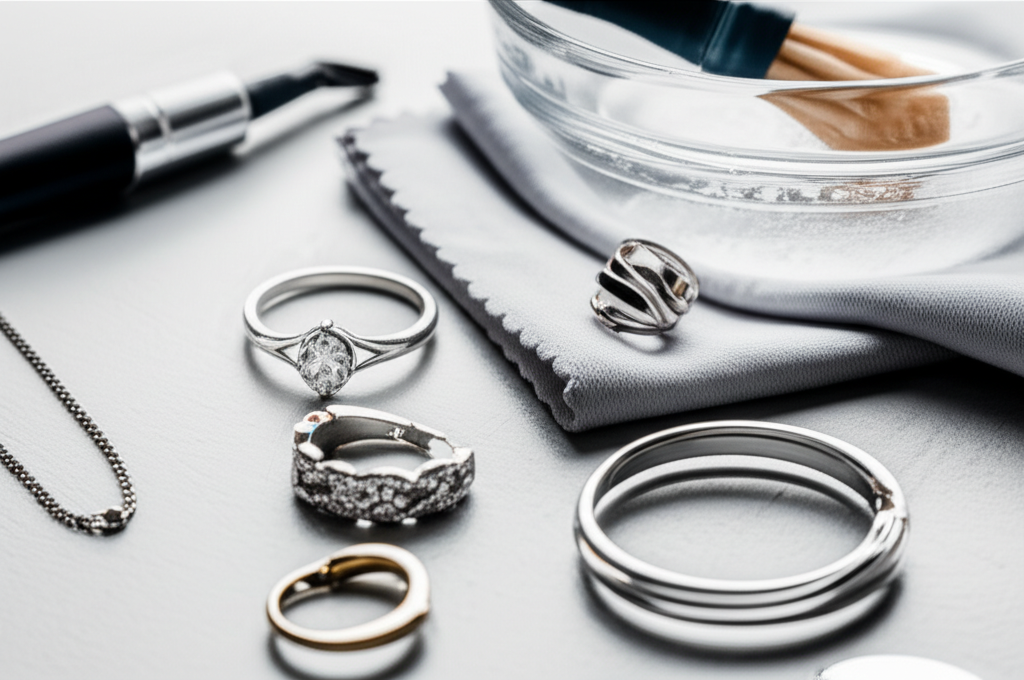
Gathering the right tools is the first step to a successful cleaning session. You likely already have many of these items in your home, making this a convenient DIY project. Having these readily available ensures a smooth and effective cleaning process for your cherished alloy pieces.
Here’s a list of what you’ll need:
Soft cloths: Microfiber cloths are ideal for gentle polishing without scratching.
Mild soap: Dish soap or a gentle hand soap works well.
Lukewarm water: The perfect temperature for dissolving dirt and grime.
Cotton swabs or soft brushes: For reaching intricate details and crevices.
Baking soda (optional): A mild abrasive for tougher tarnish.
Aluminum foil (optional): Used in conjunction with baking soda for a chemical reaction that lifts tarnish.
Jewelry polishing cloth (optional): Specifically designed for metal polishing.
Small bowl or container: To hold your cleaning solution.
The Gentle Soap and Water Method: Your Go-To for Everyday Grime
This is the safest and most fundamental method for cleaning most alloy jewelry, effectively removing everyday dirt and oils. It’s gentle enough for most finishes and requires only common household items, making it an accessible solution for routine maintenance.
Step-by-step guide:
1. Prepare the solution: Mix a few drops of mild dish soap with lukewarm water in a small bowl.
2. Soak the jewelry: Place your alloy jewelry in the soapy water and let it soak for about 10-15 minutes. This helps to loosen any accumulated dirt or oils.
3. Gentle scrubbing: Use a soft-bristled toothbrush or a cotton swab to gently scrub the jewelry, paying attention to nooks and crannies. Avoid vigorous scrubbing, which could damage the finish.
4. Rinse thoroughly: Rinse the jewelry under clean, lukewarm running water to remove all soap residue.
5. Dry completely: Pat the jewelry dry with a soft, lint-free cloth. Ensure it’s completely dry before storing to prevent water spots or further oxidation.
This method is excellent for maintaining the daily sheen of your alloy pieces without risking damage. It’s a quick and effective way to keep your jewelry looking its best with minimal effort.
Tackling Tarnish with Baking Soda: A Natural Abrasive Solution
For alloy jewelry that has developed a dullness or light tarnish, baking soda offers a gentle yet effective abrasive solution. Its mild alkaline nature helps to neutralize acidic tarnish, lifting it away without being overly harsh. This method is particularly useful for pieces that have lost their original shine due to oxidation.
How to use baking soda for cleaning:
1. Create a paste: Mix baking soda with a small amount of water to form a thick paste.
2. Apply the paste: Gently apply the paste to the tarnished areas of your alloy jewelry using a soft cloth or your fingers.
3. Gentle rubbing: Rub the paste onto the jewelry in a circular motion, focusing on tarnished spots. Use a soft brush for detailed areas.
4. Rinse and dry: Rinse the jewelry thoroughly under lukewarm water and dry completely with a soft cloth.
While effective, it’s important to use this method sparingly and with a light touch, as excessive rubbing with any abrasive can potentially wear down the finish over time. Always test on an inconspicuous area first if you’re unsure.
The Baking Soda and Aluminum Foil Method: A Chemical Approach to Tarnish Removal
This method leverages a chemical reaction to lift tarnish from alloy jewelry, particularly effective for more stubborn oxidation. By lining a bowl with aluminum foil and adding baking soda and hot water, you create an electrochemical process that transfers tarnish from the metal to the foil. It’s a fascinating and effective way to restore shine.
Steps for the foil and baking soda method:
1. Prepare the basin: Line a glass or ceramic bowl with aluminum foil, shiny side up.
2. Add baking soda: Sprinkle 1-2 tablespoons of baking soda into the foil-lined bowl.
3. Add hot water: Pour enough hot (not boiling) water into the bowl to cover your jewelry.
4. Submerge the jewelry: Carefully place your alloy jewelry pieces into the solution, ensuring they make contact with the aluminum foil. You may hear a slight fizzing sound as the reaction occurs.
5. Soak: Let the jewelry soak for 5-10 minutes. For heavily tarnished items, you might need a slightly longer soak, but monitor it closely.
6. Remove and rinse: Using tongs or a wooden spoon (avoid metal), carefully remove the jewelry from the solution. Rinse it thoroughly under cool running water.
7. Dry and polish: Dry the jewelry completely with a soft, lint-free cloth and polish for extra shine.
This method is generally safe for most alloys, but avoid it for jewelry with glued stones, pearls, or porous gemstones, as the heat and chemical reaction could cause damage. For more on jewelry care, explore The Jewelry Council’s guide.
Using Toothpaste for a Quick Shine (with Caution)
While often cited as a quick fix, using toothpaste to clean alloy jewelry requires extreme caution. Toothpaste contains mild abrasives that can help remove tarnish, but these can also scratch the surface of your jewelry, especially if it has a plated or delicate finish. If you choose to use toothpaste, opt for a plain white, non-gel variety without whitening agents or crystals.
How to use toothpaste carefully:
1. Choose the right toothpaste: Select a basic, white paste-only toothpaste.
2. Apply sparingly: Squeeze a tiny amount onto a damp, soft cloth or cotton swab.
3. Gentle rubbing: Rub the jewelry very gently, focusing on tarnished areas. Avoid vigorous scrubbing.
4. Rinse and dry: Rinse the jewelry thoroughly with water and dry it completely with a soft cloth.
It’s best to reserve this method for non-precious alloys and only when other gentle methods haven’t fully restored the shine. Always test on an inconspicuous spot first to ensure it doesn’t damage the finish.
Cleaning Specific Alloy Types and Finishes
Different alloy compositions and finishes require tailored cleaning approaches to maintain their integrity and appearance. Understanding these nuances can prevent accidental damage and ensure the best results.
Plated Alloy Jewelry

Plated alloy jewelry has a thin layer of a more precious metal (like rhodium, gold, or silver) over a base alloy. Harsh chemicals or abrasive scrubbing can easily wear away this plating, revealing the base metal underneath and potentially causing discoloration.
Best methods: Stick to the gentle soap and water method. Use a soft cloth and avoid any scrubbing.
What to avoid: Baking soda pastes, toothpaste, abrasive cloths, ultrasonic cleaners, and harsh chemical cleaners.
Oxidized or Antiqued Finishes
Some alloy jewelry is intentionally treated to create an antique or oxidized look, often achieved by darkening crevices to create contrast. Aggressive cleaning can remove this intentional darkening, altering the intended aesthetic.
Best methods: Gentle soap and water are usually sufficient. A very soft brush can be used to clean raised surfaces, but avoid scrubbing the darkened areas.
What to avoid: Any method that involves significant abrasion or chemical stripping, as this will remove the antiqued finish.
Jewelry with Adornments (Stones, Pearls, Enamel)
Alloy jewelry often features gemstones, pearls, enamel, or other decorative elements. These additions require special care, as they can be sensitive to cleaning solutions, heat, or agitation.
Best methods: For jewelry with stones, use a soft brush dipped in mild soapy water to clean around the settings, then rinse and dry carefully. For pearls, use only a slightly damp cloth and avoid soaking.
What to avoid: Ultrasonic cleaners, steam cleaners, harsh chemicals, and prolonged soaking, as these can damage glues, loosen stones, or affect porous materials like pearls.
What NOT to Use on Alloy Jewelry
Just as important as knowing what to use is understanding what to avoid to protect your alloy jewelry. Certain cleaning agents and tools can cause irreversible damage, turning a simple cleaning task into a costly repair. Always err on the side of caution, especially with delicate or valuable pieces.
Here are some common cleaning agents and tools to steer clear of:
Harsh Chemicals: Bleach, ammonia, acetone (nail polish remover), and strong household cleaners can react with the alloy metals, causing discoloration, pitting, or corrosion.
Abrasive Cleaners: Scouring powders, abrasive pastes (other than carefully used baking soda), and steel wool will scratch and damage the surface finish.
Ultrasonic Cleaners: While effective for some jewelry, the vibrations can loosen stones, damage delicate settings, or affect plated finishes on alloy jewelry.
Toothpaste with Harsh Additives: Whitening toothpastes, those with gritty particles, or gels can be too abrasive.
Rough Cloths: Paper towels or rough fabrics can cause micro-scratches.
When in doubt, always test a cleaning method on a small, inconspicuous area of the jewelry first. If the jewelry is particularly valuable or has intricate gemstones, consulting a professional jeweler is the safest bet.
Storing Your Alloy Jewelry Properly
Proper storage is key to preventing tarnish and damage between cleanings. By taking a few simple precautions, you can significantly extend the life and beauty of your alloy jewelry. Keeping it protected from the elements and physical damage is crucial for maintaining its shine.
Best storage practices:
Airtight containers: Store jewelry in small, airtight plastic bags or jewelry boxes to minimize exposure to air and moisture.
Separate pieces: Keep individual pieces in separate compartments or bags to prevent scratching and tangling.
Avoid humidity: Store jewelry in a cool, dry place, away from bathrooms or steamy kitchens.
Anti-tarnish strips: Consider using anti-tarnish strips in your jewelry box for added protection against oxidation.
Following these storage tips will help keep your alloy jewelry looking its best, reducing the frequency of cleaning needed.
When to Seek Professional Cleaning
While most alloy jewelry can be cleaned at home, there are instances where professional intervention is the best course of action. If your jewelry is particularly intricate, features delicate gemstones, has a valuable plating, or if you’re hesitant about DIY cleaning, a jeweler can provide expert care.
Consider professional cleaning if:
The jewelry has sentimental or significant monetary value.
It features porous gemstones, pearls, or intricate settings.
DIY cleaning attempts have been unsuccessful or you’re worried about causing damage.
* The alloy has a special finish that requires expert handling.
A professional jeweler has the specialized tools and knowledge to clean your alloy jewelry safely and effectively, restoring its brilliance without risking damage. They can also inspect your jewelry for any loose stones or potential issues.
Frequently Asked Questions About Cleaning Alloy Jewelry
Here are answers to common questions about keeping your alloy jewelry sparkling clean.
Can I use silver polish on alloy jewelry?
It’s generally not recommended. Silver polish is designed for sterling silver and can be too abrasive or chemically reactive for many alloys, potentially damaging the finish or causing discoloration. Stick to methods specifically recommended for alloy metals.
How often should I clean my alloy jewelry?
The frequency depends on how often you wear it and the conditions it’s exposed to. For everyday wear, a quick wipe with a soft cloth after use is good. A more thorough cleaning with soap and water can be done every few weeks or whenever it looks dull or dirty.
Will cleaning damage my plated alloy jewelry?
Yes, aggressive cleaning methods can damage plated alloy jewelry. Always use the gentlest methods, like a soft cloth and mild soap, and avoid abrasive materials or harsh chemicals that can strip the plating.
My alloy jewelry turned my skin green. What causes this and how can I clean it?
The green discoloration is typically caused by a reaction between the alloy’s copper content and your skin’s natural oils or sweat, especially in humid conditions. Cleaning the jewelry thoroughly with mild soap and water, as outlined above, can help remove the residue causing the reaction. Proper storage and avoiding wearing the jewelry during strenuous activity or in high humidity can also minimize this issue.
Can I use rubbing alcohol to clean alloy jewelry?
Rubbing alcohol can be used sparingly for disinfection or to remove sticky residue, but it’s not ideal for general cleaning or tarnish removal. Its drying properties might also affect certain finishes or adhesives if present. Always follow up with a rinse and thorough drying.
Conclusion: Effortless Shine for Your Alloy Treasures
Keeping your alloy jewelry looking its best doesn’t require a lot of fuss or specialized products. By understanding the best methods for how to clean alloy jewelry, you can easily maintain its shine and beauty. From the simple soap and water wash to more targeted approaches for tarnish, these techniques are designed to be safe, effective, and accessible. Remember to handle your pieces with care, especially those with delicate finishes or added adornments. With a little regular attention, your favorite alloy pieces will continue to add sparkle to your style for years to come.
