


Published on: September 8, 2025 | Updated on: September 8, 2025
Restore the gleam to your cherished bronze jewelry with simple, effective cleaning methods that promise stunning results, keeping your pieces looking their best without harsh chemicals or damage.
Bronze jewelry, with its warm, rich hue, is a timeless accessory that can unfortunately tarnish over time. This happens due to oxidation, where the copper and tin in the alloy react with air and moisture. But don’t worry, bringing back its original shine is entirely achievable with the right techniques. We’ll guide you through essential methods, from gentle home remedies to more specific care, ensuring your bronze pieces look as stunning as the day you got them. Get ready to rediscover the brilliance of your collection.
Why Does Bronze Jewelry Tarnish and How to Prevent It
Tarnishing on bronze jewelry is a natural chemical reaction. Exposure to air, humidity, lotions, perfumes, and even sweat accelerates the oxidation process, leading to a dull, discolored surface. Understanding these causes is the first step to effective cleaning and prevention. By minimizing exposure to tarnish-inducing elements, you can significantly extend the time between cleanings and keep your bronze looking its best.
The primary culprit behind bronze tarnish is oxidation. When copper, a key component of bronze, comes into contact with sulfur compounds in the air, it forms copper sulfide, which appears as a dark or greenish layer on the surface. This process is natural but can be frustrating for jewelry owners. Avoiding prolonged contact with moisture and harsh chemicals is key to slowing down this natural aging process.
Essential Tools and Supplies for Cleaning Bronze Jewelry
Before diving into the cleaning process, gather a few essential items. Having everything ready ensures a smooth and efficient cleaning session. These are generally common household items, making the process accessible and cost-effective for everyone. You won’t need specialized, expensive equipment to achieve fantastic results.
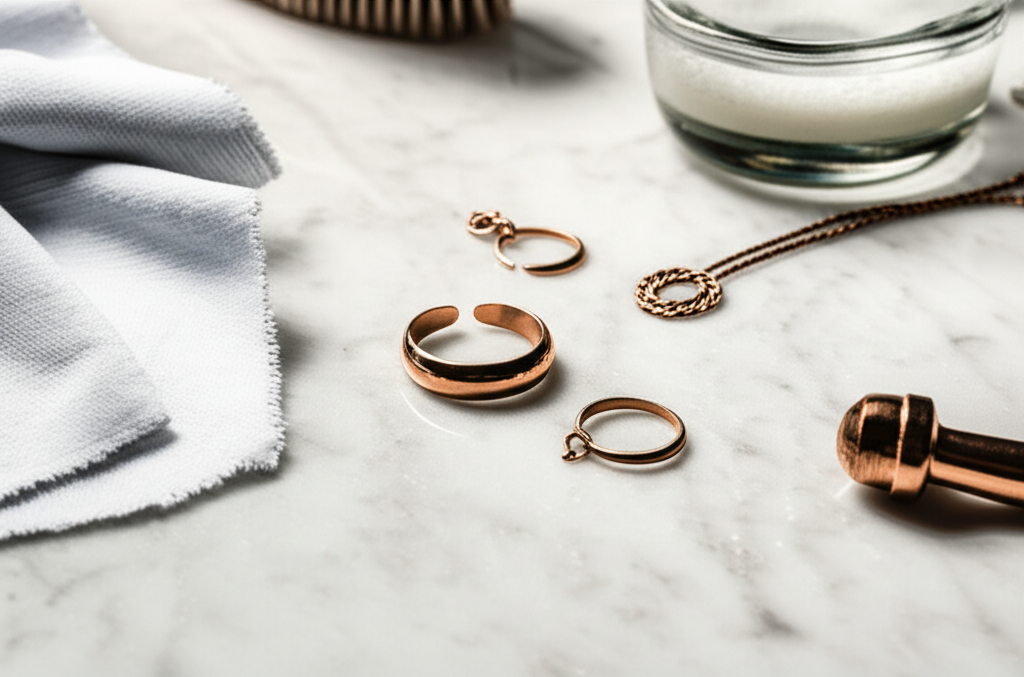
You’ll need a few key supplies to get started. This includes a soft microfiber cloth for polishing, mild dish soap, warm water, and optional natural cleaning agents like lemon juice or baking soda. For tougher tarnish, a specialized bronze cleaner might be considered, but always start with the gentlest methods. A small, soft-bristled brush, like an old toothbrush, can also be helpful for intricate details.
Gentle Home Remedies: The First Line of Defense
When your bronze jewelry starts to lose its luster, the first approach should always be gentle. Harsh chemicals can damage the patina or even the metal itself. Fortunately, many effective cleaning solutions can be found right in your kitchen. These methods are safe, affordable, and surprisingly effective for everyday tarnish.
One of the simplest and most effective methods involves warm water and mild dish soap. Create a solution of warm water and a few drops of dish soap in a small bowl. Submerge your bronze jewelry for a few minutes, then gently scrub with a soft cloth or a soft-bristled brush. Rinse thoroughly with clean water and dry completely with a soft, lint-free cloth. This process removes surface dirt and light tarnish.
The Baking Soda and Water Paste Method for Deeper Cleaning
For slightly more stubborn tarnish, a paste made from baking soda and water can work wonders. Baking soda is a mild abrasive that can lift away oxidation without scratching the bronze surface. It’s a widely recommended DIY solution for restoring shine to various metals. Always test this method on an inconspicuous area first.
To create the paste, mix equal parts baking soda and water until it forms a thick, spreadable consistency. Apply the paste to your bronze jewelry using your fingers or a soft cloth. Gently rub the paste over the tarnished areas, paying attention to crevices. Allow the paste to sit for a few minutes, then rinse thoroughly under warm water and dry completely with a microfiber cloth.
Lemon Juice: A Natural Acid for Brightening Bronze
Lemon juice, with its natural acidity, is another excellent home remedy for brightening bronze jewelry. The citric acid helps to break down the tarnish layers, revealing the brighter metal underneath. This method is particularly effective for bringing back the warm glow of bronze. Be cautious, as prolonged exposure to acid can etch certain metals, so use this method sparingly and with care.
Cut a lemon in half and dip a soft cloth into the juice. Gently rub the lemon juice onto the tarnished areas of your bronze jewelry. For more intense tarnish, you can sprinkle a little salt onto the lemon-dipped cloth before rubbing, as the salt acts as a mild abrasive. After a minute or two, rinse the jewelry thoroughly with warm water and dry it completely.
Using Specialized Bronze Cleaners: When Home Remedies Aren’t Enough
While home remedies are often sufficient, sometimes tarnish can be more persistent. In such cases, a commercially available bronze cleaner might be necessary. These cleaners are specifically formulated to tackle tougher oxidation without damaging the metal. It’s crucial to choose a reputable brand and follow the product’s instructions precisely to avoid any adverse effects.
When selecting a bronze cleaner, look for products that are specifically designed for jewelry or brass and bronze. Always read the ingredients list and customer reviews. Some cleaners are more aggressive than others, so understanding your jewelry’s composition and the cleaner’s formulation is important. Always test the cleaner on a small, hidden area first.
How to Use Commercial Bronze Cleaners Safely and Effectively
Using commercial bronze cleaners requires careful attention to detail. These products often contain chemicals that can be harsh if not handled properly. Always work in a well-ventilated area and wear gloves to protect your skin. Following the manufacturer’s instructions is paramount for both safety and achieving the best results.
Before applying any commercial cleaner, ensure your jewelry is clean of any dirt or oils by washing it with mild soap and water. Apply a small amount of the cleaner to a soft cloth, not directly onto the jewelry. Gently rub the tarnished areas, working in one direction if possible. Rinse the jewelry thoroughly with water immediately after cleaning and dry it completely with a soft cloth.
Polishing Your Bronze Jewelry for a Lasting Shine
After cleaning, polishing is the final step to achieve that stunning, lasting shine. Polishing not only enhances the brilliance of your bronze but also helps to create a smoother surface that is less prone to future tarnishing. A good polish can make a world of difference in how your jewelry looks and feels. Invest a little time here for maximum impact.
Use a soft, lint-free polishing cloth specifically designed for jewelry. Gently buff the entire surface of your bronze jewelry in a circular motion. For intricate designs, a jewelry polishing mitt or a very soft brush can help reach all the nooks and crannies. Continue polishing until you achieve the desired level of shine. Avoid using abrasive cloths or paper towels, as these can cause scratches.
Maintaining Your Cleaned Bronze Jewelry: Tips for Longevity
Keeping your bronze jewelry looking its best after cleaning involves a few simple maintenance practices. The goal is to minimize exposure to the elements that cause tarnish in the first place. Implementing these habits will significantly reduce how often you need to clean your pieces, allowing you to enjoy them more.
Store your cleaned bronze jewelry in a dry, airtight environment. Small jewelry boxes with individual compartments or velvet pouches are ideal. Consider using anti-tarnish strips or silica gel packets in your storage containers to absorb moisture and sulfur compounds. Avoid storing bronze jewelry with other metals, as this can accelerate tarnishing.
Special Considerations for Patinated Bronze Jewelry
Patinated bronze jewelry has a deliberate, often dark, finish applied to create an antique or artistic look. This patina is a controlled oxidation and is very delicate. Aggressive cleaning methods can strip away this intended finish, permanently altering the appearance of your piece. Always identify if your bronze jewelry has a patina before cleaning.
If your piece is intentionally patinated, avoid using any abrasive cleaners, lemon juice, or baking soda pastes. Stick to very gentle cleaning with a soft, dry cloth to remove dust. If there’s light tarnish on un-patinated areas, you might be able to use a very mild soap and water solution, but test it on an inconspicuous spot first. For significant issues with patinated bronze, consulting a professional jeweler is often the safest bet.
When to Seek Professional Help for Bronze Jewelry Cleaning
While most bronze jewelry can be cleaned at home, some situations warrant professional attention. If your jewelry is exceptionally valuable, antique, or features intricate settings with gemstones, a professional jeweler has the expertise and specialized tools to clean it safely. They can also assess any damage and advise on proper care.
For pieces with significant damage, deep-set tarnish that won’t budge with home remedies, or if you’re unsure about the metal’s composition or finish, a jeweler is your best resource. They can offer professional cleaning services that go beyond DIY methods, ensuring your precious items are handled with the utmost care and expertise. Don’t risk damaging a valuable heirloom.
Frequently Asked Questions About Cleaning Bronze Jewelry
Can I use toothpaste to clean bronze jewelry?

It’s generally not recommended to use toothpaste on bronze jewelry. Toothpaste contains abrasive ingredients that can scratch the surface and damage the metal or any patina. Stick to gentler, more controlled cleaning agents like mild soap or baking soda paste.
How often should I clean my bronze jewelry?
The frequency of cleaning depends on how often you wear the jewelry and the environmental conditions. If worn daily, you might need to clean it every few weeks to months. If stored and worn occasionally, cleaning might only be needed once or twice a year.
Will cleaning remove the antique look of my bronze jewelry?
If your bronze jewelry has a deliberate antique patina, aggressive cleaning can indeed remove it. Always identify if your piece has a patina. For patinated items, use only a dry, soft cloth for dusting and avoid harsh cleaners.
Can I use vinegar to clean bronze jewelry?
Vinegar is acidic and can be used for cleaning bronze, similar to lemon juice. Mix equal parts white vinegar and water, soak the jewelry for a short period (no more than 10-20 minutes), then scrub gently and rinse thoroughly. However, always test on an inconspicuous area first, as it can be too harsh for some finishes.
Is it safe to clean bronze jewelry with ketchup?
Some people use ketchup as a mild acidic cleaner due to its tomato content. Apply a thin layer, let it sit for a few minutes, then rinse and dry. While it can work for light tarnish, it’s less controlled than lemon juice or baking soda and might leave a residue if not rinsed thoroughly.
What is the best way to dry bronze jewelry after cleaning?
Always dry your bronze jewelry completely after cleaning. Use a soft, lint-free microfiber cloth. Ensure all moisture is removed, especially from crevices, to prevent water spots and further tarnishing.
Conclusion: Sparkling Bronze Jewelry, Effortlessly Achieved
Mastering how to clean bronze jewelry is an essential skill for any enthusiast. By employing gentle home remedies like soap and water, baking soda paste, or lemon juice, you can effectively combat tarnish and restore the natural beauty of your pieces. For more challenging cases, specialized bronze cleaners offer a powerful solution when used with care. Remember that proper storage and maintenance are key to prolonging the shine between cleanings. With these straightforward methods, you can ensure your bronze jewelry remains a stunning part of your collection for years to come, always looking its radiant best.
