


Published on: September 2, 2025 | Updated on: September 2, 2025
Clean your jewelry with vinegar using these genius, effective tips for a sparkling shine. Discover the best methods for different types of jewelry and avoid common mistakes.
Tired of dull, tarnished jewelry? Many of us have a bottle of white vinegar sitting in our kitchen, unaware of its incredible cleaning power for precious metals. It’s a budget-friendly, natural solution that can restore the gleam to your favorite rings, necklaces, and earrings. But how exactly do you use it safely and effectively? This guide will walk you through the simple steps, ensuring your jewelry looks as good as new without any harsh chemicals.
Why Vinegar is Your Secret Jewelry Cleaning Weapon
Vinegar, specifically white vinegar, is a powerhouse for cleaning jewelry due to its acetic acid content. This acid is effective at breaking down tarnish, grime, and residue that dulls your precious metals. It’s a natural disinfectant and a readily available household staple, making it an accessible and eco-friendly option for keeping your accessories sparkling.
The Science Behind Vinegar’s Shine

Acetic acid in white vinegar reacts with the oxidized layer that forms on metals like silver and copper, effectively dissolving the tarnish. This chemical reaction lifts away the discoloration, revealing the bright, shiny metal underneath. It’s a gentler alternative to abrasive cleaners that can scratch delicate pieces.
Common Jewelry Cleaning Mistakes to Avoid
One common mistake is using vinegar on porous gemstones or certain metals like pearls and emeralds, as the acid can damage them. Another pitfall is leaving jewelry to soak for too long, which can also lead to damage. Always rinse thoroughly after cleaning to remove any residual vinegar.
Getting Started: What You’ll Need
Before you dive in, gather a few essential items to make the process smooth and effective. Having everything ready ensures you can clean your jewelry efficiently and safely.
Essential Supplies for Vinegar Jewelry Cleaning
You’ll need white vinegar, a small bowl, a soft-bristled toothbrush, a microfiber cloth, and a small container of water for rinsing. For tougher tarnish, you might also want a small amount of baking soda. These simple tools are likely already in your home.
Choosing the Right Vinegar
White vinegar is the go-to for jewelry cleaning. Avoid apple cider vinegar or balsamic vinegar, as their darker colors and added ingredients can stain your jewelry. Stick to plain, distilled white vinegar for the best and safest results.
How to Clean Silver Jewelry with Vinegar
Silver is prone to tarnishing, and vinegar is a fantastic natural remedy. This method is straightforward and remarkably effective at bringing back the shine.
Step-by-Step: Vinegar Cleaning for Silver
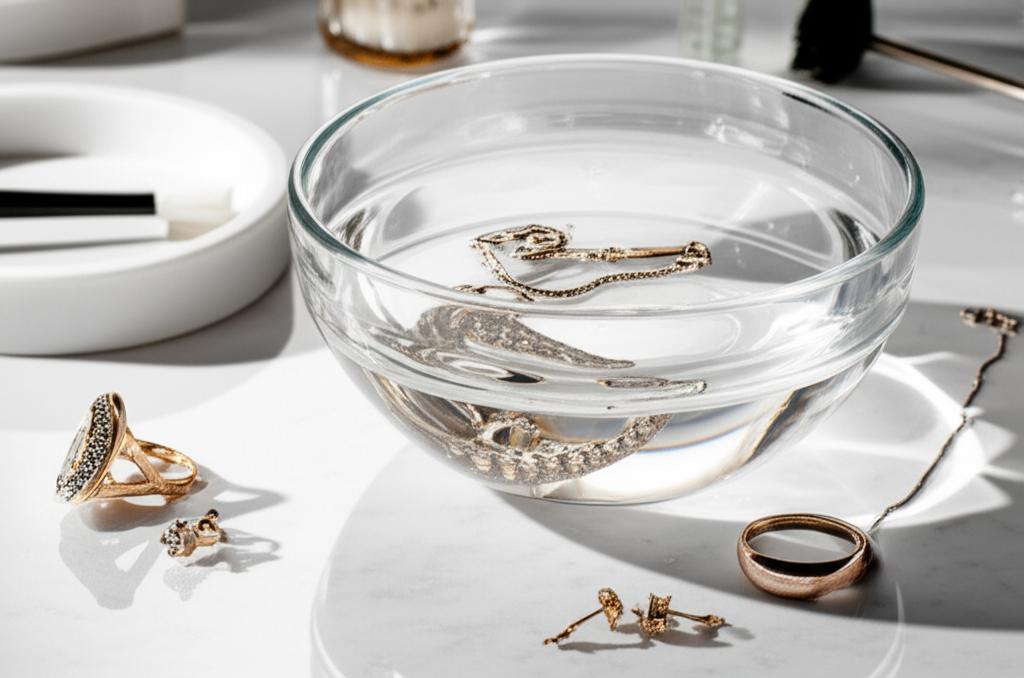
1. Prepare the Solution: Mix equal parts white vinegar and water in a small bowl.
2. Soak Your Silver: Submerge your silver jewelry in the solution for no more than 10 minutes.
3. Gentle Scrubbing: Use a soft-bristled toothbrush to gently scrub away any remaining tarnish, paying attention to intricate details.
4. Rinse Thoroughly: Rinse your silver jewelry under cool running water.
5. Dry and Buff: Pat your jewelry dry with a soft microfiber cloth and buff it to a brilliant shine.
Vinegar and Baking Soda Paste for Stubborn Tarnish
For silver with heavy tarnish, a paste made from baking soda and white vinegar can be incredibly effective. Mix them until they form a thick paste, apply it to the tarnished areas with a soft cloth or toothbrush, let it sit for a few minutes, then gently scrub and rinse. This combination offers a slightly more abrasive action to tackle tougher spots.
Cleaning Gold Jewelry with Vinegar
Gold jewelry, especially pure gold, is quite durable, but even it can lose its luster over time. Vinegar can help restore its sparkle, but caution is advised for gold with gemstones.
Vinegar Soak for Gold Jewelry
Create a solution of one part white vinegar to two parts warm water. Soak your gold jewelry for about 10 minutes. Afterward, use a soft toothbrush to gently clean any crevices and rinse thoroughly with water. Dry and polish with a soft cloth.
Important Considerations for Gold Jewelry
Be cautious with gold jewelry that has stones or intricate settings. While vinegar is generally safe for gold itself, the acid might affect certain adhesives or porous gemstones. Always test on an inconspicuous area first if you’re unsure.
Other Metals and What to Know
Vinegar can be used on various metals, but it’s crucial to know which ones are safe and which to avoid. Understanding metal properties prevents accidental damage.
Cleaning Brass and Copper with Vinegar
Brass and copper also tarnish readily, and white vinegar is an excellent solution for them. The process is similar to cleaning silver: a vinegar and water soak, gentle scrubbing, rinsing, and drying. You’ll be amazed at how quickly the tarnish disappears.
Metals to Avoid with Vinegar Cleaning
Avoid using vinegar on plated jewelry, as it can strip the plating. Also, steer clear of porous gemstones like pearls, opals, turquoise, and coral, as the acid can etch or dull their surfaces. Always check your jewelry’s care instructions if possible.
Tips for Enhancing the Shine and Longevity
Beyond the basic cleaning, a few extra steps can ensure your jewelry remains beautiful and well-maintained. These habits will keep your treasured pieces looking their best.
The Power of a Gentle Buff
After rinsing and drying, a final buff with a soft microfiber cloth is essential. This not only removes any lingering moisture but also brings out an incredible shine, making your jewelry gleam. A good microfiber cloth is a must-have accessory for any jewelry owner.
Proper Storage for Maintained Shine
Store your clean jewelry separately in soft pouches or jewelry boxes to prevent scratching and tarnishing. Keeping pieces from rubbing against each other will help maintain their pristine condition for longer. Proper storage is key to long-term jewelry care.
When to Seek Professional Cleaning
While vinegar is a fantastic DIY solution, some situations call for professional expertise. Knowing when to hand over your precious items can save them from potential damage.
Handling Delicate or Heavily Embellished Pieces
If your jewelry features delicate settings, intricate filigree, or valuable gemstones, it’s often best to consult a professional jeweler. They have specialized tools and knowledge to clean these pieces safely without risking damage. A professional cleaning ensures the safety of your most treasured items.
Dealing with Unknown Metal Types or Severe Damage
If you’re unsure about the metal composition of your jewelry or if it has significant damage or corrosion, a jeweler can properly assess and clean it. They can also identify any issues that DIY methods might worsen. Trusting a professional for complex cases is always wise.
Pros and Cons of Using Vinegar for Jewelry Cleaning
Like any cleaning method, vinegar has its advantages and disadvantages. Understanding these helps you make informed decisions about your jewelry care.
Advantages of Vinegar Cleaning
Cost-Effective: White vinegar is inexpensive and readily available.
Natural: It’s a chemical-free alternative to commercial cleaners.
Effective: It’s highly effective at removing tarnish from many metals.
Eco-Friendly: A more environmentally conscious choice.
Disadvantages and Precautions
Can Damage Certain Materials: Not suitable for pearls, opals, turquoise, coral, or plated jewelry.
Requires Dilution: Undiluted vinegar can be too harsh.
Rinsing is Crucial: Residual vinegar can cause damage over time.
Not for All Jewelry: Some delicate or antique pieces may require professional care.
Frequently Asked Questions (FAQs)
Can I use vinegar to clean all types of jewelry?
No, you should not use vinegar on porous gemstones like pearls, opals, turquoise, or coral. It’s also not recommended for plated jewelry, as it can strip the plating. Always check the material of your jewelry before cleaning.
How long should I soak my jewelry in vinegar?
For most metals like silver and gold, soaking for 5-10 minutes is usually sufficient. Over-soaking can potentially damage the metal or any attached stones.
What if my jewelry is still tarnished after using vinegar?
If tarnish persists, you can try a baking soda and vinegar paste for a slightly more abrasive clean. For very stubborn tarnish or delicate pieces, professional cleaning might be necessary.
Can I use vinegar on costume jewelry?
It’s generally best to avoid using vinegar on costume jewelry, especially if it’s plated or has glued-on stones. The chemicals in vinegar can damage the plating and adhesives, leading to discoloration or stones falling out.
How often can I clean my jewelry with vinegar?
You can clean your jewelry with vinegar as needed when it starts to look dull or tarnished. However, avoid doing it too frequently, as repeated exposure to acid, even diluted, can weaken metals over time. Once a month or less is often a good guideline.
Conclusion: Sparkling Jewelry Made Simple with Vinegar
Mastering how to clean jewelry with vinegar is a simple yet powerful skill for any jewelry owner. This natural, affordable method can revive the brilliance of your favorite pieces, from silver necklaces to gold rings. Remember to always identify your jewelry’s materials and avoid porous stones or plated items to prevent damage. By following these steps and precautions, you can keep your jewelry looking its absolute best, making it a go-to solution for everyday shine. Embrace this genius, effective tip and enjoy your dazzling accessories!
