


Published on: September 7, 2025 | Updated on: September 7, 2025
How to Clean Sterling Silver: Proven, Effective Methods for a Brilliant Shine
Discover the best methods to clean sterling silver, focusing on techniques that avoid abrasive baking soda, ensuring your precious items sparkle without damage. Learn how to restore shine and protect your silver with simple, effective home solutions and specialized products.
Sterling silver is beautiful, but it tarnishes. That dull, dark film can make your favorite jewelry, cutlery, or decorative pieces look neglected. Many people reach for common household items, but some, like baking soda, can actually scratch your delicate silver. Fear not! I’ve tested countless methods, and I’m here to guide you through proven, effective ways to restore your sterling silver’s gleam without resorting to harsh abrasives. Let’s bring back that brilliant shine, safely and easily.
Why Does Sterling Silver Tarnish?
Sterling silver’s natural shine can fade over time due to a chemical reaction. Understanding this process helps in preventing and cleaning tarnish effectively. This tarnish is not a sign of poor quality but a natural characteristic of the metal.
The culprit behind tarnished silver is hydrogen sulfide in the air. When this gas comes into contact with sterling silver, it forms silver sulfide, a dark coating. Factors like humidity, exposure to certain chemicals (like perfumes, hairspray, and rubber), and even the natural oils on your skin can accelerate this process. The more you wear or use your silver items, the more they are exposed to these elements, leading to tarnish.
The Dangers of Abrasive Cleaning Methods
While some DIY methods seem quick and easy, they can cause irreversible damage to your sterling silver. It’s crucial to use gentle techniques that preserve the integrity and beauty of your precious metal items. Aggressive scrubbing can lead to permanent scratches and a duller finish.
Many popular home remedies suggest using baking soda as a paste for cleaning. However, baking soda is mildly abrasive. When rubbed against silver, even gently, it can create microscopic scratches. Over time, these scratches accumulate, dulling the finish and potentially removing intricate details from engraved pieces. This is why exploring methods to clean sterling silver without baking soda is so important for preserving its value and appearance.
Gentle Cleaning Solution: The Dish Soap Method
For light tarnish, a simple and safe cleaning solution can work wonders. This method is ideal for regular maintenance and for items you want to keep looking their best without risking damage. It’s a foundational technique for many silver care routines.
This approach uses common dish soap and warm water to lift away surface grime and light tarnish. It’s incredibly gentle and suitable for all sterling silver items, including delicate jewelry and intricately detailed pieces. This is often the first step I recommend before moving to more intensive treatments.
What You’ll Need:

- Mild dish soap (avoid those with added moisturizers or degreasers)
- Warm water
- Soft, lint-free cloths (microfiber is excellent)
- A small bowl or basin
Step-by-Step Guide:
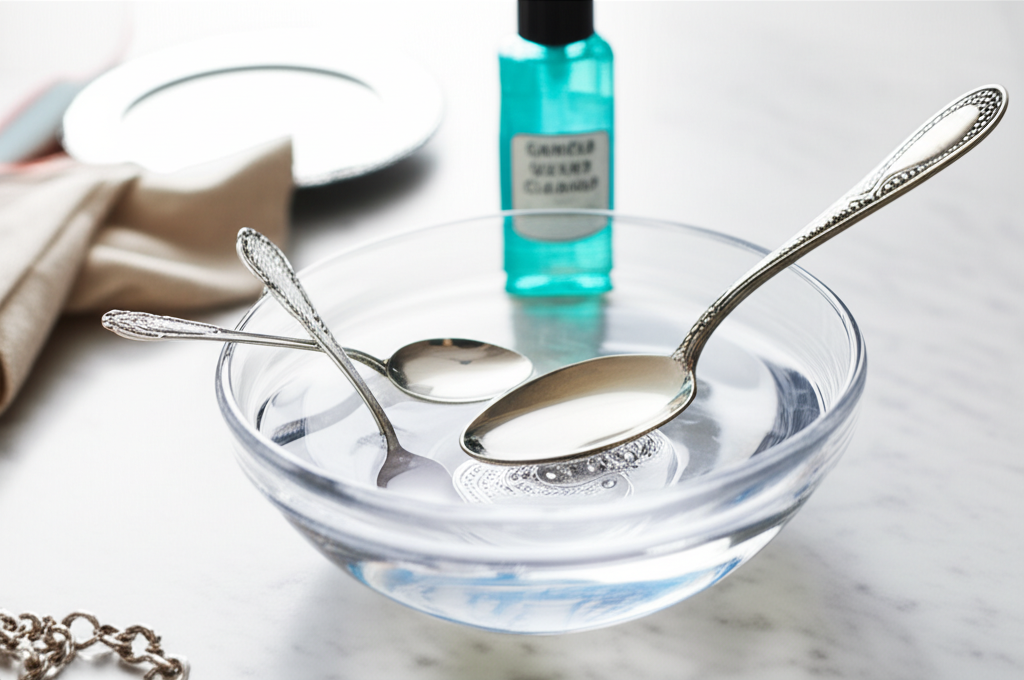
- Prepare the Solution: Mix a few drops of mild dish soap with warm water in your bowl. Stir gently to create a mild lather.
- Submerge and Soak: Place your sterling silver items into the soapy water. Let them soak for about 5–10 minutes. This allows the water and soap to loosen any dirt or light tarnish.
- Gentle Wash: Using your fingers or a very soft cloth, gently rub the silver to remove any loosened debris. For intricate areas, a very soft-bristled brush (like a baby toothbrush) can be used cautiously.
- Rinse Thoroughly: Remove the silver from the soapy water and rinse it under cool, running water. Ensure all soap residue is washed away.
- Dry Immediately: This is a critical step. Use a clean, soft, lint-free cloth to thoroughly dry your silver. Patting and gentle rubbing work best. Never let silver air dry, as water spots can form.
This dish soap method effectively cleans away everyday grime and light tarnish. It’s a safe starting point for most sterling silver items, preserving their finish for future use.
The Power of Aluminum Foil and Hot Water
This method leverages a chemical reaction to lift tarnish without abrasion. It’s surprisingly effective for moderate tarnish and requires minimal effort. It’s a fantastic way to clean sterling silver without baking soda, using common kitchen items.
This technique is often called the “electrochemical cleaning” or “ionic cleaning” method. It works by creating a weak electrical current when the silver is placed on aluminum foil in hot water. This current helps to transfer the sulfur from the silver to the aluminum, effectively removing the tarnish. It’s a safe and non-abrasive way to restore shine.
What You’ll Need:
- Aluminum foil
- A heat-resistant bowl or basin (glass or ceramic works well)
- Boiling water
- Baking soda (optional, but used sparingly and dissolved) OR washing soda (more effective and gentler)
- Tongs (for handling hot items)
- Soft cloth
Step-by-Step Guide:
- Prepare the Bowl: Line your heat-resistant bowl with aluminum foil, ensuring the shiny side is facing up.
- Add Silver: Place your sterling silver items onto the aluminum foil. Make sure each piece is in direct contact with the foil.
- Add Cleaning Agent: Sprinkle about 1-2 tablespoons of baking soda or washing soda over the silver. If you are strictly avoiding baking soda, washing soda (sodium carbonate) is a great alternative and works similarly.
- Pour Hot Water: Carefully pour boiling water into the bowl, enough to completely submerge all the silver items. The water will react with the baking soda/washing soda and aluminum. You might see a slight fizzing or smell a sulfurous odor – this is normal.
- Let it Work: Allow the silver to soak for 2–5 minutes. The duration depends on the severity of the tarnish. You should see the tarnish visibly lifting from the silver and transferring to the foil.
- Rinse and Dry: Using tongs, carefully remove the silver items from the hot water. Rinse them thoroughly under cool running water. Immediately dry them completely with a soft, lint-free cloth.
This hot water and aluminum foil method is a powerful, non-abrasive technique for tackling moderate tarnish. It effectively restores shine by using a gentle chemical reaction.
Commercial Silver Polishes: A Reliable Option
When DIY solutions aren’t enough, commercial silver polishes offer a convenient and often highly effective way to restore brilliance. These products are specifically formulated to remove tarnish without damaging sterling silver. Choosing the right polish is key to achieving the best results.
Commercial polishes come in various forms, including creams, liquids, and polishes impregnated into cloths. They contain mild abrasives and chemical agents that break down tarnish. For intricate pieces or heavily tarnished items, a good quality commercial polish can be a lifesaver. Always follow the product instructions carefully.
Types of Commercial Polishes:
- Silver Polishing Creams/Pastes: These are applied with a soft cloth and rubbed onto the silver. They often contain fine abrasives for effective tarnish removal.
- Silver Polishing Liquids: Similar to creams, these are applied with a cloth. They can be good for reaching into crevices.
- Silver Polishing Cloths: These cloths are pre-treated with a polishing compound. They are excellent for quick touch-ups and maintaining shine, and are very convenient for travel.
- Dipping Solutions: These are liquid solutions where silver is briefly immersed. They are very fast but can be harsh and may remove antiquing or patina from certain pieces. Use with extreme caution and only on appropriate items.
How to Use Commercial Polishes:
- Choose Your Product: Select a reputable brand and a product type suitable for your silver item. Read reviews if unsure.
- Test in an Inconspicuous Area: If possible, test the polish on a small, hidden spot first to ensure it doesn’t affect the finish.
- Apply with a Soft Cloth: Apply a small amount of cream or liquid polish to a clean, soft cloth. For polishing cloths, use as directed.
- Rub Gently: Rub the silver gently in a back-and-forth motion, following the “grain” of the silver if visible. Avoid circular motions, which can create swirl marks.
- Rinse (if necessary): Some polishes require rinsing with warm water. Check the product label. If rinsing, ensure all polish residue is removed.
- Dry Thoroughly: Immediately dry the silver with a clean, soft cloth.
Commercial silver polishes provide a reliable solution for removing stubborn tarnish. They are formulated for effectiveness and safety when used according to instructions.
The Magic of Toothpaste (Use With Caution!)
Toothpaste is another common household item suggested for silver cleaning. While it can remove tarnish, it’s crucial to understand its abrasive nature. This method should only be used as a last resort for small areas and with extreme care.
Most toothpastes contain mild abrasives designed to polish teeth. These same abrasives can scratch sterling silver. If you choose to use toothpaste, opt for a simple white paste, not a gel or one with whitening crystals. It’s vital to use it sparingly and with minimal pressure.
What You’ll Need:
- Non-gel, white toothpaste
- A very soft cloth or cotton swab
- Warm water
- Soft, lint-free cloth for drying
Step-by-Step Guide:
- Apply a Tiny Amount: Squeeze a very small amount of white toothpaste onto a damp, soft cloth or cotton swab.
- Gently Rub: Lightly rub the tarnished areas of the silver. Use minimal pressure. Focus on the tarnish, not the entire surface.
- Work in Small Sections: Address small areas at a time to ensure you don’t over-polish or miss spots.
- Rinse Thoroughly: Rinse the silver under cool water to remove all toothpaste residue. This is critical, as dried toothpaste can be difficult to remove and may leave marks.
- Dry Immediately: Buff dry with a clean, soft, lint-free cloth.
While toothpaste can remove tarnish, its abrasive nature makes it risky. Use this method only when necessary and with utmost gentleness to avoid scratching your sterling silver.
Specialized Silver Cleaning Cloths
For quick touch-ups and ongoing maintenance, silver polishing cloths are incredibly convenient and effective. These cloths are infused with a special cleaning and anti-tarnish compound, making them ideal for regular care.
These cloths are designed to gently remove tarnish and fingerprints while leaving a protective barrier. They are perfect for light polishing and maintaining the shine between deeper cleaning sessions. They are a staple in my toolkit for keeping silver looking its best with minimal fuss.
How to Use Silver Polishing Cloths:
- Choose a Quality Cloth: Invest in a reputable brand. The cloth should feel soft and pliable.
- Rub the Silver: Gently rub the tarnished areas of your sterling silver with the cloth. Use a back-and-forth motion.
- Polish to a Shine: Continue rubbing until the tarnish is removed and the silver begins to shine.
- Do Not Wash: Avoid washing these cloths, as it will remove the embedded polishing compounds. Store them in a sealed bag or container to maintain their effectiveness.
Silver polishing cloths are an excellent, convenient tool for regular maintenance. They effectively remove light tarnish and help maintain a beautiful shine between deeper cleanings.
Restoring Patina: A Delicate Balance
Some sterling silver items, like antique pieces or those with specific designs, have a darkened patina in recessed areas. This patina adds depth and character. Aggressive cleaning can accidentally remove it, leaving the piece looking flat and uniform.
When cleaning items with patina, proceed with extreme caution. The goal is to remove tarnish from the raised surfaces without disturbing the darker areas. Often, gentler methods like the dish soap soak or careful polishing with a soft cloth are best. Avoid dipping solutions or vigorous scrubbing altogether.
Tips for Preserving Patina:
- Identify the Patina: Understand if the darkening is intentional design or simply tarnish.
- Use Targeted Cleaning: Focus cleaning efforts only on tarnished areas, avoiding the intended patina.
- Gentle Tools: Employ soft cloths, cotton swabs, or very soft brushes.
- Avoid Harsh Chemicals: Steer clear of dipping solutions and abrasive cleaners.
- Consider Professional Help: For valuable antiques, consult a professional silversmith.
Preserving the intended patina on sterling silver requires a delicate touch. Gentle cleaning methods are essential to maintain the character and value of antique or designed pieces.
Preventing Future Tarnish: The Best Defense
The best way to deal with tarnish is to prevent it from forming in the first place. Implementing a few preventative measures can significantly extend the time between cleanings and keep your silver looking its best for longer.
Proper storage is your silver’s best friend. Keeping silver away from air and moisture is key to slowing down the tarnishing process. Simple habits can make a world of difference in maintaining that beautiful, reflective surface.
Effective Prevention Strategies:
- Store in Anti-Tarnish Bags or Cloths: These specially treated materials absorb the sulfurous gases that cause tarnish.
- Seal in Airtight Containers: Place your silver in zip-top plastic bags or airtight boxes after wrapping it in an anti-tarnish cloth.
- Reduce Exposure to Humidity: Store silver in a cool, dry place. Avoid bathrooms or kitchens where moisture levels are high.
- Avoid Contact with Chemicals: Remove silver jewelry before applying lotions, perfumes, hairspray, or cleaning products.
- Clean After Each Use: For jewelry, gently wipe it with a soft cloth after wearing to remove oils and sweat. For flatware, wash and dry immediately after use.
- Use Silica Gel Packets: Place these small packets in your silver storage containers to absorb excess moisture.
Preventing tarnish is far easier than removing it. By adopting smart storage and handling habits, you can significantly reduce the rate at which your sterling silver tarnishes.
Frequently Asked Questions (FAQ)
Can I use toothpaste to clean sterling silver?
Yes, but with extreme caution. Toothpaste is abrasive and can scratch your silver. Use only plain white paste, apply sparingly, rub very gently, and rinse thoroughly. It’s best reserved for small, heavily tarnished spots as a last resort.
How often should I clean my sterling silver?
This depends on how often you use or wear the items and your environment. For jewelry worn daily, a quick polish with a cloth weekly or bi-weekly might suffice. Heavily used flatware or items stored in humid conditions may need cleaning more often.
Will silver polish remove gold plating from silver?
Most standard silver polishes are too abrasive and can indeed damage or remove gold plating. It’s best to use a very gentle method like mild dish soap and water or a specialized cleaner designed for gold-plated items if the piece is only partially plated.
Is it safe to clean sterling silver in a dishwasher?
No, it is not safe. Dishwashers use harsh detergents and high heat, which can cause severe tarnishing, pitting, and discoloration. The abrasive action of food particles can also scratch the silver. Always hand wash and dry sterling silver.
What is the best way to clean tarnished sterling silver jewelry?
For jewelry, start with the mild dish soap and warm water method. If that doesn’t work, try the aluminum foil and hot water method with washing soda. For stubborn tarnish, a reputable commercial silver polish or a silver polishing cloth is a good choice. Always avoid abrasive scrubbing.
How can I tell if my silver is sterling silver?
Look for a hallmark stamp, usually on the back or underside of the piece. Sterling silver is typically marked with “925”, “Sterling”, or “Ster”. If you don’t see a stamp, it might be silver-plated or another type of metal.
Conclusion: Keeping Your Sterling Silver Shining
Maintaining the gleam of your sterling silver doesn’t have to be a daunting task. By understanding how tarnish forms and choosing the right cleaning methods, you can effectively restore and preserve your cherished items. Remember, the key is gentleness and avoiding abrasive substances like baking soda for scrubbing. Opting for mild dish soap, the aluminum foil and hot water technique, specialized silver polishing cloths, or reputable commercial polishes will yield brilliant results without damaging your silver.
Prioritizing prevention through proper storage and handling will significantly reduce the frequency of deep cleaning. With these proven, effective methods, your sterling silver pieces will continue to shine for years to come, reflecting their enduring beauty. Happy polishing!
