


Published on: August 30, 2025 | Updated on: August 30, 2025
Master the art of polishing your ring for an effortless, dazzling shine, transforming dull metal into a gleaming treasure with simple tools and techniques.
Your favorite ring, once a dazzling centerpiece, now looks a bit lackluster? Don’t worry, that dullness is usually just a build-up of oils, dirt, and minor scratches. Learning how to polish a ring yourself can bring back its original brilliance, saving you trips to the jeweler. We’ll guide you through the easiest and most effective methods to achieve that coveted effortless shine.
Why Does My Ring Lose Its Shine?
Rings lose their shine due to everyday wear and tear. Exposure to lotions, soaps, perfumes, and even the natural oils on your skin can create a film on the metal. Over time, tiny scratches from daily activities also accumulate, scattering light and making the surface appear dull.
Understanding Your Ring’s Material: The First Step
Before you grab any polishing compound, it’s crucial to know what your ring is made of. Different metals react differently to polishing agents and techniques. Using the wrong method can actually damage your ring, so identifying the metal is a non-negotiable first step.
Precious Metals: Gold, Silver, Platinum

Gold rings, especially lower karat ones like 10k or 14k, are softer and more prone to scratching. Sterling silver is also quite soft and can tarnish easily. Platinum is a much harder metal, making it more resistant to scratches but still capable of developing a patina over time.
Other Metals: Stainless Steel, Titanium, Tungsten Carbide
Stainless steel is durable and resistant to tarnishing, making it relatively easy to polish. Titanium is also very hard and lightweight, but can be tricky to polish without specialized compounds. Tungsten carbide is exceptionally hard and scratch-resistant; it’s often polished during manufacturing and typically doesn’t need much home polishing.
Essential Tools and Supplies for Ring Polishing
Gathering the right tools is key to achieving a professional-looking shine at home. You don’t need a full workshop, just a few carefully selected items that are gentle yet effective for bringing back your ring’s luster.
The Polishing Arsenal
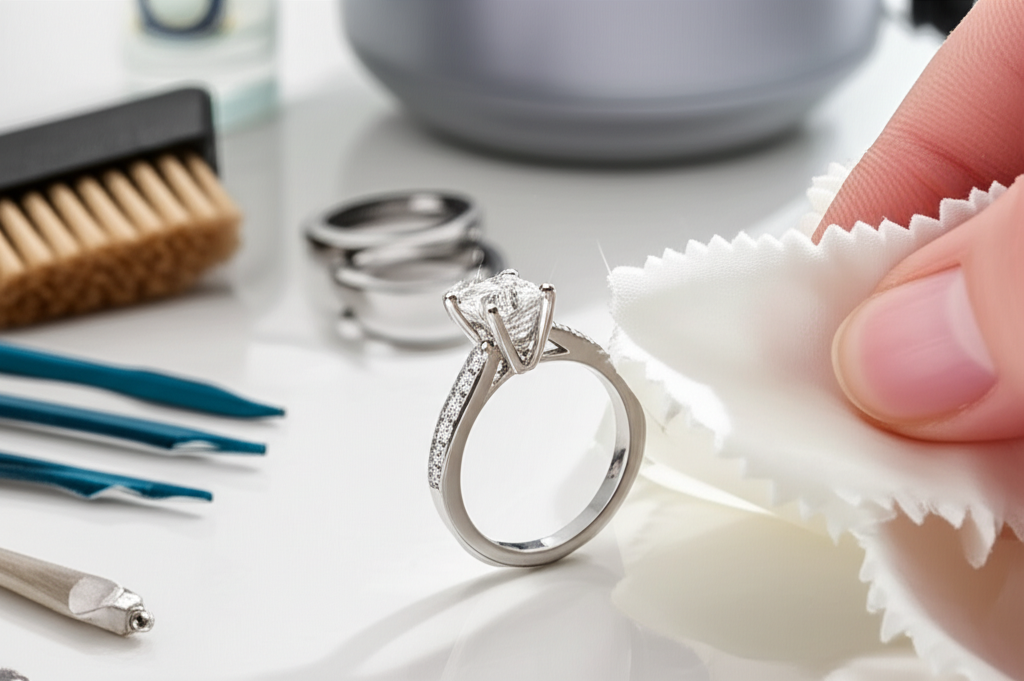
Microfiber Cloths: These are essential for gentle cleaning and buffing without scratching.
Jeweler’s Rouge or Polishing Compound: Available in different grits for varying levels of polishing.
Soft Brushes: A soft-bristled toothbrush or a dedicated jewelry brush can help clean crevices.
Mild Dish Soap: For initial cleaning to remove surface grime.
Warm Water: For rinsing.
Cotton Swabs or Q-tips: For cleaning intricate details.
Optional: Polishing Pads/Sticks: For more stubborn scratches or specific metal types.
Safety First: What to Avoid
Avoid abrasive cleaners, steel wool, or harsh chemical compounds not designed for jewelry. These can remove too much metal, scratch the surface, or damage gemstones. Always test a small, inconspicuous area first if you’re unsure.
How to Polish a Ring: The Gentle Cleaning Method
This is your go-to method for everyday dullness and light grime. It’s safe for most metals and gemstones and will significantly improve your ring’s appearance with minimal effort.
Step-by-Step Gentle Cleaning
1. Prepare a Cleaning Solution: Mix a few drops of mild dish soap with warm water in a small bowl.
2. Soak Your Ring: Place your ring in the solution for about 10-20 minutes to loosen dirt and oils.
3. Gentle Scrubbing: Use a soft-bristled toothbrush or a jewelry brush to gently scrub the ring. Pay attention to any nooks and crannies where dirt might hide.
4. Rinse Thoroughly: Rinse your ring under cool running water, ensuring all soap residue is removed.
5. Dry and Buff: Pat your ring dry with a clean, lint-free microfiber cloth. Then, use a dry section of the cloth to buff the ring in circular motions until it shines.
This simple cleaning process can often restore much of your ring’s lost brilliance. It’s a great starting point for any polishing task.
How to Polish a Ring for Deeper Shine: Using Polishing Compounds
When gentle cleaning isn’t enough, a polishing compound can tackle minor scratches and restore a deeper luster. Choosing the right compound and applying it correctly is crucial for a flawless finish.
Selecting the Right Polishing Compound
Polishing compounds, often called jeweler’s rouge, come in various grades. A general-purpose compound is usually sufficient for most home polishing needs. For specific metals like silver, a dedicated silver polishing cream can be very effective.
Applying Polishing Compound Safely
1. Apply Compound to Cloth: Put a small amount of polishing compound onto a clean microfiber cloth or a polishing pad.
2. Polish in One Direction: Gently rub the ring with the compound, using consistent pressure. For best results, try to polish in one direction rather than in circles to minimize the appearance of new micro-scratches.
3. Buff Away Residue: Use a separate, clean microfiber cloth to buff away the polishing compound residue and bring out the shine.
4. Clean Crevices: Use a cotton swab lightly dampened with water or polishing compound to clean intricate areas.
Remember, a little compound goes a long way. Over-polishing can wear down intricate details.
Polishing Specific Metals: Tailored Techniques
While general methods work for many rings, certain metals benefit from specific approaches to achieve the best and safest results. Understanding these nuances ensures your ring’s integrity and shine.
How to Polish a Silver Ring
Silver is prone to tarnishing, a chemical reaction that causes it to darken. Polishing silver involves removing this tarnish and then buffing the metal to a shine.
Silver Polishing Cream: Apply a small amount of silver polish to a soft cloth and rub gently.
Baking Soda Paste (Use with Caution): For mild tarnish, a paste of baking soda and water can be used. Apply with a soft cloth, rub gently, and rinse thoroughly. Avoid this method on antique or heavily patinated silver.
Silver Polishing Cloths: Impregnated cloths offer a quick and easy way to remove light tarnish and buff.
Always rinse silver thoroughly after using any polishing compound and dry it completely to prevent water spots. You can explore more detailed silver cleaning methods on reputable jewelry care sites.
How to Polish a Gold Ring
Gold rings, especially those with lower karats, are softer. Use polishing compounds specifically designed for gold or general-purpose jeweler’s rouge.
Gentle Buffing: Apply a small amount of gold polish to a soft cloth and buff gently.
Avoid Harsh Rubbing: Do not rub aggressively, as this can remove metal.
Gemstone Care: If your gold ring has gemstones, be careful not to get polish on them, as it can dull their sparkle.
How to Polish Platinum and Stainless Steel Rings
Platinum is harder than gold and silver, but still benefits from a good polish. Stainless steel is very durable and can be polished with most general-purpose compounds.
Platinum: Use a fine-grit polishing compound and a soft cloth. Platinum can develop a unique, soft sheen over time, which some people prefer.
Stainless Steel: These rings are robust. A general metal polish or even a mild abrasive cleaner followed by buffing can restore shine.
Dealing with Scratches: Beyond Basic Polishing
Minor surface scratches are inevitable, but they can often be minimized or removed with the right approach. Deeper scratches might require professional attention, but many common imperfections are fixable at home.
Leveling the Playing Field: Removing Minor Scratches
For very fine scratches, a slightly coarser polishing compound or a specialized scratch removal kit for jewelry can be effective.
1. Identify Scratch Depth: Assess if the scratch is a surface scuff or a deeper gouge.
2. Use Fine-Grit Polish: Apply a polishing compound with a finer grit than your usual polishing rouge onto a soft cloth.
3. Targeted Polishing: Gently rub the compound over the scratch. Work in one direction across the scratch, then follow up with a general polishing compound and buffing to restore shine.
When to Seek Professional Help
If your ring has deep scratches, significant dents, or is a valuable antique, it’s best to consult a professional jeweler. They have specialized tools and expertise to repair damage without compromising the integrity of the piece.
Polishing Rings with Gemstones: A Delicate Balance
Polishing rings with gemstones requires extra care to avoid damaging the stones or the setting. The goal is to polish the metal without affecting the gems.
Protecting Your Precious Stones
Avoid Direct Contact: Do not apply polishing compounds directly onto gemstones.
Use Cotton Swabs: Use cotton swabs to apply polish to the metal parts of the ring, carefully working around the stones.
Soft Brushes for Cleaning: A soft toothbrush can gently clean around settings to remove dirt without scratching the metal or stones.
Consider Stone Porosity: Porous stones like pearls, opals, and emeralds can be damaged by chemicals and abrasives. It’s often best to simply clean these with a damp cloth and mild soap, avoiding any polishing compounds.
Cleaning the Setting
The metal setting holding your gemstones can accumulate dirt. Gently use a soft brush or cotton swab with a mild cleaning solution to clean these areas, then rinse and dry carefully.
Special Considerations for Different Jewelry Types
Beyond basic rings, other jewelry items also benefit from careful polishing. Understanding the unique properties of necklaces, bracelets, and earrings will help you maintain their beauty.
Necklaces and Bracelets
These often have delicate chains and clasps. Use a polishing cloth or a soft brush with polishing compound, being careful not to snag the chain. For intricate links, cotton swabs are invaluable.
Earrings
Earring posts and backs can also benefit from a polish. For studs, hold the post firmly with pliers (wrapped in cloth to prevent scratching) or between your fingers while polishing the metal. Be extra cautious with delicate earring designs.
Frequently Asked Questions About Ring Polishing
Here are answers to some common questions beginners have when learning how to polish a ring.
Q1: How often should I polish my ring?
A: For everyday wear, a gentle cleaning with soap and water every few weeks is usually sufficient. For a deeper polish using compounds, do it only when you notice significant dullness or minor scratches, perhaps a few times a year.
Q2: Can I use toothpaste to polish my ring?
A: While some people use toothpaste, it’s generally not recommended for fine jewelry. Toothpaste contains abrasives that can be too harsh for softer metals like gold and silver, potentially causing scratches.
Q3: What is the best way to polish a ring that has been engraved?
A: Engraved areas can be tricky. Use a soft brush or a cotton swab with a small amount of polishing compound, working gently within the engraving. Be careful not to over-polish and blur the details.
Q4: Will polishing remove scratches from my ring?
A: Polishing can effectively remove very fine surface scratches by carefully abrading the metal. Deeper scratches may be lessened but might require professional polishing to be fully removed without damaging the ring.
Q5: How do I clean a ring with a soft stone like an opal?
A: Soft stones like opals, pearls, and turquoise are porous and easily damaged. Clean them only with a soft, damp cloth and mild soap. Avoid any polishing compounds or ultrasonic cleaners.
Conclusion: Your Ring, Reimagined
Learning how to polish a ring is a rewarding skill that keeps your treasured jewelry looking its best. With the right tools and techniques, you can effortlessly restore shine, remove minor imperfections, and protect your rings for years to come. Remember to always identify your ring’s metal, use gentle methods first, and protect any gemstones. Enjoy the renewed sparkle and the satisfaction of a beautifully maintained ring.
