


Published on: September 9, 2025 | Updated on: September 9, 2025
How to Polish Silver Plated: Essential Steps for Stunning Results
Achieve brilliant shine on your silver-plated items with this comprehensive guide. Learn the best methods, tools, and preventative care to restore and maintain their beauty, ensuring stunning, long-lasting results for your cherished pieces.
Polishing silver-plated items can seem daunting, especially when you want to avoid damaging the delicate plating. Tarnish is a natural process, but it doesn’t mean your beautiful heirlooms or everyday silverware are ruined. With the right knowledge and a gentle touch, you can effectively remove tarnish and restore that coveted gleam. This guide will walk you through everything you need to know, from choosing the right polish to simple DIY solutions that deliver stunning results.
Understanding Silver Plating and Tarnish
Silver plating involves a thin layer of pure silver applied over a base metal, often brass or copper. This process gives the appearance of solid silver without the high cost. Tarnish, a dull, dark film, forms when silver reacts with sulfur compounds in the air. This reaction is accelerated by humidity, certain foods, and even skin oils.
The key to polishing silver-plated items is to be gentle. Aggressive scrubbing or using harsh chemicals can wear away the thin silver layer, exposing the base metal underneath. Therefore, understanding the nature of plating and tarnish is the first crucial step toward successful polishing.
Gathering Your Polishing Arsenal: Tools and Supplies
Before you begin, assembling the right tools and supplies is essential for a smooth and effective polishing process. Having everything ready will prevent interruptions and ensure you have the best materials for the job. A few key items will make a significant difference in achieving those stunning results.
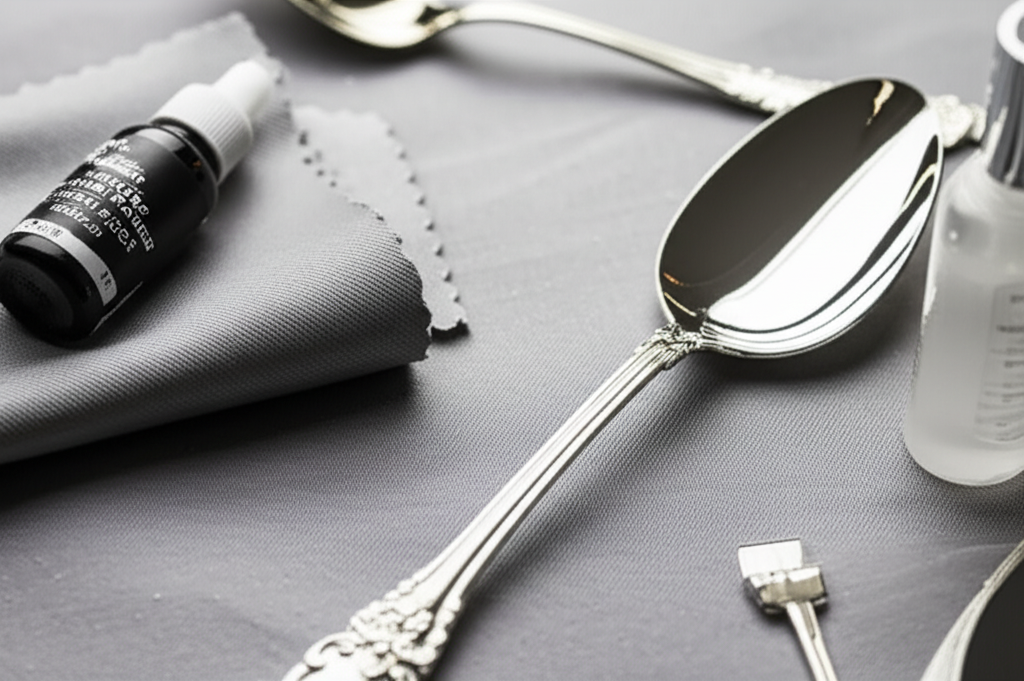
You’ll need soft, lint-free cloths, a quality silver polish, and possibly some mild soap and water for cleaning. Specialized polishing gloves can also protect both your hands and the silver. Always opt for products specifically designed for silver-plated items to avoid damage.
Essential Polishing Cloths

Soft, lint-free cloths are your primary tool for applying polish and buffing away tarnish. Microfiber cloths are excellent choices as they are gentle and effective at picking up tarnish without scratching. Avoid abrasive materials like paper towels or rough rags, which can cause micro-scratches.
Using separate cloths for applying polish and for buffing ensures you don’t reapply tarnish. One cloth can be used to work the polish into the surface, while a second, clean cloth is used to buff the silver to a brilliant shine. This two-cloth method is fundamental for achieving a streak-free finish.
Choosing the Right Silver Polish
The market offers various silver polishes, but not all are suitable for plated items. Look for polishes that are specifically labeled for “silver plate” or “mild silver polish.” These are formulated to be less abrasive, minimizing the risk of removing the plating. Liquid polishes and creams are generally preferred over dips, which can be too harsh.
Consider the type of tarnish you’re dealing with. Light tarnish might be removed with a milder polish, while heavier tarnish might require a slightly stronger, yet still plate-safe, formulation. Always read the product instructions carefully before use.
Pre-Polishing Preparation: Cleaning Your Silver-Plated Items
Thorough cleaning before polishing is a non-negotiable step. Removing dirt, grease, and food particles ensures that the polish can work directly on the tarnish. It also prevents these contaminants from being rubbed into the silver during the polishing process, which could cause scratches.
A simple wash with mild dish soap and warm water is usually sufficient. Gently scrub with a soft cloth or sponge, rinse thoroughly, and dry completely with a soft, lint-free towel. This preparation is vital for achieving the best possible polishing outcome.
Washing with Mild Soap and Water
Begin by gently washing your silver-plated item under warm running water. Use a small amount of mild, pH-neutral dish soap. Avoid harsh detergents or abrasive cleaners, as they can strip the plating or leave a residue.
Use a soft cloth or a non-abrasive sponge to gently clean the surface. Pay attention to crevices and intricate details where tarnish can accumulate. After washing, rinse the item thoroughly under clean water to remove all soap residue.
Thorough Drying
Moisture is the enemy of polished silver, so drying your item completely is critical. Use a clean, soft, lint-free towel to gently pat the item dry. Ensure no water droplets remain, especially in nooks and crannies.
Allowing the item to air dry can sometimes lead to water spots, which are difficult to remove. Therefore, diligent drying with a soft cloth is the best approach. A perfectly dry surface ensures a smooth polishing experience and a superior shine.
The Polishing Process: Step-by-Step for a Brilliant Shine
Now that your silver-plated item is clean and dry, it’s time to polish. This process requires patience and a gentle hand to achieve that stunning, mirror-like finish without damaging the plating. Following these steps will ensure you get the best results.
Apply a small amount of polish to a soft cloth, not directly to the silver. Work the polish in small, gentle circular motions or back-and-forth strokes, focusing on tarnished areas. Avoid excessive pressure, as this can wear down the plating.
Applying the Silver Polish
Dispense a small amount of your chosen silver polish onto a clean, soft cloth. It’s crucial to apply the polish to the cloth first, rather than directly onto the silver item. This allows for better control and prevents the polish from seeping into any crevices prematurely.
Gently rub the tarnished areas with the cloth. Use light pressure and work in small, manageable sections. For intricate designs, use a soft-bristled brush or a cotton swab dipped in polish to reach difficult spots.
Buffing to a Lustrous Finish
After applying the polish to a section, use a separate, clean, and dry soft cloth to buff the area. This buffing step removes the polish residue and brings out the shine. Again, use gentle, circular motions or light back-and-forth strokes.
Continue polishing and buffing section by section until the entire item gleams. It’s better to do multiple light applications than one heavy, aggressive one. The goal is to reveal the silver’s brilliance, not to scrub it away.
DIY Silver Plating Polish Alternatives
For those who prefer natural methods or need a quick solution, several household items can act as effective DIY polishes for silver-plated items. These alternatives are often milder and can be a great option for light tarnish. Always test these methods on an inconspicuous area first.
Baking soda paste, toothpaste, and even ketchup can surprisingly help remove tarnish. These methods rely on mild abrasives or acidic properties to lift the dullness. They offer a cost-effective and readily available solution for many.
Baking Soda and Water Paste
A paste made from baking soda and water is a popular DIY solution for polishing silver. Mix baking soda with just enough water to form a thick paste. Apply this paste to the tarnished silver using a soft cloth.
Gently rub the paste over the tarnished areas. Avoid aggressive scrubbing, especially on plated items. Rinse thoroughly with warm water and dry completely with a soft cloth. This method is effective for moderate tarnish.
Toothpaste (Non-Gel, Non-Whitening)
Certain types of toothpaste can also be used as a mild abrasive polish. Ensure you use a white, non-gel, non-whitening toothpaste. These formulas contain mild abrasives that can help lift tarnish without being overly harsh.
Apply a small amount of toothpaste to a soft cloth and gently rub it onto the tarnished areas. Work in small sections and use light pressure. Rinse the item thoroughly and dry it completely with a lint-free cloth.
Ketchup for Tarnish Removal
The mild acidity in ketchup can help dissolve tarnish on silver-plated items. Apply a thin layer of ketchup to the tarnished areas and let it sit for a few minutes. Gently rub with a soft cloth, then rinse thoroughly and dry.
This method is best suited for lighter tarnish and may require a bit more buffing to achieve a high shine. It’s a surprisingly effective, albeit unconventional, method for bringing back the gleam.
Special Considerations for Different Silver-Plated Items
The best polishing method can vary depending on the item. For example, heavily tarnished antique silver might require a different approach than everyday silverware. Understanding these nuances helps ensure the longevity and beauty of your pieces.
Consider the complexity of the design and the thickness of the plating. Intricate pieces may need specialized tools, while items with very thin plating require the utmost gentleness. Always err on the side of caution.
Silverware and Flatware
Silver-plated silverware is often subjected to frequent use and washing, leading to wear and tarnish. For these items, regular gentle polishing is key. Avoid abrasive dishwasher detergents and prolonged exposure to acidic foods.
For everyday silverware, a mild silver polish applied with a soft cloth is usually sufficient. For intricate patterns, a soft-bristled brush can help clean out tarnish. Always dry thoroughly after washing to prevent water spots.
Decorative Items and Hollowware
Decorative silver-plated items, like trays, bowls, and candlesticks, may have more intricate designs and can be less frequently handled. These items might accumulate heavier tarnish if left untouched for long periods. When polishing these, pay extra attention to detailed areas.
For hollowware, ensure you can access all surfaces. If the item has felt or wooden bases, be careful not to get polish on these materials. Use cotton swabs for detailed work and buff gently to avoid damaging delicate ornamentation.
Preventing Future Tarnish: Long-Term Care
The best way to maintain the shine of your silver-plated items is to prevent tarnish from forming in the first place. Implementing a few simple care strategies can significantly reduce the need for frequent polishing and extend the life of the plating. Prevention is always easier than restoration.
Proper storage is paramount. Keeping silver away from air and pollutants slows down the tarnishing process. Regular, gentle cleaning also plays a vital role in maintaining its lustrous appearance.
Proper Storage Techniques
Store your silver-plated items in a cool, dry place, away from direct sunlight and humidity. Anti-tarnish cloths or bags are excellent for wrapping individual pieces. These cloths contain chemicals that absorb sulfur compounds, preventing tarnish from forming.
For silverware, consider using felt-lined drawers or boxes. Avoid storing silver with rubber bands, as they can accelerate tarnishing. If you live in a humid climate, consider using silica gel packets in your storage containers.
Regular Gentle Cleaning
Even when not polishing, regular gentle cleaning can make a big difference. After using silver-plated cutlery, wash and dry it promptly. For decorative items, a light dusting with a soft cloth can remove surface dust before it has a chance to react with the silver.
This consistent, gentle care prevents heavy tarnish build-up, meaning you’ll rarely need to use harsh polishes. It’s a simple habit that preserves the beauty of your silver-plated possessions.
When to Seek Professional Help
While most silver-plated items can be polished at home, some situations warrant professional attention. If an item is extremely valuable, has intricate or delicate details that you fear damaging, or has significant plating loss, a professional restorer might be the best option.
Professionals have specialized tools and techniques to handle challenging restoration projects. They can assess the condition of the plating and recommend the most appropriate course of action to restore its beauty without causing further damage.
Assessing Damage and Plating Thickness
Before attempting any aggressive polishing, assess the condition of the plating. If you notice significant wear, black spots that seem to be corrosion of the base metal, or if the silver layer is visibly thin, proceed with extreme caution.
Professionals can accurately assess plating thickness and the extent of any damage. They can also determine if re-plating is a viable option for heavily worn pieces. This assessment is crucial for deciding the best course of action.
Finding a Reputable Silversmith or Restorer
If you decide professional help is needed, seek out a reputable silversmith or antique restorer. Look for individuals or businesses with experience in restoring silver-plated items. Online reviews, recommendations from antique dealers, or local museum conservators can be good starting points.
A good restorer will provide a clear estimate of costs and explain their process. They can often perform tasks like detailed cleaning, minor repairs, and professional re-plating, ensuring your cherished items are handled with expert care.
Frequently Asked Questions About Polishing Silver Plated
Here are answers to some common questions about how to polish silver plated items to ensure you get the best results.
Can I use silver polish on silver-plated items?
Yes, but only use polishes specifically designed for silver-plated items. Harsh polishes can wear away the thin layer of silver. Always test in an inconspicuous area first.
How often should I polish my silver-plated items?
This depends on the item’s exposure to air and humidity. For frequently used items like silverware, clean after each use. Polish only when tarnish becomes noticeable, using gentle methods.
Will polishing remove the silver plating?
Aggressive polishing or using abrasive materials can indeed remove the silver plating, especially over time. Always use a soft cloth and gentle pressure. Mild polishes are less likely to cause damage.
What is the best DIY method for polishing silver-plated items?
A paste of baking soda and water or a mild, non-gel toothpaste are popular DIY options. These are generally safe for light tarnish when used gently with a soft cloth.
Can I use an ultrasonic cleaner on silver-plated items?
Ultrasonic cleaners can be too harsh for silver-plated items, potentially damaging the plating or dislodging it. It’s generally safer to stick to manual polishing methods.
How can I tell if my item is silver-plated or solid silver?
Solid silver items are usually hallmarked with an assay office mark and a silver purity stamp (e.g., 925). Silver-plated items typically do not have these marks or may be marked with terms like “EPNS” (Electro-Plated Nickel Silver).
Conclusion: Keeping Your Silver Plate Gleaming
Mastering how to polish silver plated items is a rewarding skill that preserves the beauty and value of your cherished possessions. By understanding the nature of silver plating, choosing the right tools, and employing gentle techniques, you can effectively combat tarnish and restore that stunning, mirror-like shine. Remember that consistent, gentle care and proper storage are your best allies in preventing tarnish and extending the life of your silver-plated treasures.
Whether you opt for a commercial silver polish or a simple DIY solution, always prioritize gentleness. Avoid harsh chemicals and abrasive materials. With a little patience and the right approach, your silver-plated items will continue to gleam for years to come, adding a touch of elegance to your home and your life.
