


Published on: August 30, 2025 | Updated on: August 30, 2025
Discover the most effective, DIY-friendly methods to banish rust from your beloved rings, restoring their shine and sentimental value with simple household items and expert tips.
Rust on your favorite ring can be a real downer, turning a cherished piece into an unsightly item. It’s a common problem, especially with certain metals and exposure to moisture. But don’t worry, I’ve got your back with proven, straightforward solutions that will have your ring looking its best again in no time. We’ll explore gentle yet effective techniques that you can try right at home.
Why Does Rust Form on Rings?
Rust, technically known as iron oxide, typically forms when iron or its alloys, like steel, are exposed to moisture and oxygen. While pure gold and silver don’t rust, alloys or plating can be susceptible. Understanding the cause helps in choosing the right removal method. This knowledge is key to preventing future rust and maintaining your jewelry’s integrity.
Identifying the Ring’s Material for Safe Rust Removal
Before you grab any cleaning solution, it’s crucial to know what your ring is made of. Different metals require different approaches; using the wrong method can cause irreparable damage. I’ll guide you through identifying common ring materials and what to avoid. This step is vital for ensuring you don’t worsen the problem.
Common Ring Materials and Their Properties

Most rings are made from precious metals like gold and silver, or base metals like stainless steel, titanium, brass, and copper. Gold is highly resistant to rust, but its alloys or plating can be vulnerable. Silver can tarnish, which is often mistaken for rust, but true rust is specific to iron-based metals. Stainless steel is generally rust-resistant but can develop surface rust under harsh conditions.
How to Test Your Ring’s Material
If you’re unsure about your ring’s composition, a jeweler can often identify it. For DIY testing, you can look for hallmarks or maker’s marks, usually stamped on the inside of the band. You can also try a magnet; if it sticks, it’s likely an iron-based metal, which is prone to rust. Be cautious with harsh tests, as they can damage delicate pieces.
Top Household Items for Removing Rust from Rings
Fortunately, you likely have several effective rust removers already in your kitchen or bathroom. These common items are gentle enough for most jewelry when used correctly, making them excellent DIY solutions. I’ve found these to be surprisingly effective for tackling rust without needing specialized chemicals.
The Power of Baking Soda Paste
Baking soda is a mild abrasive and alkali, making it perfect for gently scrubbing away rust. Its gentle nature means it’s less likely to scratch or damage your ring. I often reach for baking soda for its versatility in cleaning tasks around the house.
How to Make and Use Baking Soda Paste
Mix baking soda with a small amount of water to create a thick paste. Apply this paste generously to the rusted areas of the ring using a soft cloth or an old toothbrush. Gently rub the paste in a circular motion, focusing on the rust spots. Rinse the ring thoroughly with water and dry it completely.
Lemon Juice and Salt: A Natural Rust Buster
The citric acid in lemon juice acts as a natural chelating agent, breaking down rust. Combined with the mild abrasive action of salt, this duo can be very effective. This method is particularly good for light rust and can leave your ring smelling fresh.
Applying the Lemon and Salt Method
Sprinkle a small amount of salt onto the rusted area of the ring. Squeeze fresh lemon juice over the salt to create a fizzing reaction. Let it sit for an hour or two, depending on the severity of the rust. Scrub gently with a soft brush, then rinse and dry.
Vinegar: The Acidic Solution for Stubborn Rust
White vinegar contains acetic acid, which is excellent at dissolving rust. It’s a potent cleaner, so it’s best used for more persistent rust spots. However, prolonged exposure can be harsh on some metals, so moderation is key.
Vinegar Soaking Technique
Submerge the rusted ring in a small bowl of white vinegar. Let it soak for a few hours, checking periodically. Once the rust appears loosened, gently scrub with a soft-bristled brush. Rinse the ring thoroughly to remove all traces of vinegar and dry it completely.
Toothpaste: A Surprising Rust Remover
Non-gel toothpaste, especially those with baking soda, can work as a mild abrasive. It’s a readily available option for a quick fix on minor rust spots. The fine grit in the toothpaste helps lift the rust particles.
Using Toothpaste for Rust
Apply a small amount of white, non-gel toothpaste to the rusted area. Use a soft cloth or an old toothbrush to gently rub the toothpaste into the rust. Continue rubbing until the rust begins to disappear. Rinse the ring well and dry it thoroughly.
Specialized Tools for Ring Rust Removal
While household items are great, sometimes you need a little more power or precision. Specialized tools can make the job easier and more effective, especially for intricate designs or tougher rust. I’ve found these tools to be invaluable for detailed jewelry care.
Fine-Grit Sandpaper or Emery Cloth
For more stubborn rust on durable metals, fine-grit sandpaper (like 600-grit or higher) or emery cloth can be very effective. It works by physically abrading the rust away. Always use the finest grit possible to minimize scratching.
Sandpaper Application Tips
Wrap a small piece of fine-grit sandpaper around a pencil eraser or a cotton swab for better control. Gently rub the sandpaper over the rusted area, following the grain of the metal if visible. Be very careful not to oversaturate the area or apply too much pressure. Rinse and dry thoroughly.
Steel Wool (Use with Extreme Caution!)
Steel wool, particularly fine grades like #0000, can remove rust, but it’s aggressive. It’s best reserved for very durable metals like stainless steel and should be used with extreme caution. It can easily scratch softer metals or plated finishes.
When and How to Use Fine Steel Wool
If you choose to use steel wool, opt for the finest grade (#0000) and test it on an inconspicuous area first. Gently rub the rusted spot. This method is often a last resort for rings made of robust materials. Always rinse and dry immediately and thoroughly.
Brass Brush or Soft Bristle Brush
A soft-bristled brush, like an old toothbrush or a dedicated jewelry brush, is essential for applying pastes and scrubbing away loosened rust. For slightly tougher jobs on durable metals, a soft brass brush can be effective, but again, use with caution. These tools help in applying the cleaning agents and gently dislodging the rust particles.
Choosing the Right Brush
A soft nylon toothbrush is excellent for applying baking soda paste or toothpaste. For slightly more abrasive action on sturdy rings, a very soft brass brush can be used carefully. Always ensure the brush is clean before use to avoid transferring dirt.
Advanced Techniques for Difficult Rust Stains
When household remedies and basic tools aren’t enough, there are more advanced techniques. These methods might require specific products or a bit more effort, but they can tackle even the most persistent rust. I always recommend starting with the gentlest method first.
Commercial Rust Removers
There are many commercial rust removers available, often in gel or liquid form. These products contain stronger chemicals designed to dissolve rust efficiently. Always read and follow the manufacturer’s instructions carefully, and wear gloves.
Choosing and Using Commercial Removers
Look for rust removers specifically designed for metal or jewelry. Apply as directed, usually with a brush or cloth, and be mindful of the recommended contact time. Ensure proper ventilation when using these products. Rinse thoroughly and dry.
Electrolysis (For the Advanced DIYer)
Electrolysis is a more advanced method that uses an electrical current to remove rust. It’s highly effective but requires a setup with a power source, electrolyte solution, and a sacrificial anode. This method is best suited for experienced DIYers comfortable with electrical setups.
Understanding the Electrolysis Process
This process involves submerging the rusted item, a piece of sacrificial metal (like rebar), and a power source in an electrolyte solution (like washing soda and water). The current pulls the rust off the item and onto the sacrificial anode. It’s a powerful method but needs careful execution.
Caring for Your Ring After Rust Removal
Once you’ve successfully removed the rust, proper aftercare is essential to prevent its return and keep your ring looking its best. Cleaning and protecting your ring will ensure the longevity of your efforts. I always emphasize a good polishing and protective step.
Polishing Your Ring for Shine
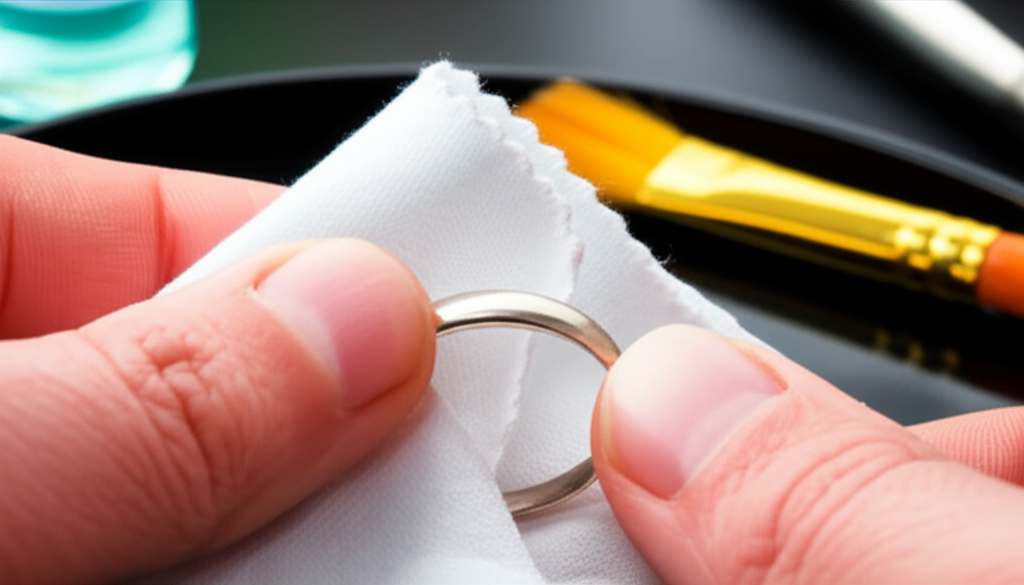
After rust removal, the affected area might look dull. Use a jewelry polishing cloth or a very mild metal polish to restore the shine. Gently buff the ring until it gleams. This step not only enhances appearance but also removes any lingering residue.
Applying a Protective Coating
For metals prone to rust or tarnishing, consider applying a clear jewelry sealant or wax. This creates a barrier against moisture and oxygen, helping to prevent future rust formation. Ensure the ring is completely dry before applying any sealant.
Preventing Rust on Your Rings
The best approach to rust is prevention. By incorporating a few simple habits into your routine, you can significantly reduce the chances of rust ever forming on your rings. These preventative measures are simple yet highly effective.
Keep Rings Dry
Avoid wearing your rings when engaging in activities that involve water, such as showering, swimming, or doing dishes. Moisture is the primary culprit behind rust formation. Always remove your rings before any water-related activities.
Store Rings Properly
When you’re not wearing your rings, store them in a dry, airtight container or a jewelry box with individual compartments. This protects them from humidity and prevents them from scratching each other. A dry environment is key to preventing oxidation.
Regular Cleaning
Even if you don’t see any rust, regular gentle cleaning can help maintain your rings. Use a soft cloth to wipe them down periodically. This removes oils, lotions, and environmental elements that can contribute to corrosion over time.
FAQ: Your Ring Rust Removal Questions Answered
Can I remove rust from a gold ring?
Pure gold doesn’t rust, but gold-plated or gold-alloy rings can develop rust if the base metal is exposed. For minor rust on gold-plated items, use very gentle methods like baking soda paste or a jewelry polishing cloth. Avoid harsh abrasives that can wear away the plating.
What if the rust is on a silver ring?
Silver tarnishes, which looks like a dulling or darkening, not typically rust. For tarnish, use a silver polishing cloth or a baking soda paste. If you suspect actual rust (unlikely on pure silver), identify the metal first, as silver itself doesn’t rust.
Is it safe to use toothpaste on my ring?
Yes, it’s generally safe to use white, non-gel toothpaste on most durable metal rings as a mild abrasive. However, avoid toothpastes with harsh whitening agents or gels, as they can be too abrasive. Always test on an inconspicuous area first and rinse thoroughly.
How long should I soak a ring in vinegar?
For light rust, a soak of 30 minutes to an hour might suffice. For heavier rust, you can soak it for a few hours, but monitor it closely. Prolonged soaking in vinegar can potentially damage certain metals or finishes, so it’s best to check every hour.
What is the safest way to remove rust from a ring?
The safest method involves using the gentlest approach first. Start with a baking soda paste and a soft brush. If that doesn’t work, try lemon juice and salt, or white vinegar for short periods. Always test any method on a small, hidden area if possible.
Can I use nail polish remover to remove rust?
Nail polish remover, especially acetone-based ones, is primarily for removing nail polish and can be harsh on jewelry. It’s not designed for rust removal and could damage certain metals, plating, or gemstones. Stick to methods specifically formulated for metal care.
Conclusion: Restoring Your Ring’s Radiance
Removing rust from a ring doesn’t have to be a daunting task. By understanding your ring’s material and employing the right techniques, you can effectively restore its beauty. From simple household items like baking soda and lemon juice to more specialized tools for tougher jobs, there’s a solution for every situation. Remember to always start gently, test if unsure, and follow up with proper care to prevent future rust. With these proven methods, your cherished ring will regain its shine and be a source of joy once more.
