


Published on: September 8, 2025 | Updated on: September 8, 2025
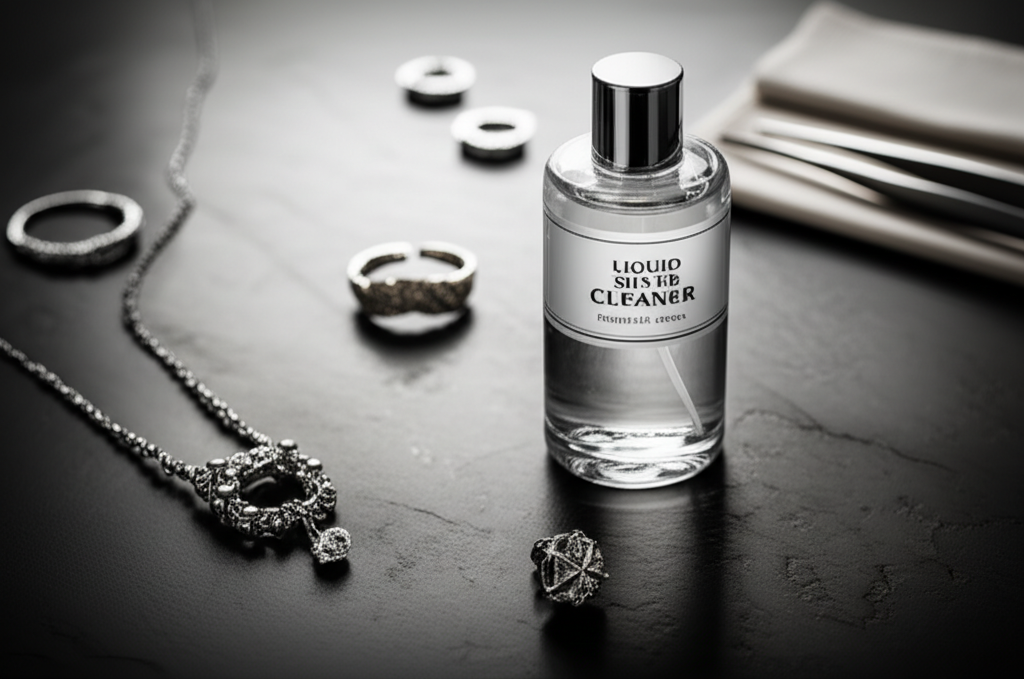
Keep your treasured silver jewelry looking its best with the right liquid silver cleaner. This guide reveals the best methods and products to restore that essential shine without damage.
Tarnished silver jewelry can be a real bummer, dulling the gleam of your favorite necklaces, rings, and bracelets. You might be tempted to just toss them aside, but don’t! Restoring that brilliant shine is often easier than you think, and the secret often lies in the right cleaner. Specifically, a good quality liquid silver cleaner for jewelry can work wonders. We’ll walk you through everything you need to know to get your silver sparkling again, safely and effectively. Get ready to rediscover the beauty of your cherished pieces!
Contents
- 1 Why Does Silver Jewelry Tarnish?
- 2 Choosing the Right Liquid Silver Cleaner for Jewelry
- 3 How to Use Liquid Silver Cleaner for Jewelry Safely and Effectively
- 4 DIY Alternatives: Gentle Cleaning Methods at Home
- 5 When to Avoid Liquid Cleaners Altogether
- 6 Maintaining Your Silver Jewelry’s Shine
- 7 What About Silver Polishing Cloths?
- 8 Professional Cleaning and Restoration
- 9 Frequently Asked Questions About Liquid Silver Cleaner for Jewelry
- 10 Conclusion: Restoring the Lustrous Glow of Your Silver
- 11 Author
Why Does Silver Jewelry Tarnish?
Tarnishing is a natural process where silver reacts with sulfur compounds in the air, forming a dark layer. This layer, known as silver sulfide, dulls the metal’s shine. Factors like humidity, exposure to certain chemicals (like perfumes or cleaning agents), and even individual body chemistry can accelerate this process. Understanding this helps in preventing and cleaning tarnish effectively.
The Science Behind Silver Tarnish

Silver is a reactive metal, meaning it readily forms chemical bonds with other elements. When silver comes into contact with hydrogen sulfide (H₂S), a common gas found in the atmosphere, it undergoes a chemical reaction. This reaction creates silver sulfide (Ag₂S), which is black and responsible for the unsightly tarnish we see on our jewelry. The rate of this reaction depends on several environmental factors.
Choosing the Right Liquid Silver Cleaner for Jewelry
Not all liquid silver cleaners are created equal, and the wrong choice can cause more harm than good. Look for formulas specifically designed for jewelry, avoiding harsh chemicals that can damage gemstones or etch the metal. A good cleaner should be gentle yet effective at removing tarnish. Always check product labels for ingredients and suitability for different types of silver.
Key Ingredients to Look For (and Avoid)
When selecting a liquid silver cleaner for jewelry, some ingredients are your allies, while others are red flags. Ammonia and bleach are big no-nos; they can corrode silver and damage delicate settings. Look for cleaners containing mild acids like thiourea or sodium thiosulfate, which are effective at dissolving tarnish. Gentle, non-abrasive formulas are always best.
Understanding Different Types of Silver Cleaners
Beyond liquid cleaners, you’ll find dips, wipes, and polishing cloths. Liquid silver cleaner for jewelry is often preferred for its ability to get into intricate details and crevices. Dips can be very effective but require careful handling and rinsing. Polishing cloths are great for light tarnish and maintaining shine between deeper cleanings.
How to Use Liquid Silver Cleaner for Jewelry Safely and Effectively
Using liquid silver cleaner for jewelry requires a careful approach to protect both your pieces and yourself. Always work in a well-ventilated area and wear gloves to avoid skin irritation. Follow the product’s instructions precisely, paying attention to immersion times and rinsing procedures. Improper use can lead to discoloration or damage.
Step-by-Step Guide to Cleaning Silver Jewelry
1. Prepare Your Workspace: Find a well-ventilated area and lay down a soft cloth to protect your jewelry and surfaces.
2. Read the Cleaner Instructions: Always follow the specific guidelines provided by the cleaner manufacturer.
3. Dip and Soak: Gently immerse your silver jewelry into the liquid cleaner using a non-metallic tool (like plastic tweezers). Do not leave it in for longer than recommended, as this can cause damage.
4. Rinse Thoroughly: After dipping, rinse the jewelry immediately and thoroughly under cool, running water. Ensure all traces of the cleaner are washed away.
5. Dry Completely: Pat your jewelry dry with a soft, lint-free cloth. Avoid rubbing vigorously, especially if there are gemstones.
6. Polish (Optional): For an extra shine, use a silver polishing cloth to buff the piece gently.
Handling Gemstones and Delicate Pieces
Some gemstones, like pearls, opals, and turquoise, are porous and can be damaged by harsh chemicals found in some liquid silver cleaners. Always check if your cleaner is safe for the specific gemstones in your jewelry. For delicate or antique pieces, it’s often safer to use a gentle polishing cloth or seek professional cleaning services.
DIY Alternatives: Gentle Cleaning Methods at Home
If you prefer a more natural approach or need a quick fix, several household items can serve as effective liquid silver cleaner for jewelry alternatives. These methods are generally gentler and can be quite effective for light to moderate tarnish. They are also cost-effective and readily available in most kitchens.
Baking Soda Paste Method
A paste made from baking soda and water can be a surprisingly effective cleaner. Mix equal parts baking soda and water to form a paste, apply it to the tarnished silver with a soft cloth, rub gently, and rinse thoroughly. This method is mild and works well for removing surface tarnish.
Aluminum Foil and Salt Soak
This method uses a chemical reaction to lift tarnish. Line a bowl with aluminum foil, place your silver jewelry on top, and sprinkle with a tablespoon or two of salt. Pour hot (not boiling) water over it and let it soak for a few minutes. The tarnish transfers to the foil. Rinse and dry well.
Toothpaste (Use with Caution!)
While some swear by toothpaste for cleaning silver, it should be used with extreme caution. Many toothpastes contain mild abrasives that can scratch delicate silver surfaces. If you choose this method, use a plain white, non-gel toothpaste and apply it very gently with a soft cloth, rinsing thoroughly afterward.
When to Avoid Liquid Cleaners Altogether
There are certain situations where liquid silver cleaner for jewelry might not be the best choice, or even advisable. If your silver jewelry has antique value, is plated, or features sensitive gemstones, harsh chemicals can cause irreversible damage. In these cases, mechanical cleaning methods or professional help are much safer bets.
Plated Silver and Antiqued Finishes
Silver-plated jewelry has a thin layer of silver over another metal. Harsh liquid cleaners can strip this plating, revealing the base metal underneath and ruining the piece. Similarly, antiqued finishes, which rely on darkened crevices to create contrast, can be completely removed by aggressive cleaning. Always test cleaners on an inconspicuous area first.
Jewelry with Soft or Porous Gemstones
As mentioned, pearls, opals, coral, turquoise, and emeralds are particularly vulnerable. These stones can absorb chemicals, become discolored, or even degrade when exposed to the solutions found in many liquid silver cleaners. For pieces containing these gems, opt for a gentle polishing cloth or consult a jeweler.
Maintaining Your Silver Jewelry’s Shine
Preventing tarnish is often easier than removing it. Proper storage and regular, gentle maintenance are key to keeping your silver jewelry looking its best. By adopting a few simple habits, you can significantly extend the time between deep cleanings.
Proper Storage Solutions
Store your silver jewelry in airtight bags or containers to minimize exposure to air and moisture, which are primary causes of tarnish. Anti-tarnish strips or cloths placed inside storage boxes can further absorb sulfur compounds. Keep pieces separated to prevent scratching.
Regular Gentle Polishing
A quick polish with a soft silver polishing cloth after each wear can make a huge difference. This removes natural oils and surface tarnish before it has a chance to build up. It’s a simple habit that preserves the brilliance of your silver.
What About Silver Polishing Cloths?
Silver polishing cloths are an excellent tool for maintaining the shine of your jewelry between deep cleanings. They are impregnated with a mild cleaning agent and are designed to buff away light tarnish and fingerprints. They are generally safe for most silver items, including those with gemstones, when used gently.
How Silver Polishing Cloths Work
These cloths are woven with fine fibers and contain a special cleaning and anti-tarnish solution. As you rub the cloth over your silver, it gently removes the tarnished layer and buffs the metal to a shine. The residue left behind also helps to inhibit future tarnishing.
When to Use a Cloth vs. a Liquid Cleaner
A polishing cloth is ideal for daily maintenance, removing fingerprints, and tackling light tarnish. It’s less aggressive than a liquid cleaner and safer for pieces with delicate components or gemstones. Liquid silver cleaner for jewelry is best reserved for more significant tarnish that a cloth can’t handle.
Professional Cleaning and Restoration
For valuable, antique, or intricately designed silver jewelry, professional cleaning is often the safest and most effective option. Jewelers have specialized tools and knowledge to clean and restore pieces without causing damage. They can also advise on the best maintenance practices for your specific items.
When to Seek Expert Help
If your silver jewelry is heavily tarnished, has intricate details, contains delicate or valuable gemstones, or is an heirloom piece, it’s best to consult a professional jeweler. They can assess the condition of the piece and recommend the most appropriate cleaning and restoration methods. Don’t risk damaging irreplaceable items.
Frequently Asked Questions About Liquid Silver Cleaner for Jewelry
Can I use liquid silver cleaner for jewelry on my plated silver items?
Generally, it’s not recommended. Harsh chemicals in many liquid cleaners can strip the plating. Always check the product label and test on an inconspicuous area if unsure, but it’s safer to use a polishing cloth for plated items.
How often should I clean my silver jewelry with liquid cleaner?
Only clean with liquid silver cleaner for jewelry when necessary, meaning when tarnish is noticeable and a polishing cloth isn’t enough. Over-cleaning can wear down the silver. Regular polishing with a cloth is better for daily maintenance.
Will liquid silver cleaner remove scratches from my jewelry?
No, liquid silver cleaner is designed to remove tarnish, not scratches. Scratches are physical damage to the metal surface and require different repair methods, such as professional polishing and buffing.
Is it safe to use liquid silver cleaner for jewelry on antique silver?
Use extreme caution with antique silver. Many antique pieces have delicate patinas or historical significance that can be damaged by aggressive cleaning solutions. Professional assessment is highly recommended for antique items.
Can I use liquid silver cleaner for jewelry if I have sensitive skin?
It’s wise to be cautious. Always wear gloves when handling liquid silver cleaner for jewelry, as the chemicals can cause irritation. Ensure thorough rinsing of both your jewelry and your hands afterward.
What’s the difference between a silver cleaner dip and a liquid silver cleaner?
Both aim to remove tarnish, but dips are often stronger and require very brief immersion followed by immediate rinsing. Liquid cleaners can sometimes be used for slightly longer soaking periods, depending on the formula. Always follow specific product instructions.
Conclusion: Restoring the Lustrous Glow of Your Silver
Keeping your silver jewelry gleaming doesn’t have to be a daunting task. Understanding the causes of tarnish and knowing how to use the right products, like a quality liquid silver cleaner for jewelry, are your best tools. From selecting the gentlest formula to mastering the cleaning process and implementing smart storage habits, you can ensure your cherished pieces retain their essential shine for years to come. Remember to always prioritize safety, especially with delicate stones, and don’t hesitate to seek professional advice when in doubt. With a little care, your silver will continue to sparkle beautifully.
