


Published on: November 4, 2025 | Updated on: November 4, 2025
Metal Detector Digging Tools: Essential Finds for Every Detectorist
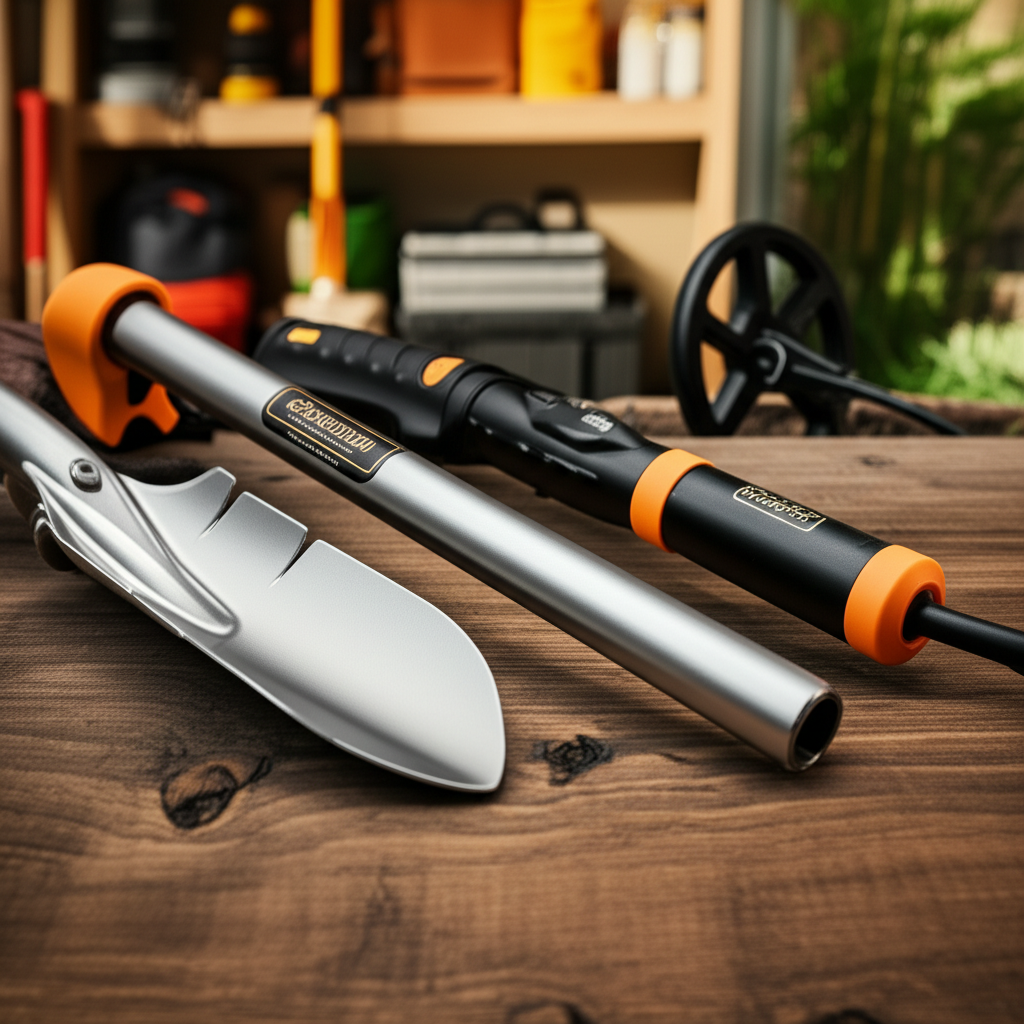
Metal detector digging tools are vital for safely recovering targets without damaging them or the environment. This guide covers the best shovels, trowels, and probes to help you unearth treasures efficiently and responsibly.
Metal detecting is a fantastic hobby. You get to explore the outdoors. You might find old coins or interesting relics. But finding a target with your metal detector is only half the battle. The real challenge often begins when you need to dig it up. Using the wrong tools can damage your finds. It can also harm the ground you’re detecting in. This is where good metal detector digging tools come in. They are just as important as your detector. They help you get your treasures out safely. This guide will show you the best digging tools. It will explain why each is important. Let’s find the right tools for your detecting adventures.
Why Proper Digging Tools Matter for Metal Detecting
Using the right digging tools is crucial for successful metal detecting. They help you recover targets quickly. They also prevent damage to your finds. Damaged relics are less valuable. Sometimes they lose their historical meaning. Proper tools also help you dig neat holes. This leaves the ground looking natural. It’s important to be respectful of the land. Using good tools ensures you can keep detecting in the future. It also makes the hobby more enjoyable.
Minimizing Ground Disturbance
Good digging tools help you disturb the ground as little as possible. This is important for many reasons. It helps keep the land looking nice. It also shows respect for property owners. Many detectorists follow a code of ethics. This includes leaving no trace. Tools like trowels and small shovels allow for precise digging. You can carefully remove a plug of soil. This makes it easy to put back later. It looks like you were never there.
Protecting Your Finds
Many treasures are old and fragile. Coins can be soft. Relics can be made of delicate materials. Using a sharp spade can cut a coin in half. A strong poke can break a pottery shard. The right digging tools allow for careful excavation. You can gently loosen the soil around a target. This protects your finds from damage. It ensures you recover them in the best possible condition.
Essential Metal Detector Digging Tools You Need
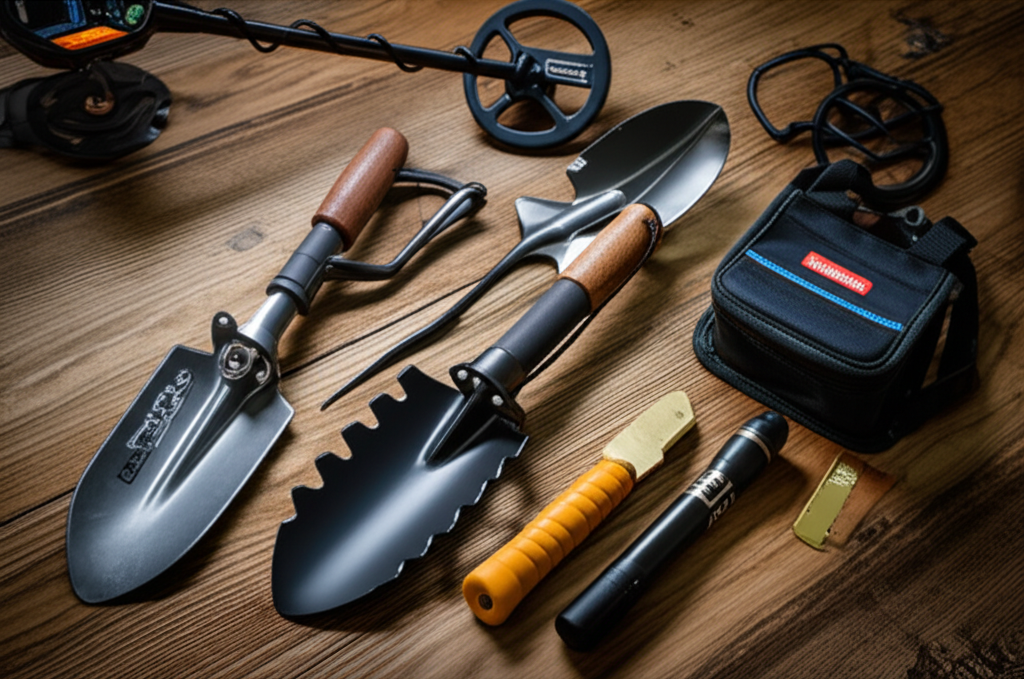
There are several key tools every detectorist should carry. These tools are designed for digging in different soil types. They also help with different types of targets. Having a set of these tools will make your detecting trips much smoother. You will be ready for whatever you find.
The Mighty Digging Trowel
A digging trowel is a must-have for most metal detectorists. It is a small, sturdy shovel. It has a strong, sharp blade. Many trowels have serrated edges. This helps cut through roots and tough soil. They are great for shallow targets. They are also good for smaller holes. A good trowel is comfortable to hold. It should be made of strong steel.
Choosing the Right Trowel
When picking a trowel, look for a thick blade. A full tang construction is best. This means the metal of the blade goes all the way through the handle. This makes it very strong. Some trowels come with a sheath. This protects the blade. It also makes it safer to carry. Brands like Garrett and Rubbermaid make popular trowels.
The Reliable Shovel
For deeper targets or tougher ground, a shovel is necessary. A detectorist shovel is usually smaller than a garden shovel. It is designed for digging plugs of soil. Many have a pointed tip. This helps penetrate hard ground. Some have a wider blade. This is good for scooping soil. Look for a sturdy metal blade and a strong handle.
Types of Detectorist Shovels
There are several types of shovels. The standard pointed shovel is versatile. A spade-style shovel can be good for slicing through turf. Some have a footrest. This helps you push the shovel into the ground with your foot. This is very useful in hard soil. Brands like Lesche and Radius Garden make excellent detectorist shovels.
The Indispensable Pinpointer Probe
Once you have dug a plug of soil, you need to find the target. This is where a pinpointer probe comes in. A pinpointer is a small, handheld device. It vibrates and beeps when it gets close to metal. It helps you pinpoint the exact location of your target. This saves a lot of time and reduces the size of your hole.
Using Your Pinpointer Effectively
You can use a pinpointer in your dug soil. You can also use it to scan the hole itself. This helps you know if the target is still in the plug or the hole. It is essential for recovering small targets like gold rings or tiny coins. Pinpointers come in both submersible and non-submersible models. Choose one that fits your detecting environment. Popular brands include Garrett, Minelab, and Nokta Makro.
The Soil Sifter/Screen
For areas with a lot of small targets or trash, a soil sifter is very helpful. It is a screen that you can put over a bucket or a hole. You place the dug soil on the screen. You shake it, and the dirt falls through. Any targets or larger pieces of junk stay on top. This makes it easy to find small finds. It also helps you separate targets from trash.
When to Use a Soil Sifter
Soil sifters are particularly useful on beaches. They are also good in parks where there might be many small modern coins or pull tabs. You can buy collapsible sifters. These are easy to carry. You can also make your own. A simple frame with a mesh screen works well.
The Plug Cutter
A plug cutter is a specialized tool. It cuts a perfect circle of turf. This makes it very easy to remove a neat plug of soil. You then dig your target from under the plug. When you are done, you put the plug back. It fits perfectly. This leaves almost no sign of digging. Plug cutters are great for sensitive areas. They are also good for lawn detecting.
Advantages of Plug Cutters
Using a plug cutter ensures minimal ground disturbance. It makes recovery very neat. This is important for maintaining good relations with landowners. It also helps preserve the detecting site. Some plug cutters are hand-operated. Others can be attached to a drill.
Choosing the Right Tools for Your Terrain and Targets
The best digging tools for you depend on where you detect. They also depend on what you hope to find. Different terrains and target types require different approaches.
Beach Detecting Tools
Beaches often have wet sand. This can be heavy and sticky. You will need tools that can handle wet conditions. A sturdy trowel with a good grip is essential. A sand scoop is also very useful. Sand scoops have holes. This lets the sand fall through. They are good for sifting targets from the sand. A waterproof pinpointer is a must.
Sand Scoops: A Beach Essential
Sand scoops come in various sizes. Some are handheld. Others have long handles. They are made of strong metal, usually stainless steel. Look for a scoop with a sharp edge. This helps cut into packed sand. It makes digging much easier. Many detectorists use a sand scoop along with their trowel.
Park Detecting Tools
Parks can have a mix of soil types. You might find well-maintained lawns or harder, drier ground. A good all-around trowel is useful here. A small shovel can help with deeper targets. Parks can have a lot of modern trash. So, a pinpointer is crucial. A soil sifter can also be helpful. Always check park rules about digging.
Lawn Care and Detecting Etiquette
When detecting in parks, be extra careful. Aim to leave the ground as you found it. Use tools that minimize disturbance. Fill your holes completely. Take all your trash with you. Being a responsible detectorist keeps parks open for everyone.
Woodland and Field Detecting Tools
Woodlands and fields can have tough, root-filled soil. You might also encounter rocks. A strong shovel with a pointed tip is often needed. A trowel with a serrated edge can cut through roots. A plug cutter can be useful for preserving turf. For relic hunting, a probe is essential to check for solid objects before fully excavating.
Dealing with Roots and Rocks
Roots can be stubborn. A serrated trowel or a sturdy shovel can cut through them. For rocks, try to dig around them. If a rock is too big, you might have to move it carefully. Be mindful of the surrounding area when moving large rocks.
Gold Prospecting Tools
Gold prospecting often involves different types of digging. You might be digging in streambeds or dry creek beds. You might be looking for small gold nuggets. A small, sturdy trowel is good for testing soil. A gold pan is essential for separating gold from dirt. Some prospectors use a special digging tool called a “D-handle shovel.” It is very strong.
Specialized Tools for Gold
When prospecting for gold, tools need to be robust. You might be digging in rough terrain. A good pinpointer is also vital for finding small gold pieces. Consider tools that can handle wet conditions if you are working in water.
Maintaining Your Digging Tools
Proper care of your digging tools will make them last longer. It will also keep them working well. After each detecting trip, clean your tools.
Cleaning and Sharpening
After digging in dirt, clean off all the soil. A brush or a hose works well. For metal tools, dry them thoroughly. This prevents rust. You can apply a light coat of oil to metal parts. This also helps prevent rust. Sharpen your trowel and shovel blades occasionally. This makes digging easier.
Storage and Protection
Store your digging tools in a dry place. If your tools came with sheaths, use them. This protects the blades. It also protects you from accidental cuts. Keep your pinpointer dry unless it is a waterproof model. Proper storage ensures your tools are ready for your next adventure.
Advanced Digging Techniques and Considerations
As you gain experience, you will develop your own techniques. There are a few advanced considerations that can improve your success.
The “Plug and Flip” Method
This is a common and effective technique. You use your trowel or shovel to cut around your target. You then lift a section of soil. You “flip” it over carefully. This exposes the area below. You can then use your pinpointer to locate the target. This method helps you see what you are doing.
Minimizing Hole Size
The goal is always to make the smallest possible hole. This method helps achieve that. You only dig enough to expose the target. You can then retrieve it. This is crucial for being a responsible detectorist. It leaves the site looking undisturbed.
Checking for Other Targets
Sometimes, a target is not alone. When you dig up one item, always check the hole again. Use your pinpointer. There might be other nearby targets. This is especially true for old coin spills or caches. Don’t assume you’ve found everything in one go.
The Importance of Patience
Digging can take time. Be patient. Rushing can lead to mistakes. It can also damage your finds. Take your time to carefully excavate each target. This is part of the satisfaction of metal detecting.
Environmental Responsibility and Legalities
Always be mindful of where you are digging. Understand the rules and regulations.
Respecting the Environment
Fill in all your holes completely. Take all your trash with you. Avoid digging in sensitive areas like historical sites or protected habitats. Leave no trace of your detecting activity. This ensures that metal detecting remains a welcome hobby.
Understanding Local Laws
Different areas have different rules. Some places may prohibit metal detecting. Others may require permits. Always research the local laws. Be aware of any restrictions on digging. This protects you and the heritage sites. You can often find information from local historical societies or government websites.
Frequently Asked Questions About Metal Detector Digging Tools
What is the best all-around digging tool for metal detecting?
A good quality digging trowel is often considered the best all-around tool. It is versatile for many situations. It is portable and effective for most shallow to medium-depth finds.
Do I really need a pinpointer?
Yes, a pinpointer is highly recommended. It drastically speeds up recovery. It helps you find small targets in the plug or hole. It also minimizes the size of the hole you dig.
How do I choose a digging shovel for tough soil?
Look for a shovel with a pointed tip. It should be made of strong steel. A footrest can help you push it into hard ground. Consider a serrated edge for cutting roots.
Can I use my garden trowel for metal detecting?
You can, but a dedicated detectorist trowel is usually stronger. Detectorist trowels have thicker blades and are built for tougher use. They are less likely to bend or break.
Are there special tools for digging in water?
Yes, for underwater detecting, you’ll need a sturdy sand scoop. You might also use a specialized underwater digging tool. Waterproof pinpointers are essential for this type of detecting.
How often should I sharpen my digging tools?
Sharpen your tools when they start to feel dull. This depends on how often you use them and the soil conditions. A sharp edge makes digging much easier and cleaner.
Conclusion: Your Digging Tools Are Your Treasure Finders
Metal detector digging tools are not an afterthought. They are essential partners to your detector. The right tools help you find your treasures safely. They also help you protect the environment. From the sturdy trowel to the precise pinpointer, each tool plays a vital role. Choosing the correct metal detector digging tools for your needs will make your detecting adventures more successful. It will also be more enjoyable. Invest in good quality tools. Learn how to use them properly. You will be rewarded with more finds and a better detecting experience. Happy hunting, and remember to always dig responsibly!
