



Published on: November 5, 2025 | Updated on: November 5, 2025
Metal detectors for food processing are vital for safety, preventing contamination and ensuring product integrity by finding foreign metal objects. These advanced machines offer critical quality control solutions for food manufacturers, safeguarding consumers and brands.
The food industry faces a constant challenge: metal contamination. Tiny metal fragments can sneak into food during production. This can happen from machinery wear, tools, or even packaging. Finding these is incredibly important for safety. It protects people from getting hurt. It also keeps food companies out of trouble. This guide will show you how metal detectors are a big help. We’ll explore the latest breakthroughs in this area.
What is a Metal Detector for Food Processing?
A metal detector for food processing is a special machine. It checks food items for any metal pieces. These detectors use electromagnetic fields to work. When metal passes through the field, it changes the signal. This alerts the system that metal is present. It’s like a silent alarm for metal in your food.
This technology is crucial for quality control. It helps food businesses meet strict safety rules. By finding metal, they prevent unsafe products from reaching consumers. This protects both the public and the company’s reputation.
Why are Metal Detectors Essential in Food Production?
Metal contamination in food is a serious risk. It can cause injuries to consumers. Broken teeth or cuts are possible. It can also lead to expensive product recalls. Recalls damage a company’s brand image. They also cost a lot of money.
Metal detectors act as a safety net. They catch these harmful metal bits before they go out to stores. This makes food safer for everyone. It’s a key step in ensuring good quality food.
Key Breakthroughs in Food Processing Metal Detectors
The technology behind these detectors has improved a lot. Early machines were simple. Modern ones are very smart. They can find smaller metal pieces. They can also tell the difference between different types of metal.
New detectors are also easier to use. They have better software. This helps food companies fine-tune their settings. It makes them more effective in catching problems.
Improved Sensitivity and Accuracy
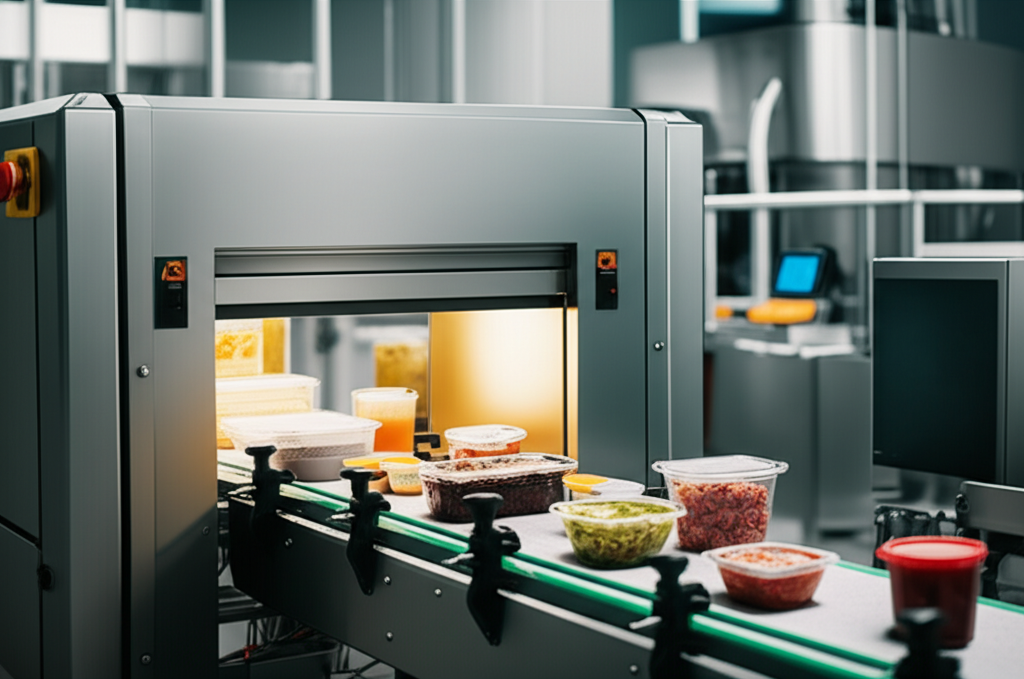
One major breakthrough is better sensitivity. Newer detectors can find tiny metal fragments. This is important because even small pieces can be dangerous. They use advanced electronics. These allow them to detect very faint metal signals.
Accuracy has also gotten much better. These machines can now ignore signals from non-metal items. This means fewer false alarms. It helps speed up the production line. It ensures only real metal problems are flagged.
Multi-Spectrum Detection Technology
Some advanced detectors use multi-spectrum technology. This means they use more than one frequency to scan. Different metals react differently to various frequencies. By using multiple frequencies, the detector gets a clearer picture.
This helps it identify a wider range of metals. It can find ferrous metals (like iron). It can also find non-ferrous metals (like aluminum and copper). It can even detect stainless steel. This makes them very versatile.
Integration with Production Lines
Modern metal detectors are designed to fit into existing food lines. They can be built into conveyor belts. They can also be placed on pipelines for liquids or powders. This makes checking food seamless.
These systems often work with other machines. They can be set up to automatically reject contaminated products. This saves time and labor. It ensures the line keeps running smoothly.
Enhanced Software and Data Logging
The software in these detectors has also advanced. It allows for more precise control. Users can set specific detection parameters. They can also store settings for different products. This makes switching between product types easy.
Many systems now log data. They record when metal was detected. They also record the type and size of the metal. This information is valuable. It helps companies track problems. They can use it to improve their processes. This is a big step for quality control.
Hygienic Design and Washdown Capabilities
Food processing environments need to be very clean. Metal detectors are designed with this in mind. They have smooth surfaces. They use materials that are easy to clean. Many are rated for high-pressure washdowns.
This hygienic design is vital. It prevents bacteria from building up. It ensures the detector itself doesn’t become a source of contamination. This is a key requirement for food safety.
Types of Metal Detectors Used in Food Processing
There are a few main types of metal detectors. Each is suited for different food products and processing stages.
Conveyor Belt Metal Detectors
These are the most common. The detector is built into a conveyor belt system. Food travels on the belt and passes through the detector’s opening. If metal is found, a rejection system activates. This is great for packaged goods, baked items, and produce.
Pipeline Metal Detectors
These are used for liquid or semi-liquid foods. Think milk, sauces, or dough. The detector is installed in a pipe. The food flows through the detector’s sensing area. It’s a very effective way to check bulk liquids.
Gravity Metal Detectors
These are used for free-falling powders or granules. Products like flour, sugar, or coffee beans drop through the detector. This type is good for products where a conveyor belt isn’t practical.
Drop-Through Metal Detectors
Similar to gravity detectors, these are designed for powders and granules. They are often used at the end of a processing line. They ensure final products are free of metal.
How to Choose the Right Metal Detector
Selecting the correct metal detector is important. You need one that fits your specific needs. Consider the type of food you process. Also, think about the size of metal pieces you need to find.
The production environment is also a factor. Is it a wet or dry area? What are the cleaning requirements? Your budget will also play a role.
Consider Your Product Type
Are you processing dry goods, liquids, or packaged items? This will determine the type of detector needed. For example, a conveyor belt detector is good for bread loaves. A pipeline detector is better for milk.
Determine Required Sensitivity
What size metal fragments are you most concerned about? Some detectors are better at finding very small pieces. You might need a high-sensitivity model for delicate products. For larger items, standard sensitivity might be enough.
Evaluate Your Production Environment
Think about the conditions where the detector will be used. Will it get wet? Does it need to withstand high temperatures? Choose a detector with the right build quality and IP rating for your factory.
Budget and ROI
Metal detectors are an investment. They protect your brand and customers. Calculate the potential cost of a recall versus the cost of a detector. This will help justify the purchase. Consider the long-term return on investment.
Implementing and Maintaining Your Metal Detector
Once you have your detector, proper setup is key. Training your staff is also very important. Regular maintenance ensures it keeps working well.
Installation and Calibration
The detector must be installed correctly. It needs to be calibrated to your specific product. This ensures it works at its best. Follow the manufacturer’s instructions carefully.
Staff Training
Your team needs to know how to use the detector. They should understand what to do when an alarm sounds. Proper training reduces errors. It ensures the system is used effectively.
Regular Testing and Maintenance
Test the detector regularly. Use test pieces of known metal sizes. This verifies its performance. Follow the maintenance schedule provided by the manufacturer. This prevents breakdowns and keeps it accurate.
The Future of Metal Detection in Food Safety
The technology continues to evolve. We can expect even more advanced features. AI and machine learning will likely play a bigger role. These could help detectors learn and adapt.
Future detectors might be able to identify metal types more precisely. They could also predict potential machine wear before it causes contamination. This proactive approach will further enhance food safety. The goal is always to make food safer.
Frequently Asked Questions
What is the most common type of metal contamination in food?
The most common types are ferrous metals like iron and steel. This often comes from worn-out machinery. Non-ferrous metals like aluminum and copper can also be a problem. Stainless steel is also a concern.
Can metal detectors find all types of metal?
Most modern detectors can find ferrous, non-ferrous, and stainless steel. However, their sensitivity can vary for each type. It’s important to choose a detector that is sensitive to the metals most likely to be present in your product.
How often should I test my metal detector?
It’s recommended to test your metal detector at least daily. Many facilities test it at the start of each shift. Testing with known metal test pieces ensures it’s working correctly.
What is an IP rating for a metal detector?
An IP rating (Ingress Protection) tells you how well a device is protected against dust and water. For food processing, a high IP rating like IP65 or IP69K is often needed. This means it can withstand cleaning with water jets.
Can metal detectors detect metal in foil packaging?
Yes, many modern metal detectors can detect metal in foil packaging. However, the foil itself can sometimes interfere with the signal. It’s important to test with your specific packaging to ensure reliable detection.
What is the difference between a metal detector and an X-ray system?
Metal detectors use electromagnetic fields to find metal. X-ray systems use X-rays to see inside products. X-ray systems can find a wider range of contaminants, including metal, glass, and bone. Metal detectors are generally more cost-effective for detecting metal only.
Conclusion: Securing Your Food Products with Advanced Detection
Metal detectors for food processing are not just tools; they are essential guardians of food safety. The breakthroughs in sensitivity, accuracy, and integration have made them more powerful than ever. By understanding these advancements, you can choose and implement the right system. This protects your consumers, your brand, and your business. Investing in a quality metal detector is a vital step toward ensuring the integrity of your food products.
