


Published on: November 5, 2025 | Updated on: November 5, 2025
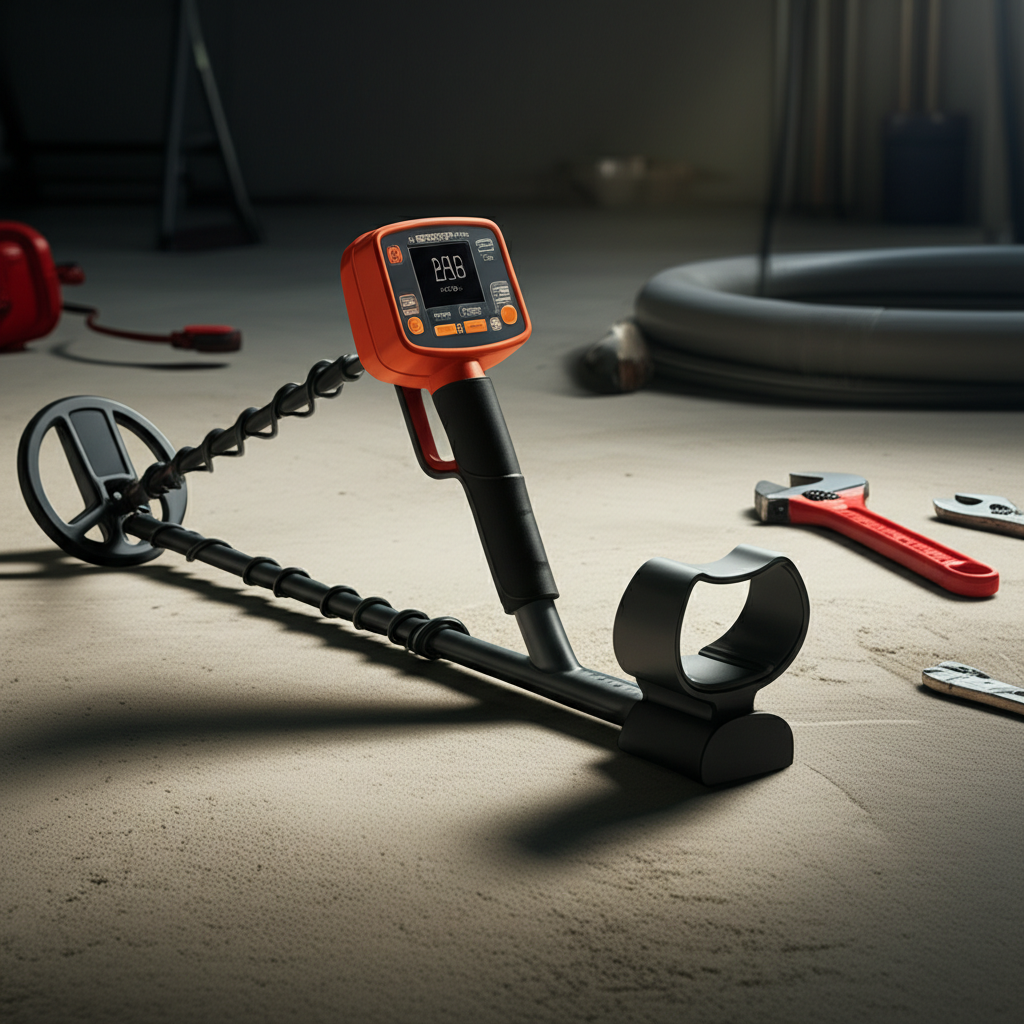
Metal Detector for Pipes: Essential Hidden Treasures Revealed
A metal detector for pipes helps locate buried utility lines, preventing costly accidental damage and uncovering forgotten infrastructure. This guide explores the best tools and techniques for safely finding hidden pipes, ensuring you dig with confidence and avoid underground surprises.
Metal detecting is a fantastic hobby. Many people think it’s just about finding old coins or pirate treasure. But sometimes, the most important finds aren’t shiny. They are the hidden things underground that can cause big problems if you hit them. This is where a special kind of metal detector comes in: a metal detector for pipes. These tools are crucial for anyone digging in their yard, planning a construction project, or even just exploring. They help you see what’s buried before you start digging. This guide will show you how to find these hidden pipes safely and effectively.
Why You Need a Metal Detector for Pipes
Finding buried pipes is vital for safety and preventing expensive repairs. Hitting a water pipe can cause flooding. Damaging a gas line is extremely dangerous. Electrical cables can shock you. A good metal detector for pipes acts as your underground eyes. It helps you avoid these hazards before they happen. It’s a smart tool for homeowners and professionals alike.
Understanding How Metal Detectors Work for Pipes
Most metal detectors work by sending out an electromagnetic field. When this field hits a metal object, it creates a change. The detector senses this change and alerts you. Different types of metal detectors are better for different tasks. For pipes, you need a detector that can sense larger, deeper targets. Some detectors are specifically designed for utility locating. They can often differentiate between different types of metal. They can also tell you how deep the object might be.
Types of Metal Detectors Suitable for Pipe Detection
Not all metal detectors are created equal when it comes to finding pipes. Standard hobbyist detectors might miss deeper or larger pipes. You’ll want to look at specific categories. These include utility locators and some pulse induction (PI) detectors. VLF (Very Low Frequency) detectors can also work. But they need to be set up correctly. The coil size and frequency of the detector also matter. Larger coils can find deeper targets. Lower frequencies are generally better for larger metal objects.
VLF Detectors for General Pipe Finding
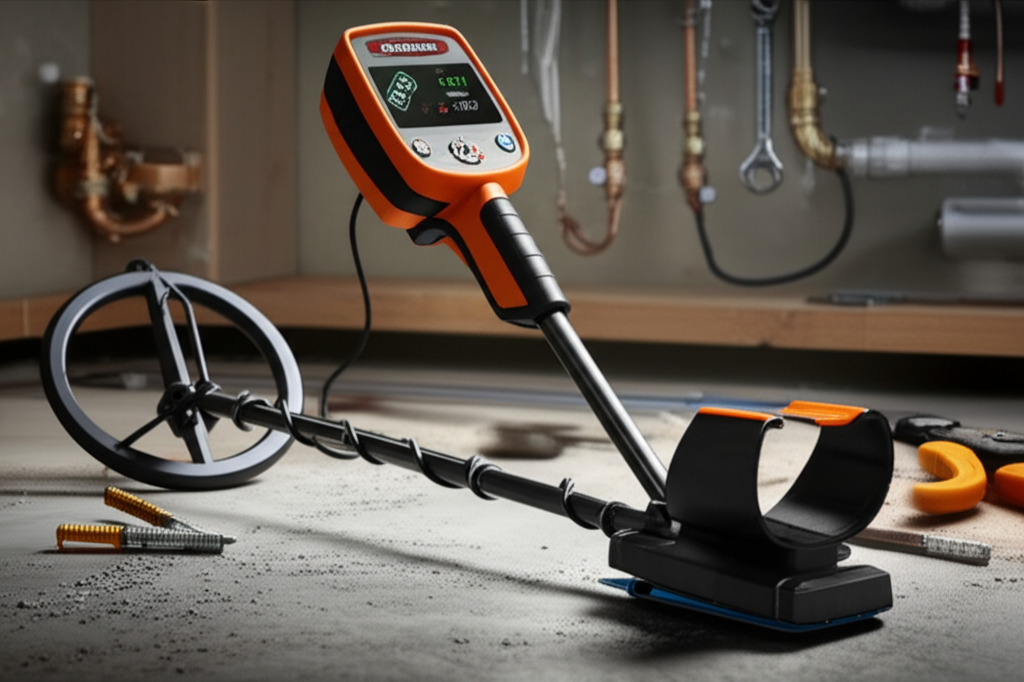
Very Low Frequency (VLF) detectors are common for treasure hunting. They work well for many metal objects. With the right settings and coil, they can find pipes. You need to adjust the sensitivity and discrimination. Discrimination helps ignore small junk metal. You want to set it low to avoid missing pipes. A larger VLF coil can improve depth. These are good for general-purpose use if you also want to find coins.
Pulse Induction (PI) Detectors for Deep Targets
Pulse Induction (PI) detectors are known for their depth. They send out short bursts of magnetic energy. These bursts create strong magnetic fields. PI detectors are less affected by mineralized ground. This makes them great for beaches and areas with lots of iron. They are excellent at finding large, deep metal objects like pipes. However, PI detectors usually don’t discriminate well. You will likely dig up more junk.
Dedicated Utility Locators
These are the professionals’ choice. Utility locators are built specifically for finding buried lines. They often come with a transmitter and receiver. The transmitter sends a signal down a known line. The receiver then traces that signal. Some advanced models can detect non-metallic pipes too. They can also locate specific types of metallic pipes like cast iron or copper. These are the most accurate but also the most expensive.
Key Features to Look For in a Metal Detector for Pipes
When choosing a metal detector for pipes, focus on specific features. Depth capability is paramount. You need a detector that can sense targets several feet down. Ground balancing is also important. It helps the detector ignore minerals in the soil. Adjustable sensitivity allows you to fine-tune performance. Different audio tones can help you identify target types. A larger search coil is generally better for finding pipes.
Choosing the Right Search Coil
The search coil is how your detector “hears” metal. For pipes, a larger coil is usually better. A 10-inch or 12-inch coil can cover more ground. It can also detect targets deeper in the soil. Some specialized coils are designed for utility locating. These might be elliptical or rectangular. They can help sweep along the path of a suspected pipe. Always check the manufacturer’s specifications for depth.
Understanding Frequency and Ground Balancing
Frequency affects what a metal detector can find. Lower frequencies (around 5-10 kHz) are good for larger, conductive targets like pipes. Higher frequencies (15 kHz and above) are better for small gold nuggets and thin jewelry. Ground balancing is crucial for consistent performance. It cancels out signals from minerals in the soil. Many detectors have automatic ground balancing. This makes them easier to use in varying soil conditions.
Best Metal Detectors for Finding Buried Pipes
Several brands offer excellent detectors suitable for pipe hunting. The Garrett AT Pro is a versatile VLF detector. It’s waterproof and handles various conditions well. The Minelab Equinox series is also a strong contender. It uses multi-frequency technology. This allows it to detect a wide range of targets at good depths. For serious utility locating, brands like Radiodetection or Fisher offer specialized tools. These are often more expensive but offer superior performance for professional use.
Garrett AT Pro: Good all-around VLF detector with excellent depth.
Minelab Equinox Series: Advanced multi-frequency detector for versatile use.
Fisher CZ-21: Deep-seeking underwater detector that also excels on land.
Radiodetection RD7100: Professional-grade utility locator for serious work.
Techniques for Locating Buried Pipes
Finding pipes requires more than just swinging a detector. You need a strategy. Start by researching your property. Look for old utility maps or building plans. Talk to previous owners if possible. Once you have a general area, use your metal detector. Sweep the area slowly and systematically. Overlap your sweeps to ensure full coverage. Listen carefully to the detector’s signals.
Pre-Detection Research: Maps and Clues
Before you even turn on your detector, do your homework. Check public records for utility maps. Many cities and counties have these available. Look for property surveys or blueprints. If you’re in an older area, consider the original building plans. These documents can give you a good idea of where major lines might run. Don’t rely on them solely, but they are a great starting point.
Systematic Sweeping and Signal Analysis
Once you’re in the field, sweep your detector coil in a grid pattern. Overlap each sweep by about half the coil’s width. Move the coil slowly and steadily, parallel to the ground. Listen for consistent, repeatable signals. A pipe will likely give a strong, broad signal. Try to pinpoint the center of the target. Mark the spot clearly with a flag or spray paint.
Using a Pinpointer for Precision
After identifying a likely pipe location with your main detector, use a pinpointer. A pinpointer is a small, handheld detector. It helps you narrow down the exact location of the target in the soil. This is crucial when you start digging. It prevents you from damaging the pipe with your shovel. Many pinpointers are waterproof for use in wet conditions.
Safety First: What to Do When You Detect a Pipe
Detecting a pipe is a critical moment. Stop digging immediately. Do not try to uncover it yourself if you suspect it might be a gas or high-voltage electrical line. In such cases, evacuate the area and call the utility company or emergency services. For water pipes, you can often carefully excavate around them. Use hand tools like a trowel or a small shovel. Always be gentle.
Common Challenges and How to Overcome Them
Finding pipes isn’t always easy. Deep pipes can be hard to detect. Mineralized soil can create false signals. Other buried metal objects can mask pipe signals. Using a larger coil and a PI detector can help with depth. Proper ground balancing is key for mineralized soil. Learning to interpret your detector’s signals is vital. Sometimes, you might need to use a combination of tools.
Dealing with Deep Targets
If your detector isn’t picking up a suspected pipe, it might be too deep. Try a larger search coil. Consider using a Pulse Induction detector. These are designed for greater depth. You might also need to adjust your detector’s settings. Increase sensitivity carefully. Ensure ground balancing is set correctly. Sometimes, a pipe is simply too deep for standard hobbyist detectors.
Navigating Mineralized Ground
Mineralized soil contains metals that can interfere with your detector. This is common in some areas. Use a detector with good ground balancing capabilities. Automatic ground balancing is very helpful. You may need to adjust the sensitivity lower. Some detectors have special modes for mineralized ground. Experiment with different settings to find what works best.
Distinguishing Pipes from Other Metal
Your detector might signal on old fence posts, rebar, or junk metal. This is where signal analysis is important. Pipes are usually long and continuous. They tend to give a broader, more stable signal than a small piece of junk. Learn to sweep from different directions. A true pipe signal will often remain consistent. Pinpointing will help confirm the shape.
Integrating with Other Digging Tools
A metal detector is just one part of the process. You’ll need other tools. A sturdy shovel is essential for digging. A trowel is useful for careful excavation around detected targets. A pinpointer is crucial for precise location. For larger projects, a mini-excavator might be needed. Always have safety gear, including gloves and sturdy footwear.
When to Call the Professionals
For significant projects or when dealing with suspected gas or high-voltage lines, call professionals. Utility locating services have specialized equipment. They can accurately map underground utilities. They also have the expertise to handle dangerous situations. It’s always better to be safe than sorry. Don’t risk your safety or costly damage.
Frequently Asked Questions about Metal Detectors for Pipes
What is the best type of metal detector for finding buried pipes?
Dedicated utility locators are best. For hobbyists, Pulse Induction (PI) detectors or VLF detectors with larger coils and good depth capabilities are suitable.
Can my regular coin-hunting metal detector find pipes?
It might, especially if the pipe is shallow and large. However, standard hobby detectors may lack the depth and sensitivity for deeper or smaller pipes.
How deep can a metal detector find pipes?
This varies greatly by detector model and coil size. Professional utility locators can find pipes several feet deep. Hobbyist detectors typically range from 1 to 3 feet for larger pipes.
What should I do if my metal detector finds a pipe?
Stop digging immediately. Identify the type of pipe if possible. If you suspect it’s a gas or electrical line, leave the area and call the utility company. For water pipes, carefully excavate with hand tools.
Are there metal detectors that can find non-metallic pipes?
Some specialized utility locators can detect certain non-metallic pipes using different technologies. Standard metal detectors cannot find non-metallic pipes.
What is the difference between a VLF and a PI metal detector for pipes?
VLF detectors use lower frequencies and discriminate well, good for general use. PI detectors excel at depth and in mineralized ground but generally don’t discriminate well, making them good for large, deep targets like pipes.
Conclusion: Digging with Confidence
Using a metal detector for pipes transforms the way you approach any digging project. It’s not just about finding lost treasures; it’s about uncovering the hidden infrastructure beneath our feet safely. By understanding the different types of detectors, key features, and proper techniques, you can confidently locate buried pipes. This prevents accidents, saves money, and ensures your projects go smoothly. Remember to always prioritize safety and call professionals when needed. Happy and safe detecting!
