


Published on: November 5, 2025 | Updated on: November 5, 2025
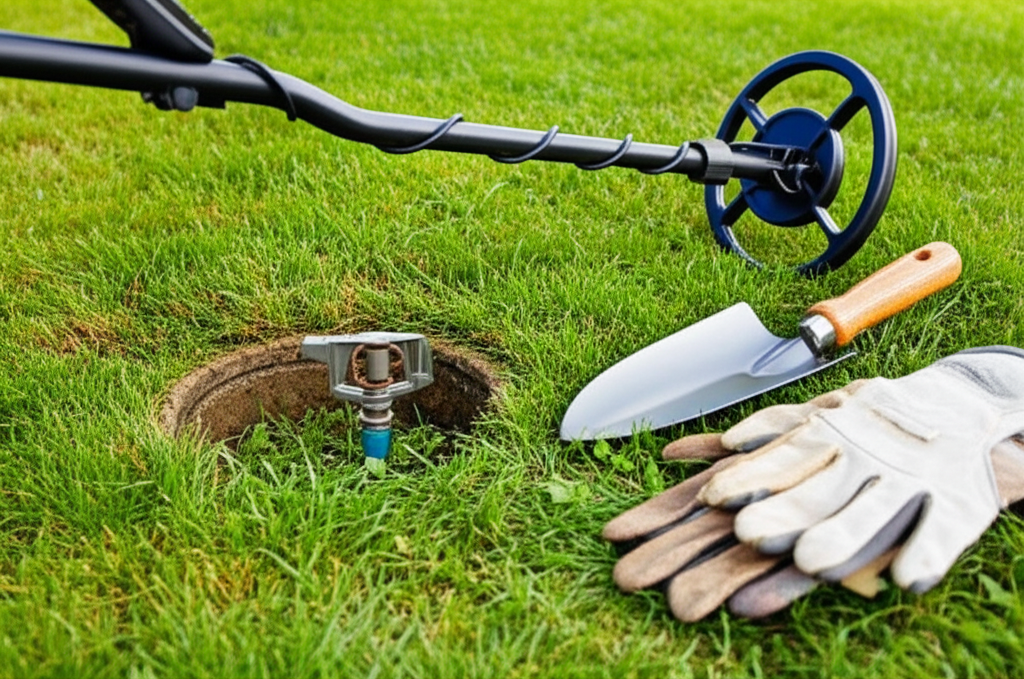
Use a metal detector to easily find buried sprinkler heads. This guide helps you choose the right tool to save time and effort when locating hidden irrigation.
Finding buried sprinkler heads can be a real headache. You might need to repair a broken line or just want to know where your sprinklers are. Digging randomly wastes time and can damage your system. Fortunately, a simple tool can make this task much easier. This guide will show you how to use a metal detector to find hidden sprinkler heads quickly and efficiently. We’ll cover what to look for and how to get the best results.
Why You Need a Metal Detector for Sprinkler Heads
A metal detector is perfect for finding buried sprinkler heads. These heads contain metal parts. A detector can sense these metal components underground. This saves you from guesswork and digging up your lawn. It’s a smart way to locate your irrigation system.
Understanding How Metal Detectors Work
Metal detectors use electromagnetic fields. They send a signal into the ground. When this signal hits metal, it bounces back. The detector then signals that metal is present. Different detectors have different sensitivities. This helps them find various types of metal objects.
Choosing the Right Metal Detector
Not all metal detectors are the same. For sprinkler heads, you don’t need a high-end gold detector. A simple, beginner-friendly model will work well. Look for a detector with good sensitivity to small metal objects. A detector with adjustable discrimination is also helpful. This lets you ignore trash like bottle caps.
Detector Types for Irrigation Hunting

All-Purpose Detectors: These are great for general use. They can find coins, jewelry, and sprinkler heads.
Waterproof Detectors: If you work in wet areas, a waterproof model is useful. It lets you scan near ponds or in wet soil.
Lightweight Models: You’ll be swinging the detector. A lighter model makes the job easier.
Key Features to Consider
Frequency: Lower frequencies are better for deeper targets. A range of 5-10 kHz is often good for general finds like sprinkler heads.
Coil Size: A medium-sized coil (around 8-10 inches) offers a good balance. It provides decent depth and coverage.
Sensitivity Settings: The ability to adjust sensitivity helps fine-tune your search. It can reduce false signals from small junk.
Essential Accessories for Finding Sprinkler Heads
Besides the detector, a few accessories make the job easier. A good pinpointer is crucial. It helps you zero in on the exact spot. Digging tools are also important. You need to excavate carefully.
Top Accessories to Have
Pinpointer: This handheld device helps locate the target precisely. It saves time and minimizes lawn damage.
Digging Trowel or Shovel: A sturdy trowel or a small shovel is needed. Choose one that won’t damage sprinkler parts.
Headphones: Headphones help you hear faint signals. They block out ambient noise.
Pouch or Bag: To collect any trash you dig up. It keeps your site clean.
Step-by-Step Guide to Finding Sprinkler Heads
Using a metal detector for sprinkler heads is straightforward. Follow these steps for success.
1. Prepare Your Detector
Assemble the detector according to its instructions.
Install fresh batteries.
Turn it on and set it to a general search mode.
Adjust the sensitivity to a medium level.
Set discrimination to ignore iron, but not all metals. You want to find the brass or plastic sprinkler parts.
2. Scan the Area
Walk slowly across the area where you suspect sprinkler heads are located.
Sweep the detector coil in a grid pattern. Overlap each sweep slightly.
Keep the coil parallel to the ground and about 1-2 inches above it.
Listen for a clear, consistent tone. This indicates a metal target.
3. Pinpoint the Target
When you hear a signal, sweep the coil over it from different directions.
Mark the area where the signal is strongest. You can use your foot or a small flag.
Use your pinpointer to narrow down the exact location within the marked spot. Move the pinpointer slowly over the area.
4. Dig Carefully
Once you’ve pinpointed the sprinkler head, start digging.
Use your trowel or small shovel to carefully remove a plug of grass and soil.
Dig around the target, not directly on top of it. This protects the sprinkler head.
As you dig, keep checking with your pinpointer. It will guide you to the metal object.
5. Recover the Sprinkler Head
Once exposed, you can identify the sprinkler head.
Carefully clear away any remaining soil.
If you are repairing it, turn off the water supply first.
Replace the soil and grass plug neatly after you are done.
Optimizing Your Search Strategy
A good strategy makes finding sprinkler heads faster. Knowing common locations helps. Using the right settings is also key.
Common Sprinkler Head Locations
Sprinkler heads are usually placed at corners of lawns. They are often found along straight edges. Look for them in a grid pattern. They are typically spaced evenly apart. Areas where water coverage is needed are prime spots.
Detector Settings for Best Results
Sensitivity: Start with medium sensitivity. Increase it if you miss signals. Decrease it if you get too many false alerts.
Discrimination: Set it to ignore iron (like nails or old cans). Avoid filtering out brass or aluminum, as sprinkler parts can be made of these.
Ground Balance: If your detector has it, set it to ground balance. This tunes out minerals in the soil.
Troubleshooting Common Issues
Sometimes, you might not get a clear signal. Or you might dig up junk instead of a sprinkler head. Here are some solutions.
Dealing with False Signals
False signals can come from buried trash or mineralized soil. Try reducing sensitivity slightly. Ensure your coil is not sweeping over power lines or metal fences. Check for interference from other electronic devices.
Finding Deep or Small Sprinkler Heads
Deeper sprinkler heads need a detector with good depth capability. A larger coil might reach deeper targets. Sometimes, very old or small sprinkler parts might be harder to detect. Patience and careful sweeping are important.
Metal Detector Brands and Models for Sprinkler Hunting
Many brands offer good detectors. For finding sprinkler heads, you don’t need the most expensive one. Brands like Garrett, Minelab, and Fisher offer reliable options.
Recommended Detector Models
Garrett AT Pro: A popular choice, waterproof and versatile. It handles various terrains well.
Minelab Equinox 600/800: Excellent performance with multiple frequencies. They are very capable detectors.
Bounty Hunter TK450: A budget-friendly option for beginners. It’s easy to use and effective for common targets.
These models are well-regarded in the metal detecting community. They offer good value for their performance.
Understanding Sprinkler System Metal Components
Sprinkler heads are not entirely metal. The body is often plastic. However, they have metal parts inside. These include valve mechanisms, springs, and sometimes metal risers. These metal components are what the detector finds.
Types of Metal in Sprinkler Heads
Brass: Many sprinkler nozzles and internal parts are brass. Brass is easily detected.
Stainless Steel: Some components use stainless steel. It’s also a good conductor for detectors.
Aluminum: Certain sprinkler parts can be aluminum. Aluminum is detectable.
Even plastic sprinkler heads often have metal components. This makes them targets for metal detectors.
Maximizing Your Finds and Minimizing Lawn Damage
The goal is to find the sprinkler head and leave the lawn looking good. Careful technique is key.
Techniques for Gentle Excavation
Always use a pinpointer to confirm the exact spot.
Start digging a small radius around the target.
Lift the soil plug carefully.
Replace the soil plug immediately after finding the head.
Press the grass back down firmly.
When to Call a Professional
If you have a very large area to cover or complex irrigation, consider a professional. Landscape companies often have specialized tools. However, for most homeowners, a metal detector is a great DIY solution.
Frequently Asked Questions (FAQ)
What is the best type of metal detector for sprinkler heads?
A general-purpose, beginner-friendly metal detector works well. Look for one with good sensitivity and adjustable discrimination.
Do I need a special metal detector for sprinkler heads?
No, a standard metal detector designed for coins and relics is sufficient. You don’t need a specialized or expensive model.
How deep can a metal detector find a sprinkler head?
Depth depends on the detector and soil conditions. Most detectors can find sprinkler heads buried 6-12 inches deep.
Can I use a metal detector in wet grass or after rain?
Yes, many metal detectors are water-resistant or waterproof. Always check the detector’s specifications before using it in wet conditions.
What if I get a signal but can’t find anything?
The signal might be from a small piece of metal trash or minerals in the soil. Try adjusting your detector’s sensitivity or discrimination settings.
How do I avoid damaging the sprinkler head when digging?
Dig around the target with a trowel instead of digging directly on top. Use a pinpointer to confirm the exact location before digging.
Conclusion: Your Lawn’s Hidden Treasure Map
Finding buried sprinkler heads doesn’t have to be a chore. With the right metal detector, you can easily locate them. This guide provides the knowledge to choose and use a detector effectively. A simple metal detector is an essential tool for any homeowner. It saves time, prevents damage, and makes lawn maintenance much simpler. Happy hunting for those hidden sprinkler heads!
