


Published on: November 6, 2025 | Updated on: November 6, 2025
Metal Detector Legend: Proven Essential Skills
Become a metal detector legend by mastering essential skills. This guide reveals proven techniques for finding more treasure, understanding your detector, and digging smarter. Learn the secrets of experienced detectorists to boost your finds and enjoy the hobby more.
Welcome to the exciting world of metal detecting! Many people dream of unearthing hidden treasures. But sometimes, it feels like the best finds are just out of reach. You might be using a great metal detector, but are you using it like a legend? This guide will show you the essential skills. We’ll cover everything from understanding your machine to finding those elusive targets. Get ready to improve your detecting game and make every outing a success.
What Makes a Metal Detector Legend?
A true metal detector legend isn’t just about owning a top-tier machine. It’s about the knowledge and skills the detectorist possesses. Legends understand their equipment deeply. They know how to interpret signals and read the ground. This expertise turns a simple hobby into a successful treasure hunt.
Becoming a legend means consistent success in finding valuable items. It requires practice and learning from every hunt. You develop a feel for what works and what doesn’t. This guide will help you build those foundational skills.
Mastering Your Metal Detector: The Basics
Your metal detector is your most important tool. Understanding its settings is key to finding more. Different detectors have different features. Learning yours is the first step to becoming a legend.
Every detector has basic controls. These usually include sensitivity, discrimination, and ground balance. Knowing how to adjust them for different conditions is crucial. A properly tuned detector finds targets others miss.
Sensitivity: The Detector’s Ears
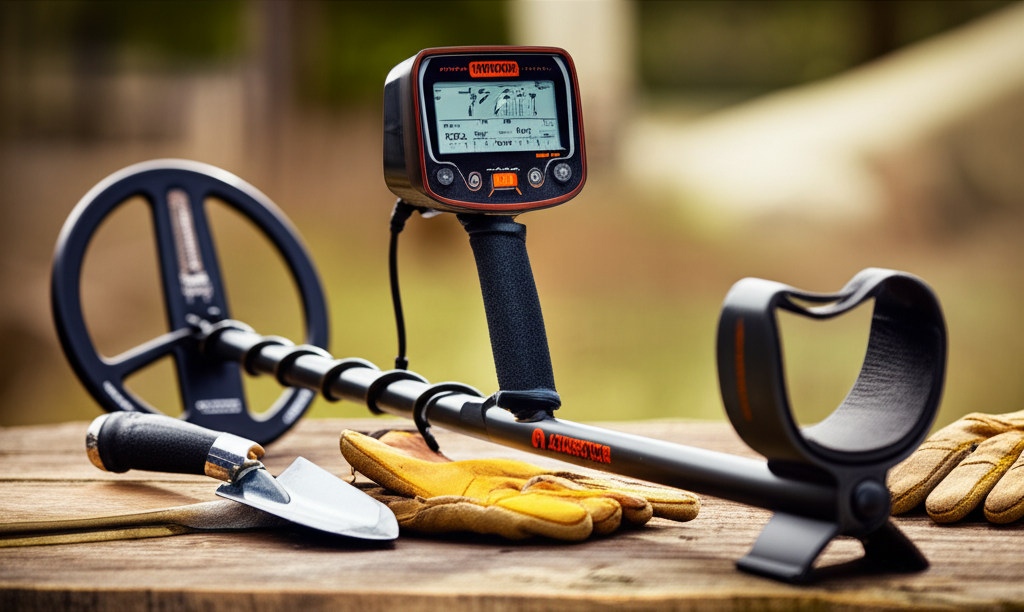
Sensitivity controls how well your detector picks up faint signals. Turning it up makes your detector more powerful. However, too much sensitivity can cause false signals. These are like phantom noises that confuse the detector. This happens in areas with lots of metal trash or mineralized ground.
The best sensitivity setting is usually the highest one that doesn’t cause chatter. Chatter is a constant, annoying noise. You want to hear clear signals of good targets. Experimenting in different locations helps find the sweet spot. This allows your detector to hear the smallest whispers of treasure.
Discrimination: Ignoring the Junk
Discrimination helps your detector ignore unwanted targets. These are often iron nails or pull tabs. Setting discrimination too high can make you miss good targets. Many rings and small gold items can be rejected. This is a common mistake for beginners.
It’s better to dig a few extra targets than to miss a valuable find. Learn what different tones sound like. Your detector’s manual explains these sounds. Understanding these sounds helps you decide which targets are worth digging. This skill separates a novice from a legend.
Ground Balance: Adapting to the Earth
Ground balance adjusts your detector to the minerals in the soil. Different soils have different mineral contents. These minerals can interfere with your detector’s signals. Automatic ground balance is common on modern detectors. Manual ground balance offers more control for advanced users.
Proper ground balance reduces false signals from the ground. This makes it easier to hear faint target signals. If your detector is acting strangely, try re-balancing the ground. This simple step can significantly improve your detecting performance. It’s like tuning a radio to get a clear station.
Essential Metal Detecting Tools Beyond the Detector
A metal detector is only part of the equation. Other tools are vital for success. These accessories help you locate, retrieve, and identify your finds. A true legend carries a well-equipped kit.
Having the right tools makes the digging process easier and more efficient. It also helps protect your finds and the environment. Let’s look at the must-have gear.
The Mighty Pinpointer
A pinpointer is a small, handheld detector. It’s used inside the plug of dirt you dig. This makes finding the target object much faster. Digging a large hole and then searching with your main detector is slow. A pinpointer precisely locates the target within the soil plug.
Using a pinpointer saves time and reduces the amount of digging. It also helps you retrieve delicate items without damaging them. This is an indispensable tool for any serious detectorist. Think of it as a magnifying glass for your target.
Digging Tools: Shovels and Trowels
You need good digging tools to access your targets. A sturdy shovel is essential for cutting plugs in grass. A strong trowel is useful for softer soil or digging smaller targets. Choose tools that are durable and comfortable to use.
Some detectorists prefer serrated edges on their shovels. This helps cut through roots. Always try to dig clean plugs. This allows you to replace the turf neatly afterward. Proper digging preserves the site for future hunts.
Other Useful Accessories
A comfortable backpack is great for carrying your gear. A finds pouch is essential for storing your treasures. Gloves protect your hands. A water bottle keeps you hydrated on long hunts. A small brush can help clean off dirt from finds.
Consider a digging kit with different tools. Some people use a sand scoop for beach detecting. Bringing a flashlight is useful for dusk or early morning hunts. Being prepared with these items makes your detecting experience much better. It shows you are serious about your hobby.
Understanding Metal Detector Signals: The Language of Finds
Every beep and tone from your metal detector is a message. Learning to decode these messages is a core skill. Different metals produce different signals. Practice helps you recognize these patterns.
Your detector’s display often shows a number. This number relates to the conductivity of the metal. Iron typically shows low numbers. High-value coins often show mid to high numbers. These numbers are a guide, not a guarantee.
Interpreting Tones
Most detectors use different tones for different targets. A low tone might mean iron. A mid-tone could be a pull tab or zinc penny. A high tone often indicates silver or copper coins. Some detectors have multiple tones for various targets.
Listen carefully to the target’s sound. Is it a clear, sharp tone? Or is it broken and chattery? A good target usually sounds solid and consistent. Learn your detector’s specific tones. This knowledge is invaluable for deciding whether to dig. It’s like learning a secret code.
Reading the Display
The visual display on your detector provides extra information. It shows a target ID number. It might also show a target shape icon. These displays help you identify potential targets before digging. However, they are not always accurate.
Deeper targets or targets near other metal can confuse the display. Always use both audio tones and visual cues. Over time, you will develop an intuition for reading signals. This combined approach increases your chances of making a great find. It helps you make informed decisions in the field.
Location, Location, Location: Where to Find Treasure
Finding treasure isn’t just about your detector; it’s about where you search. Certain locations are more likely to yield interesting finds. Historical research is your best friend here.
Think about where people gathered in the past. Old parks, schoolyards, and fairgrounds are excellent spots. Beaches and riverbanks can also hold many lost items. Always research local laws before detecting on private or public land.
Historical Hotspots
Old homesites are prime locations for finding relics and coins. Look for places where people lived, worked, and played long ago. Old roads, picnic areas, and swimming holes are also good bets. Research old maps and historical records to identify these areas.
Cemetery edges can sometimes produce finds. However, always be respectful and follow cemetery rules. Detecting near old churches or town centers can be very rewarding. These places have seen generations of activity. This means more chances for lost items.
Parks and Public Areas
Public parks are popular places for families. This means more dropped coins and jewelry. Look for areas near benches, playgrounds, and walking paths. Old parks often have a longer history of use. They might contain older coins and artifacts.
Be aware of park rules regarding metal detecting. Some parks prohibit it. Always fill your holes and leave the area as you found it. Respecting the rules ensures you can return and others can enjoy the park too. Good etiquette is part of being a legend.
Beach and Water Hunting
Beaches are fantastic for finding modern coins and jewelry. People lose items while swimming or relaxing. The constant movement of sand can also uncover older items. Waterproof detectors are essential for water hunting.
Saltwater can be harsh on electronics. Ensure your detector is designed for it. Look for areas where people swim or sunbathe. The “wet sand” near the water’s edge often yields the best finds. It’s a dynamic environment where treasures are constantly revealed.
Mastering the Dig: Technique and Ethics
How you dig is as important as where you dig. Good digging technique helps you retrieve targets cleanly. Ethical detecting ensures you can continue to hunt and preserve sites.
Always aim for a clean, neat hole. This allows you to replace the turf perfectly. Leaving a mess can get detecting banned from an area. A legend respects the land and its history.
Cutting a Clean Plug
Use your shovel to cut a U-shaped or three-sided plug. Carefully lift the turf. Try not to damage the grass roots. Dig down just deep enough to retrieve your target. A pinpointer is invaluable here.
Once the target is located, remove it gently. Use your pinpointer to ensure you have the entire item. Avoid scraping or gouging the target. Delicate items require careful handling.
Replacing the Plug
Place the dirt you removed beside the hole. Carefully place the turf plug back into its original position. Press it down firmly. You want it to look like you were never there. This is crucial for maintaining access to detecting sites.
If possible, use your foot to blend the edges. This helps the grass heal quickly. Leaving no trace is a fundamental rule of responsible detecting. It demonstrates respect for the environment and property owners.
Ethical Considerations
Always get permission before detecting on private property. Respect “no detecting” signs on public land. Report any significant historical artifacts to the proper authorities. Do not dig in sensitive historical or archaeological sites.
Leave the area cleaner than you found it. Pack out any trash you dig up, even if it’s not yours. Being a responsible detectorist builds a good reputation for the hobby. This ensures we can continue enjoying our passion. Ethical behavior is a hallmark of a true metal detector legend.
Advanced Techniques for Finding More
Once you’ve mastered the basics, you can explore advanced methods. These techniques can help you find targets that others miss. They require more practice and understanding.
Experimenting with different coil sizes can be beneficial. Larger coils cover more ground. Smaller coils offer better pinpointing and separation in trashy areas. Coil control is also important.
Coil Control and Swing Speed
Swing your coil smoothly and evenly. Overlap each swing by about half the coil’s width. Keep the coil parallel to the ground as much as possible. This ensures consistent detection depth.
Avoid swinging the coil too fast. This can cause you to miss targets, especially deeper ones. Conversely, swinging too slowly might pick up too much ground noise. Find a rhythm that works for your detector and conditions. A consistent swing speed is vital.
Dealing with Trashy Sites
Highly littered sites can be frustrating. Iron can mask good targets. Use a smaller coil for better target separation. Learn to distinguish faint good signals from iron chatter.
Digging questionable targets is often necessary. A careful dig and pinpointer use can save valuable items. Sometimes, the best finds are found in areas others have given up on. Persistence pays off.
Using Different Frequencies
Some detectors offer multiple frequencies. Lower frequencies are better for larger, deeper targets like old coins. Higher frequencies excel at detecting small gold nuggets and thin silver. Understanding your detector’s frequency capabilities is key.
If you’re hunting for hammered silver coins, a higher frequency might be best. For older, larger copper coins, a lower frequency could be more effective. Some detectors offer multi-frequency simultaneous detection. This combines the benefits of different frequencies.
Maintaining Your Metal Detector
Your metal detector is an investment. Proper care ensures it lasts for years. Keeping it in good condition means reliable performance.
Clean your detector after each use. This prevents dirt and moisture from causing damage. Store it in a protective case when not in use.
Cleaning Your Detector
Wipe down the coil, shaft, and control box with a damp cloth. Avoid harsh chemicals. For stubborn dirt, use a mild soap and water solution. Ensure the detector is completely dry before storing.
Pay attention to the coil connector. Keep it clean and free of debris. This ensures a good connection for optimal performance. Regular cleaning is simple but effective maintenance.
Storage and Protection
Store your detector in a cool, dry place. Avoid extreme temperatures. A padded detector bag or a hard case offers excellent protection during transport and storage.
Protect the coil from impacts. The coil is the most sensitive part of your detector. Avoid dragging it across rough surfaces. Proper storage prevents damage and extends the life of your equipment. This ensures your detector remains a reliable tool for years.
FAQ: Your Metal Detecting Questions Answered
What is the best beginner metal detector?
For beginners, detectors like the Garrett ACE 400 or Minelab Vanquish 440 are excellent choices. They are user-friendly and offer good performance for the price. They provide essential features without being overwhelming. These machines help new detectorists learn the ropes effectively.
How deep can a metal detector find things?
The depth a detector can reach varies greatly. It depends on the detector’s power, coil size, and target size. Generally, detectors can find targets from a few inches to over a foot deep. Larger, more conductive targets are found deeper. Smaller targets require more powerful detectors and optimal conditions.
Can I metal detect in a park?
Many parks allow metal detecting, but rules vary. Always check with the local park authority or city regulations. Some parks have specific areas where detecting is permitted or prohibited. Respecting these rules is crucial for continued access.
What is the most valuable thing to find with a metal detector?
The most valuable finds can range from gold coins and jewelry to rare historical artifacts. However, “value” is subjective. Some detectorists find immense joy in uncovering old buttons or colonial-era relics. Personal satisfaction is often the greatest treasure.
How do I avoid digging too much trash?
Learn to interpret your detector’s tones and target ID numbers. Practice identifying the sounds of junk targets versus good targets. Use a pinpointer to confirm targets before extensive digging. Sometimes, it’s best to dig questionable targets to learn from them.
What is the best time of year for metal detecting?
The best time often depends on your location and target type. Spring and fall offer pleasant weather and less ground cover. After rain, the ground can be softer, making digging easier. Beaches can be productive year-round. Always consider weather conditions and local access.
Is metal detecting legal everywhere?
Metal detecting is legal in many places, but not all. Laws vary significantly by country, state, and local municipality. It is often prohibited in national parks, historical sites, and protected areas. Always research and obtain necessary permissions before detecting.
Conclusion: Your Journey to Becoming a Metal Detector Legend
Becoming a metal detector legend is a rewarding journey. It combines skill, knowledge, and a bit of patience. By mastering your detector, understanding signals, and using the right tools, you significantly increase your chances of success. Remember that ethical detecting and respecting the environment are paramount.
The most important element is practice. Each outing teaches you something new. Keep learning, keep digging, and enjoy the thrill of discovery. With these proven essential skills, you are well on your way to becoming a true metal detector legend.
