


Published on: November 9, 2025 | Updated on: November 9, 2025
Metal Detector Technology: Essential Breakthroughs Revealed
Metal detector technology has rapidly advanced, moving beyond basic detection to sophisticated pinpointing, discrimination, and even wireless capabilities, making treasure hunting more accessible and rewarding than ever before.
Metal detecting is a fascinating hobby. It lets you explore the outdoors. You can find old coins, lost jewelry, and historical relics. But sometimes, choosing the right gear feels tricky. Understanding the technology behind metal detectors helps a lot. This guide will break down the key advancements. We’ll explore how these changes make finding treasures easier. Get ready to learn about the exciting world of metal detector technology.
The Evolution of Metal Detector Technology: From Simple Circuits to Smart Devices
Metal detector technology has come a long way. Early detectors were simple. They used basic electronics. Modern detectors are very advanced. They use microprocessors and digital signals. This makes them more sensitive and accurate.
Early Days: The Dawn of Induction Balance
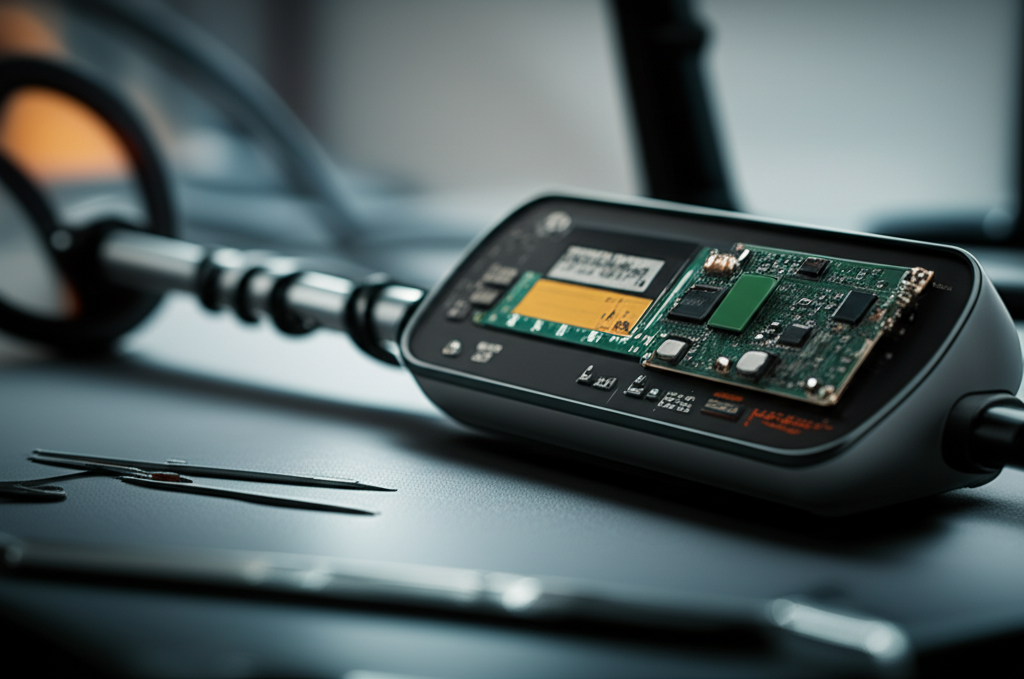
The first metal detectors were quite basic. They relied on a simple principle. This principle is called Induction Balance (IB). An IB detector has two coils. One coil sends out a signal. The other coil listens for changes. When metal is near, the signal changes. The detector then makes a sound. These early models were good for finding large metal objects. They weren’t very good at telling different metals apart.
The Rise of VLF: Better Discrimination and Depth
Very Low Frequency (VLF) technology changed the game. VLF detectors use a lower frequency. This helps them to detect smaller objects. More importantly, VLF technology allows for discrimination. Discrimination means the detector can ignore certain types of metal. For example, it can ignore iron nails. This saves you from digging up trash. VLF detectors are great for finding coins and jewelry. They are very popular with hobbyists.
Pulse Induction (PI) Technology: Tackling Tough Ground
Pulse Induction (PI) technology is different. PI detectors send out short pulses of energy. They then listen for the echo from metal. PI technology is excellent in mineralized ground. This means ground with a lot of iron ore or salt. Such ground can confuse VLF detectors. PI detectors can also go deeper for larger targets. They are often used for gold prospecting. However, PI detectors usually cannot discriminate well.
Key Technological Advancements Shaping Modern Metal Detectors
Modern metal detectors offer features unimaginable decades ago. These advancements enhance user experience and detection success. Let’s look at some of the most impactful breakthroughs.
Multi-Frequency Technology: Versatility in Every Sweep
One of the biggest breakthroughs is multi-frequency technology. Some detectors can use multiple frequencies at once. Other detectors let you switch between frequencies. Different frequencies are good for different targets. Low frequencies find large, deep objects. High frequencies find small, shallow objects. Multi-frequency detectors offer the best of both worlds. They work well in various soil conditions. They can find a wide range of targets. This makes them very versatile for all types of detecting.
Digital Signal Processing (DSP) and Microprocessors
Detectors now use powerful digital processors. These are like the brains of the detector. They process signals much faster. This leads to better target identification. It also improves noise reduction. Microprocessors allow for more complex features. These include adjustable settings and target IDs. Target ID is a number that suggests what the metal might be. This helps you decide if it’s worth digging. DSP makes detectors smarter and more user-friendly.
Wireless Audio Technology: Freedom to Explore
Tangled headphone cords can be annoying. Wireless audio technology solves this problem. Many modern detectors come with wireless headphone options. Some detectors have built-in wireless modules. You can buy separate wireless adapters. This gives you more freedom to move. You can explore without getting snagged. It makes detecting much more comfortable.
Waterproof Designs: Expanding Your Hunting Grounds
Many new metal detectors are fully waterproof. This means you can take them underwater. You can search beaches, rivers, and lakes. This opens up a whole new world of possibilities. Imagine finding lost rings in the shallows. Waterproof detectors are built tough. They are designed for harsh environments. This makes them great for beachcombers and divers.
Understanding Your Detector’s Coil: The Eyes and Ears of the Machine
The coil is a crucial part of any metal detector. It’s what actually detects the metal. Different coil types have different strengths. Choosing the right coil can significantly improve your finds.
Monoloop vs. Double-D Coils: Pros and Cons
There are two main coil shapes: Monoloop and Double-D. Monoloop coils are generally more sensitive. They can detect smaller targets at greater depths. However, they are more prone to ground mineralization. Double-D coils are better at handling mineralized ground. They also offer good target separation. This means they can pick out two targets close together. Many detectorists use both types. They switch coils depending on the site.
Coil Size and Shape: Finding the Right Fit
Coil size matters. Smaller coils are lighter. They are good for pinpointing targets. They also work well in trashy areas. Larger coils cover more ground faster. They can also detect deeper. However, large coils can be heavier. They might struggle with very mineralized soil. Different shapes exist too. Elliptical coils are good for navigating tight spaces. Concentric coils offer good depth and stability.
Submersible and Wireless Coils
Just like the detector main units, coils can also be waterproof. This allows for underwater detecting. Some coils also feature wireless technology. This connects them directly to wireless headphones. It offers even more convenience and freedom.
Pinpointers: The Essential Tool for Precise Recovery
Once your metal detector signals a target, a pinpointer helps you find it quickly. These are small, handheld devices. They are much more sensitive than a detector’s coil. They help you zero in on the exact location of the object.
Why You Need a Pinpointer
Digging a large plug of dirt is inefficient. It can also damage the area you are searching. A pinpointer lets you narrow down the target. You can probe the soil or the plug. The pinpointer will beep faster as you get closer. This saves time and effort. It also helps you recover targets without damaging them.
Types of Pinpointers: Vibration, Sound, and LED Indicators
Pinpointers use different ways to signal. Some use vibration only. This is useful underwater or in noisy environments. Others use audible beeps. Many have both vibration and sound. They also often feature LED lights. These lights help you see the target in dark holes. Some advanced pinpointers have depth indicators.
Digging Tools and Accessories: Completing the Treasure Hunting Kit
Finding a target is only half the battle. You need the right tools to dig it up carefully. A good digging tool is essential. Other accessories can make your detecting trips more enjoyable.
Choosing the Right Digging Tool
Shovels and trowels are common. Look for sturdy, sharp digging tools. Stainless steel is a good material. Serrated edges can help cut through roots. Some detectorists use special digging trowels. These are designed for soil plugs. Others prefer a small, sturdy shovel. Always try to dig neat plugs. This helps you restore the site properly.
Essential Accessories for the Field
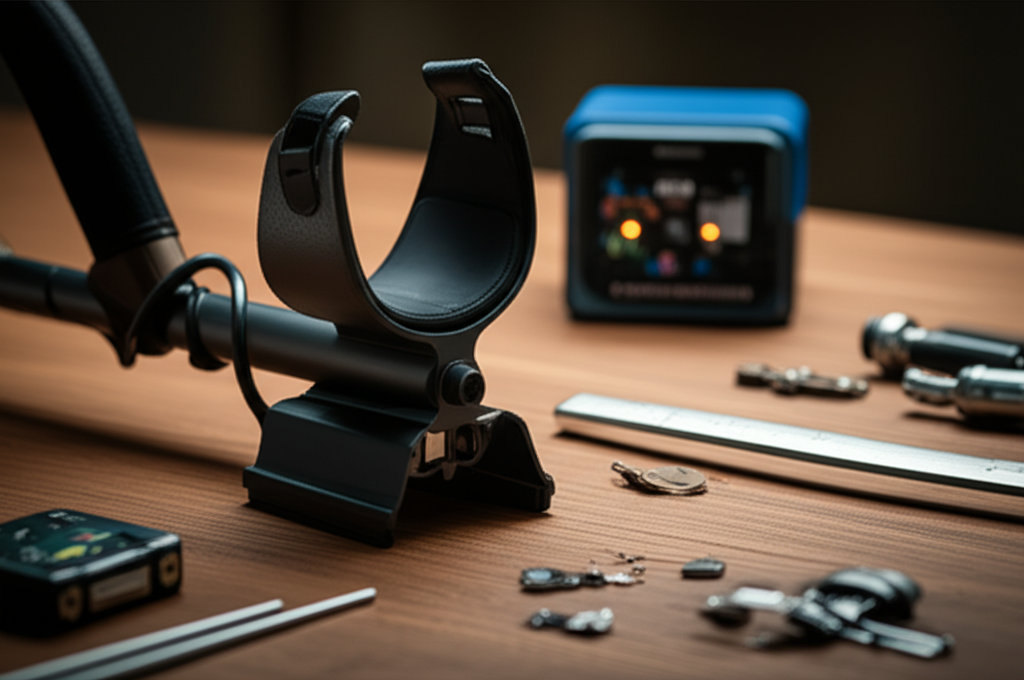
A good digging tool is a must. A comfortable backpack or pouch is also important. You need a place to put your finds. You also need a place for trash. Carry extra batteries for your detector and pinpointer. Gloves can protect your hands. A small brush helps clean your finds. A sand scoop is great for beach detecting.
Advanced Features and Technologies to Watch For
The technology in metal detectors continues to evolve. Here are some features that are becoming more common. They offer even more capabilities to detectorists.
Ground Balancing: Adapting to Different Soils
Ground balancing is very important. It helps the detector ignore minerals in the soil. This allows the detector to perform better. There are two types: automatic and manual. Automatic ground balancing adjusts itself. Manual ground balancing requires user input. Many modern detectors have excellent automatic ground balancing. This makes them easier to use in varied conditions.
Target ID and Notch Discrimination
Target Identification (ID) gives you a number. This number suggests what the target might be. Notch discrimination lets you ignore specific target ID ranges. For example, you can set it to ignore pull-tabs. This is very useful in trashy areas. It helps you avoid digging junk. These features make detecting more efficient.
Bluetooth Connectivity and App Integration
Some high-end detectors offer Bluetooth. This lets you connect to your smartphone. You can use a special app. The app can show target data. It can also record your finds. You can even update the detector’s software. This connectivity adds a modern, smart element. It can help you analyze your finds later.
Choosing the Right Metal Detector for You
With so many options, how do you pick? Consider what you want to find. Think about where you will be detecting.
Beginner Detectors: Easy to Use and Affordable
If you’re new to the hobby, start simple. Look for detectors with easy controls. Many beginner models are very capable. They offer good performance for the price. They are often lighter and easier to handle. Don’t feel pressured to buy the most expensive model first.
Intermediate and Advanced Detectors: Features for Serious Hobbyists
As you gain experience, you might want more features. Intermediate detectors offer more control. They have better discrimination and depth. Advanced detectors have cutting-edge technology. They are often multi-frequency. They offer the best performance in all conditions. These are for dedicated enthusiasts.
Specialty Detectors: Gold Prospecting and Underwater Use
If you’re focused on gold, look for PI detectors. These are best for mineralized ground. For underwater use, choose a fully waterproof model. Some detectors are designed for specific tasks. Research these if you have a particular interest.
Maintaining Your Metal Detector for Longevity
Proper care ensures your detector lasts. It also keeps it working at its best. Follow the manufacturer’s instructions.
Cleaning Your Detector
After each outing, clean your detector. Wipe down the control box and shaft. Clean the coil gently. Avoid harsh chemicals. Use a damp cloth. This prevents dirt buildup. It also protects the electronics.
Battery Care
Use good quality batteries. Rechargeable batteries are a good investment. Follow battery charging guidelines. Remove batteries if storing the detector for a long time. This prevents corrosion.
Storage and Protection
Store your detector in a dry place. Use a protective cover or bag. This shields it from dust and damage. Protect the coil from scratches. Avoid extreme temperatures.
The Future of Metal Detector Technology
What’s next for metal detector technology? We can expect even smarter devices. AI might play a bigger role. Expect better target analysis. Perhaps even GPS integration will improve. Wireless technology will likely become standard. Detectors may become lighter and more ergonomic. The goal is always to find more, faster, and easier.
Frequently Asked Questions About Metal Detector Technology
What is the most important part of a metal detector?
The coil is the most important part. It’s what senses the metal in the ground. Different coils are suited for different tasks.
Can I use any metal detector on the beach?
Some detectors work better on beaches. Look for models with good salt water modes. Fully waterproof detectors are best for wet sand and water.
How deep can metal detectors find things?
Depth depends on the detector, coil size, and target size. Larger coils and powerful detectors can find targets deeper. Generally, a few inches to a couple of feet is common.
What does “discrimination” mean on a metal detector?
Discrimination means the detector can ignore certain metals. It usually ignores iron. This helps you avoid digging junk like nails.
Is metal detecting a difficult hobby to learn?
It’s not too difficult to start. Learning the basics takes some practice. Understanding your detector’s sounds and settings is key. Many online resources can help beginners.
Do I need a special license to metal detect?
It depends on where you want to detect. You usually need permission to detect on private land. Public parks and historical sites often have restrictions. Always check local rules and regulations.
Conclusion: Embracing the Technological Advancements in Metal Detecting
Metal detector technology has transformed a simple hobby. It has become a sophisticated pursuit. From VLF and PI to multi-frequency and wireless audio, the innovations are impressive. These breakthroughs help us find more treasures. They make the hobby more enjoyable and accessible. Understanding metal detector technology empowers you. It helps you choose the right gear. It guides you to better techniques. So, get out there and explore. Happy hunting with your advanced metal detector!
