


Published on: November 9, 2025 | Updated on: November 9, 2025
Metal Detector Test Pieces: Essential Hidden Finds for Accurate Detection
Metal detector test pieces are vital for calibrating your machine, ensuring it can accurately identify different targets. Using them helps you learn your detector’s sounds and signals. This guide covers why they matter and how to use them effectively.
Metal detecting is a rewarding hobby. You can find old coins, lost jewelry, and historical relics. But sometimes, your metal detector doesn’t seem to work right. You might miss good targets or get too many false signals. This is often because the detector isn’t set up correctly. Using special test pieces can fix this. They help you understand your detector better. This guide will show you exactly how to use these important tools. We’ll cover everything from what they are to how they improve your finds.
What Are Metal Detector Test Pieces?
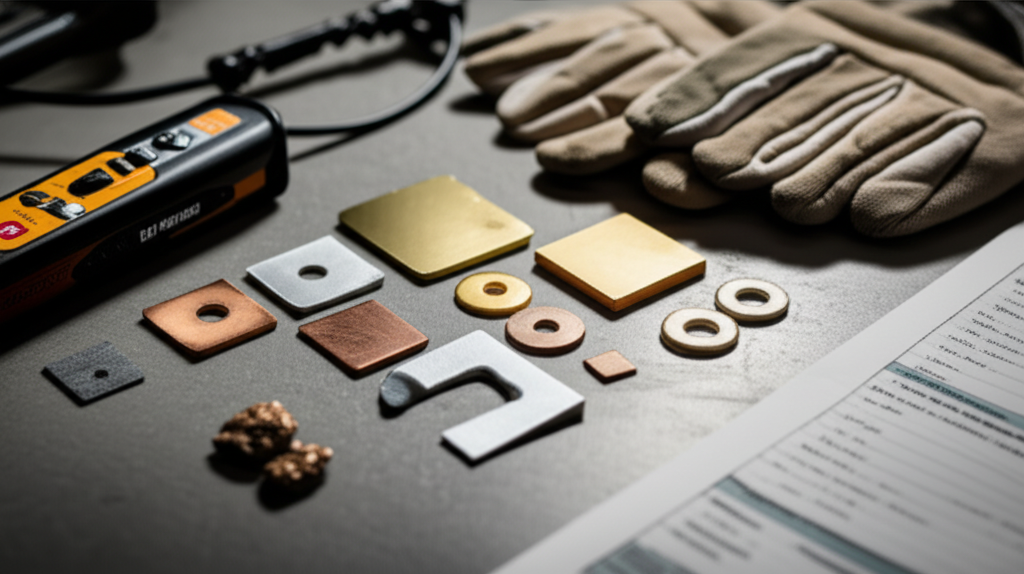
Metal detector test pieces are small, known metal objects. They are used to check how a metal detector responds to different types of metal. These pieces are not usually found in the ground. Instead, you buy or make them to train yourself and your machine. They represent common targets you might find, like coins or jewelry.
Using test pieces helps you learn your detector’s unique sounds. Each metal type makes a different signal. By testing, you can tell apart a rusty nail from a silver coin. This skill is crucial for making better finds. It saves you time digging trash and helps you pinpoint valuable items.
Why Are Test Pieces So Important?
Test pieces are like practice drills for your metal detector. They let you practice identifying targets without going out to a field. This is especially useful for beginners. You can learn at home in a controlled environment. Understanding how your detector reacts to different metals is key to success.
Without testing, you might dig up a lot of junk. You could also walk right over a valuable find. Test pieces help you avoid these common mistakes. They build your confidence and improve your detecting skills. This leads to more enjoyable and successful hunts.
Types of Metal Detector Test Pieces
There are several types of metal detector test pieces. Each one represents a different kind of metal. You can find test pieces made from common metals like iron, aluminum, and copper. There are also test pieces for precious metals like silver and gold. Some advanced users even have test pieces for different types of stainless steel.
You can buy kits with various test pieces. These often come with charts explaining what each piece represents. Some detectorists also create their own test pieces. They might use old coins, pieces of scrap metal, or even small jewelry items. The goal is to have a range of known metals to test with.
Testing Different Metals: A Practical Guide
Testing different metals is straightforward. First, place a test piece on the ground. Then, sweep your metal detector coil over it. Listen carefully to the sound and watch the display. Note the target ID number if your detector has one. Repeat this with each test piece you have.
Try testing at different depths. Bury the test pieces just a little bit. This shows you how your detector performs with shallow and deeper targets. It’s important to practice in an open area. Make sure there are no other metal objects nearby that could interfere. This ensures accurate results for each test piece.
Understanding Your Detector’s Signals
Every metal detector makes different sounds for different metals. A detector might give a high-pitched tone for a coin. It might give a low, choppy tone for a piece of iron. The display screen on many detectors shows a number. This number, the Target ID, helps identify the type of metal.
Learning these signals takes practice. Use your test pieces to create a personal reference chart. Write down the sounds and numbers for each metal type. This chart becomes your cheat sheet in the field. It helps you make quick decisions about whether to dig.
The Role of Ground Conditions
Ground conditions can affect how your metal detector works. Soil can contain minerals that confuse the detector. This is called ground mineralization. It can make some signals weaker or create false sounds. Testing your detector with test pieces in different ground conditions is wise.
For example, test on dry sand, wet sand, and soil. See if the signals change. You might need to adjust your detector’s settings. Many detectors have a ground balance feature. This helps cancel out mineral interference. Testing with your test pieces helps you find the best settings for your location.
Advanced Testing Techniques
Once you master basic testing, you can try advanced techniques. You can test how your detector handles trashy areas. Place several test pieces close together. See if your detector can still separate them. This is important for finding good targets in places with a lot of junk.
You can also test different coil sizes. Larger coils cover more ground. Smaller coils are better for pinpointing and trashy sites. Testing with test pieces helps you understand the strengths of each coil. This knowledge guides your choice of equipment for different types of hunts.
Choosing the Right Metal Detector
The best metal detector for you depends on what you want to find. Some detectors are great for coins and jewelry. Others are designed for gold prospecting or relic hunting. Test pieces can help you evaluate different detectors. If you are buying a new machine, ask about test pieces.
Many dealers will let you test detectors with your own test pieces. This is a great way to see how a machine performs. Look for a detector with good target separation. It should also have adjustable settings. A detector that is easy to learn is best for beginners. Consider your budget and the types of places you plan to hunt.
Essential Accessories for Testing
Besides test pieces, a few accessories make testing easier. A small shovel or trowel is useful for burying test pieces. A pinpointer is essential for finding targets once you dig. A small bag or container helps keep your test pieces organized. You might also want a notebook and pen to record your findings.
Having these items ready makes your testing sessions more efficient. It allows you to simulate real hunting conditions accurately. Good preparation is key to getting the most out of your metal detector. It ensures your testing is thorough and helpful.
Frequently Asked Questions
What is the easiest way to get metal detector test pieces?

You can buy pre-made test kits online from metal detecting stores. Many kits include common coins and small metal samples. You can also make your own using items like old coins, nails, and aluminum foil.
Can I use any metal object as a test piece?
Yes, but it’s best to use objects made of known metals. This helps you learn your detector’s specific responses. Using random objects might give confusing signals. It’s better to start with clear, identifiable metals.
How deep should I bury test pieces?
Bury them at various depths. Start with just on the surface, then a few inches deep. This helps you understand your detector’s depth capabilities. Test pieces at different depths show how signals weaken over distance.
Do I need test pieces if I am a beginner?
Yes, test pieces are very helpful for beginners. They let you learn your detector’s sounds and settings without pressure. Practicing with test pieces builds confidence. It speeds up your learning curve significantly.
How often should I test my metal detector?
It’s a good idea to test your detector regularly. Test it before a big hunt, especially if you are in a new area. Also, test it if you change settings or coils. Consistent testing keeps your detector tuned and accurate.
Can test pieces help me find gold?
Yes, specific gold test pieces can help. Gold can be tricky to detect. Testing with gold samples shows you how your detector reacts to its specific signal. This helps you identify real gold finds in the field.
Conclusion: Master Your Detector with Test Pieces
Metal detector test pieces are fundamental tools for any serious detectorist. They provide a controlled environment to learn your machine’s behavior. By understanding how your detector responds to different metals, you improve your ability to identify targets. This leads to fewer missed finds and less time digging trash. Whether you buy a kit or make your own, regular testing with metal detector test pieces is key to success. It’s a simple step that dramatically boosts your detecting skills and enjoyment. Happy hunting!
