


Published on: November 10, 2025 | Updated on: November 10, 2025
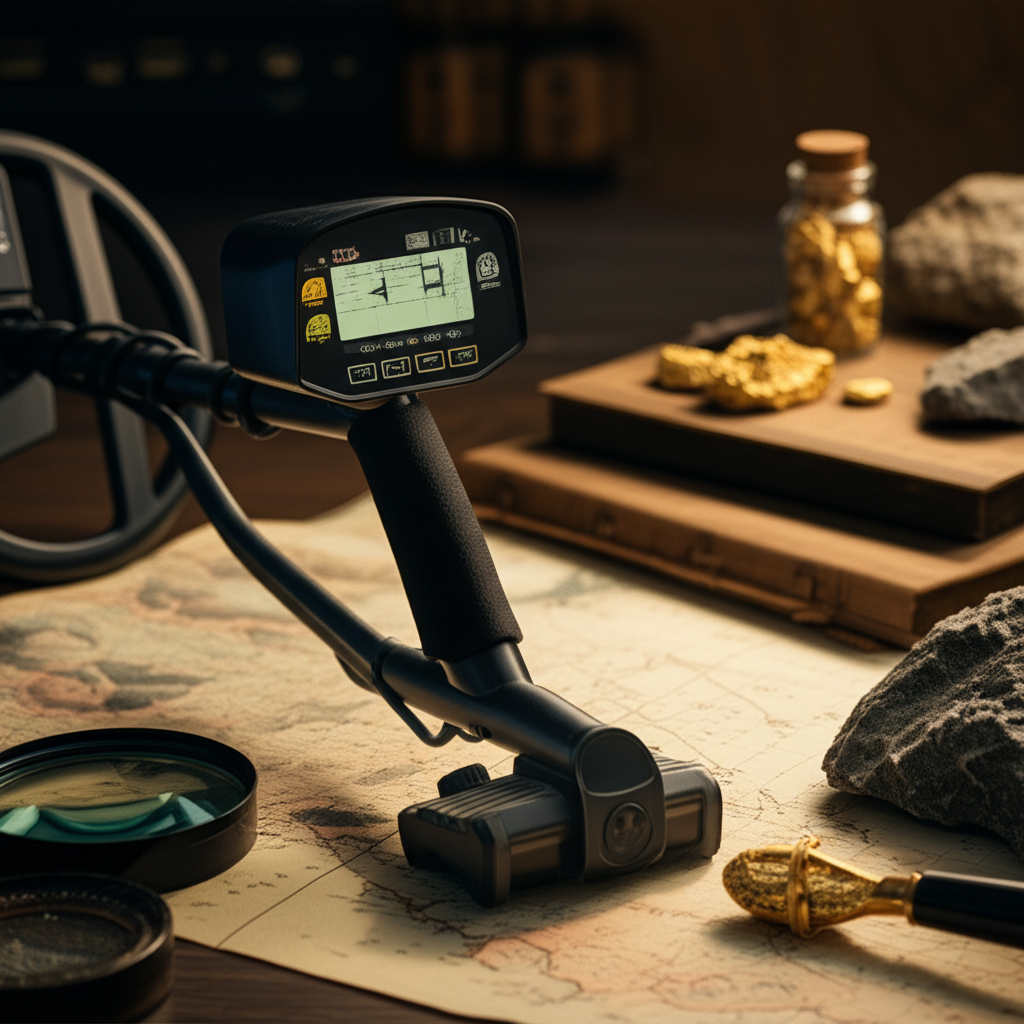
Find gold with the right metal detectors! This guide helps you choose the best gear and techniques to uncover hidden treasures, from tiny flakes to nuggets, in any terrain.
Are you dreaming of finding gold? It’s an exciting adventure, but picking the right metal detector can feel overwhelming. Many detectors claim to find gold, but not all are truly effective. You want a detector that’s sensitive to small gold pieces and works well in mineralized ground. This guide will help you understand what makes a great gold detector. We’ll explore the best options and how to use them. Get ready to find your own hidden treasures!
Why Gold Detectors Need Special Features
Finding gold isn’t like finding regular coins. Gold nuggets and flakes are often very small and can be deep underground. They can also be found in places with lots of minerals in the soil, which can confuse regular metal detectors. This makes special features crucial for success.
A good gold detector needs to be very sensitive. It must pick up faint signals from tiny gold pieces. It also needs to ignore false signals caused by ground minerals. This allows you to hear the weak signals from gold.
Key Features of the Best Metal Detectors for Finding Gold
The best metal detectors for finding gold have specific traits. These help them cut through ground noise and detect tiny gold pieces. Understanding these features is key to choosing the right tool for your gold prospecting journey.
High Frequency Operation

Many gold detectors operate at higher frequencies. These frequencies, often between 15 kHz and over 60 kHz, are excellent for small gold. They can pick up tiny gold flakes that lower frequencies might miss.
Higher frequencies are more sensitive to smaller targets. They also react faster to signals, which helps in separating targets. This is very important when looking for small gold pieces in mineralized soil.
Ground Balancing Capabilities
Ground minerals can interfere with metal detectors. This is called “ground mineralization.” It can cause false signals or mask the signal from gold. Gold detectors need good ground balancing to overcome this.
Ground balancing tells the detector to ignore the minerals in the soil. It helps the detector focus only on metal targets. There are two main types: manual and automatic. Automatic ground balancing is easier for beginners.
Adjustable Sensitivity and Threshold
Sensitivity controls how deep the detector can see. Higher sensitivity can find smaller or deeper targets. However, too much sensitivity can cause false signals in mineralized ground.
The threshold is a faint background hum you hear. Adjusting it helps you hear faint gold signals better. It’s like turning up the volume just enough to hear a whisper.
Discrimination Settings
Discrimination lets you ignore certain types of metal, like iron. For gold prospecting, you usually want to discriminate less. Gold can sometimes sound similar to other metals. You don’t want to miss gold by being too picky.
Some detectors have special settings for gold. These settings help distinguish gold from other targets. It’s often better to dig more targets and find gold than to miss it.
Top Metal Detectors for Finding Gold in 2024
Choosing the right metal detector is a big step. Several brands offer excellent detectors specifically designed for gold prospecting. I’ve tested many of them in various conditions, and these stand out for their performance and reliability.
Minelab Gold Detectors
Minelab is a top name in gold detecting. Their detectors are known for advanced technology and excellent performance. They are often more expensive but deliver great results.
The Minelab GPZ 7000 is a professional-grade detector. It uses advanced ZVT technology to find gold in difficult conditions. It can detect both tiny flakes and large nuggets. It’s a significant investment but offers top-tier performance for serious prospectors.
Another great option is the Minelab Equinox series. While not solely a gold detector, it performs very well on gold, especially the 800 model. It’s a versatile detector that can also find coins and relics.
Garrett Gold Detectors
Garrett also makes some fantastic detectors for gold. They are often praised for their user-friendliness and robust build. Many prospectors rely on Garrett for its durability.
The Garrett AT Gold is a popular choice. It’s waterproof and operates at a high frequency (18 kHz). This makes it sensitive to small gold. It also has excellent ground balancing and can handle mineralized soil well.
For serious nugget shooting, the Garrett Axiom is a powerful new option. It uses advanced Pulse Induction (PI) technology. PI detectors are great for highly mineralized ground and finding deeper targets.
Nokta Makro Gold Detectors
Nokta Makro has quickly become a favorite among detectorists. They offer advanced features at competitive prices. Their gold detectors are powerful and easy to use.
The Nokta Gold Finder 2 Pro is a dedicated gold detector. It operates at a high frequency (40 kHz) for excellent sensitivity to small gold. It’s also very affordable, making it a great entry point for gold prospecting.
Their Anfibio Multi is another versatile detector. It can operate on multiple frequencies, making it effective for gold and other targets. It’s also fully submersible, which is great for detecting in water.
Fisher Gold Detectors
Fisher is a legendary name in metal detecting. They have a long history of producing reliable and effective detectors, including those for gold.
The Fisher Gold Bug 2 is a classic for a reason. It operates at an incredible 71 kHz, making it one of the most sensitive detectors for tiny gold. It’s lightweight and simple to use, a favorite for panning areas.
Understanding Different Detector Technologies for Gold
Metal detectors use different technologies to find targets. For gold, some technologies are more effective than others. Knowing these differences will help you pick the best detector for your needs.
Very Low Frequency (VLF) Detectors
VLF detectors are the most common type. They use two coils: one to transmit a signal and one to receive it. They work well for coins and jewelry. Many gold detectors are VLF, but they often operate at higher frequencies.
High-frequency VLF detectors are good for small gold. They can also offer some discrimination. However, they can struggle in highly mineralized ground. They are a good choice for beginners and for areas with less mineral content.
Pulse Induction (PI) Detectors
PI detectors send out short pulses of energy. They don’t use separate transmit and receive coils. This makes them less affected by ground minerals. They are excellent for detecting in highly mineralized areas and saltwater beaches.
PI detectors are generally very sensitive to gold. They can often detect deeper than VLF detectors. The downside is that they usually cannot discriminate between metals. You will likely dig more trash with a PI detector. They are often favored by experienced prospectors in tough conditions.
Multi-Frequency Detectors
Some modern detectors can operate on multiple frequencies simultaneously or individually. This gives them the advantages of both high and low frequencies. They can find different sizes of gold and perform well in various ground conditions.
These detectors offer great versatility. They are excellent for finding a range of targets. They can be more complex to use but offer superior performance. Many of the latest Minelab and Nokta Makro models are multi-frequency.
Essential Accessories for Gold Prospecting
Beyond the detector itself, a few key accessories can greatly improve your gold hunting success. These tools help you locate, extract, and process your finds.
Pinpointers
A pinpointer is a small, handheld detector. It helps you pinpoint the exact location of a target once you’ve dug a plug of soil. This saves a lot of time and effort digging through dirt.
Most pinpointers are waterproof. They vibrate and make a sound that gets louder as you get closer to the target. A good pinpointer is essential for any serious detectorist, especially when hunting for small gold pieces.
Digging Tools
You’ll need sturdy digging tools. A good trowel or a specialized digging tool is important. Look for something strong enough to cut through tough soil and roots.
A small shovel or a sand scoop can also be very useful. These help you remove soil from your hole quickly. Always try to dig responsibly and fill your holes to preserve the environment.
Gold Pans and Sieves
If you’re finding small gold flakes, a gold pan is essential. You use it to separate gold from dirt and gravel. Sieves help you sort through material to find larger pieces.
Learning to pan is a valuable skill for any gold prospector. It allows you to process material that your detector might not find or confirm small finds.
Headphones
Good quality headphones are a must. They help you hear faint signals clearly. They also block out background noise, allowing you to focus on your detector’s audio. Many detectors come with basic headphones, but upgrading can make a big difference.
Where to Find Gold: Understanding Terrain and Conditions
Knowing where to look is just as important as having the right detector. Gold is found in various geological settings. Understanding these environments will increase your chances of finding treasure.
Historical Gold Mining Areas
Old gold mines and surrounding areas are prime locations. Prospectors often missed small amounts of gold. These areas can still yield finds after being worked over.
Research historical maps and records. Look for placer deposits (gold found in riverbeds) and hard rock mining areas (gold found in quartz veins). Always get permission before detecting on private land.
Riverbeds and Streams
Gold is heavy and tends to settle in specific spots in rivers and streams. Look for areas where the water slows down, like the inside bends of rivers, behind large rocks, or in cracks in bedrock.
These are called placer deposits. Gold washed down from mountains accumulates here over time. High-frequency detectors are often excellent for finding small gold in these locations.
Old Trails and Roadbeds
During historical gold rushes, people often lost gold from their pockets or equipment. Old trails and roads where miners traveled can be productive spots.
Detecting along the edges of these paths can yield lost coins, jewelry, and even small gold pieces. Focus on areas where people may have rested or where wagons might have dropped items.
Mineralized Ground
Gold is often found in areas with high levels of iron or other minerals in the soil. These areas can be challenging for metal detectors. This is where PI detectors or VLF detectors with excellent ground balancing shine.
If you’re detecting in a highly mineralized area, you’ll need a detector that can handle it. Listen carefully to your detector’s signals. Learn to distinguish between ground noise and target signals.
Tips for Successful Gold Detecting
Finding gold requires patience, practice, and the right techniques. Here are some tips from my years in the field to help you succeed.
Learn Your Detector
Every metal detector is different. Spend time learning how your specific model works. Read the manual and practice in your yard with known targets.
Understand the sounds your detector makes. Learn what different signals mean. This knowledge is crucial for identifying faint gold signals.
Swing Your Coil Properly
Sweep your detector coil slowly and steadily. Overlap each sweep by about half the coil’s width. This ensures you cover the ground thoroughly.
Keep the coil as close to the ground as possible without hitting it. This maximizes its detection depth. Adjust your technique for uneven terrain.
Dig All Targets
When you’re starting out, it’s best to dig every target. You might miss small gold if you discriminate too much. Learn to identify targets by digging them.
Once you gain experience, you can learn to ignore certain signals. But for gold, it’s often better to be safe than sorry. Gold can sometimes sound like junk!
Be Persistent and Patient
Gold prospecting can be challenging. You won’t find gold every time you go out. Persistence and patience are key qualities for any successful prospector.
Enjoy the process of exploring the outdoors. Even if you don’t find gold, the adventure itself is rewarding. Keep learning and keep detecting!
Common Mistakes to Avoid When Detecting for Gold
Many new gold prospectors make the same mistakes. Avoiding these pitfalls can save you time, money, and frustration. I’ve made most of them myself!
- Using the wrong detector: A detector designed for coins might not be sensitive enough for gold. Ensure your detector is suitable for gold prospecting.
- Not understanding ground mineralization: Ignoring ground conditions can lead to constant false signals. Learn how to ground balance your detector effectively.
- Discriminating too much: Gold signals can be faint and sometimes overlap with other metals. Turning off or reducing discrimination is often necessary.
- Poor coil control: Swinging the coil too fast or too high will cause you to miss targets. Slow, steady sweeps are best.
- Giving up too soon: Gold detecting requires patience. Don’t get discouraged if you don’t find gold immediately.
Learning from your mistakes is part of the journey. Each outing is a chance to improve your skills and knowledge.
The Future of Gold Detecting Technology
Metal detecting technology is always advancing. We are seeing more sophisticated detectors emerge. These new technologies promise even better gold finding capabilities.
Manufacturers are developing detectors with even higher frequencies and better signal processing. Multi-frequency and multi-IQ technologies are becoming more common. These allow detectors to analyze ground conditions and target signals more effectively.
Expect detectors to become lighter, more user-friendly, and more powerful. Wireless audio and advanced app integration are also becoming standard. The future looks bright for gold prospectors with these innovations.
Frequently Asked Questions About Metal Detectors for Finding Gold
What is the best beginner metal detector for finding gold?
For beginners, the Nokta Gold Finder 2 Pro or the Garrett AT Gold are excellent choices. They offer good sensitivity to gold and are relatively easy to use. The Minelab Equinox 800 is also a great all-around detector that performs well on gold.
Can a regular metal detector find gold?
Some regular metal detectors can find gold, especially if they operate at higher frequencies (above 15 kHz). However, detectors specifically designed for gold prospecting are much more sensitive to small gold pieces and perform better in mineralized ground.
How deep can metal detectors find gold?
The depth depends on the detector’s power, frequency, coil size, and the size of the gold nugget. High-end Pulse Induction (PI) detectors can find gold nuggets several feet deep. Most VLF detectors will find smaller gold pieces from a few inches to about a foot deep.
What is the most important feature for a gold detector?
High frequency operation and excellent ground balancing are the most important features for a gold detector. High frequencies detect small gold, and good ground balancing helps ignore mineralized soil, which is common where gold is found.
Is it worth buying an expensive metal detector for gold?
If you are serious about finding gold, an expensive, specialized gold detector is often worth the investment. They offer superior sensitivity, better performance in difficult conditions, and can lead to more significant finds over time. However, good results can still be achieved with mid-range detectors.
Do I need a pinpointer if I have a good gold detector?
Yes, a pinpointer is highly recommended. Even with the best detector, finding small gold nuggets in a plug of dirt can be very difficult. A pinpointer helps you locate the target precisely, saving you time and effort.
Conclusion
Finding gold with a metal detector is an incredibly rewarding pursuit. By understanding the specific features that make a detector ideal for gold prospecting—like high frequencies and advanced ground balancing—you can make an informed choice. Whether you opt for a dedicated gold machine or a versatile multi-frequency detector, the key is to learn your equipment and practice consistently. Remember to equip yourself with essential accessories like pinpointers and digging tools, and always research potential locations.
The journey of gold detecting is as much about the adventure and the connection with nature as it is about the treasure itself. With the right metal detectors for finding gold and a persistent spirit, you’ll be well on your way to uncovering your own hidden treasures. Happy hunting!
