


Published on: November 10, 2025 | Updated on: November 10, 2025
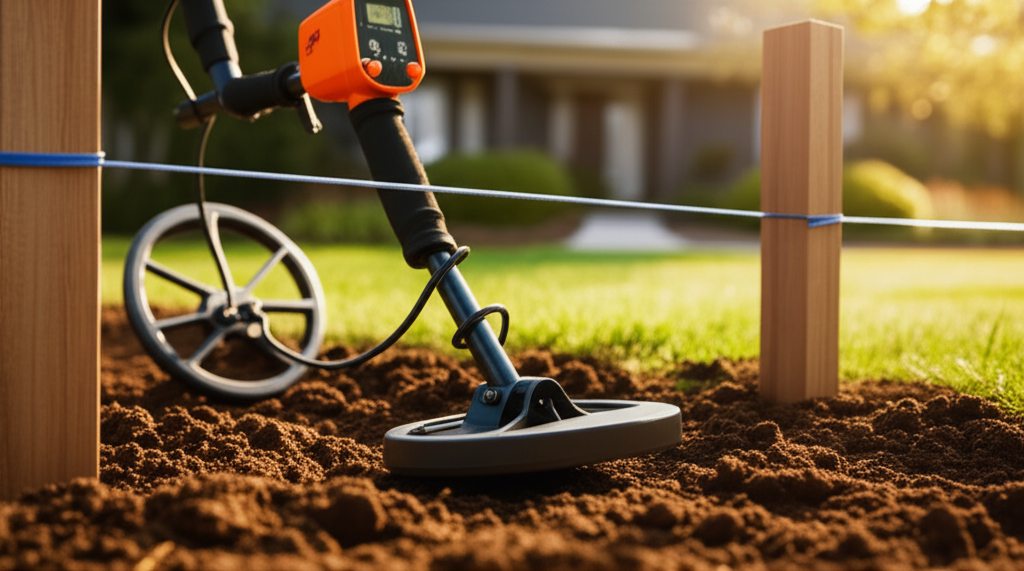
Metal detectors for property lines are essential tools for homeowners and landowners to locate boundary markers, buried utilities, and hidden objects. This guide provides proven methods and expert recommendations for choosing and using the right detector to accurately survey your property boundaries.
Metal Detectors for Property Lines: Essential, Proven Tools
Finding your property lines can be tricky. Old markers can disappear. Sometimes, you just need to be sure where your land ends. Metal detectors are surprisingly good tools for this job. They can help you find buried survey pins, old fence posts, or even forgotten coins near boundaries. This guide will show you how to use them effectively.
Why Use a Metal Detector for Property Lines?
Metal detectors can find hidden metal objects underground. This makes them perfect for locating old property markers. Surveyors often used metal pins or pipes to mark boundaries. Over time, dirt and grass can cover these markers. A good metal detector can signal their presence. It’s a reliable way to confirm your property’s edge.
Choosing the Right Metal Detector
Not all metal detectors are the same. For property lines, you need a detector that can find small metal objects deep in the ground. Look for detectors with good depth capabilities. Features like adjustable sensitivity and discrimination are also important. These help you ignore junk metal and focus on valuable targets.
Key Features to Look For

When picking a detector, consider its operating frequency. Higher frequencies are better for small targets like coins. Lower frequencies can find larger objects deeper. A VLF (Very Low Frequency) detector is often a good all-around choice. Waterproof coils are useful if you might be searching near water.
Top Brands and Models for Property Surveys
Several brands offer excellent detectors suitable for finding property lines. Garrett, Minelab, and Fisher are popular choices. Models like the Garrett AT Pro or Minelab Equinox 800 are versatile. They offer good depth and target identification. Always check reviews for specific performance in finding buried markers.
Understanding Metal Detector Technology
Metal detectors work by sending out an electromagnetic field. When this field hits a metal object, it creates a reaction. The detector’s coil picks up this reaction. It then signals you with a sound or visual display. Different technologies exist, like VLF and Pulse Induction (PI). VLF is common for general use. PI detectors are often better in mineralized ground or for deeper targets.
VLF vs. Pulse Induction (PI) Detectors
VLF detectors are great for most conditions. They can distinguish between different types of metal. This helps you ignore trash like pull tabs. PI detectors send pulses into the ground. They are less affected by soil minerals. PI detectors are often preferred for gold prospecting but can also find deep markers.
Frequency and Its Impact
The frequency of a metal detector matters. A low frequency (under 10 kHz) is good for large, deep targets. A high frequency (above 15 kHz) is better for small, shallow targets. For property lines, a medium to high frequency can be ideal. It helps find those small, often overlooked survey pins.
How to Use a Metal Detector on Your Property Lines
Using a metal detector effectively requires a systematic approach. Start by understanding your property’s history. Were there old fences? Were there survey markers placed? Walk your property line slowly and methodically. Overlap your sweeps to ensure full coverage.
Step-by-Step Search Strategy
Begin at one known corner of your property. Slowly walk the boundary. Sweep the detector coil side to side in a consistent pattern. Overlap each sweep by about half the coil’s width. Listen for any signals. If you get a signal, pinpoint the target’s exact location.
Pinpointing the Target
Once you get a signal, use the detector’s pinpoint mode. This feature helps narrow down the target’s location. You can also use a separate pinpointer tool. These are small, handheld detectors. They are very useful for finding targets in the dug soil.
What You Might Find
When searching property lines, you’re looking for specific things. The most important are survey markers. These can be metal rods, pipes, or rebar. You might also find old coins, nails, or pieces of forgotten farm equipment. Sometimes, you’ll uncover old fence staples or wire.
Locating Survey Markers
Surveyors use various metal markers. These can be galvanized steel rods, aluminum pins, or iron pipes. They are often marked with plastic caps. A good detector should pick up these metal objects even if they are several inches deep. Patience is key, as markers can be subtle.
Discovering Historical Relics and Coins
Property lines are often old. People may have lived or worked near them for generations. This means you might find historical items. Old coins, buttons, or tools can be buried near boundaries. These finds add an exciting historical dimension to your search.
Essential Accessories for Property Line Detecting
Beyond the metal detector itself, a few accessories make the job easier. A good pinpointer is invaluable for quick target recovery. Digging tools are also crucial. You need something to carefully remove soil without damaging the detector or the target.
The Importance of a Good Pinpointer
A pinpointer is a small, handheld metal detector. It helps you find the exact spot of a target within the plug of soil you remove. This saves a lot of time and frustration. It also helps you avoid damaging delicate finds with a larger shovel.
Durable Digging Tools
You’ll need a sturdy digging tool. A garden trowel can work for shallow targets. For deeper finds, a strong digging shovel or a special detectorist’s spade is better. Always use a tool that allows you to dig a neat plug of soil. This makes restoration easy.
Legal and Ethical Considerations
Before you start detecting, know the rules. Always get permission if the property isn’t yours. Be aware of local laws regarding metal detecting. Avoid disturbing historical sites or protected areas. Leave the area as you found it.
Getting Permission to Detect
If you’re not detecting on your own land, always ask for permission. Explain what you plan to do. Most landowners are happy to allow responsible detecting. They might even be interested in what you find.
Understanding Local Regulations
Some areas have specific rules about metal detecting. Public parks or historical sites may have restrictions. Check with your local authorities. Knowing the regulations helps you avoid legal trouble. It also ensures you are detecting responsibly.
Troubleshooting Common Issues
Sometimes, metal detectors give confusing signals. Or they might not seem to find anything. This can be frustrating. Often, these issues have simple solutions. Understanding common problems can help you fix them quickly.
False Signals and Interference
False signals can come from many sources. Power lines can cause interference. Highly mineralized soil can also affect detector performance. Adjusting your detector’s sensitivity or ground balance can often fix these issues. Moving away from interference sources helps too.
Improving Depth and Accuracy
If your detector isn’t finding targets deep enough, check a few things. Ensure you’re using the right coil size. Larger coils generally detect deeper. Also, make sure you’re sweeping slowly and overlapping your passes. Proper technique is key for depth.
Metal Detectors for Property Lines: A Summary
Metal detectors are incredibly useful for confirming property lines. They help locate buried survey markers and other metal objects. Choosing a detector with good depth, sensitivity, and discrimination is important. Proper technique, essential accessories like pinpointers, and adherence to legal and ethical guidelines will ensure successful and responsible property line surveys.
Frequently Asked Questions
Can any metal detector find property lines?
While many detectors can find metal, some are better suited for property lines. Look for models designed for depth and accuracy in finding small, buried markers.
How deep can a metal detector find property markers?
Depth varies by detector, coil size, and target size. Good detectors can find markers 6-12 inches deep, sometimes more.
What should I do if I find a property marker?
Once you find a marker, document its location. You can use GPS or take clear photos. If you’re unsure, consult a professional surveyor.
Is it legal to metal detect on someone else’s property?
No, you must always get explicit permission from the landowner before detecting on their property.
What is the best time of year to search for property lines?
Spring and fall are often ideal. The ground is usually softer, making digging easier. Avoid detecting in very dry or very wet conditions.
Conclusion
Using metal detectors for property lines is a smart and effective strategy. It provides a tangible way to verify boundaries. With the right tool and a systematic approach, you can uncover hidden markers and gain confidence in your property’s limits. Remember to always seek permission, follow local laws, and practice responsible detecting. Happy hunting!
