


Published on: November 10, 2025 | Updated on: November 10, 2025
Metal Scoop for Metal Detecting: Essential, Proven Tips
A metal scoop for metal detecting is a crucial tool for efficiently recovering targets from the ground. This guide offers essential, proven tips for selecting, using, and maintaining the right scoop to enhance your treasure hunting success.
Metal detecting is a fantastic hobby. You can find old coins, interesting relics, and even jewelry. But finding a target is only half the battle. Getting it out of the ground is the other, often trickier, part. This is where a good metal scoop comes in. Without the right scoop, you might dig a huge hole, damage your find, or lose it altogether. This guide will show you exactly what you need to know. We’ll cover everything from choosing your first scoop to using it like a pro. Get ready to improve your recovery game significantly.
What is a Metal Scoop and Why Do You Need One?
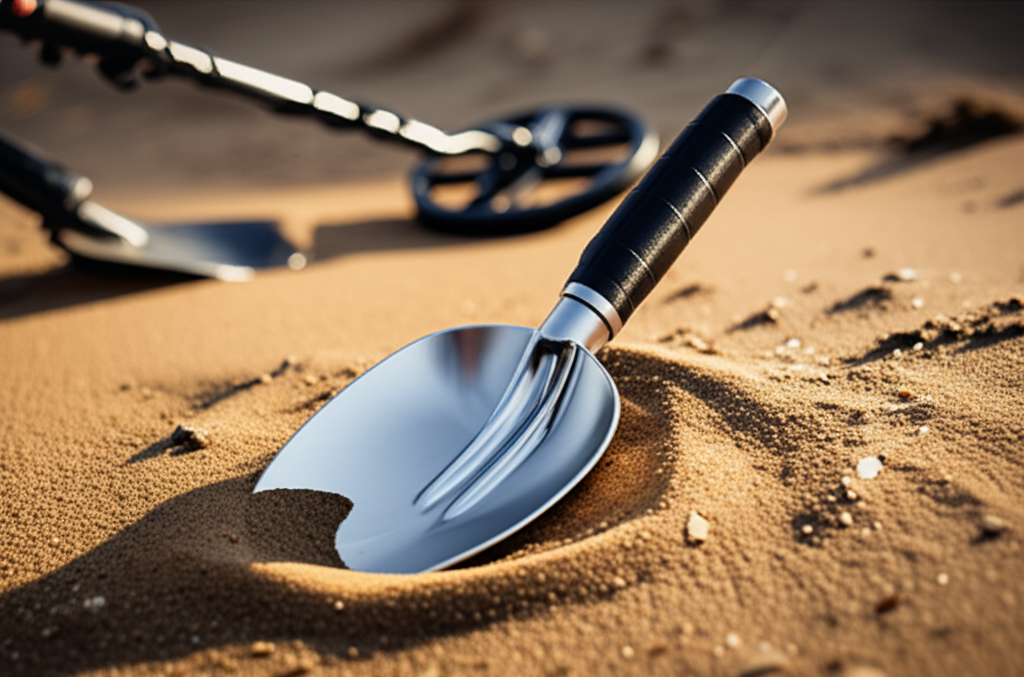
A metal scoop is a specialized digging tool. It helps you carefully remove soil around a detected target. It’s designed to be sturdy yet precise. This tool is essential for minimizing disturbance to the ground. It also helps you retrieve your finds quickly and safely.
Using a metal scoop makes your detecting more efficient. It prevents you from making large, messy holes. This is important for respecting the land and other people. It also helps you avoid damaging delicate items you might find.
Choosing the Right Metal Scoop: Key Features to Consider
When picking a metal scoop, several features matter most. Think about the material, size, shape, and handle. These details will affect how well it works for you. A well-chosen scoop is a treasure hunter’s best friend.
Consider the scoop’s construction. Stainless steel is strong and resists rust. This makes it great for wet or sandy conditions. Plastic scoops are lighter but less durable. They might be okay for very soft soil.
Material Matters: Stainless Steel vs. Plastic

Stainless steel scoops are highly recommended. They are durable and won’t bend easily. Rust is not a big problem with good stainless steel. This means your scoop will last for many years.
Plastic scoops are cheaper and lighter. However, they can break or crack in tough soil. They are best suited for very loose sand or light gardening. For serious metal detecting, steel is the way to go.
Size and Shape: Finding the Perfect Fit
Scoop size depends on what you’re looking for. Smaller scoops are good for shallow targets like coins. Larger scoops can handle bigger targets or deeper soil. Consider the typical depth and size of targets in your area.
The shape also plays a role. A pointed tip helps penetrate harder ground. A wider mouth allows you to scoop more soil at once. Many scoops have holes or slots. These let excess soil fall through, leaving your target behind.
Handle Design and Grip
A comfortable handle is very important. You’ll be using it a lot. Look for ergonomic grips that fit your hand well. Some handles are padded for extra comfort. A good grip prevents blisters and fatigue.
The length of the handle can also be a factor. Longer handles offer more leverage. This can be helpful when digging in dense soil. Ensure the handle feels secure and doesn’t wobble.
The Best Types of Metal Scoops for Different Terrains
Different environments require different digging tools. Your metal scoop should match the ground you hunt in. Beach hunting needs a different scoop than park or field detecting. Using the right tool makes recovery much easier.
Beach scoops are often large and have many holes. This allows sand to drain quickly. Field scoops might be more solid with fewer holes. They need to handle more compacted soil.
Beach Metal Detecting Scoops
For beaches, a large, robust scoop is ideal. Look for scoops with many large holes. These let water and sand drain fast. Many beach scoops have long handles. This helps you dig deeper without bending over.
Some beach scoops are shaped like baskets. They are very effective at sifting sand. They allow you to pick up targets easily. Ensure the edges are smooth to avoid cutting yourself.
Park and Field Metal Detecting Scoops
In parks and fields, soil can be harder. You might encounter roots and small stones. A sturdy metal scoop with a strong, pointed tip is best. Scoops with fewer, smaller holes are good for keeping soil in.
Consider a medium-sized scoop for versatility. This size works well for coins, rings, and small relics. A solid handle is crucial for applying digging force.
Relic Hunting and Gold Prospecting Scoops
Relic hunting often means dealing with compacted earth. You might find deeper targets. A heavy-duty scoop with a reinforced tip is essential. For gold prospecting, small, precise scoops are often used. These help sift through gravel and paydirt.
Gold scoops need to be very durable. They might be used with a gold pan. Some specialized gold scoops are designed for panning. They help separate gold from other materials.
Essential Techniques for Using Your Metal Scoop Effectively
Using a metal scoop isn’t just about digging. It’s about precise recovery. Proper technique saves time and prevents damage. It also helps you leave the site looking undisturbed.
Always start by making a clean cut around your target. Use your scoop to outline a plug of soil. This makes it easier to lift the target out. Avoid stabbing the soil wildly.
The Art of the Soil Plug: Cutting and Lifting
First, use your pinpointer to confirm the target’s exact location. Then, carefully cut a neat circle around the target area. Imagine you’re cutting a small cake. This circle should be slightly larger than the target.
Gently slide your scoop under the edge of the soil plug. Lift the plug out slowly and place it nearby. You can then sift through the soil plug to find your item. This method minimizes the hole size.
Pinpointing and Recovery in Different Soils
Once the plug is out, use your pinpointer again. Gently probe the soil you removed. The pinpointer will help you locate the target precisely. Be patient and sift through the soil carefully.
In wet sand, targets might be slippery. In hard clay, you may need to break up the soil. Always handle finds with care, especially old or fragile ones.
Maintaining Your Metal Scoop for Longevity
A well-maintained scoop will last much longer. Cleaning your scoop after each use is key. This prevents rust and keeps it in good working order.
After a detecting trip, rinse your scoop thoroughly. Remove all dirt and debris. If it’s a steel scoop, dry it completely. This is especially important if you hunt near saltwater.
Cleaning and Rust Prevention
For steel scoops, a quick rinse and dry is usually enough. If you see any rust spots, you can gently scrub them off. A wire brush can work, but be careful not to scratch the metal too much. Apply a light coat of oil to prevent future rust.
For plastic scoops, just rinse them with water. Make sure no sand or mud remains. Check for any cracks or damage before your next outing.
Storage Tips for Optimal Care
Store your metal scoop in a dry place. Avoid leaving it exposed to the elements. A garage or shed is usually a good spot. Keep it away from chemicals or corrosive substances.
Consider a dedicated tool bag or holder for your scoop. This keeps it organized and protected. It also prevents it from getting lost among other gear.
Common Mistakes to Avoid with Your Metal Scoop
Many beginners make simple mistakes with their scoops. These can lead to frustration or lost finds. Learning from others’ experiences can save you trouble.
One common mistake is digging too aggressively. This can damage targets or make them hard to find. Another error is not using a pinpointer effectively. Always confirm the target’s location before digging.
Over-Digging and Damaging Finds
Try to dig only what is necessary. A smaller, neater hole is always better. If you miss the target on the first lift, re-check the hole. Use your pinpointer to find it.
Be especially careful with delicate items like old coins or jewelry. Avoid scraping them with the scoop. Gently sift the soil instead.
Ignoring the Pinpointer’s Role
Your pinpointer is a vital tool for recovery. Don’t guess where the target is. Use your pinpointer to narrow down the location precisely. This saves time and effort. It also helps you avoid digging large areas.
A pinpointer tells you if the target is in the soil plug or the hole. This guides your search effectively.
Advanced Tips for Maximizing Your Scoop’s Potential
Once you’re comfortable with the basics, you can refine your technique. Small adjustments can make a big difference in your success rate.
Consider the angle at which you insert your scoop. This can help you lift soil more cleanly. Also, learn to use your scoop to sift soil directly in the hole. This is useful in sandy areas.
Sifting Techniques for Faster Recovery
In loose sand, you can often sift the soil directly. Dig a larger plug, then gently shake it over your scoop. Most of the sand will fall through the holes. This leaves your target in the scoop.
You can also sift soil by gently tossing it. Be careful not to toss it too far. This method works best in dry, sandy conditions.
Using Your Scoop as a Prying Tool (Carefully!)
Sometimes, a target might be stuck under a root or stone. You can use your scoop carefully to pry it loose. Be gentle. You don’t want to break the target.
Insert the scoop edge under the obstruction. Apply slow, steady pressure. If it feels like too much force, stop. You might need to dig around it more.
Integrating Your Metal Scoop with Other Detecting Gear
Your metal scoop works best as part of a system. It complements your metal detector and pinpointer. Having the right accessories makes the whole process smoother.
Always carry a small bag or pouch for your finds. This keeps them separate and prevents damage. A good digging tool pouch can hold your scoop and pinpointer.
The Detectorist’s Toolkit: What Else You Need
Besides your detector, pinpointer, and scoop, consider a small trowel. A trowel can be useful for initial soil loosening. A sturdy digging stick can help probe deeper. A good pair of gloves protects your hands.
A find pouch or bag is essential. You might also want a small brush for cleaning finds. A water bottle and snacks are good for long detecting sessions.
Carrying and Transporting Your Scoop
A dedicated digging tool pouch is ideal. It attaches to your belt and keeps your scoop accessible. This means you don’t have to bend down constantly.
If you’re carrying multiple tools, a backpack or carry bag is useful. Ensure your scoop is stored safely. This prevents it from damaging other items.
Choosing a Metal Scoop for Your Specific Metal Detector
Some metal detector manufacturers offer branded scoops. These are often designed to work well with their detectors. However, you don’t always need a branded scoop. Many aftermarket scoops are excellent.
Consider the type of detector you use. Is it for general detecting, coin shooting, or relic hunting? This might influence your scoop choice.
Brand Recommendations and Popular Choices
Many brands make great metal scoops. Popular choices include Garrett, Minelab, and XP. However, many smaller companies also produce high-quality tools. Read reviews and compare features.
Look for scoops with good reviews for durability and effectiveness. Consider scoops designed for the type of terrain you hunt.
Frequently Asked Questions About Metal Scoops
What is the best material for a metal detecting scoop?
Stainless steel is generally the best material. It is strong, durable, and resists rust. This makes it suitable for various conditions.
How big should my metal scoop be?
The size depends on what you’re looking for. Smaller scoops are good for shallow coins. Larger scoops are better for deeper targets or beach hunting. A medium size is versatile for many situations.
Can I use a garden trowel instead of a metal scoop?
A garden trowel can work in a pinch, but it’s not ideal. Metal detector scoops are designed for precise recovery. They have holes for drainage and often sharper edges for cutting plugs.
How do I clean my metal scoop?
Rinse it thoroughly with water after each use. Remove all dirt and sand. Dry steel scoops completely to prevent rust. You can use a wire brush for stubborn rust.
Are plastic scoops ever a good option?
Plastic scoops are lighter and cheaper. They are best for very soft, loose sand. For most other conditions, they are not durable enough.
How deep can a metal scoop reach?
The depth depends on the scoop’s size and your digging ability. Larger scoops with longer handles can reach deeper. However, very deep targets usually require a shovel.
Should my scoop have holes?
Yes, most metal detector scoops have holes. These allow excess soil and water to drain away. This makes recovery easier and faster, especially in sand.
Conclusion: Your Essential Partner in Treasure Recovery
A metal scoop for metal detecting is more than just a digging tool. It’s a critical piece of equipment. It helps you recover your finds efficiently and respectfully. By choosing the right scoop and using it with care, you’ll greatly improve your metal detecting experience. Remember to consider the terrain, your targets, and the scoop’s material and design. Proper maintenance ensures your scoop will be a reliable companion for years to come. Happy hunting, and may your finds be plentiful!
