


Published on: September 2, 2025 | Updated on: September 2, 2025
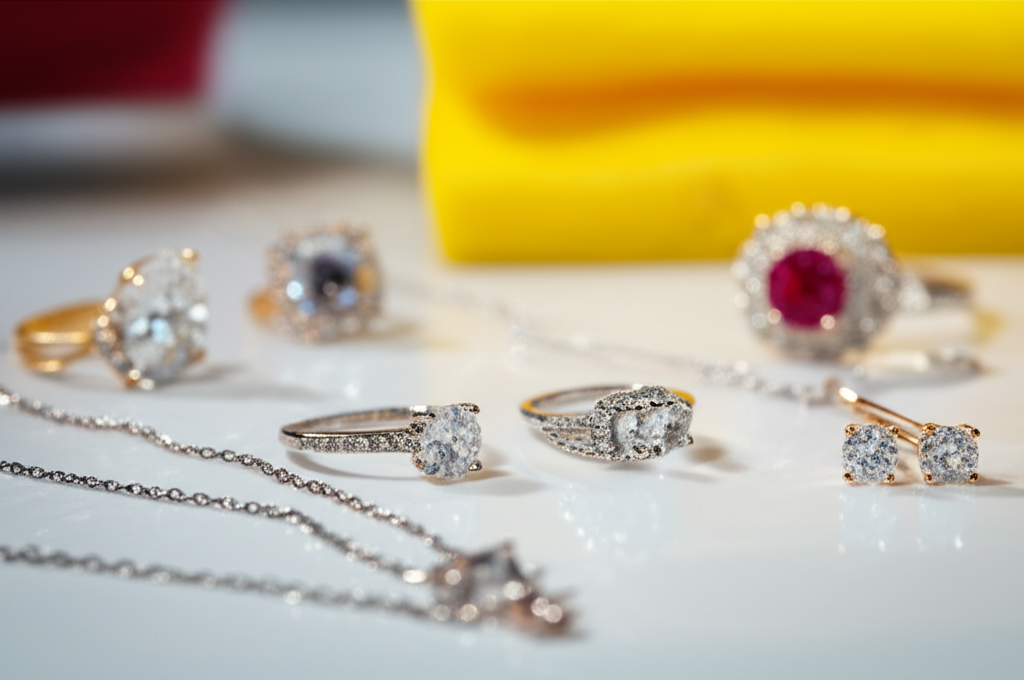
Unlock the dazzling shine of your cherished jewelry using Mr. Clean, a surprisingly effective and budget-friendly solution for removing everyday grime and restoring its original sparkle. Discover the best methods and tips for a brilliant finish.
Your treasured rings, necklaces, and bracelets can lose their luster over time due to daily wear, accumulating oils, lotions, and even tiny particles of dirt. This can leave them looking dull and lifeless, diminishing their beauty and the joy they bring. But before you rush to a professional jeweler for a pricey cleaning, consider a household staple that might already be in your cleaning cabinet: Mr. Clean. Yes, the iconic multi-purpose cleaner can be a surprisingly effective and gentle way to bring back that essential sparkle to your jewelry.
Can You Really Use Mr. Clean for Jewelry?
Many people wonder if a powerful cleaner like Mr. Clean is safe for delicate jewelry. The answer is a qualified yes, with some important caveats. When used correctly and diluted, Mr. Clean can effectively cut through grease and grime that dulls your precious metals and gemstones. It’s a cost-effective alternative to specialized jewelry cleaners, offering a quick solution for everyday tarnish and buildup.
Understanding the Power of Mr. Clean

Mr. Clean, particularly the original blue formula, is a surfactant-based cleaner. This means it’s designed to break down and lift away dirt, grease, and other residues from surfaces. Its active ingredients work by reducing the surface tension of water, allowing it to penetrate and lift away grime more easily. This action makes it versatile for many household cleaning tasks, including, with caution, jewelry.
What Makes Mr. Clean Effective for Jewelry?
The primary reason Mr. Clean works on jewelry is its ability to dissolve the oily residues that accumulate from skin contact and environmental exposure. These residues trap dirt, making your jewelry appear dull. Mr. Clean’s cleaning agents emulsify these oils, allowing them to be washed away, revealing the underlying shine of your metals and stones.
Preparing Your Jewelry for Cleaning with Mr. Clean
Before you dive in, proper preparation is key to ensuring a safe and effective cleaning process for your jewelry. This involves identifying the types of jewelry you’re cleaning and gathering the necessary supplies. Taking these simple steps will prevent damage and maximize the cleaning results.
Identifying Your Jewelry’s Material
Not all jewelry is created equal, and some materials react differently to cleaning agents. It’s crucial to know what your jewelry is made of. For example, solid gold, silver, and platinum are generally durable, but plated or filled pieces require extra care. Always check for hallmarks or consult a jeweler if you’re unsure about your jewelry’s composition.
Gathering Your Cleaning Supplies
To effectively use Mr. Clean for jewelry, you’ll need a few basic items. These include a small bowl, warm water, a soft-bristled toothbrush (like a baby toothbrush or a dedicated jewelry brush), a soft lint-free cloth, and of course, your Mr. Clean solution. Having everything ready beforehand makes the process smooth and efficient.
The Step-by-Step Guide to Cleaning Jewelry with Mr. Clean
Using Mr. Clean for your jewelry is straightforward, but following these steps ensures you get the best results without risking damage. This method is ideal for everyday grime and can restore a significant amount of sparkle to your pieces.
Step 1: Dilute the Mr. Clean Solution
The most critical step is dilution. Never use Mr. Clean at full strength on jewelry. Mix a small amount of Mr. Clean with warm water in a bowl. A good starting ratio is about one tablespoon of Mr. Clean to one cup of warm water. This creates a mild cleaning solution that is effective yet gentle.
Step 2: Soak Your Jewelry
Place your jewelry into the diluted Mr. Clean solution. Allow it to soak for about 5-10 minutes. This gives the solution time to break down the oils and grime clinging to your jewelry. For more heavily soiled items, you might extend the soaking time slightly, but avoid leaving precious or delicate pieces submerged for too long.
Step 3: Gentle Scrubbing
After soaking, use a soft-bristled toothbrush to gently scrub your jewelry. Pay attention to intricate settings, clasps, and any crevices where dirt can hide. Be very careful not to scrub too hard, especially on softer metals or gemstones, as this could cause scratches. A gentle, circular motion is usually sufficient.
Step 4: Rinse Thoroughly
This is another crucial step. Rinse each piece of jewelry thoroughly under clean, running warm water. Ensure all traces of the Mr. Clean solution are washed away. Residual cleaner can dull the shine or even damage certain materials over time.
Step 5: Dry and Buff
Gently pat your jewelry dry with a soft, lint-free cloth. Then, use the cloth to buff each piece until it shines. A microfiber cloth works exceptionally well for this. Ensure the jewelry is completely dry before storing it to prevent water spots or further tarnishing.
What Types of Jewelry Can Be Cleaned with Mr. Clean?
While Mr. Clean is versatile, it’s not suitable for every type of jewelry. Understanding these limitations is vital to protect your valuable pieces. Stick to jewelry made from durable materials that can withstand a mild alkaline cleaner.
Suitable Jewelry Materials
Solid gold (10K, 14K, 18K, 24K), sterling silver, platinum, and most durable gemstones like diamonds, sapphires, and rubies can generally be cleaned with a diluted Mr. Clean solution. These materials are resistant to the mild chemicals in the cleaner and can benefit from its degreasing properties.
Jewelry to Avoid Cleaning with Mr. Clean
You should absolutely avoid using Mr. Clean on jewelry that is:
Pearls: Pearls have a porous surface and a delicate organic coating that can be damaged by harsh cleaners.
Opals: Opals contain water within their structure and can crack or lose their color if exposed to cleaning solutions or rapid temperature changes.
Emeralds: Emeralds are often treated with oils or resins to fill in fissures. Mr. Clean can strip these treatments, leading to cloudiness or cracking.
Turquoise and other porous stones: These stones can absorb the cleaning solution, potentially leading to discoloration or damage.
Gold-plated or silver-plated items: The plating can be worn away or damaged by strong cleaning agents.
Vintage or antique jewelry: These pieces may have delicate construction or patinas that could be harmed.
* Jewelry with glued-in stones: The adhesive can be weakened by the cleaner.
If you’re ever in doubt, it’s always best to err on the side of caution and consult a professional jeweler.
Alternatives and When to Seek Professional Help
While Mr. Clean can be a handy solution for many everyday jewelry cleaning needs, it’s not a one-size-fits-all answer. There are times when other methods or professional intervention are necessary. Knowing when to switch gears is part of being a responsible jewelry owner.
Other Gentle Cleaning Methods
For delicate jewelry or if you’re hesitant to use Mr. Clean, consider these alternatives. A simple mixture of mild dish soap and warm water can also effectively clean most jewelry without the risk of damage. For sterling silver, a commercial silver polish or a simple baking soda paste (with caution for abrasiveness) can also work.
When to Consult a Jeweler
If your jewelry is particularly valuable, antique, or features delicate gemstones or intricate settings, it’s always best to take it to a professional jeweler. They have specialized tools and knowledge to clean your pieces safely and effectively. Also, if your jewelry has significant tarnish or damage, a jeweler can assess and address these issues properly.
Tips for Maintaining Your Jewelry’s Sparkle Between Cleanings
Keeping your jewelry looking its best involves more than just occasional deep cleans. Simple daily habits can significantly reduce the buildup of grime and tarnish, making your jewelry maintenance much easier. These practices help preserve the brilliance and longevity of your precious pieces.
Proper Storage
Store your jewelry in a dry, clean place, preferably in individual pouches or compartments within a jewelry box. This prevents pieces from scratching each other and protects them from dust and moisture, which can accelerate tarnishing, especially for sterling silver.
Avoid Harsh Chemicals
Always remove your jewelry before engaging in activities that involve exposure to chemicals. This includes household cleaning, swimming in chlorinated pools, using lotions, perfumes, hairspray, or applying self-tanning products. These substances can damage metals and gemstones.
Regular Gentle Wipes
For a quick refresh between deeper cleanings, gently wipe your jewelry with a soft, lint-free cloth after wearing it. This removes surface oils and dirt before they have a chance to build up, keeping your pieces looking brighter for longer.
Mr. Clean for Jewelry: A Practical Comparison
To truly appreciate the utility of Mr. Clean for jewelry, it’s helpful to compare it with other common cleaning methods. This helps in making informed decisions about how to best care for your treasured accessories.
| Cleaning Method | Pros | Cons | Best For |
| :————————- | :———————————————————————————————– | :——————————————————————————————————————————— | :———————————————————————————————————————————- |
| Diluted Mr. Clean | Effective degreaser, readily available, cost-effective. | Not suitable for all gemstones or plated jewelry, requires careful dilution and rinsing. | Solid gold, sterling silver, platinum, diamonds, sapphires, rubies with everyday grime. |
| Mild Dish Soap & Water | Very gentle, safe for most jewelry types, widely available. | Less effective on heavy grime or tarnish compared to specialized cleaners. | Most jewelry types, including those with softer stones or plating, for light cleaning. |
| Silver Polish | Specifically formulated for silver, removes tarnish effectively. | Can be abrasive if used too vigorously, can remove some of the patina on antique silver, not for other metals. | Sterling silver items with noticeable tarnish. |
| Professional Cleaning | Safest for valuable/delicate pieces, thorough cleaning and inspection, can remove deep tarnish. | Costly, requires an appointment, not practical for frequent cleaning. | High-value jewelry, antique pieces, jewelry with delicate stones or settings, or significant damage/tarnish. |
| Ultrasonic Cleaner | Deep cleaning, reaches intricate areas, effective for removing stubborn dirt. | Can damage certain gemstones (e.g., emeralds, opals) or loosen settings, requires specialized equipment. | Durable jewelry with hard gemstones and no loose stones or settings. |
As you can see, while Mr. Clean offers a convenient and affordable option for many, it’s essential to weigh its pros and cons against your specific jewelry needs and material composition.
Frequently Asked Questions about Mr. Clean for Jewelry
Q1: Is it safe to use the original blue Mr. Clean on my diamond ring?
A1: Yes, the original blue Mr. Clean, when properly diluted with warm water, is generally safe for cleaning diamond rings. The dilution helps prevent any harshness, and diamonds are robust enough to handle it.
Q2: Can I use Mr. Clean on my sterling silver jewelry?
A2: Yes, diluted Mr. Clean can help remove the oily residues that contribute to dullness on sterling silver. However, it won’t remove heavy tarnish as effectively as a dedicated silver polish. Always rinse thoroughly and dry immediately to prevent water spots.
Q3: What if my jewelry has small stones or intricate details?
A3: For jewelry with small stones or intricate details, use a very soft-bristled toothbrush (like a baby toothbrush) to gently scrub these areas after soaking. Be extra careful not to snag or dislodge any stones.
Q4: How often can I clean my jewelry with Mr. Clean?
A4: For everyday jewelry, cleaning once every few weeks or when you notice a loss of shine is usually sufficient. Avoid over-cleaning, as even diluted solutions can affect certain materials if used too frequently.
Q5: Will Mr. Clean remove tarnish from my gold jewelry?
A5: Diluted Mr. Clean can help remove the grime that makes gold look dull, but it’s not a tarnish remover for gold. For actual gold tarnish (which is less common than silver tarnish), other methods might be more effective.
Q6: Can I use Mr. Clean on costume jewelry?
A6: It’s best to avoid using Mr. Clean on costume jewelry, as it often has delicate plating or base metals that can be easily damaged or discolored by cleaning solutions. Stick to very mild soap and water for these items.
Final Words on Mr. Clean for Jewelry
In conclusion, harnessing the cleaning power of Mr. Clean for your jewelry is a practical and economical approach for restoring shine to many of your favorite pieces. By understanding which materials are safe and adhering to a gentle, diluted cleaning process, you can effectively remove everyday grime and bring back that essential sparkle. Remember to always identify your jewelry’s composition, prepare diligently, and rinse thoroughly. For particularly valuable or delicate items, professional cleaning remains the safest bet. With a little care and the right approach, your jewelry will continue to gleam.
