


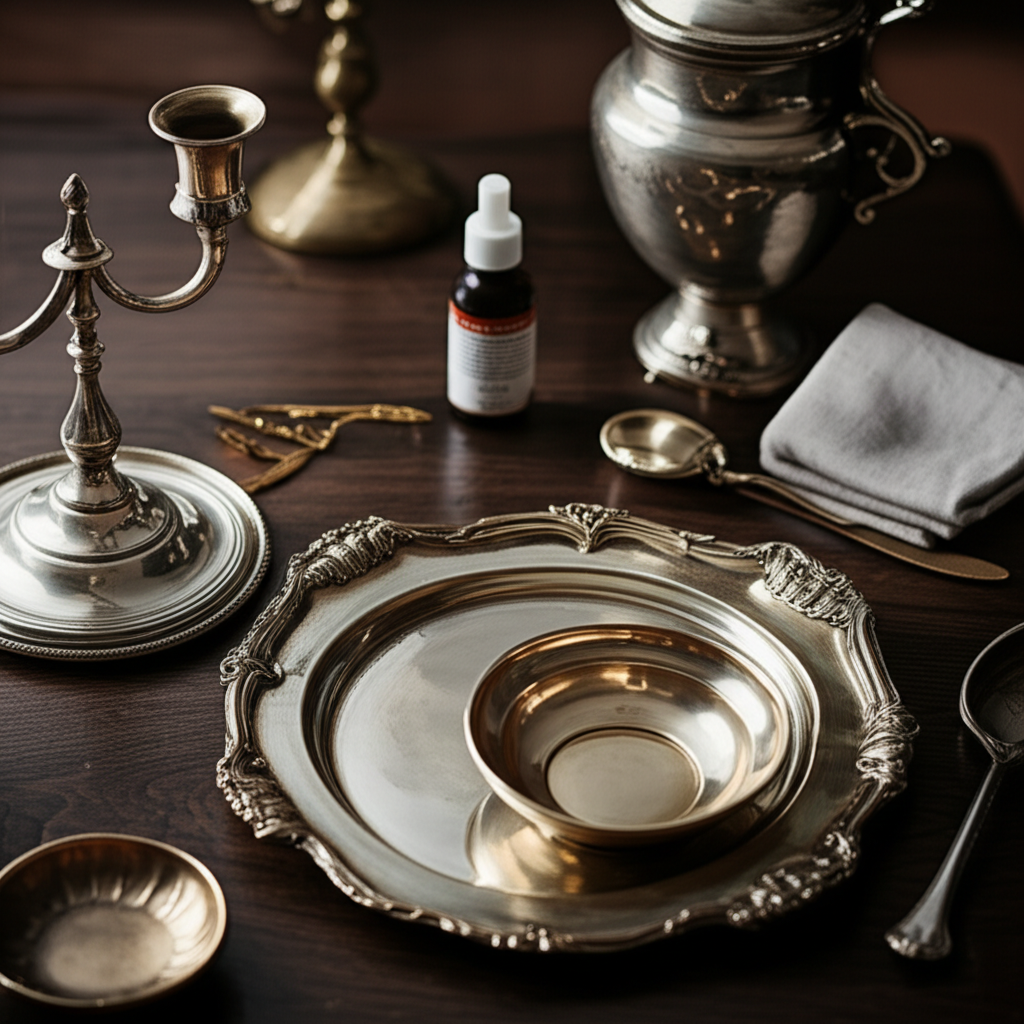
Published on: September 3, 2025 | Updated on: September 3, 2025
Yes, silver-plated brass will tarnish over time, but with the right care and knowledge, you can significantly slow down and even prevent it, keeping your items looking their best.
Are you wondering if that beautiful silver-plated brass item you just bought, or perhaps inherited, will lose its shine? It’s a common concern, especially when you invest in pieces that blend the elegance of silver with the durability of brass. The good news is that understanding the science behind tarnishing and implementing a few simple care strategies can make all the difference. This guide will walk you through everything you need to know, from why it happens to how to keep your silver-plated brass looking as radiant as the day you got it. Let’s dive in and banish tarnishing worries for good!
Will Silver Plated Brass Tarnish? The Simple Answer
The straightforward answer is yes, silver-plated brass will tarnish. This happens because the silver plating is a thin layer applied over a brass core. While the silver itself is reactive to certain environmental elements, the underlying brass can also play a role in the tarnishing process.
Understanding the Tarnish Process on Silver-Plated Brass

Tarnishing is a chemical reaction that occurs when silver comes into contact with sulfur compounds in the air, as well as other elements like oxygen and moisture. This reaction creates a dark layer, typically silver sulfide, on the surface of the silver. With silver-plated brass, this process can be influenced by the base metal.
The Role of Sulfur in Tarnishing
Sulfur is the primary culprit behind the dull, dark film that appears on silver. It’s present in the air from pollution, natural gas, and even certain foods. When silver atoms react with sulfur, they form silver sulfide, which is black or dark brown.
How Environmental Factors Accelerate Tarnishing
Exposure to humidity, salt air, certain chemicals, and even skin oils can significantly speed up the tarnishing process. The warmer and more humid the environment, the faster the reaction tends to occur. This is why items stored in bathrooms or kitchens might tarnish more quickly than those kept in drier locations.
The Brass Core: An Indirect Influence
While the silver plating is what visibly tarnishes, the brass base can indirectly affect the longevity of the finish. If the plating is very thin or if there are microscopic pores, the brass underneath might react with the environment, potentially causing discoloration that shows through or weakens the plating over time. High-quality plating minimizes this risk.
Factors Influencing Tarnish on Silver-Plated Brass
Several key factors dictate how quickly and severely silver-plated brass items will tarnish. Understanding these elements is crucial for effective prevention and care. It’s not just about the silver; it’s about the whole package and its surroundings.
Quality of the Silver Plating
The thickness and quality of the silver plating are paramount. A thicker, well-applied plating offers better protection for the brass base and is more resistant to wear and tear, which can expose the brass and accelerate tarnishing. Brands known for quality craftsmanship often use electroplating techniques that result in a more durable and even finish.
Understanding Plating Thickness (Microns)
Plating thickness is often measured in microns. A thicker micron plating (e.g., 10 microns or more) will generally resist tarnishing better and last longer than very thin plating. Always check product specifications if available, as this is a good indicator of durability.
The Impact of Underplating
Sometimes, a layer of nickel is used as an underplating before the silver. This can create a brighter base and a more robust barrier, enhancing the overall resistance to tarnishing and corrosion.
Exposure to Air and Humidity
As mentioned, air and humidity are major contributors to tarnish. Constant exposure to moist air will encourage the chemical reactions that lead to discoloration. Minimizing this exposure is a cornerstone of preventing tarnish.
The Effect of Salt Air
Coastal environments or areas with high salt content in the air are particularly harsh on silver-plated items. The salt acts as a catalyst, speeding up the tarnishing process considerably.
Indoor vs. Outdoor Exposure
Items kept indoors, especially in climate-controlled environments, will generally tarnish much slower than those left outdoors or in damp areas like basements or garages. Even indoor air quality matters.
Chemical Exposure
Contact with various chemicals can dramatically accelerate tarnishing or even damage the plating. This includes household cleaners, perfumes, hairsprays, lotions, and even the natural oils on your skin.
Household Cleaners and Chemicals
Harsh cleaning agents, especially those containing ammonia or bleach, should be avoided. Even mild soaps can leave residues that attract moisture and accelerate tarnishing if not rinsed properly.
Personal Care Products
Applying lotions, perfumes, or hairspray after handling or wearing silver-plated items is a good practice. These products often contain chemicals that can react with silver.
Storage Conditions
How you store your silver-plated brass items plays a significant role in their longevity and resistance to tarnish. Proper storage is one of the most effective preventative measures you can take.
Anti-Tarnish Storage Solutions
Using anti-tarnish cloths, bags, or boxes is highly recommended. These products contain special compounds that absorb sulfur compounds from the air, creating a protective barrier.
Airtight Containers
Storing items in airtight containers or resealable plastic bags can significantly reduce their exposure to air and humidity, thereby slowing down tarnishing. Ensure the items are completely dry before sealing them away.
Signs Your Silver Plated Brass is Tarnishing
Recognizing the early signs of tarnish is key to addressing it before it becomes deeply ingrained. It’s usually a gradual change in appearance that you can spot with a careful eye.
Visual Indicators of Tarnish
The most obvious sign is a dulling of the bright, shiny silver finish. You might notice a yellowing, grayish, or even blackish hue appearing on the surface. This often starts in crevices or areas that are touched more frequently.
Yellowing and Graying
Initial stages of tarnish often manifest as a subtle yellow or gray film. This is a sign that the silver is beginning to react with sulfur compounds.
Black Spots and Patches
As tarnish progresses, it can develop into more noticeable black spots or larger patches. These are areas where silver sulfide has formed more densely.
Changes in Texture
While less common in the early stages, severe or prolonged tarnishing can sometimes lead to a slightly rougher texture on the surface, though this is more typical of heavily oxidized metals.
Proven Methods for Cleaning Tarnished Silver Plated Brass
When tarnish does appear, don’t panic! There are several effective and gentle ways to restore the shine to your silver-plated brass items. The key is to use methods that are abrasive enough to remove tarnish but gentle enough not to damage the plating.
Gentle Cleaning with Mild Soap and Water
For light tarnish or regular cleaning, a simple wash can do wonders. This is the least abrasive method and is suitable for frequent upkeep.
What You’ll Need:
Mild dish soap (e.g., Dawn)
Lukewarm water
Soft, lint-free cloths (microfiber is ideal)
A soft brush (like a baby toothbrush) for intricate areas
Step-by-Step Cleaning Process:
1. Prepare the Solution: Mix a few drops of mild dish soap with lukewarm water in a small bowl.
2. Gentle Washing: Dip a soft cloth into the soapy water and gently wipe the surface of the item. For stubborn spots or intricate designs, use a soft brush dipped in the solution.
3. Rinse Thoroughly: Rinse the item completely under clean, lukewarm water to remove all soap residue.
4. Dry Immediately: This is a crucial step. Use a clean, dry, lint-free cloth to thoroughly dry the item immediately after rinsing. Ensure no moisture is left behind, especially in crevices.
This method is excellent for maintaining the shine and removing everyday grime.
Using a Commercial Silver Polish
For more stubborn tarnish, a good quality silver polish specifically designed for plated items is effective. Always opt for polishes that are labeled as safe for silver plating.
Choosing the Right Silver Polish
Look for polishes that are non-abrasive or contain very fine polishing agents. Avoid polishes that are overly aggressive, as they can wear away the silver plating over time. Some products are specifically formulated for plated ware and are a safer bet. For example, Hagerty Silver Cleaner Dip is a popular choice for many, but always test on an inconspicuous area first.
Application Technique for Best Results:
1. Apply Polish: Apply a small amount of polish to a soft cloth, not directly to the item.
2. Gentle Buffing: Gently rub the tarnished areas with the cloth, using a back-and-forth motion. Do not scrub vigorously.
3. Remove Polish Residue: Use a clean section of the cloth or a separate clean cloth to buff away the polish residue.
4. Rinse and Dry: If the polish instructions recommend it, rinse the item gently with water and dry thoroughly with a soft cloth.
The Baking Soda and Water Paste Method (Use with Caution)
A paste made from baking soda and water is a common DIY tarnish remover. However, baking soda is mildly abrasive, so it should be used with extreme caution on silver plating.
When to Consider This Method:
This method is best reserved for items with heavier tarnish where other gentle methods haven’t fully worked. Always test on a small, hidden area first.
How to Prepare and Use the Paste:
1. Make the Paste: Mix baking soda with just enough water to form a thick paste.
2. Apply Gently: Apply the paste to the tarnished areas using a soft cloth or your fingertips.
3. Rub Lightly: Gently rub the paste over the tarnish. Avoid scrubbing hard.
4. Rinse and Dry: Rinse the item thoroughly with water and dry immediately and completely with a soft cloth.
Overuse or aggressive scrubbing with baking soda can indeed remove the silver plating, so use this method sparingly and gently.
Aluminum Foil and Baking Soda Method (Electrochemical Cleaning)
This method uses a chemical reaction between aluminum foil, baking soda, and hot water to remove tarnish. It’s effective but requires careful handling.
The Science Behind It:
The aluminum acts as a sacrificial anode, and the baking soda creates an alkaline solution. This process electrochemically converts silver sulfide back into silver.
Step-by-Step Guide:
1. Line a Container: Line a glass or ceramic bowl with aluminum foil, shiny side up.
2. Add Baking Soda: Sprinkle a generous amount of baking soda (about 1-2 tablespoons per quart of water) onto the foil.
3. Place Items: Arrange your silver-plated brass items on top of the baking soda and foil, ensuring they are touching the foil.
4. Pour Hot Water: Carefully pour hot (not boiling) water over the items until they are fully submerged. You should see a slight fizzing action.
5. Soak Briefly: Let the items soak for a few minutes. The tarnish should begin to disappear. Check periodically.
6. Remove and Rinse: Carefully remove the items using tongs (they might be hot) and rinse them thoroughly under clean water.
7. Dry Thoroughly: Dry immediately and completely with a soft, lint-free cloth.
This method is generally safe for the silver plating itself, as it doesn’t involve abrasion. However, be cautious with items that have delicate finishes or patinas, as it can sometimes lighten them.
Preventing Tarnish: Proactive Care Strategies
The best approach to tarnish is prevention. By adopting a few key habits, you can keep your silver-plated brass looking its best for years to come, minimizing the need for frequent cleaning.
Proper Storage Techniques
Storing your items correctly is perhaps the most impactful preventative measure you can take. It creates a barrier against the elements that cause tarnish.
Anti-Tarnish Cloths and Bags
Investing in anti-tarnish cloths or bags is highly recommended. These fabrics are treated with chemicals that absorb airborne sulfur and pollutants, preventing them from reaching the silver surface. Wrap individual items or place them in specialized bags.
Airtight Containers and Ziploc Bags
For items not in frequent use, storing them in airtight containers or high-quality resealable plastic bags (like Ziploc) is very effective. Ensure the items are completely dry before sealing them to prevent moisture buildup. You can also include a small silica gel packet to absorb any residual moisture.
Avoid Plastic Wrap and Rubber Bands
Certain types of plastic wrap and rubber bands can emit sulfur compounds or acids that actually accelerate tarnishing. It’s best to avoid them for long-term storage.
Regular, Gentle Cleaning
Even when items aren’t visibly tarnished, a quick wipe-down after use can remove skin oils and environmental contaminants before they have a chance to cause damage.
Wipe Down After Each Use
After wearing jewelry or handling cutlery, gently wipe the item with a soft, dry microfiber cloth. This removes natural oils and moisture that can contribute to tarnishing.
Periodic Washing
Even with regular wiping, a gentle wash with mild soap and water every few months (or as needed) can help maintain the cleanliness and shine of your silver-plated brass. Remember to dry thoroughly afterward.
Minimize Exposure to Tarnishing Agents
Be mindful of where and how your silver-plated brass items are exposed to potential tarnishing agents. This includes the environment and the products you use.
Keep Away from Humidity and Pollutants
Avoid storing or leaving silver-plated items in humid environments like bathrooms, near open windows in damp weather, or in areas with significant air pollution.
Avoid Contact with Certain Products
As mentioned earlier, keep plated items away from perfumes, hairspray, lotions, and harsh cleaning chemicals. Apply these products first, then put on your jewelry or use your brassware.
Consider Protective Coatings (Professional Application)
For valuable or frequently used items, professional application of a clear protective lacquer or sealant can provide a durable barrier against tarnish.
Pros and Cons of Lacquer
A lacquer can offer excellent protection and significantly extend the time between cleanings. However, it can alter the feel and appearance slightly, and if it wears off unevenly, it can be difficult to reapply seamlessly. Always consult with a professional for this type of treatment.
When to Seek Professional Help
While most tarnish can be managed at home, there are times when professional intervention is the best course of action. This is especially true for antique pieces, items with intricate details, or when you’re unsure about the best approach.
Valuable or Antique Items
If your silver-plated brass item is an antique, a family heirloom, or holds significant monetary value, it’s wise to consult a professional conservator or silversmith. They have the expertise to clean and restore such items without causing damage.
Complex Designs or Inlays
Items with intricate filigree, gemstone inlays, or mixed materials may require specialized cleaning techniques. Professionals can navigate these complexities safely, ensuring that delicate parts are not harmed during the cleaning process.
If Home Methods Fail or Cause Damage
If you’ve tried gentle home cleaning methods and they haven’t removed the tarnish, or if you’re concerned about causing damage, it’s time to seek expert advice. They can assess the item and recommend the most appropriate course of action.
Comparing Cleaning Methods: A Quick Guide
Choosing the right cleaning method depends on the severity of the tarnish and the item’s delicacy. Here’s a quick comparison to help you decide.
| Method | Best For | Pros | Cons |
| :—————————- | :————————————- | :————————————————— | :———————————————————————– |
| Mild Soap & Water | Light tarnish, regular maintenance | Gentle, safe, readily available | May not remove heavy tarnish |
| Commercial Silver Polish | Moderate to heavy tarnish | Effective, specifically formulated | Can be abrasive if not chosen carefully, can wear down plating over time |
| Baking Soda Paste | Stubborn tarnish (use with caution) | Effective DIY option | Mildly abrasive, risk of removing plating if used aggressively |
| Aluminum Foil & Baking Soda | Moderate to heavy tarnish, intricate items | Non-abrasive, effective electrochemical cleaning | Can sometimes lighten patina, requires careful handling of hot water |
| Professional Cleaning | Valuable, antique, complex items | Safest, expert results, preserves item integrity | More expensive, requires finding a reputable service |
Remember, the goal is to remove tarnish while preserving the silver plating. Always start with the gentlest method and only proceed to stronger options if necessary.
Frequently Asked Questions (FAQ)
Here are answers to some common questions people have about silver-plated brass and its care.
Will silver plated brass tarnish if I don’t use it?
Yes, silver-plated brass can still tarnish even if it’s not in regular use. Tarnishing is caused by exposure to the air and its components, so items stored away can still react over time, especially if storage conditions aren’t ideal.
Can I use toothpaste to clean silver plated brass?
It’s generally not recommended to use toothpaste to clean silver-plated brass. Toothpaste contains abrasive particles that can scratch the silver plating and wear it away over time, potentially exposing the brass underneath and leading to faster corrosion.
Does rubbing alcohol clean silver plated brass?
Rubbing alcohol can be used to clean off fingerprints or light smudges, but it won’t remove tarnish. It can be a good first step to clean the surface before applying a polish or using another cleaning method.
How often should I clean my silver plated brass items?
The frequency depends on usage and environmental exposure. For items used daily, a quick wipe with a soft cloth after each use is ideal. For items in storage, inspect them every 6-12 months and clean if you notice any signs of tarnish.
Will the brass underneath the silver plating cause it to tarnish faster?
The brass core itself doesn’t directly cause the silver to tarnish faster. However, if the silver plating is very thin or develops scratches or porosity, the underlying brass can be exposed to air and moisture, which can lead to corrosion or discoloration that might affect the appearance of the plating.
Is it better to use a silver dip or a polish for plated items?
For silver-plated items, a polish is generally safer than a silver dip. Silver dips are often very aggressive and can strip away the plating quickly, especially if left on for too long. Polishes, when used correctly and chosen appropriately, offer more control and are less likely to damage the plating.
Conclusion: Keeping Your Silver Plated Brass Shining
So, to answer the burning question: will silver plated brass tarnish? Yes, it will, but with the knowledge and proactive care outlined in this guide, you can significantly minimize and manage this natural process. By understanding the factors that contribute to tarnish—like sulfur exposure, humidity, and chemical contact—and by implementing proven cleaning and prevention techniques, you can ensure your silver-plated brass items retain their beautiful luster. From gentle washing with mild soap and water to using specialized anti-tarnish storage, each step contributes to the longevity of your cherished pieces. Remember to always opt for the gentlest method first, test in inconspicuous areas, and dry thoroughly. With a little consistent effort, your silver-plated brass will continue to add elegance and shine to your home and life for years to come.
If you found this guide helpful, consider sharing it with fellow DIY enthusiasts or anyone looking to care for their silver-plated treasures. Happy polishing!
