


Published on: September 16, 2025 | Updated on: September 16, 2025
The Ball and Claw Bitters Purple is a rare, sought-after antique glass bottle, often found by metal detectorists and relic hunters. This guide provides an exclusive, essential overview for identifying, valuing, and safely excavating these unique pieces of history.
When you first unearth a piece of purple glass while metal detecting, especially one with a distinct shape, a thrill shoots through you. It might be a shard, or it could be something far more significant. Among the most exciting finds for collectors and detectorists alike is the Ball and Claw Bitters bottle, particularly in its rarer purple variant. These bottles are not just old glass; they are whispers from a bygone era, holding stories of apothecaries, saloons, and the everyday lives of our ancestors. If you’ve ever stumbled upon a fragment of purple glass that hints at a bottle’s form, or if you’re dreaming of finding one, this guide is your essential companion. We’ll walk through what makes the Ball and Claw Bitters Purple so special, how to identify it, and what you need to know before, during, and after your hunt.
Unearthing the Mystery: What is Ball and Claw Bitters Purple?
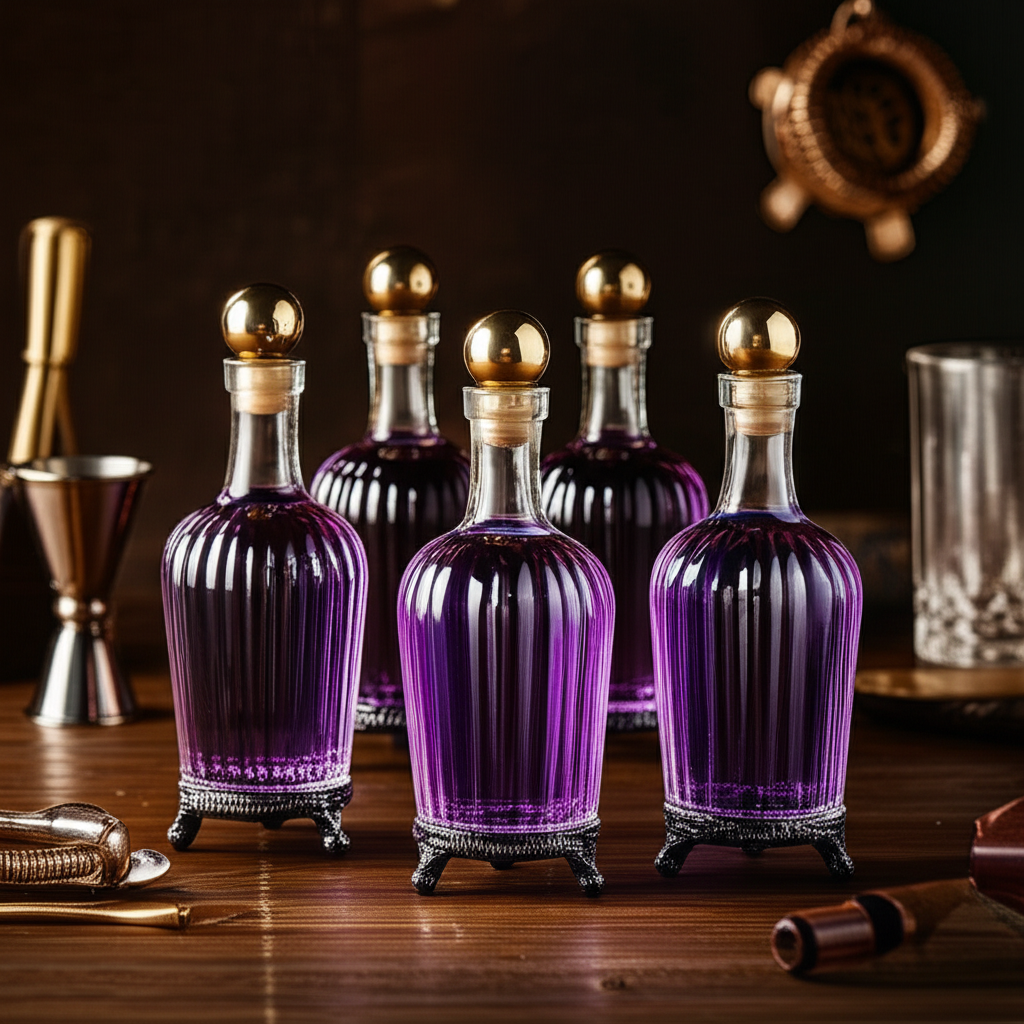
The Ball and Claw Bitters Purple refers to a specific type of antique glass bottle, primarily manufactured in the late 19th and early 20th centuries. These bottles were used to hold medicinal bitters, often alcoholic concoctions marketed for various ailments. The “Ball and Claw” refers to a common decorative motif found on these bottles, featuring a spherical base transitioning into a stylized claw or foot. The “Purple” signifies the unique amethyst hue the glass often takes on due to the presence of manganese dioxide in the original glass mixture, which reacts with prolonged exposure to ultraviolet light over decades.
This specific coloration is not just aesthetically pleasing; it’s a marker of age and a key indicator for collectors. Finding a Ball and Claw Bitters bottle in this deep purple shade is a significant discovery, often commanding higher prices and generating immense excitement within the collecting community. Their rarity and historical significance make them prime targets for both dedicated bottle collectors and metal detecting enthusiasts.
The Allure of Amethyst: Why Purple Glass?
The fascinating purple hue of these bottles is a direct result of a chemical reaction. In the late 19th and early 20th centuries, glass manufacturers often used manganese dioxide as a decolorizer in clear glass. Its purpose was to counteract the natural green tint caused by iron impurities. However, when glass containing manganese is exposed to ultraviolet (UV) radiation from sunlight over many years, a chemical change occurs, causing the glass to turn a beautiful amethyst or purple color.
This phenomenon is not unique to Ball and Claw Bitters bottles; many types of antique glass can exhibit this purple patina. However, the consistent use of manganese in certain bottle types, combined with their age and burial conditions, makes the purple variation of the Ball and Claw Bitters particularly striking and desirable. The intensity of the purple can vary greatly, from a faint lavender to a deep, rich amethyst, adding another layer of collectibility.
Identifying the Ball and Claw Bitters Purple: Key Features
Spotting a genuine Ball and Claw Bitters Purple bottle requires a keen eye for detail. Beyond the distinctive purple color, several other characteristics help confirm its identity. Look for the iconic “Ball and Claw” base, which typically features a rounded foot with three or four molded claw-like elements. The bottle’s shape is usually cylindrical or slightly tapering, designed for easy handling and display.
Manufacturers often embossed their names or logos onto the glass, usually on the body or the base. Researching these marks can help date the bottle and pinpoint its origin. The pontil mark, a rough scar where the glass was broken from the blowing rod, is another indicator of age; pontil marks are usually found on older, hand-blown bottles. The thickness of the glass can also be a clue; antique bottles tend to be thicker and more robust than modern reproductions.
The Hunt: Where to Find Ball and Claw Bitters Purple Bottles
These historical treasures are most commonly found in areas with a history of human settlement and activity from the late 19th and early 20th centuries. Old homesteads, former commercial districts, and sites of former saloons or general stores are prime hunting grounds. Metal detecting in these locations can often yield buried glass. Look for areas where trash was historically discarded, such as old dumps, privy pits, or near forgotten wells.
Remember to always obtain permission before detecting on private property. Public lands may have restrictions, so it’s crucial to research local regulations. Patience and persistence are key; these bottles are not found on every outing. Understanding the history of an area can significantly increase your chances of making a rewarding find. Exploring old maps and historical records can provide valuable clues to forgotten sites.
Excavation Techniques: Digging with Care
When your metal detector signals a target that sounds like glass, or if you visually spot a promising fragment, careful excavation is paramount to preserving your find. Begin by gently clearing away the topsoil with a soft brush or trowel. Avoid aggressive digging, which can easily chip or shatter fragile antique glass. If you’re using a digging tool, insert it carefully into the soil around the object, working to loosen the earth without direct contact.
Once the object is exposed, use a soft brush to meticulously remove the remaining dirt. For deeper finds, consider using a small spade or a specialized digging tool designed for delicate excavation. If you’re unsure about the fragility of the glass, it’s often best to leave it in situ and carefully brush away the surrounding soil to assess its condition and extent before attempting removal. Always be mindful of other buried items, such as pipes or wires, that could be damaged.
Cleaning and Conservation: Preserving Your Purple Treasure
After successfully retrieving your Ball and Claw Bitters Purple bottle, the next step is cleaning and conservation. Resist the urge to use harsh chemicals or abrasive cleaners, as these can damage the glass surface or its patina. Start with lukewarm water and a soft brush. For stubborn dirt or mineral deposits, a mild detergent can be used sparingly.
For particularly encrusted bottles, a soak in distilled water can help loosen the grime over time. Avoid using vinegar or acidic solutions unless you are an experienced conservator, as they can etch the glass. Once clean, allow the bottle to air dry completely. If the bottle has any cracks or chips, consider seeking advice from a professional glass conservator to ensure its long-term preservation. Properly conserved, your purple bitters bottle will remain a beautiful piece of history for years to come.
Ball and Claw Bitters Purple: Value and Collectibility
The value of a Ball and Claw Bitters Purple bottle can vary significantly based on several factors. Rarity is a primary driver; less common color variations, embossing, or specific mold types will fetch higher prices. Condition plays a huge role – bottles with no chips, cracks, or significant damage are far more valuable. The intensity and desirability of the purple hue also influence its market price.
Embossed markings, such as patent dates or manufacturer names, can add historical context and value. Provenance, or the history of ownership, can also contribute to a bottle’s desirability. While a common green or amber Ball and Claw Bitters might sell for tens of dollars, a rare purple variant in excellent condition can command hundreds, or even thousands, of dollars among dedicated collectors. Researching recent auction results and consulting with experienced bottle dealers can provide a more accurate valuation.
Common Ball and Claw Bitters Purple Variations
While the “purple” aspect is key, there are subtle variations even within this color category. The depth of the purple can range from a light, almost clear amethyst to a deep, opaque violet. Some bottles might exhibit swirls of color or have areas that are more intensely pigmented than others. These variations are often due to inconsistencies in the glass mixture or the way the glass was exposed to UV light over time.
Additionally, the “Ball and Claw” motif itself can have slight differences in its design across different molds and manufacturers. Some claws might be more pronounced, while others are more stylized. The embossing on the bottle can also vary greatly, featuring different company names, product names, or decorative elements. Recognizing these nuances is part of the deeper appreciation and knowledge base for serious collectors.
Ball and Claw Bitters Purple: Avoiding Fakes and Reproductions
As with any collectible item, the market for Ball and Claw Bitters bottles, especially the desirable purple ones, has attracted reproductions. These fakes are often made to look old, but they typically lack the subtle imperfections and characteristics of genuine antique glass. Be wary of perfectly uniform glass, a lack of pontil marks on older styles, or modern-looking seams from machine production.
The purple color on reproductions can sometimes appear too uniform or artificial. Genuine purple patina develops gradually and can be uneven. Feel the weight and thickness of the glass; reproductions might feel lighter or thinner. Always try to buy from reputable dealers or collectors who can vouch for the authenticity of their items. If a deal seems too good to be true, it often is.
Frequently Asked Questions About Ball and Claw Bitters Purple
Q1: Is all purple glass from the 19th century valuable?
Not all purple glass is inherently valuable. While the purple color indicates age and UV exposure, the specific type of bottle and its condition are crucial for determining value. A common purple bottle might be worth less than a common bottle in a more desirable color like amber.
Q2: How can I tell if my purple bottle is a Ball and Claw Bitters?
Look for the distinctive “Ball and Claw” base design, which usually resembles a sphere with three or four molded claw-like feet. The overall shape of the bottle should also be consistent with bitters bottles of the era. Embossing can also provide definitive identification.
Q3: Can I use my metal detector to find these bottles?
Yes, metal detectors can be very effective for locating buried glass bottles, including Ball and Claw Bitters. The metal detector will signal the presence of the glass, and you will then need to carefully excavate the find.
Q4: What is the best way to clean a purple Ball and Claw Bitters bottle?
Use lukewarm water and a soft brush. For tougher grime, a mild detergent can be used sparingly. Avoid abrasive cleaners, harsh chemicals, and vigorous scrubbing, which can damage the glass.
Q5: Are there any special considerations for digging glass with a metal detector?
Always obtain permission before detecting on private land and be aware of local regulations for public areas. When a target is detected, excavate slowly and carefully with soft tools to avoid damaging the glass.
Q6: How do I know if my purple bottle is a genuine antique or a reproduction?
Genuine antiques often have imperfections like pontil marks, slight variations in glass thickness, and an uneven patina. Reproductions may look too perfect, have modern seams, or display an artificial-looking purple color. Researching known examples and buying from reputable sources is key.
Conclusion: A Glimpse into History in Your Hands
Finding a Ball and Claw Bitters Purple bottle is more than just a lucky strike; it’s connecting with a tangible piece of history. These beautiful amethyst-hued vessels are relics of a time when bitters were common remedies and glassmaking was an art. Whether you’re a seasoned detectorist or a curious beginner, understanding the characteristics, hunting grounds, and careful excavation techniques for these bottles can transform a simple dig into a significant discovery. Remember to always prioritize responsible detecting practices, respect private property, and handle your finds with care to preserve their integrity. The thrill of unearthing such a unique item, a true Ball and Claw Bitters Purple, is a reward in itself, offering a direct link to the past that you can hold in your hands.

