


Published on: September 27, 2025 | Updated on: September 27, 2025
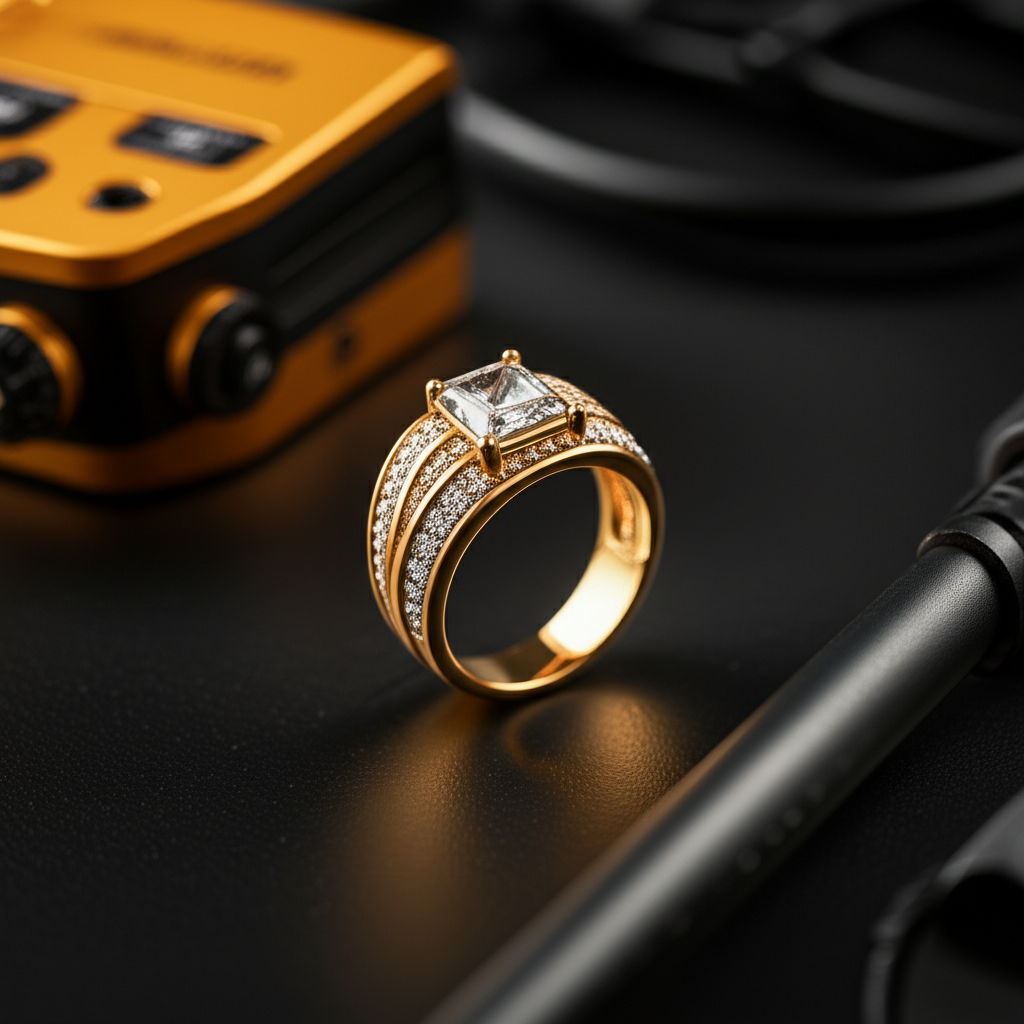
Yes, you absolutely can find a gold ring with a metal detector! Gold rings, especially those with higher karats, are excellent targets for metal detectors due to their conductivity. This guide provides proven tips and essential gear advice to maximize your chances of success and help you recover that precious lost jewelry.
Can You Find A Gold Ring With A Metal Detector? Proven Tips
Losing a gold ring can feel devastating, whether it slipped off your finger at the beach or was misplaced in your backyard. Many people wonder if their trusty metal detector can actually help them recover such a valuable item. The good news is that with the right approach and equipment, finding a lost gold ring is not only possible but also a rewarding experience. This article will guide you through the essential steps and techniques that seasoned detectorists use to locate these elusive treasures.
Why Gold Rings Are Detectable
Gold, being a highly conductive metal, responds very well to the electromagnetic fields produced by metal detectors. This inherent property makes gold rings stand out as desirable targets. Different karats of gold have varying conductivity levels, with pure gold (24k) being the most conductive, followed by 18k, 14k, and 10k. This means your detector can pick them up effectively, especially when you know what to listen for.
Understanding Conductivity and Detector Tones

Metal detectors work by creating a magnetic field. When this field encounters a metal object, it induces a current in the object, which in turn creates its own magnetic field. The detector’s coil senses this secondary field and signals the presence of metal. Different metals produce different responses, often translated into distinct audio tones or numerical target IDs on the detector’s display. Understanding these signals is key to identifying potential gold rings.
Choosing the Right Metal Detector for Gold
Not all metal detectors are created equal, especially when it comes to finding small, high-conductivity targets like gold rings. While many general-purpose detectors can find gold, some are specifically designed or better suited for the task. The frequency of the detector plays a significant role; higher frequencies (15 kHz and above) are generally better for detecting small gold items like jewelry.
Key Detector Features to Look For
When selecting a detector with gold rings in mind, prioritize models with adjustable discrimination settings to filter out junk targets like iron nails. A good target ID system is also crucial, helping you differentiate between various metals. Some detectors offer specialized “jewelry” or “gold” modes that can enhance sensitivity to these specific types of targets. For instance, brands like Minelab, Garrett, and Nokta Makro offer excellent options for jewelry detection.
High-Frequency Detectors: Your Best Bet
Higher frequency detectors excel at picking up small, low-conductivity targets. If you’re primarily interested in finding lost jewelry, consider a detector with a frequency of 15 kHz or higher. These detectors are more sensitive to the faint signals that small gold items emit. Many modern detectors offer multi-frequency capabilities, allowing you to switch frequencies to suit different conditions and target types.
Essential Accessories for Your Search
Beyond the detector itself, a few key accessories can significantly improve your success rate when searching for a lost gold ring. These tools help you pinpoint the target accurately, dig cleanly, and recover your find without damaging it. Having the right gear can make the difference between a frustrating search and a successful recovery.
The Indispensable Pinpointer
A pinpointer is a small, handheld detector that you use once you’ve narrowed down the search area with your main detector. It’s invaluable for locating small targets within the soil or dug-up plug of earth. Without a pinpointer, you’d be digging much larger holes and sifting through a lot more dirt, increasing the risk of losing the ring in the process.
Digging Tools and Sieve
Appropriate digging tools are essential for minimizing disturbance to the ground. A sturdy digging trowel or spade is necessary for carefully extracting plugs of earth. A sieve or sifting screen is also highly recommended, allowing you to sift through the removed soil efficiently and spot the glint of gold.
Where to Search for Lost Gold Rings
The location where the ring was likely lost is the most critical factor in your search. Think about the activities that took place and the environments where the ring might have slipped off. Beaches, parks, backyards, and even shallow water areas are common places for lost jewelry.
Beaches: A Prime Location
Beaches are notorious for swallowing rings, especially in the wet sand near the water’s edge or in the dry, shifting sands further up. The constant movement of sand and waves can bury rings quickly. When searching a beach, start your search in the area where the person remembers the ring being on their hand and work outwards.
Parks and Recreational Areas
Parks and other recreational areas are also prime spots for lost rings. Think about where people sit, play, or exercise. Areas around picnic tables, benches, sports fields, and playgrounds are worth investigating. The grass can hide a ring well, making a pinpointer absolutely crucial.
Backyards and Private Property
If the ring was lost at home, your backyard is the most logical place to start. Pay close attention to areas where gardening, playing, or outdoor gatherings might have occurred. Always seek permission before detecting on private property that doesn’t belong to you.
Effective Metal Detecting Techniques
Once you have your gear and a promising location, employing the right detecting techniques will greatly increase your chances of finding a gold ring. Patience and methodical searching are key. Don’t rush the process; take your time and listen carefully to your detector.
Systematic Search Patterns
Work in a grid pattern, overlapping your sweeps with each pass of the detector coil. This ensures you cover the entire area thoroughly without missing any spots. Start at one edge of your search area and move systematically across, then shift over slightly and sweep back in the opposite direction.
Understanding Target Signals
Learn to distinguish the signals of desirable targets from those of trash. Gold rings often produce a clear, mid-to-high tone on most detectors, and their target ID numbers typically fall within a specific range. Practice on known targets in your yard to familiarize yourself with how different metals sound on your specific detector.
Adjusting Detector Settings
Don’t be afraid to tweak your detector’s settings. If you’re in an area with a lot of iron trash, you might need to increase discrimination slightly. However, be cautious not to discriminate too much, as this could filter out a gold ring. Sometimes, turning discrimination off and relying on your ability to interpret audio signals is the best approach for finding jewelry.
Dealing with “Junk” Targets
Most metal detecting sites are littered with iron nails, bottle caps, and foil. Learning to identify and ignore these “junk” signals is a vital skill. While some gold jewelry can mimic the signals of trash, a good detector and experienced ear can usually tell the difference.
Iron Masking and How to Combat It
Iron masking occurs when a valuable target is located very close to a large iron object. The iron signal can overwhelm or mask the weaker signal of the gold ring. To combat this, try different coil orientations or swing patterns, and sometimes digging the iron target first can reveal the ring nearby.
Recognizing Ring-Like Signals
Gold rings typically produce a clean, repeatable signal. Unlike a pull-tab, which can have a choppy or inconsistent tone, a gold ring will usually give a clear, sweet sound. Pay attention to how consistently the signal repeats as you sweep the coil from different directions.
The Importance of Depth and Ground Conditions
The depth at which a ring is buried and the type of ground you’re searching in will affect how easily it can be detected. Gold rings are relatively small and can be buried deeper than larger, more conductive items. Soil mineralization can also impact detector performance.
Adjusting for Mineralized Ground
Highly mineralized ground, like that found on some beaches, can cause false signals and reduce detector sensitivity. Many detectors have a ground balance feature that helps compensate for this. If your detector allows, ground balance it in the search area to optimize performance.
Estimating Target Depth
While most detectors provide a depth estimate, these are often approximations. A ring buried deeper will produce a weaker signal. If you suspect a target is deep, you may need to use a larger coil or a detector with higher sensitivity settings.
Digging and Recovery: The Crucial Step
Once you’ve pinpointed the target, careful digging and recovery are paramount. The goal is to retrieve the ring without damaging it or the environment. This is where your digging tools and pinpointer truly shine.
The Plug and Sift Method
A common and effective technique is to cut a neat, three-sided plug of turf or sand. Carefully lift this plug and place it aside. Use your pinpointer to check the hole, then check the plug itself. If the target isn’t found, sift the soil that was removed, checking the sifted material for the ring.
Handling Delicate Finds
Gold jewelry can be soft and prone to bending or scratching. Handle your find with care, especially if it appears delicate. Once recovered, gently clean it with water and a soft brush to remove any dirt.
Legal and Ethical Considerations
Before you head out detecting, it’s essential to be aware of the laws and ethical guidelines governing metal detecting in your area. Understanding these rules ensures you can detect responsibly and avoid legal trouble. Always respect private property and historical sites.
Research Local Laws and Permissions
Metal detecting regulations vary widely. Some public areas might prohibit detecting, while others require permits. Always research local ordinances and obtain permission from landowners before detecting on private property. The Metal Detecting UK forums offer good insights into legalities in various regions.
Respecting Historical Sites
Never detect on or near known archaeological or historical sites. These locations are protected, and disturbing them can lead to significant penalties. Your focus should be on finding lost personal items, not on disturbing historical artifacts.
FAQ: Your Burning Questions Answered
Here are some common questions beginner detectorists have about finding gold rings.
What is the best time of day to find a gold ring?
The best time is often when the ground is slightly moist, making it easier to dig and less likely to disturb the soil. Early mornings or after a light rain can be ideal, especially on beaches or in parks.
Can a cheap metal detector find a gold ring?
While a very basic, inexpensive detector might struggle, many entry-level to mid-range metal detectors are perfectly capable of finding gold rings, especially if they operate at a higher frequency or have good sensitivity.
How deep can a metal detector find a gold ring?
This depends on the detector’s power, the coil size, and the ground conditions. A good detector with a suitable coil can often detect a gold ring buried up to 6-8 inches deep, sometimes even more.
What kind of tone does a gold ring make?
Gold rings typically produce a clear, mid-to-high-pitched tone on most detectors. The exact sound varies by detector model, but it’s generally a clean, repeatable signal, often in the 40-70 range on a VDI scale.
Should I dig every signal?
It’s generally recommended to investigate repeatable, non-iron signals, especially if you’re searching for jewelry. Learning to distinguish faint gold signals from trash is a skill that develops with practice and experience.
What if the ring is very small or thin?
Smaller and thinner gold rings will produce fainter signals. This is where higher frequency detectors and a good pinpointer are most beneficial, as they excel at picking up these subtle targets.
Conclusion: Your Journey to Finding Gold Rings
So, can you find a gold ring with a metal detector? The definitive answer is a resounding yes! With the right equipment, a methodical approach, and a bit of patience, recovering lost gold rings is an achievable and incredibly satisfying pursuit. Understanding your detector’s capabilities, choosing appropriate accessories like a pinpointer, and knowing where and how to search are your most powerful tools. Remember to always be mindful of the environment and local regulations. Happy hunting, and may your next sweep yield that precious glint of gold!
