


Published on: September 28, 2025 | Updated on: September 28, 2025
Yes, you can typically go through a metal detector with dental implants. While implants contain metal, they are usually small and shielded by your jawbone, making them unlikely to trigger most standard security metal detectors. Here’s what you need to know.
For many treasure hunters and outdoor explorers, the thought of encountering security checkpoints, whether at airports or other sensitive locations, can bring up a specific worry: will my dental implants set off the metal detector? It’s a question I’ve heard a few times, and it’s completely understandable. After all, we spend our precious detecting time searching for metal objects, and the idea of being stopped because of something inside our own mouth can feel… well, ironic. But don’t let this potential hiccup deter you from your adventures. The good news is that in most cases, dental implants are not a problem. This guide will walk you through exactly why, what to do if you’re concerned, and how to navigate any situation smoothly.
Dental Implants: The Basics and Metal Detectors
Most standard security metal detectors are designed to identify larger metallic objects carried on a person, like weapons or significant amounts of jewelry. Dental implants, while made of metal (typically titanium), are generally very small and deeply embedded within the jawbone. This means they are usually not strong enough emitters to trigger the sensitive coils of a walk-through detector or handheld wand.
Understanding How Metal Detectors Work

Metal detectors operate by creating an electromagnetic field. When a conductive object, like metal, enters this field, it disrupts it, and the detector signals this disruption. The sensitivity and size of the object are key factors in whether a detection occurs.
The Composition of Dental Implants
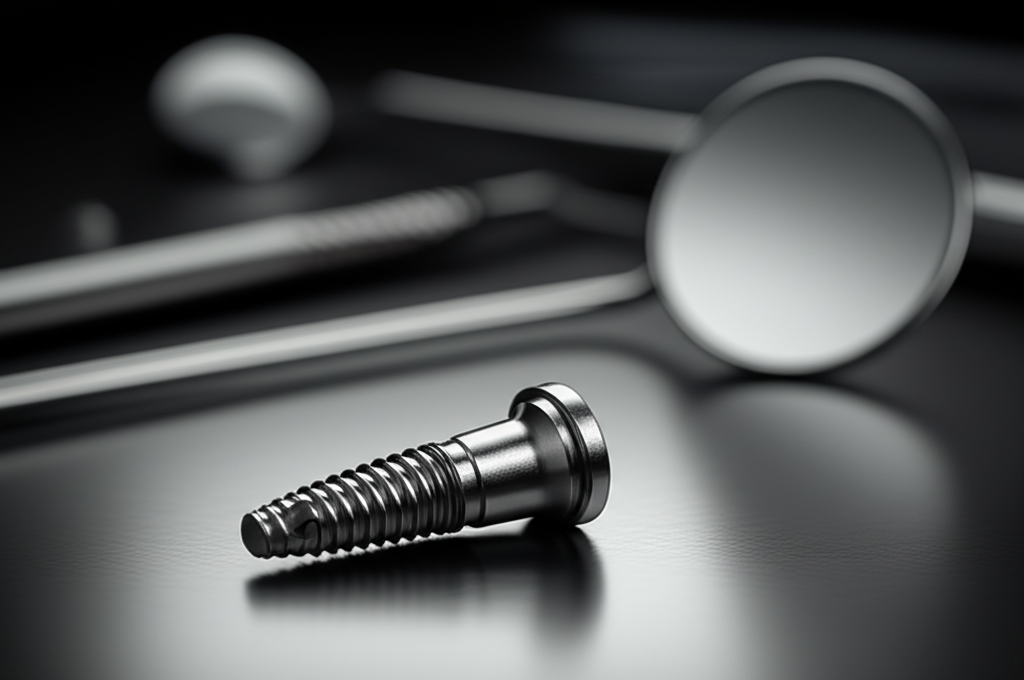
The vast majority of dental implants are made from titanium or a titanium alloy. Titanium is chosen for its biocompatibility, strength, and resistance to corrosion. While it is a metal, its properties make it different from the kind of metals that typically cause issues with metal detectors.
Why Dental Implants Usually Don’t Trigger Detectors
The small size of implant posts and the titanium’s non-ferromagnetic properties mean they produce a weak electromagnetic response. This response is often below the threshold required to set off standard airport or security screening devices. Your jawbone also acts as a natural shield, further dampening any signal.
When Might Dental Implants Cause a Concern?
While rare, there are a few scenarios where your dental implants might be a factor, though it’s still unlikely to be the primary cause of a strong alarm. It’s more about awareness and preparation than a guaranteed problem.
Very Sensitive Detection Equipment
Some highly specialized metal detection equipment, particularly those used for forensic or very high-security applications, might be sensitive enough to detect even small metallic objects. However, these are not the detectors you’ll encounter at most public places.
Multiple Implants or Larger Prosthetics
If you have a very large number of implants or a more extensive dental prosthetic that incorporates more metal than a standard implant, the collective metallic presence could theoretically contribute to a signal. This is still highly improbable for standard detectors.
Other Metallic Items You’re Carrying
It’s far more likely that a metal detector alarm will be triggered by other items you have on your person. Think keys, loose change in your pockets, belt buckles, zippers, jewelry, or even some electronic devices. These are the usual suspects.
What to Do if You’re Concerned About Your Dental Implants
If you have dental implants and are feeling anxious about passing through metal detectors, especially at airports, there are practical steps you can take to ensure a smooth experience. Preparation is key, and it’s always better to be informed.
Inform the Security Personnel
The simplest and most effective strategy is to politely inform the security officer before you go through the detector. A brief, calm statement like, “Just so you know, I have dental implants,” can preempt any confusion. They are accustomed to dealing with various medical devices and implants.
What Security Personnel Might Do
If you mention your implants, or if the detector happens to go off (likely due to another item), the security officer will likely opt for a secondary screening. This usually involves a handheld metal detector wand or a pat-down search. They are trained to handle these situations discreetly and professionally.
Medical Documentation (Optional but Reassuring)
While not typically required, if you have significant anxiety or have experienced issues in the past, you could carry a small card or note from your dentist confirming you have dental implants. This is more for your peace of mind than a mandatory requirement.
Airports are a common place where people encounter walk-through metal detectors. The good news is that the Transportation Security Administration (TSA) and similar bodies worldwide are well aware of medical implants.
TSA Guidelines and Medical Devices
The TSA explicitly states that medical devices, including dental implants, are generally not a concern for screening. They recommend travelers inform officers about any implants if they have concerns or if they set off an alarm. This proactive communication is highly effective.
The Secondary Screening Process
If you are asked to go through secondary screening, it’s a routine procedure. The handheld wand is less sensitive than the walk-through arch and is used to pinpoint the source of any alarm. Again, mentioning your implants can help guide their search.
What to Expect During a Pat-Down
A pat-down is a manual check performed by a security officer. They will check your body and belongings for any prohibited items. It’s conducted professionally and with respect for your privacy.
Dental Implants and Other Metal Detecting Gear
It’s important to distinguish between security metal detectors and the metal detectors we use for treasure hunting. The latter are specifically designed to find a wide range of metallic objects buried in the ground.
How Your Metal Detector Works (for Hobbyists)
As detectorists, we know our machines are tuned to pick up subtle signals from the earth. This involves different frequencies, ground balancing, and discrimination settings to find targets like coins, relics, and gold. The metal in your mouth is orders of magnitude smaller and less influential than a buried coin.
Can Dental Implants Affect Your Detector?
In short, no. Your dental implants will not interfere with the performance of your metal detector while you’re out in the field. The signals our detectors are designed to pick up are from objects on or beneath the surface, not internal medical devices.
The Importance of Pinpointers
When you’re out detecting, a good pinpointer is crucial for locating small targets once you’ve identified a signal. These handheld devices are sensitive but are used for pinpointing targets already detected by a larger coil, not for general security screening.
Frequently Asked Questions About Dental Implants and Metal Detectors
Here are some common questions I hear from fellow detectorists and travelers regarding dental implants and metal detectors.
Will my dental implants set off airport metal detectors?
It is highly unlikely that your dental implants will set off a standard airport metal detector. They are small, made of titanium, and embedded in your jawbone, which usually prevents them from generating a strong enough signal.
What if an airport metal detector goes off?
If the metal detector alarms, it’s most likely due to another metallic item you are carrying. Inform the security officer about your dental implants, and they will likely conduct a secondary screening with a handheld wand or a pat-down.
Can I go through a body scanner with dental implants?
Yes, you can generally go through airport body scanners with dental implants. These scanners use different technology than magnetic metal detectors and are typically not affected by dental implants.
Do dental implants have to be removed for metal detection?
No, dental implants do not need to be removed for security metal detection. They are designed to be permanent and are not a contraindication for passing through standard screening devices.
Are there any types of metal detectors that dental implants will trigger?
Extremely sensitive or specialized industrial detectors might theoretically register a very faint signal from dental implants, but this is not relevant to standard security checkpoints or the metal detectors used for hobby detecting.
Should I tell my dentist I’m a metal detectorist?
It’s always good to keep your dentist informed about your lifestyle, but it’s not directly related to the performance of your dental implants with metal detectors. They can confirm the material used for your implants if you have specific concerns.
What if I have a metal dental bridge or crown?
Similar to implants, most modern dental bridges and crowns are made of materials that do not typically trigger security metal detectors. Porcelain-fused-to-metal (PFM) crowns have a metal substructure, but it’s usually well-shielded. If you have concerns, inform security personnel.
The Real Metal Detecting Concerns for Detectorists
While dental implants are rarely an issue for security, there are plenty of other things a seasoned detectorist needs to consider when preparing for a detecting trip or heading out for a day of hunting.
Choosing the Right Metal Detector
Selecting a detector that suits your target types (coins, relics, gold) and detecting environment (parks, beaches, fields) is crucial. A beginner might start with a versatile, all-around machine, while a gold prospector will need a specialized high-frequency detector. Brands like Minelab, Garrett, and Nokta Makro offer excellent options for various needs.
Understanding Detector Settings
Mastering your detector’s settings—like sensitivity, discrimination, ground balance, and notch filters—is key to success. Incorrect settings can lead to missed targets or an overwhelming number of false signals from iron trash. Experimenting in a test garden is highly recommended.
Essential Detecting Accessories
Beyond the detector itself, several accessories enhance your detecting experience. These include a quality pinpointer (like the Garrett Pro-Pointer or Nokta Pointer), a durable digging tool (a Lesche trowel is a favorite for many), headphones to hear faint signals, and a finds pouch.
Researching Detecting Locations
Before you even grab your detector, research is vital. Look for historical maps, old property records, and local history to identify promising locations for finding coins, relics, or even caches. Always ensure you have permission to detect on private property.
Field Etiquette and Responsibilities
Being a responsible detectorist means practicing good field etiquette. This includes filling in all holes neatly, leaving no trace, and respecting private property and public land regulations. Preserving the environment and maintaining good relationships with landowners is paramount.
Conclusion: Peace of Mind for Your Detecting Adventures
So, to circle back to our main question: can you go through a metal detector with dental implants? The overwhelming answer is yes, you can, and it’s highly unlikely to cause any issues. While the idea of metal in your mouth might seem like a red flag for metal detectors, the reality is that dental implants are too small and shielded to trigger most standard security screening devices. If you do encounter an alarm, it’s almost certainly due to another item, and informing security about your implants will lead to a quick and simple secondary check.
As detectorists, we’re focused on finding treasures buried in the earth, not on being flagged by security systems. Your dental implants are a testament to modern dentistry and biocompatible materials, not a hindrance to your hobbies or travels. So, pack your favorite metal detector, your trusty pinpointer, and head out for your next adventure with confidence. Happy hunting!
