


Published on: October 3, 2025 | Updated on: October 21, 2026
Unlock the secrets of the soil! This guide reveals the most common metal detector finds, from everyday coins to historical relics, and offers expert tips to help you discover your own essential hidden treasures with confidence.
The thrill of metal detecting lies in the unknown. Every sweep of the coil holds the promise of a forgotten treasure, a piece of history, or simply a lost item waiting to be reunited with its owner. While the dream of striking gold is what often draws us to the hobby, the reality is that most successful detectorists build their expertise by understanding and appreciating the more common finds. These everyday discoveries are the foundation of any treasure hunting journey, offering valuable practice and a deeper connection to the past.
The Allure of the Everyday: Why Common Finds Matter

Many beginners might feel a pang of disappointment when their first finds are not ancient artifacts or gold nuggets. However, these more frequent discoveries are incredibly important. They teach you how to interpret your detector’s signals, refine your digging techniques, and understand the typical targets found in different locations. Mastering the art of identifying and recovering common metal detector finds is the crucial first step towards uncovering those truly exceptional pieces.
Decoding Your Detector: Understanding Signal Types
Your metal detector is your guide, and its signals are its language. Learning to distinguish between different tones and visual displays is paramount. A high-frequency, sharp signal often indicates a small, shallow target like a modern coin or a pull-tab. Deeper, more mellow tones can suggest larger or more substantial items, but can also be iron. Understanding these nuances comes with practice, and focusing on common targets helps build this essential skill.
Coins: The Detectorist’s Bread and Butter
Coins are by far the most prevalent metal detector finds, and for good reason. People lose money constantly, whether through dropped pockets, fumbled change, or forgotten savings. From modern currency to older, more valuable circulated coins, the potential for coin hunting is vast. Learning to identify different coin types by their target ID numbers and tones will become second nature.
Pocket Change and Beyond
Modern pennies, nickels, dimes, and quarters are abundant in parks, schoolyards, and sidewalks. While not typically high in monetary value, they provide excellent practice for pinpointing and recovery. You’ll also encounter foreign coins, which can be interesting historical curiosities.
Older and More Valuable Coins
With experience, you’ll start to distinguish the signals of older silver coins like dimes, quarters, and half-dollars from the early 20th century, or even copper pennies from the 19th century. These are often found in older residential areas, near historical buildings, and in established parks. Always research the value of older coins, as some can be quite collectible.
Jewelry: Lost Sparkle and Sentimental Value
Lost jewelry represents another significant category of common metal detector finds. Rings, necklaces, bracelets, and earrings often slip off unnoticed. These items can range from inexpensive costume jewelry to precious metals like gold and silver, sometimes even featuring gemstones.
The Hunt for Gold and Silver
Gold and silver jewelry often produce strong, clear signals that are distinct from iron. Understanding your detector’s discrimination settings is key here, as you’ll want to filter out iron trash while still being sensitive to these valuable metals. Beaches and swimming areas are prime locations for lost jewelry.
Costume Jewelry and Trinkets
Don’t dismiss costume jewelry entirely. While its monetary value might be negligible, it still represents a successful recovery and helps hone your skills. Sometimes, even these pieces can have sentimental value to the person who lost them.
Relics and Buttons: Whispers from the Past
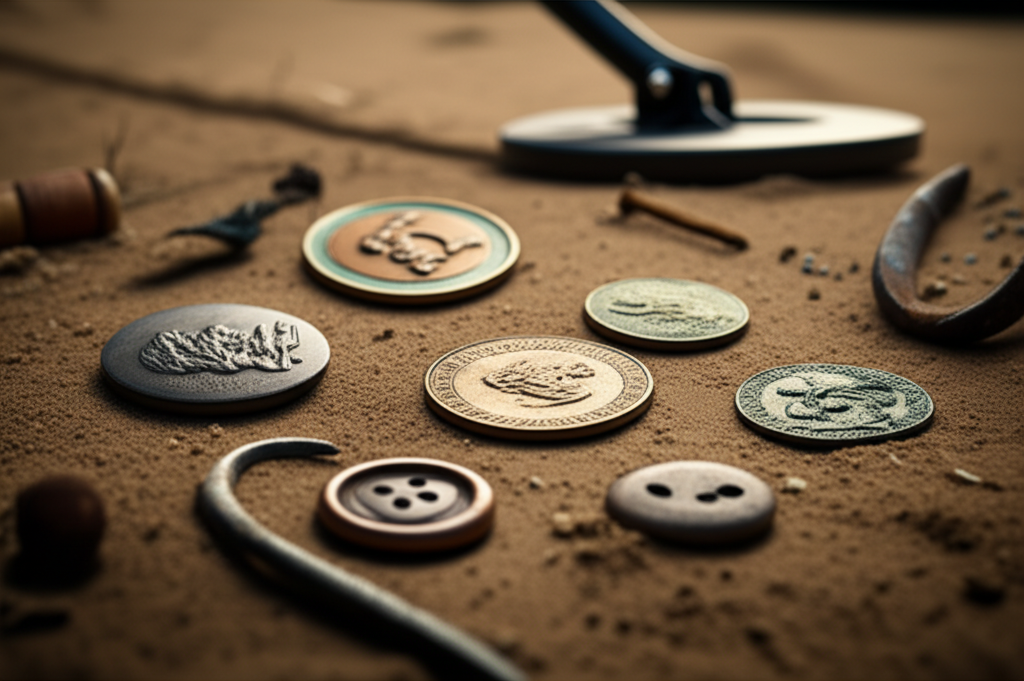
Relics, in the context of metal detecting, refer to items from historical periods, often associated with past human activity. Buttons are a prime example of common historical finds that tell stories. These can range from simple metal buttons on work clothes to ornate military buttons or elegant Victorian-era fasteners.
Military Buttons and Uniform Accoutrements
Sites of historical battles, old encampments, or even former homesteads can yield military buttons, buckles, badges, and other uniform pieces. These finds offer a tangible connection to soldiers and civilians of bygone eras. Identifying the era and origin of these items can be a rewarding research endeavor.
Household Items and Tools
You might also unearth fragments of old tools, kitchenware, or other everyday items. A rusted hinge, a fragment of a tin can, or a simple farm implement can provide clues about the lives of people who once inhabited the area. These are the building blocks of understanding local history.
Pull-Tabs and Foil: The Detectorist’s Nemesis (and Friend)
Pull-tabs from beverage cans and aluminum foil are ubiquitous and often frustrating finds. They are made of aluminum, which can mimic the signals of some gold jewelry. While you’ll dig many of these, learning to distinguish their signals from more desirable targets is a vital skill.
Identifying Aluminum Signals
Most modern detectors provide a specific target ID range for aluminum. Experienced detectorists learn to recognize the choppy or erratic signals that aluminum often produces. This knowledge saves you from digging every single pull-tab.
The Importance of Discrimination
Proper use of your detector’s discrimination settings can help filter out a lot of this aluminum trash. However, be cautious; setting discrimination too high can cause you to miss valuable targets like gold rings, which can sometimes register in a similar range. Finding the right balance is key.
Lead and Shot: Echoes of Hunting and Fishing
Lead items are quite common, especially in areas where hunting or shooting has taken place. Lead fishing weights, musket balls, and shotgun pellets are frequent finds. These items, while not always valuable, are important historical indicators of past activities.
Fishing Lures and Weights
Old fishing spots, riverbanks, and lake shores can be littered with lost fishing tackle. Lead weights and old lures are common discoveries, offering a glimpse into recreational pastimes.
Ammunition and Military Ballistics
In areas with a history of hunting or military activity, you might find musket balls, buckshot, or even modern bullet casings. These require careful handling and can be historically significant.
Keys: Unlocking Forgotten Doors
Lost keys are surprisingly common metal detector finds. Whether it’s a modern house key or an old, ornate skeleton key, these items represent something that was once important enough to lock or unlock.
Modern House Keys
You’ll find these in parks, yards, and anywhere people frequent. They are usually made of brass or nickel-silver and provide a good, clear signal.
Old Skeleton Keys
Older, larger skeleton keys are made of iron and can produce a deeper, more ambiguous signal. These are often found near old buildings, farmsteads, or historical sites and are fascinating historical artifacts.
Tools and Utensils: Everyday Objects Lost to Time
Beyond buttons and tools, you’ll encounter a variety of other common metal detector finds related to everyday life. This can include old silverware, parts of farming equipment, buckles, and even pieces of metal fencing.
Silverware and Cutlery
In older yards or picnic spots, you might find lost forks, spoons, or knife handles. Older silverware can be sterling silver, making it a valuable find.
Farm Equipment Fragments
Near old farmhouses or fields, you may unearth parts of plows, harnesses, or other agricultural tools. These are often iron and can be quite large.
Pocket Tools and Knives: Useful Items Left Behind
Small tools, pocket knives, and even parts of firearms can be found. These items, often made of steel or brass, are usually quite distinctive in their signal.
Pocket Knives and Multi-tools
People often lose these useful items when they fall out of pockets. They are typically made of steel and can be found in various locations.
Firearm Components
While rarer, you might find parts of old firearms, such as trigger guards or small metal components. These are historical artifacts that require careful identification and handling.
Planning Your Hunt: Where to Find Common Treasures
Understanding what to find is only half the battle; knowing where to look is crucial. Common metal detector finds are often concentrated in areas of human activity, both past and present.
Public Parks and Recreational Areas
These are goldmines for modern coins, jewelry, and pull-tabs. Focus on picnic areas, playgrounds, and sports fields.
Old Residential Yards and Properties
Older homes are fantastic places to search for coins, jewelry, buttons, and household relics. Always seek permission before detecting on private property.
Historical Sites and Battlefields
With proper research and permissions, these areas can yield military relics, old coins, and buttons from earlier eras. Be aware of any regulations regarding detecting on historical land.
Beaches and Waterfronts
Excellent for lost jewelry, coins, and sometimes even fishing tackle. The shifting sands can reveal or bury targets.
Essential Gear for Maximizing Your Finds
While your metal detector is the primary tool, other gear significantly enhances your success rate and makes the process more enjoyable.
Pinpointers: Essential for Quick Recovery
A good pinpointer is indispensable. It helps you locate the exact position of your target within the plug of soil, dramatically reducing digging time and minimizing damage to the find.
Digging Tools: Trowels, Spades, and More
A sturdy trowel or a specialized digging tool is necessary to excavate your targets efficiently and cleanly. Choose tools appropriate for the terrain you’ll be working in.
Headphones: Enhancing Auditory Clues
Headphones allow you to hear faint signals clearly, especially in noisy environments. They also help you avoid disturbing others nearby.
Gloves and Pouch: Protection and Collection
Gloves protect your hands, and a find pouch allows you to collect your discoveries safely and neatly.
Respecting the Hobby: Ethical Detecting Practices
As you embark on your treasure hunting journey, remember that ethical detecting is paramount. It ensures the hobby remains accessible and respected for years to come.
Get Permission
Always obtain explicit permission before detecting on private property. For public lands, research and adhere to local regulations.
Fill Your Holes
Leave no trace. Always fill in any holes you dig completely and neatly. This preserves the landscape and shows respect for the land.
Take Your Trash
Pack out everything you dig, including modern trash like pull-tabs and foil. Help keep the areas you detect clean.
Identify and Preserve
Handle your finds with care. Research their history and consider proper preservation techniques.
FAQ: Your Common Metal Detector Finds Questions Answered
Q1: What is the most common thing people find with a metal detector?
A1: The most common metal detector finds are typically modern coins, followed closely by pull-tabs from beverage cans and aluminum foil. These are abundant in areas with frequent human activity.
Q2: Can I find valuable items if I only dig common finds?
A2: Absolutely! While common finds teach you the basics, they often lead to more valuable discoveries. Learning to identify the signals of common items helps you distinguish the signals of older coins, jewelry, and relics that might be mixed in.
Q3: What are the best places to look for common metal detector finds?
A3: Public parks, schoolyards, old residential yards, beaches, and areas around historical landmarks are excellent places to search for common finds like coins and jewelry. Always ensure you have permission and follow local regulations.
Q4: How do I avoid digging up too much trash like pull-tabs?
A4: Understanding your metal detector’s discrimination settings is key. Learn to recognize the specific tones and target IDs associated with aluminum pull-tabs and foil, and adjust your settings accordingly, while being careful not to over-discriminate and miss potential treasures.
Q5: Is it legal to metal detect anywhere?
A5: No, it is not legal to metal detect everywhere. You must always have permission to detect on private land. On public lands, regulations vary widely; some areas prohibit detecting altogether, while others have specific rules. Always research local laws and ordinances.
Q6: What should I do if I find something historically significant?
A6: If you believe you’ve found a significant historical artifact, it’s often best to report it to local authorities, museums, or archaeological societies. They can advise on proper procedures for recovery, documentation, and preservation to ensure the item’s historical context is maintained.
Conclusion: The Rewarding Journey of Common Finds
The world beneath our feet is a tapestry of forgotten objects, and metal detecting is our way of carefully unpicking a few threads. While the dream of finding a lost pirate chest or a hoard of ancient gold is exciting, the true heart of this hobby lies in the consistent, satisfying discovery of common metal detector finds. Each coin unearthed, each button recovered, and even each pull-tab identified, contributes to your skill, your knowledge, and your connection to the past. Embrace the everyday treasures, for they are the essential stepping stones on your path to becoming a seasoned detectorist and uncovering your own hidden wonders.
