


Published on: November 3, 2025 | Updated on: November 3, 2025
Create a functional and stylish small office with smart furniture choices that maximize space and boost productivity, making your workspace a joy to use.
Working from a small office space can feel like a challenge. You might worry there’s not enough room for everything you need. This can make it hard to focus and feel productive. But don’t worry, there are many clever ways to furnish a small office. This guide will show you genius small office furniture ideas. We’ll cover how to choose the right desk, chair, and storage. You’ll learn to make your small space work perfectly for you.
Why Smart Furniture Matters for Small Offices

Choosing the right furniture is crucial for a small office. It’s not just about looks; it’s about how you work. Smart furniture helps you use every inch of space. It keeps your workspace tidy and organized. Good furniture also helps you feel comfortable and focused. This leads to better work and less stress. Making the most of a small office means choosing pieces that are functional and fit well.
Essential Small Office Furniture Ideas: The Desk
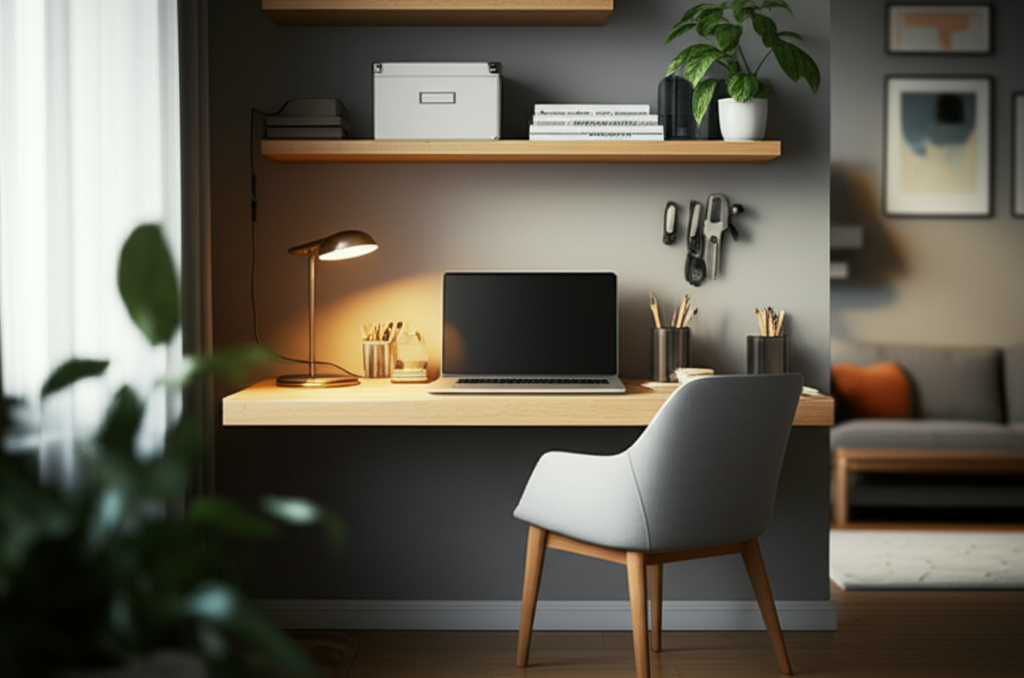
Your desk is the heart of your small office. For tight spaces, think about desks that save room. A wall-mounted desk is a great option. It folds up when not in use. This frees up floor space. A corner desk also uses often-wasted space. Look for desks with built-in storage like drawers or shelves. This keeps your essentials close by. A narrow or slim desk can fit into tight spots. Consider the depth of the desk. A shallower desk takes up less room.
Wall-Mounted Desks: Space-Saving Wonders
Wall-mounted desks are perfect for very small areas. They attach directly to the wall. This means no legs taking up floor space. Many have a fold-down surface. You can work on it and then fold it away. This makes your room feel much bigger. They are great for occasional use or for a dedicated work corner. You can find them in many styles and sizes.
Corner Desks: Maximizing Awkward Spaces
Corner desks are designed to fit into the nook of two walls. This is often unused space. They can be L-shaped or have a curved front. This shape lets you use more surface area without it jutting out too much. A corner desk can feel more substantial than a straight one. It provides a good amount of workspace. It also helps define your office zone.
Slim and Narrow Desks: Fit Anywhere
If you have a very tight spot, a slim desk is your best bet. These desks are less deep than standard ones. They can fit against a wall without dominating the room. Look for simple designs with clean lines. Some slim desks have small drawers or shelves. They are ideal for laptops and essential items.
Desks with Built-in Storage: Tidy Up Quickly
Many small office desks come with drawers or shelves. This is a huge advantage. It means you can store papers, pens, and other items right at your desk. This keeps your main work surface clear. Clutter can be very distracting. Built-in storage helps maintain order. It makes your small office feel more organized and calm.
The Ergonomic Chair: Comfort for Long Hours
A good chair is vital, especially in a small office. You spend a lot of time sitting. An ergonomic chair supports your body properly. This prevents back pain and fatigue. For small spaces, look for chairs that are not too bulky. A chair with a smaller footprint is ideal. Swivel chairs with wheels are common. Make sure it can tuck under your desk when not in use.
Features to Look For in a Small Office Chair
When choosing a chair for a small office, think about size. A chair that is too large will make the space feel cramped. Look for a chair with adjustable height. This ensures you can sit at the right level for your desk. Lumbar support is important for your back. Armrests can be helpful, but some chairs have foldable ones. This lets you push them out of the way.
Compact Ergonomic Options
You don’t need a huge chair to be comfortable. Many brands offer compact ergonomic chairs. These have all the support features but a smaller design. Some have a sleek, modern look. They can blend into your decor better. Look for chairs with breathable mesh backs. This helps with comfort. A good chair supports good posture.
Smart Storage Solutions: Keep Clutter Away
Storage is key in any office, but especially a small one. Without it, your desk and floor get messy fast. Think vertically. Wall shelves are excellent. They use the space above your desk. Floating shelves look modern and clean. Small cabinets or credenzas can store larger items. Drawer units on wheels can be moved where needed.
Vertical Storage: Go Up, Not Out
Using vertical space is a smart strategy. Wall shelves can hold books, binders, and decor. Pegboards are fantastic for organizing tools and supplies. You can hang scissors, pens, and even small shelves. Tall, narrow bookcases fit into tight corners. They offer a lot of storage without a large footprint.
Multi-functional Furniture: Two Jobs in One
Look for furniture that does more than one thing. An ottoman with storage can serve as extra seating and a place to hide items. A bookshelf can also act as a room divider. Some desks have built-in shelving units. This reduces the need for separate furniture. Multi-functional pieces save space and money.
Drawer Units and Filing Cabinets
Small, mobile drawer units are very useful. You can slide them under your desk. Or roll them to another part of the room. This keeps your important papers organized. Filing cabinets can be vertical to save floor space. Look for smaller, personal filing cabinets. They fit better in a home office.
Lighting: Brighten Your Workspace
Good lighting is essential for productivity and eye comfort. In a small office, you might not have much natural light. Supplement with artificial light. A good desk lamp is a must. Choose one with an adjustable arm. This lets you direct light where you need it. Consider LED lamps. They are energy-efficient and last a long time.
Desk Lamps: Focused Light
A desk lamp provides task lighting. This is light focused on your work area. It reduces eye strain. Look for a lamp with a flexible neck or arm. This lets you adjust the beam. A clamp-on lamp saves desk space. It attaches to the edge of your desk.
Ambient and Natural Light
Try to maximize natural light if possible. Position your desk near a window. Use sheer curtains to soften bright sunlight. For ambient light, consider a floor lamp. A floor lamp provides general room illumination. It doesn’t take up desk space. Smart bulbs can change color temperature. Warmer light is good for relaxation. Cooler light is better for focus.
Accessories and Organization Tools
Small accessories can make a big difference in a small office. Desk organizers keep pens, clips, and other small items tidy. Monitor stands can elevate your screen. This improves ergonomics and frees up desk space. Cable management solutions keep wires neat. This reduces visual clutter.
Desk Organizers: Tame the Chaos
Desk organizers come in many forms. Trays for papers, cups for pens, and small drawers for supplies. A good organizer keeps your most-used items within reach. But it also keeps them neatly stored. Look for organizers that fit your desk size. Some are stackable.
Monitor Stands: Better View, More Space
Raising your monitor with a stand is a game-changer. It puts your screen at eye level. This is better for your neck and posture. Many monitor stands have shelves underneath. This space can be used for storing your keyboard. Or it can hold small desk items. Some stands are designed to hold multiple monitors.
Cable Management: Hide the Mess
Tangled cables look messy and can be a tripping hazard. Cable management solutions help. Use cable ties or sleeves to bundle cords together. Adhesive cable clips can stick to the underside of your desk. This keeps wires off the floor and out of sight. A tidy workspace is a more productive workspace.
Multi-functional Furniture for Small Spaces
Choosing furniture that serves multiple purposes is smart for small offices. A filing cabinet that also acts as a side table. Or a bookshelf with a built-in desk. These pieces maximize utility. They reduce the number of items you need. This keeps the space feeling open and uncluttered.
Ottoman with Storage
An ottoman can be a footrest, extra seat, or storage unit. It’s a versatile piece. In a small office, it can tuck under a desk. Or it can be used as a small side table. The storage inside is perfect for blankets or less-used office supplies.
Bookshelf as a Divider
If your small office is part of a larger room, a bookshelf can create zones. A tall, open bookshelf can visually divide the space. It still allows light to pass through. You can store books and decor on it. This makes the division functional.
Creative Small Office Furniture Ideas
Think outside the traditional office setup. Consider furniture designed for other rooms. A console table can work as a slim desk. A narrow credenza can offer storage. Explore modular furniture. This lets you arrange pieces to fit your space. You can reconfigure it if your needs change.
Console Tables as Desks
Console tables are often long and narrow. They are perfect for tight spaces. They can be placed against a wall. They provide a surface for your laptop and a few items. Some have drawers for small storage. They often have a stylish look.
Modular Furniture Systems
Modular furniture comes in sections. You can combine them in different ways. This allows you to build a desk and storage unit. It fits your exact space requirements. You can start small and add more pieces later. This flexibility is great for growing needs.
Making the Most of Your Small Office Layout
The arrangement of your furniture matters. Place your desk to take advantage of light. If possible, face a window or a pleasing view. Avoid placing your desk directly facing a blank wall if it feels constricting. Use the corners effectively. Keep the path to your door clear.
Desk Placement Strategies
Consider what is behind you. Facing a wall can feel enclosed. Facing a door can be distracting. Facing a window offers natural light and a view. If that’s not possible, face into the room. This can make the space feel more open. Think about where your screen will be visible to others.
Utilizing Corners
Corners are often underutilized. A corner desk is a great solution. Or you can place a small bookshelf or filing cabinet there. A floor lamp can fit neatly in a corner. This uses space efficiently. It avoids blocking pathways.
Frequently Asked Questions About Small Office Furniture
What is the best type of desk for a small office?
The best desk depends on your space. Wall-mounted desks fold away. Corner desks use awkward spaces. Slim desks fit narrow spots. Desks with built-in storage are also very practical.
How can I make a small office feel bigger?
Use light colors on walls and furniture. Keep the space tidy and organized. Choose furniture with legs to show more floor. Use mirrors to reflect light and space. Vertical storage also helps.
What kind of chair is good for a small office?
Look for a compact ergonomic chair. It should offer good support but not be bulky. Chairs with adjustable height and lumbar support are key. Ensure it can tuck under the desk.
Is it better to have open or closed storage in a small office?
A mix is usually best. Open shelves are good for frequently used items and decor. Closed storage like cabinets or drawers hides clutter. This keeps the space looking neat.
How important is lighting in a small office?
Lighting is very important. Good lighting reduces eye strain and boosts productivity. Use a desk lamp for task lighting. Ambient lighting from a floor lamp is also helpful. Maximize natural light if possible.
Conclusion: Your Small Office, Your Productivity Hub
Furnishing a small office doesn’t have to be a struggle. With smart small office furniture ideas, you can create a space that is both functional and inspiring. Focus on multi-functional pieces. Utilize vertical space for storage. Choose a comfortable, ergonomic chair. And keep clutter at bay with good organization. By carefully selecting your furniture, you can transform even the tiniest area into your ideal workspace. This will help you work better and feel happier.
For more tips on optimizing your workspace, follow us on Toolguider for the latest reviews and guides.
