



Published on: November 5, 2025 | Updated on: November 5, 2025
A metal detector for plastic recycling is a groundbreaking tool that helps identify metal contaminants within plastic waste streams, improving recycling efficiency and product purity.
Metal detecting for plastic recycling might sound strange at first. You usually think of finding old coins or buried treasure. But this technology is changing how we handle plastic waste. Finding tiny bits of metal in plastic is hard. This can ruin recycled plastic quality. A special metal detector can make a big difference. It helps us clean up plastic so it can be used again. This guide will show you why this is important. We will explore how these detectors work and their benefits.
Why Metal Detectors are Crucial for Plastic Recycling
Metal detectors are vital for plastic recycling. They find unwanted metal pieces mixed with plastic. This metal can damage recycling machinery. It also lowers the quality of the final recycled plastic. Removing metal ensures cleaner plastic for new products. This makes recycling more efficient and profitable.
The Problem with Metal in Plastic Waste
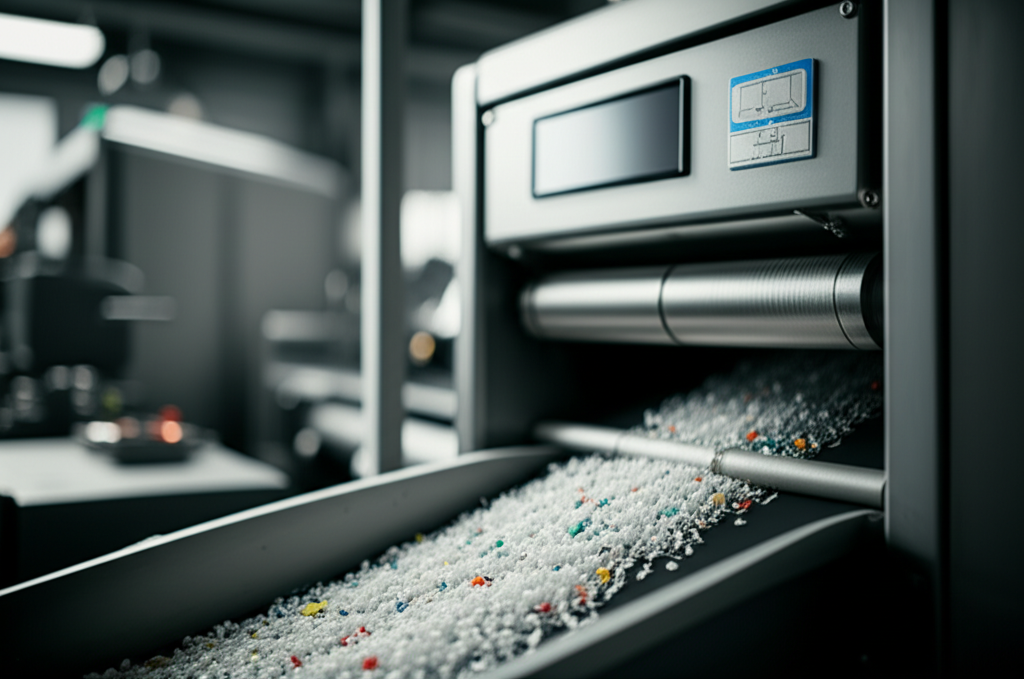
Plastic waste often contains metal items. Think of bottle caps, foil wrappers, or small metal parts. These get mixed in during collection. When plastic is shredded, these metal bits cause big problems. They can break expensive shredder blades. They can also melt and fuse into the plastic. This makes the recycled plastic unusable for many things.
The Impact on Recycling Machinery
Recycling machines are sensitive. Metal fragments can jam them. They can cause wear and tear on gears and blades. This leads to frequent breakdowns. Repairs are costly and cause downtime. A good metal detector prevents these issues. It acts as a guard for your valuable equipment.
Ensuring Recycled Plastic Quality
High-quality recycled plastic is in demand. Buyers want pure plastic without metal specks. Metal contamination ruins this purity. It can lead to discoloration or weak spots. Using a metal detector ensures the plastic is clean. This boosts its value and usability. It opens up more markets for recycled materials.
How Metal Detectors Work in a Recycling Line
Metal detectors for recycling are industrial machines. They are placed along the conveyor belt. Plastic waste passes through a sensing coil. If metal is present, the detector signals it. This signal can trigger a rejection system. The rejected material is then separated.
The Sensing Coil and Electromagnetic Fields
The heart of the detector is a coil. This coil creates an electromagnetic field. As plastic passes through, metal disrupts this field. The detector senses this change. It’s like a hidden alarm for metal. Even small metal pieces can be detected this way.
Triggering Rejection Systems
Once metal is detected, a signal is sent. This signal activates a rejection mechanism. Common systems use air jets. A puff of air blows the contaminated plastic off the belt. Other systems might use diverter arms. This ensures only clean plastic moves forward.
Types of Detectors Used
Several types of metal detectors work. Inductive type detectors are common. They use electromagnetic fields. Magnetic separators are also used. These are best for ferrous metals (iron). Non-ferrous metal detectors find aluminum and copper. The choice depends on the expected contaminants.
Choosing the Right Metal Detector for Plastic Recycling
Selecting the correct metal detector is key. You need one suited for your specific needs. Consider the type of plastic and common contaminants. The size of your operation matters too. It’s an investment in efficiency and product quality.
Key Features to Look For
Look for high sensitivity. It should detect small metal fragments. Durability is important for industrial settings. Easy integration with existing lines is a plus. Some detectors offer advanced features. These include data logging and self-testing.
Ferrous vs. Non-Ferrous Detection
Decide if you need to detect ferrous metals only. Or do you need to find non-ferrous metals like aluminum? Ferrous metals are magnetic. Non-ferrous metals are not. Many systems can detect both. This offers broader protection.
Size and Throughput Considerations
The detector must fit your conveyor system. Its size affects the sensing area. Throughput is about how much plastic it can handle. Ensure the detector can keep up with your recycling speed. A bottleneck here slows everything down.
Integration with Sorting Systems
Modern systems often combine metal detection with sorting. Some detectors work with optical sorters. They can identify different plastic types. This creates a highly efficient sorting process. It’s a smart way to maximize value.
Real-World Applications and Success Stories
Companies worldwide use metal detectors in recycling. They report significant improvements. Machinery damage is reduced. Recycled plastic quality is much higher. This leads to better sales and sustainability.
Improving PET Bottle Recycling
Recycling PET bottles is common. These often have metal caps or foil liners. A metal detector ensures these are removed. This results in cleaner PET flakes. These flakes can be used for new bottles or textiles.
Handling Mixed Plastic Waste Streams
Mixed plastic waste is challenging. It contains many different items. Metal detectors help sort out metal contaminants. This makes processing mixed streams more feasible. It diverts more plastic from landfills.
Benefits for Manufacturers and Consumers
Manufacturers get cleaner raw materials. This means fewer production issues. Consumers benefit from better quality recycled products. It also supports a circular economy. This reduces the need for new virgin plastic.
The Economic Advantages of Metal Detection
Investing in a metal detector pays off. It saves money on repairs and downtime. It increases the value of recycled materials. This leads to higher profits. It’s a smart business decision for recyclers.
Reduced Maintenance Costs
Preventing damage to machinery saves a lot. Less downtime means more production. This directly impacts your bottom line. It’s a proactive way to manage costs.
Increased Value of Recycled Materials
Clean, pure recycled plastic sells for more. You can access premium markets. This higher value justifies the detector’s cost. It turns waste into a valuable commodity.
Enhanced Operational Efficiency
Smooth operations mean better efficiency. Less time spent fixing machines. More time producing high-quality material. This boosts overall productivity.
Challenges and Future Innovations
While effective, challenges remain. Detecting very small metal particles can be hard. Integrating systems smoothly needs expertise. The future holds even smarter detectors.
Detecting Micro-Metal Contamination
Tiny metal fragments are tough to spot. Future detectors will likely be more sensitive. They might use advanced imaging or sensing. This will capture even the smallest contaminants.
Advancements in Sensor Technology
Research is ongoing for better sensors. New materials and AI are being explored. This could lead to detectors that identify metal types. They might even predict wear on machinery.
AI and Machine Learning in Sorting
Artificial intelligence can improve detection. AI can learn to recognize specific metal signatures. Machine learning can optimize rejection processes. This makes sorting faster and more accurate.
Implementing a Metal Detector in Your Recycling Facility
Setting up a metal detector requires planning. Assess your current setup. Choose a reputable supplier. Proper installation and calibration are crucial. Training your staff ensures smooth operation.
Site Assessment and Planning
Understand your waste stream. Identify common metal contaminants. Measure your conveyor belts. Plan the best location for the detector. Ensure adequate space for rejection systems.
Supplier Selection and Installation
Choose a supplier with good support. They should offer installation services. Ensure the detector fits your budget. Ask about warranties and maintenance. Professional installation guarantees optimal performance.
Calibration and Testing
Correct calibration is vital. It sets the sensitivity levels. Test the system with known metal samples. Regularly check its performance. This ensures consistent accuracy.
Staff Training and Maintenance
Your team needs to understand the system. Train them on operation and basic checks. Regular cleaning and maintenance are essential. Follow the manufacturer’s guidelines.
The Environmental Imperative
Using metal detectors enhances recycling. This reduces landfill waste. It conserves natural resources. It lowers the carbon footprint of manufacturing. This is a win for the planet.
Boosting the Circular Economy
Better recycling means more materials are reused. This supports a circular economy. It closes the loop in material use. This is essential for sustainability.
Reducing Landfill Burden
More efficient recycling means less waste goes to landfill. This saves valuable land space. It also prevents pollution from landfills.
Conserving Natural Resources
Recycling reduces the need to extract raw materials. This saves energy and resources. It lessens environmental damage from mining.
Frequently Asked Questions about Metal Detectors for Plastic Recycling
What exactly is a metal detector for plastic recycling?
It’s a machine that finds metal pieces mixed in plastic waste. It helps remove metal before it damages equipment or ruins the plastic.
Can these detectors find all types of metal?
Most can find ferrous metals (like iron). Many also detect non-ferrous metals (like aluminum and copper). Some are specialized for specific metal types.
How large of a metal piece can it detect?
Sensitivity varies by model. High-end detectors can find very small metal fragments, sometimes just a millimeter in size.
Will a metal detector slow down my recycling line?
If properly sized and integrated, it should not slow down your line. It actually speeds things up by preventing jams and breakdowns.
Is it expensive to install and maintain a metal detector?
The initial cost varies. Maintenance is generally low, mainly involving cleaning and occasional calibration. The savings in repairs often outweigh the cost.
Can I use a regular hobby metal detector for this?
No, hobby detectors are not designed for industrial use. They lack the sensitivity, durability, and integration features needed for recycling lines.
Conclusion: A Smart Investment for Sustainable Recycling
A metal detector for plastic recycling is no longer a luxury. It’s an essential tool for modern recycling facilities. It protects machinery, improves product quality, and boosts profits. By removing unwanted metal contaminants, these detectors play a key role. They help create a more efficient and sustainable recycling industry. Investing in this technology is a step towards a cleaner future. It ensures plastic can be reused effectively. This breakthrough is vital for achieving our recycling goals.
