


Published on: September 2, 2025 | Updated on: September 2, 2025
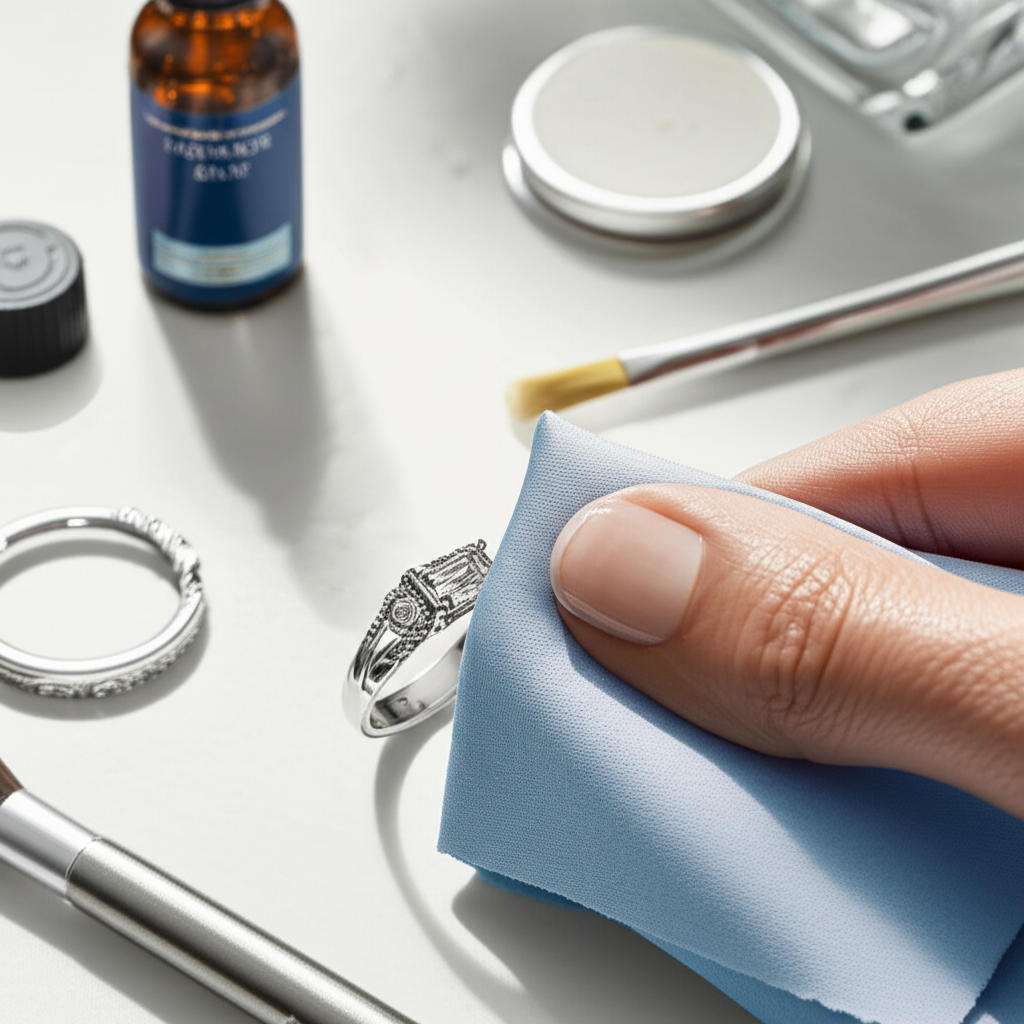
Learn how to clean 925 silver effortlessly, restoring its brilliant shine with proven, easy-to-follow methods. Discover the best techniques and tips to keep your silver jewelry and items looking their best.
Tarnished 925 silver can be a real bummer, turning your favorite necklace or serving spoon dull and unappealing. But don’t worry, bringing back that dazzling shine is simpler than you might think. I’ve spent countless hours testing different methods to find the most effective and easiest ways to clean your sterling silver. Get ready to revive your precious pieces and make them gleam like new.
Why Does 925 Silver Tarnish?
Sterling silver, marked as 925, is an alloy composed of 92.5% pure silver and 7.5% other metals, usually copper. This copper content, while making the silver stronger and more durable, reacts with sulfur compounds in the air. This chemical reaction, known as oxidation, forms a dark layer called tarnish on the surface of your silver items. Understanding this process is the first step to effectively cleaning and preventing future tarnish.
The Best Gentle Cleaning Methods for 925 Silver
When it comes to cleaning 925 silver, gentleness is key. Harsh chemicals or abrasive scrubbing can damage the delicate surface, leading to permanent scratches or dullness. I’ve found that starting with the mildest methods often yields the best results, preserving the integrity of your sterling silver while effectively removing tarnish.
Method 1: The Baking Soda and Aluminum Foil Technique

This is a classic, incredibly effective, and surprisingly gentle method for removing tarnish from 925 silver. It uses a simple chemical reaction to lift the tarnish without any harsh scrubbing. All you need are a few common household items.
What You’ll Need:
- A heat-resistant bowl (glass or ceramic)
- Aluminum foil
- Baking soda
- Boiling water
- Tongs or a spoon
- A soft cloth
Step-by-Step Guide:
- Line the heat-resistant bowl with aluminum foil, shiny side up.
- Place your tarnished 925 silver items in the bowl, ensuring they are in contact with the foil.
- Sprinkle about 2 tablespoons of baking soda over the silver pieces.
- Carefully pour boiling water into the bowl, enough to completely submerge the silver. You’ll notice a slight fizzing or bubbling as the reaction occurs.
- Let the silver soak for 5–10 minutes, or until the tarnish visibly disappears. For heavily tarnished items, you might need a bit longer.
- Using tongs or a spoon, carefully remove the silver from the hot water.
- Rinse the silver thoroughly under cool running water.
- Gently dry and polish the silver with a soft, lint-free cloth.
This method works because the aluminum foil acts as a cathode, and the baking soda creates an alkaline solution. The sulfur from the tarnish transfers from the silver to the aluminum, effectively removing the dark layer. It’s a fantastic way to achieve a brilliant shine without abrasive action.
Method 2: Mild Dish Soap and Warm Water Wash
For lightly tarnished or regularly maintained 925 silver, a simple wash with mild dish soap and warm water can work wonders. This method is excellent for removing everyday grime, fingerprints, and light surface dullness. It’s the least aggressive approach and ideal for items you wear or use frequently.
What You’ll Need:
- A bowl or sink
- Mild dish soap (avoid those with added moisturizers or degreasers)
- Warm water
- A soft cloth or sponge
- A soft polishing cloth
Step-by-Step Guide:
- Fill a bowl or your sink with warm water.
- Add a few drops of mild dish soap.
- Gently agitate the water to create a soapy solution.
- Submerge your 925 silver items in the soapy water.
- Use a soft cloth or sponge to gently wipe away any surface dirt or grime. Avoid scrubbing vigorously, especially on intricate designs or plated items.
- Rinse the silver thoroughly under cool running water to remove all soap residue.
- Dry the silver immediately and completely with a soft, lint-free cloth to prevent water spots.
This simple wash helps maintain the luster of your silver and removes contaminants that can contribute to tarnishing over time. It’s a great routine cleaning step before trying more intensive methods.
Using Commercial Silver Polishing Cloths and Pastes
When DIY methods aren’t enough, or for a quick touch-up, commercial silver cleaning products can be very effective. These products are specifically formulated to tackle tarnish on sterling silver, offering convenience and reliable results. I always recommend choosing products specifically designed for sterling silver to ensure safety.
Silver Polishing Cloths
These cloths are impregnated with a gentle cleaning agent and a polishing compound. They are incredibly easy to use and great for maintaining the shine between deeper cleanings or for quick touch-ups. Simply rub the tarnished areas gently with the cloth.
Pros:
- Extremely convenient and mess-free.
- Excellent for light tarnish and regular maintenance.
- Portable for on-the-go polishing.
Cons:
- May not be effective on heavily tarnished items.
- Can wear out over time.
- Some cloths might leave lint on intricate pieces.
For best results, use a separate soft cloth to buff the silver after using the polishing cloth. This ensures a streak-free shine.
Silver Polishing Pastes and Creams
These are more potent than cloths and are ideal for tackling moderate to heavy tarnish. They typically contain mild abrasives and cleaning agents that work to lift the tarnish effectively. Always follow the product instructions carefully.
What You’ll Need:
- Silver polishing paste or cream
- Soft cloths (one for applying, one for buffing)
- Gloves (optional, to protect your hands)
Step-by-Step Guide:
- Apply a small amount of the silver polish to a soft cloth.
- Gently rub the polish onto the tarnished areas of your 925 silver in a back-and-forth motion. Work in small sections.
- Allow the polish to sit for a minute or two as per product instructions.
- Using a clean, soft cloth, buff the silver to a high shine.
- Rinse the silver under cool water to remove all polish residue.
- Dry thoroughly with another soft, lint-free cloth.
It’s crucial to use these products sparingly and avoid excessive rubbing, as the mild abrasives can wear down the silver over time. For valuable or antique pieces, consider consulting a professional jeweler.
Toothpaste: A Last Resort for Stubborn Tarnish
While not my preferred method, toothpaste can be used as a last resort for stubborn tarnish on 925 silver. However, it’s important to use a non-gel, white toothpaste that contains no whitening agents or harsh abrasives. Many toothpastes contain micro-abrasives that can scratch silver, so caution is advised.
What You’ll Need:
- White, non-gel toothpaste
- A soft toothbrush or cloth
- Warm water
- A soft polishing cloth
Step-by-Step Guide:
- Apply a small amount of toothpaste to a soft toothbrush or cloth.
- Gently rub the toothpaste onto the tarnished areas of your silver. Use minimal pressure and avoid scrubbing.
- Let it sit for a minute.
- Rinse the silver thoroughly under warm water to remove all toothpaste.
- Dry and polish with a soft cloth.
I strongly advise testing this method on an inconspicuous area first. If you see any signs of scratching or dullness, discontinue use immediately. It’s better to avoid this method if possible for your precious 925 silver.
The Dangers of Ammonia and Harsh Chemicals
While some quick-fix online guides might suggest using ammonia or other harsh chemicals, I strongly advise against them for cleaning 925 silver. Ammonia, bleach, and other strong cleaners can react aggressively with silver, potentially causing irreversible damage. They can strip the silver’s patina, cause pitting, or even lead to a dull, grayish appearance that’s very difficult to restore.
These chemicals can also be harmful to your health and the environment. Always prioritize gentle, tested methods that are specifically safe for sterling silver. For instance, you can find excellent silver cleaning solutions at reputable jewelry stores that are formulated for safe and effective use.
Protecting Your 925 Silver from Future Tarnish
Preventing tarnish is just as important as cleaning it. By taking a few simple precautions, you can significantly slow down the tarnishing process and keep your 925 silver looking its best for longer. Consistent care makes a huge difference.
Proper Storage is Key
The best way to prevent tarnish is to limit your silver’s exposure to air and moisture. Store your 925 silver in airtight containers or bags. Anti-tarnish strips or cloths placed inside storage bags can further absorb sulfur compounds.
Storage Tips:
- Use individual airtight plastic bags or jewelry boxes.
- Consider anti-tarnish pouches or strips.
- Avoid storing silver in humid environments like bathrooms.
- Keep silver away from rubber bands, as rubber contains sulfur.
Storing your silver properly significantly reduces its contact with the air, which is the primary cause of tarnishing. This simple step can save you a lot of cleaning time in the long run.
Wear and Use Your Silver Regularly
It might sound counterintuitive, but regularly wearing or using your silver items can actually help prevent tarnish. The natural oils from your skin can act as a protective barrier against the air. Simply handling and wearing your silver pieces helps to polish them and keep them bright.
However, be mindful of chemicals that can accelerate tarnishing. Avoid wearing your silver jewelry when swimming in chlorinated pools, applying lotions or perfumes directly onto the silver, or when cleaning with harsh chemicals. These can cause rapid and sometimes permanent damage.
Special Considerations for Plated Silver and Oxidized Finishes
Not all 925 silver items are created equal. Some might have a plating of pure silver over a base metal, or they might feature an intentionally oxidized finish to create contrast and detail. These require extra care during cleaning.
Silver Plating
If your 925 silver item is plated, harsh cleaning methods or excessive polishing can wear away the plating, revealing the base metal underneath. Always use the mildest cleaning methods possible, like a gentle soap and water wash, and avoid abrasive cloths or polishes. Even the baking soda and aluminum foil method should be used with extreme caution, if at all, on plated items.
Oxidized Finishes
Many sterling silver pieces, especially jewelry, have an intentionally darkened or oxidized finish in recessed areas to highlight intricate designs. Aggressive cleaning can remove this desirable patina. If cleaning oxidized silver, focus only on the bright areas and avoid scrubbing the darkened crevices. A soft brush can help clean around these areas without removing the oxidation.
When to Seek Professional Help
While most 925 silver can be cleaned at home with simple methods, there are instances when it’s best to consult a professional jeweler. This is especially true for very valuable, antique, or intricately designed pieces where you might risk causing damage. If a piece has gemstones, enamel, or a delicate plating, a jeweler has the specialized knowledge and tools to clean it safely.
A professional can also assess any damage and recommend the best course of action for restoration. Don’t hesitate to reach out to a trusted jeweler if you’re unsure about cleaning a particular item. They can often perform a professional cleaning and polishing service that will restore your silver beautifully. You can find reputable jewelers through organizations like the Jewelers of America.
Frequently Asked Questions about Cleaning 925 Silver
What is the fastest way to clean 925 silver?
The baking soda and aluminum foil method is generally the fastest and most effective DIY way to clean tarnished 925 silver without scrubbing. It works chemically to remove tarnish quickly.
Can I use toothpaste to clean 925 silver?
While it can be used as a last resort, it’s risky. Only use white, non-gel toothpaste without abrasives or whitening agents, and test on an inconspicuous area first, as it can scratch your silver.
How often should I clean my 925 silver?
This depends on your environment and how often you wear your silver. For items worn daily, a gentle wash every few weeks might suffice. For stored items, check for tarnish periodically and clean as needed.
Will cleaning damage my 925 silver?
Gentle methods like mild soap and water or polishing cloths are safe. Harsh chemicals or abrasive scrubbing can cause damage like scratches or removal of plating. Always err on the side of caution.
How do I clean 925 silver with stones?
For silver with stones, avoid soaking or harsh chemicals. Gently wipe the silver with a soft cloth dampened with mild soapy water, and use a soft brush to clean around the stones. Ensure the silver is completely dry afterward.
Conclusion: Restoring Your 925 Silver’s Brilliance
Learning how to clean 925 silver is a rewarding skill that allows you to maintain the beauty and value of your treasured items. From the simple yet effective baking soda and aluminum foil trick to gentle soap and water washes and the convenience of commercial products, there are proven methods to restore that coveted shine. Remember to always handle your silver with care, especially if it’s plated or has an oxidized finish. Proper storage and regular gentle care are your best allies in preventing tarnish and keeping your 925 silver gleaming for years to come. Now go forth and let your silver shine!
