


Published on: September 15, 2025 | Updated on: September 15, 2025
Yes, metal detectors are generally legal to own and use in most places, but their legality is tied to where and what you detect, requiring awareness of local laws and property rights.
Finding a cool old coin, a lost piece of jewelry, or even a historical relic is the dream of every metal detectorist. But before you grab your detector and head out, a crucial question often pops up: “Are metal detectors legal?” It’s a fair question, and one that can cause a bit of confusion. Many people worry they might be breaking the law without even knowing it. This guide is here to clear the air, giving you the facts you need to detect with confidence and stay on the right side of the law. We’ll walk through everything from general legality to specific rules for different locations and types of finds.
Understanding the Legality of Metal Detecting
Metal detectors themselves are perfectly legal to buy, own, and use. They are tools, much like a shovel or a garden rake. The legality comes into play not with the detector itself, but with where you use it and what you do with your finds. This is the most fundamental aspect to grasp. Understanding this core principle will help you navigate the nuances of metal detecting laws.
The Detector is a Tool, Not a Weapon
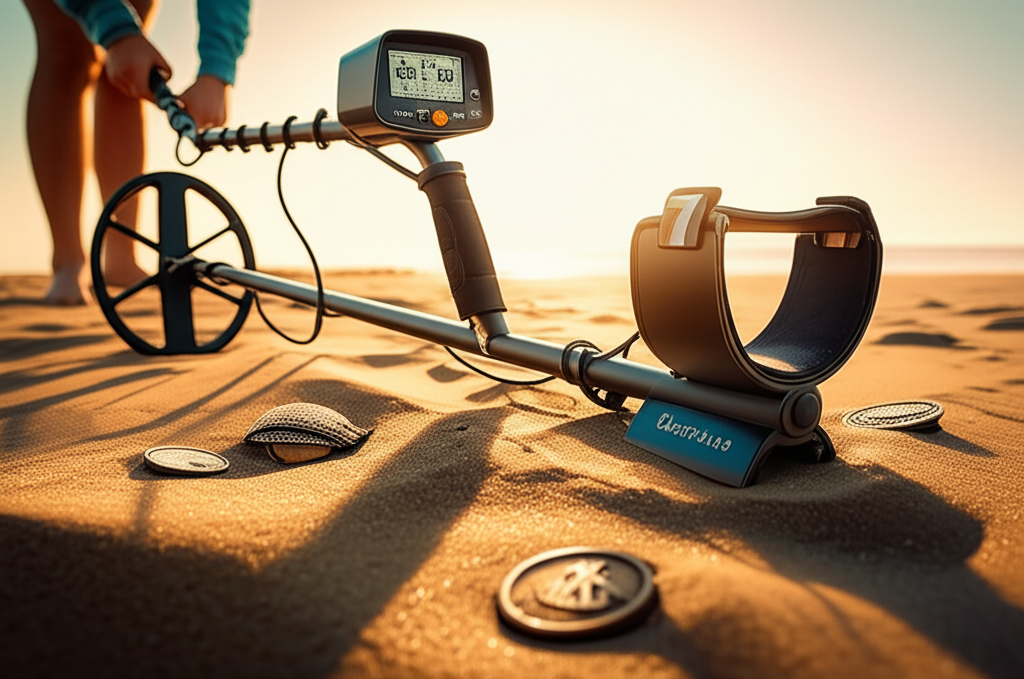
Think of your metal detector as a specialized tool for exploration. There are no federal laws in most countries that prohibit the mere possession or use of a metal detector. They are designed to help locate metallic objects buried underground. The regulations that apply are typically related to land use, historical preservation, and property ownership.
Where You Detect Matters Most
The vast majority of legal issues surrounding metal detecting stem from the location of your detecting activities. Public parks, beaches, and private property all have different rules. Ignoring these can lead to fines, confiscation of equipment, or even more serious legal trouble. Knowing these boundaries is key to responsible detecting.
Public lands can be a treasure trove for detectorists, but they come with a complex web of rules. These rules are often designed to protect natural resources and historical sites. It’s vital to research the specific regulations for any public land you plan to explore. Each park, forest, or beach might have its own set of guidelines.
Federal Lands: A Strict Approach
On federal lands in the United States, such as national parks, national forests, and Bureau of Land Management (BLM) areas, metal detecting is often restricted or prohibited, especially in areas with historical or archaeological significance. The National Park Service, for instance, generally prohibits metal detecting to preserve cultural resources. Always check the specific park’s regulations before you go.
State and Local Parks: Varies Widely
State parks and local municipal parks can have different rules. Some may allow metal detecting, while others prohibit it entirely. Often, you might need a permit to detect in these areas. It’s essential to contact the park authority or local government office responsible for managing the land. This proactive step can save you a lot of trouble.
Beaches: Generally Permissive, with Caveats
Many beaches, especially those managed by local municipalities, are generally permissive for metal detecting. This is because the sand is constantly shifting, and items lost are often modern, like jewelry or coins. However, always check local ordinances, as some beaches may have restrictions, particularly near sensitive dune areas or historical structures.
Detecting on Private Property
Detecting on private property offers great potential for finds, but it hinges entirely on one crucial element: permission. Without explicit consent from the landowner, you are trespassing, and that carries legal consequences. Building a good relationship with property owners is one of the best strategies for successful and legal detecting.
Always Get Written Permission
Never assume you have permission to detect on private land. Always seek out the landowner and ask directly. It’s highly recommended to get this permission in writing, outlining the terms of your detecting, such as what you can keep and if you need to share any significant finds. A written agreement prevents misunderstandings.
Understanding “Finds” and Ownership
When you detect on private land, the ownership of what you find can be complex. Generally, if you have permission and the item is found on the surface or in the topsoil, it belongs to the landowner. If you’ve dug a deeper hole with permission, the agreement should clarify ownership. Always discuss this beforehand.
Respecting Property and Crops
When detecting on private land, you are a guest. Treat the property with the utmost respect. Avoid damaging crops, fences, or any other part of the property. Fill in your plug holes neatly, and leave the land as you found it, or even better. This professionalism ensures you’ll be welcomed back.
Laws Regarding Historical and Archaeological Sites
This is where the legality of metal detecting becomes most critical and often most restrictive. Protecting historical artifacts and archaeological sites is paramount for preserving our past. Interfering with these sites can lead to severe penalties, including hefty fines and imprisonment. Ignorance is not a valid defense here.
The Protection of Artifacts
Many countries have specific laws protecting archaeological artifacts and historical sites. In the United States, the Archaeological Resources Protection Act (ARPA) makes it illegal to excavate or remove artifacts from federal or tribal lands without a permit. Similar laws exist in other countries, often enforced by heritage agencies.
Reporting Significant Finds
If you are legally detecting and uncover something that appears to be of historical or archaeological significance, the responsible action is to report it to the relevant authorities, such as a local museum or historical society. This ensures that the artifact can be properly documented and preserved for public benefit. You might even get recognition for your find.
Differentiating Hobby Finds from Historical Treasures
It’s important to distinguish between modern lost items (like dropped coins or jewelry) and artifacts that are part of our historical heritage. Most hobby detecting focuses on the former. If you are unsure about the nature of an item, it’s best to err on the side of caution and consult an expert or the authorities.
Treasure Trove Laws and Reporting Requirements
The concept of “treasure trove” is a legal principle that can affect what happens to significant finds. Laws vary significantly by jurisdiction. In some places, if you find something valuable that was intentionally hidden, it might belong to the Crown or the state, regardless of where it was found.
What Constitutes “Treasure Trove”?
Legally, treasure trove typically refers to gold or silver coins, or other precious metals, deliberately hidden by an owner who has since died without claiming them. The finder may have a legal obligation to report such a find to the authorities. Understanding the definition in your local area is crucial.
Reporting Obligations for Significant Finds
Many jurisdictions have specific laws requiring the reporting of valuable finds, especially those made on public land or that meet a certain monetary threshold. This often includes reporting to a coroner or a designated authority within a set timeframe. Failure to report can have legal repercussions.
International Variations in Treasure Laws
It’s worth noting that treasure trove laws differ greatly from country to country. For example, the Treasure Act 1996 in the UK has specific rules for reporting finds of potential treasure. Always research the laws applicable to the specific country or region where you plan to detect.
Metal Detecting on Beaches: What You Need to Know
Beaches are a popular spot for metal detecting due to the likelihood of finding lost jewelry and coins. The legal landscape here is often more relaxed than in other areas, but it’s not a free-for-all. Understanding the local beach regulations is still a must.
Local Ordinances for Coastal Areas
Many coastal towns and cities have specific ordinances regarding metal detecting on their beaches. These might include restrictions on the time of day you can detect, designated areas where detecting is prohibited (like near historical structures or sensitive ecosystems), or requirements for permits. Check with the local council or beach authority.
The Sand is Constantly Shifting
One reason beaches are often more permissive is that the sand is naturally disturbed by tides and weather. Items found are often recent losses. This contrasts with detecting in historical sites where findings could be of significant archaeological value.
Filling Your Holes: A Universal Rule
Regardless of where you detect, filling in your holes properly is a fundamental rule of etiquette and often a legal requirement. On beaches, this means smoothing the sand back to its original state. This shows respect for the environment and other beachgoers.
Tools of the Trade: Legal Accessories
Beyond the metal detector itself, other tools are commonly used by detectorists. These include pinpointers, digging tools, and headphones. Generally, these accessories are also legal to own and use, as they are simply aids to the detecting process.
Pinpointers: Enhancing Your Dig
Pinpointers are small, handheld detectors that help you locate a target accurately within the soil plug you’ve dug. They are perfectly legal and are considered essential for efficient and responsible detecting, as they minimize the size of the hole you need to excavate.
Digging Tools: Shovels, Trowels, and Sand Scoops
Various digging tools are used, from small trowels to larger shovels and specialized sand scoops for beach detecting. The legality of these tools is tied to where you are detecting. For instance, using a shovel might be prohibited in a manicured park where only hand trowels are permitted.
Headphones: For Privacy and Focus
Headphones allow detectorists to hear faint signals clearly without disturbing others. They are entirely legal and are a standard accessory for serious detectorists, enhancing focus and signal discrimination.
Ethical Detecting and Best Practices
Responsible metal detecting goes hand-in-hand with legality. Adhering to ethical guidelines not only keeps you out of trouble but also fosters a positive image for the hobby. This ensures that metal detecting remains a permitted and enjoyable activity for everyone.
Leave No Trace: Fill Your Holes
This cannot be stressed enough: always fill in your holes neatly and completely. This is a universal rule of ethical detecting, often mandated by law. It preserves the landscape and shows respect for the land and other users.
Respect Property and Nature
Beyond filling holes, avoid damaging any vegetation, fences, or structures. Be mindful of wildlife and natural habitats. Responsible detectorists are stewards of the environment, not vandals.
Know When to Stop and Report
If you unearth something that appears to be historically significant, or if you are detecting in an area known for archaeological finds, know when to stop and report your discovery. This is both ethical and often legally required.
Frequently Asked Questions (FAQ)
This section aims to answer some of the most common questions beginner detectorists have about the legality of their hobby.
Can I metal detect in my backyard?
Yes, you can generally metal detect in your own backyard without any issues. It’s your private property, and you’re not trespassing. However, be mindful of any underground utilities and avoid disturbing landscaping.
Is it legal to metal detect on school grounds?
It’s best to avoid metal detecting on school grounds unless you have explicit, written permission from the school administration. Many schools have policies against it to prevent damage to fields or the disturbance of students.
What happens if I get caught metal detecting illegally?
Penalties vary widely depending on the location and the severity of the violation. You could face warnings, fines, confiscation of your equipment, or even legal charges for trespassing or destruction of property.
Can I keep what I find metal detecting?
Generally, if you are detecting legally on public land (where permitted) or private land with permission, you can keep modern finds like coins and jewelry. However, historical artifacts or items considered treasure trove may have different ownership rules and reporting requirements. Always check local laws and landowner agreements.
Are there specific laws about detecting for gold?
Yes, gold prospecting and detecting often fall under specific mining laws and regulations, especially on public lands. These laws can be complex and vary by state or region. It’s crucial to research these regulations before prospecting for gold.
Do I need a license to metal detect?
In most places, you do not need a license simply to own or use a metal detector for recreational purposes. However, permits may be required for detecting in certain parks, historical sites, or for commercial prospecting.
Conclusion: Detect Responsibly and Legally
Ultimately, the question of “are metal detectors legal?” is best answered with a resounding yes, with the crucial caveat that legality depends entirely on how and where you use them. Metal detectors are fantastic tools for exploration, hobby, and even finding lost valuables. By understanding and respecting property rights, adhering to local and federal regulations, and practicing ethical detecting, you can ensure your adventures are both rewarding and lawful. Always do your research before heading out, get permission when necessary, and leave sites as you found them. Happy and legal detecting!
