


Published on: September 15, 2025 | Updated on: September 15, 2025
Are Metal Detectors Worth The Money? Essential Finds!
Yes, metal detectors are absolutely worth the money for hobbyists and treasure hunters seeking unique finds, valuable relics, and a rewarding outdoor experience, provided you choose the right equipment and manage your expectations.
Stepping out into a field or beach with a metal detector can feel like embarking on a treasure hunt, but it’s easy to wonder if the investment in the equipment is truly justified. Many folks look at the price tags and question whether they’ll ever find anything substantial enough to make it worthwhile. It’s a common concern, and I’ve seen many beginners hesitate for this very reason. Let me assure you, with the right approach and a bit of patience, a metal detector can unlock a world of exciting discoveries and provide immense satisfaction. This guide will break down exactly why they are worth it and what you can expect to find.
The Real Value: Beyond Just Metal
The true worth of a metal detector extends far beyond the monetary value of any single find. It’s about the thrill of discovery, the connection to history, and the sheer enjoyment of spending time outdoors. These machines are gateways to uncovering forgotten stories buried beneath your feet, offering a unique blend of exercise, education, and adventure. When you consider the lifelong memories and potential for unique finds, the cost often becomes secondary.
Understanding Metal Detector Technology: What You’re Paying For
Modern metal detectors are sophisticated pieces of technology designed to pinpoint metallic objects underground. They work by generating an electromagnetic field from a coil and detecting disturbances in that field caused by metal. The price of a detector often reflects its sensitivity, discrimination capabilities (ability to ignore junk like iron), target ID accuracy, waterproof features, and ergonomic design. Higher-end models offer advanced features that can significantly improve your chances of finding desirable targets and reduce frustration with unwanted trash.
Key Components Explained

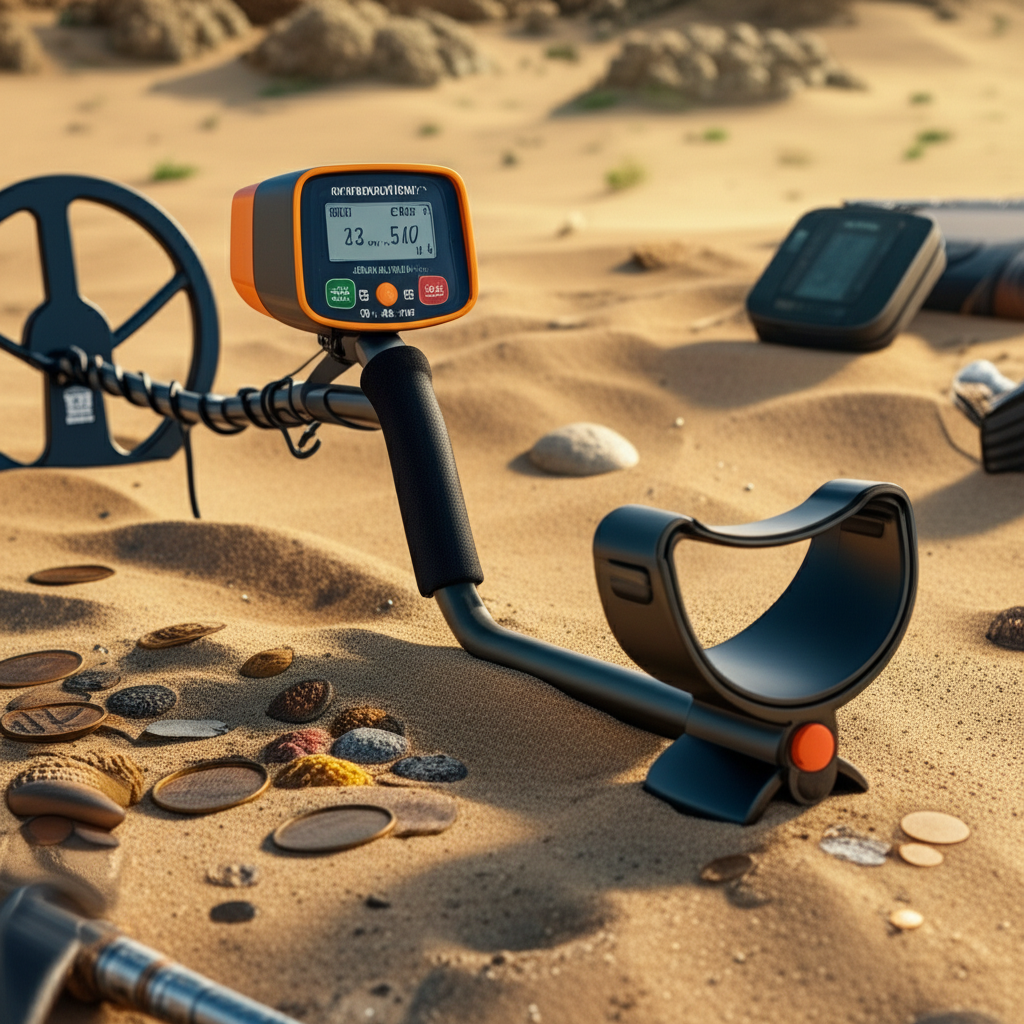
Search Coil: This is the part that sweeps over the ground. Different coil sizes and shapes are better suited for different conditions, like large coils for covering more ground or smaller, concentric coils for precise pinpointing in trashy areas.
Control Box: This houses the electronics, including the processing unit, battery, and user interface. It determines the detector’s sensitivity, discrimination settings, and audio output.
Shaft and Handle: These provide the structure to hold and maneuver the detector. Adjustable shafts and comfortable grips are crucial for long detecting sessions.
Choosing a detector that balances features with your budget is key to maximizing its value. A detector that’s too basic might leave you frustrated, while an overly complex one might be daunting for a beginner.
Essential Finds: What Can You Really Uncover?
The range of items you can find with a metal detector is surprisingly diverse and depends heavily on your location and the detector’s capabilities. From everyday lost items to historical artifacts, the possibilities are exciting.
Everyday Lost Treasures
Many detectorists start by searching local parks, beaches, and schoolyards. These are prime locations for finding recently lost items like:
Jewelry: Rings, necklaces, earrings, and bracelets are frequently dropped and can be significant finds.
Coins: Modern currency is commonly found, and older coins can have numismatic value beyond their face value.
Keys and Tools: While not valuable, finding lost keys can be a genuine service to someone.
These everyday finds, while not always financially rewarding, offer immediate gratification and build confidence. They also provide valuable practice for identifying different target signals.
Historical Relics and Artifacts
For those interested in history, relic hunting can be incredibly rewarding. Old homesteads, battlefields (where permitted), ghost towns, and old fairgrounds are rich hunting grounds for:
Civil War relics: Buttons, bullets, belt buckles, and insignia.
Colonial era artifacts: Musket balls, pottery shards, and personal items.
Old farm equipment fragments: Tools, horse tack, and machinery parts.
Researching local history is crucial for identifying promising locations for relic hunting. Always ensure you have permission to detect on private property and are aware of any laws regarding the recovery of historical artifacts.
Gold Prospecting: The Ultimate Prize
For some, the allure of gold is the primary driver. While finding large gold nuggets is rare, dedicated gold prospectors use specialized detectors to find smaller flakes and nuggets in areas known for gold deposits. This requires specific equipment and knowledge of prospecting techniques.
Are Metal Detectors Worth The Money for Beginners?
For someone just starting out, the question “are metal detectors worth the money?” often revolves around affordability and ease of use. The good news is that there are excellent entry-level detectors that won’t break the bank. These machines are designed to be user-friendly, often with pre-set modes for different environments (like parks or beaches).
Entry-Level Detector Benefits
Affordability: You can find capable beginner detectors for under $300.
Simplicity: Less complex controls mean a quicker learning curve.
Motivation: Finding even small items like modern coins or pull tabs can be incredibly encouraging.
While they might not have all the advanced features of high-end models, these detectors are more than capable of introducing you to the hobby and helping you make your first exciting finds. The experience gained with an entry-level machine is invaluable.
The ROI: Return on Investment in Metal Detecting
The return on investment (ROI) for a metal detector isn’t always measured in dollars and cents. For many, the ROI comes in the form of:
Enjoyment and Recreation: The pleasure of being outdoors, exercising, and engaging in a stimulating hobby.
Historical Connection: Uncovering tangible pieces of the past and learning about local history.
Unexpected Finds: Occasionally unearthing items of significant monetary or historical value.
Community: Joining clubs and sharing experiences with fellow detectorists.
While you might find valuable items, it’s important to set realistic expectations. Most finds will be modern coins, pull tabs, and other common debris. However, the potential for a truly significant find is what keeps many detectorists hooked.
Beyond the Detector: Essential Accessories
To truly maximize your metal detecting experience and make your detector worth the money, you’ll need a few key accessories. These tools make the process more efficient and enjoyable.
Must-Have Accessories
Pinpointer: This small, handheld device is crucial for quickly locating a target once you’ve dug a plug. It significantly reduces digging time and the risk of damaging finds.
Digging Tools: A sturdy digging trowel or spade is essential. For tougher ground, a digging knife or a more robust digging tool might be necessary.
Pouch or Bag: To collect your finds and, importantly, your trash. Responsible detecting includes packing out everything you dig.
Headphones: These help you hear faint target signals and also prevent disturbing others nearby.
Investing in quality accessories can make a huge difference in your success rate and overall enjoyment. A good pinpointer, in particular, is a game-changer.
Where to Detect: Finding Promising Locations
The location you choose to detect can be the single biggest factor in your success. Research is key to finding sites that are likely to yield interesting finds.
Prime Detecting Spots
Public Parks and Beaches: Especially older ones, these are great for lost jewelry and coins. Always check local ordinances regarding metal detecting.
Old Schoolyards: Children lose coins and trinkets regularly.
Areas around old homes or foundations: With permission, these can yield relics from past residents.
Fairgrounds and Event Sites: Past and present, these areas see a lot of dropped items.
Riverbanks and Creek Beds: Items can be washed downstream and deposited over time.
Always remember to seek permission before detecting on private property. Respecting landowners and local laws is paramount to the hobby’s sustainability.
Legalities and Ethics: Responsible Detecting
Understanding and adhering to the laws and ethical guidelines is crucial for metal detecting. This ensures the hobby remains enjoyable and accessible for everyone.
Key Considerations
Permission: Always obtain explicit permission from landowners before detecting on private property.
Public Land Regulations: Many public parks, historical sites, and government lands have specific rules or outright bans on metal detecting and artifact recovery. Research these thoroughly.
Leave No Trace: Fill in all holes you dig, pack out all trash, and leave the area as you found it.
Respect Historical Sites: Avoid disturbing known archaeological sites. If you find something of potential historical significance, report it to the relevant authorities rather than removing it.
Being a responsible detectorist is not just about following rules; it’s about being a good steward of the land and its history. This ethical approach is vital for the long-term health of the hobby.
When Are Metal Detectors NOT Worth The Money?
While I firmly believe most people will find value in metal detecting, there are situations where it might not be the best investment.
Potential Downsides to Consider
Unrealistic Expectations: If you expect to find pirate treasure chests every outing, you’ll likely be disappointed.
Lack of Patience: Metal detecting requires patience and persistence. If you get easily discouraged, it might not be for you.
Time Commitment: To be successful, you need to dedicate time to researching, detecting, and learning your machine.
* Abundant Trash: In highly trafficked or historically dense areas, you might dig a lot of junk before finding anything good.
If these factors sound like they would be significant deterrents for you, then perhaps a metal detector isn’t the right purchase. However, for most, the rewards far outweigh these challenges.
Frequently Asked Questions
Q1: How much does a good beginner metal detector cost?
A good beginner metal detector can range from $200 to $500. These models offer essential features without being overly complicated, making them ideal for learning the ropes.
Q2: Can I make money metal detecting?
While it’s possible to find items of monetary value, it’s rare to make a consistent income. Most detectorists do it as a hobby for enjoyment and the thrill of discovery, not as a primary source of revenue.
Q3: What is the most common thing people find with a metal detector?
The most common finds are typically modern coins, pull tabs from beverage cans, and small pieces of aluminum foil or iron.
Q4: Do I need a license to use a metal detector?
In most places, you do not need a license for recreational metal detecting on public land, but specific rules and regulations apply to different parks and areas. Always check local laws and ordinances.
Q5: How deep can a metal detector find things?
The depth a detector can find objects varies greatly depending on the detector’s power, the coil size, the target’s size and composition, and ground mineralization. Entry-level detectors might find coins up to 6-8 inches deep, while advanced models can detect larger targets much deeper.
Q6: Is it okay to metal detect on the beach?
Yes, metal detecting on the beach is very popular and can yield great finds like lost jewelry and coins. Many detectors are waterproof or water-resistant, making them ideal for this environment. Always check if beach detecting is permitted by local authorities.
Conclusion: The Verdict on Worth
So, are metal detectors worth the money? From my years in the field, I can confidently say they are. The initial investment is often recouped not just by the occasional valuable find, but by the unparalleled joy of uncovering history, the satisfaction of a successful hunt, and the healthy enjoyment of the outdoors. They offer a unique blend of exercise, education, and adventure that is hard to match. Whether you’re drawn to the glint of an old coin, the whisper of a forgotten relic, or simply the thrill of the unknown beneath your feet, a metal detector is a gateway to countless discoveries. Choose wisely, be patient, and prepare for an incredibly rewarding journey.
