


Published on: September 15, 2025 | Updated on: September 15, 2025
Yes, musket balls can be worth something, ranging from a few dollars to hundreds, depending on their condition, historical significance, and rarity. Finding them offers a tangible connection to the past, making them valuable relics for collectors and detectorists alike.
Imagine this: you’re out swinging your metal detector, the familiar hum in your ears, and suddenly you get a solid signal. Digging down, you unearth a small, leaden sphere. Is it just a piece of scrap, or something more? For many detectorists, the discovery of a musket ball sparks a thrilling question: are musket balls worth anything? It’s a common find in many historical areas, and understanding their value can turn a simple relic hunt into a potentially rewarding endeavor. This guide will reveal the essential value of these historical projectiles, helping you identify, assess, and appreciate your finds.
What Exactly is a Musket Ball?
A musket ball is a solid projectile, typically made of lead, fired from a musket, a smoothbore long gun used from the 16th to the 19th centuries. These were the primary firearms for infantry during periods of significant historical conflict, including the American Revolutionary War, the Civil War, and numerous European campaigns. They weren’t perfectly spherical; manufacturing methods often resulted in slightly irregular shapes.
The Historical Significance of Musket Balls
The true value of a musket ball often lies not in its monetary worth, but in its connection to history. Each ball represents a moment in time, a soldier’s armament, and potentially a forgotten battlefield. They are tangible pieces of significant events that shaped nations and changed the course of human history.
Factors Influencing Musket Ball Value
Several key factors determine if a musket ball is worth anything beyond its historical curiosity. Condition is paramount; a well-preserved ball will fetch more than a heavily corroded or deformed one. The provenance, or origin, also plays a huge role.
Condition and Preservation

The state of a musket ball significantly impacts its value. Lead is a relatively soft metal and can degrade over time, especially in certain soil conditions. A musket ball that is still largely spherical, with minimal pitting or deformation, is far more desirable to collectors.
Rarity and Origin
While common during their active use, specific types or origins of musket balls can be rare. For instance, a musket ball found on a lesser-known historical site might be more valuable than one from a well-trodden battlefield. Documented finds from specific historical events or battles can command higher prices.
Type of Musket and Caliber
Different muskets fired balls of varying calibers. Identifying the type of musket a ball came from can increase its historical interest and value. Larger caliber balls or those from rarer firearm models are often more sought after.
Markings and Manufacturing Imperfections
Occasionally, musket balls might bear faint markings from their molds or manufacturing process. These imperfections, while often overlooked, can provide clues to their origin and production method, adding to their historical intrigue and potential value.
Are All Musket Balls Valuable?
The honest answer is no, not all musket balls are highly valuable in a monetary sense. Many are common finds, especially in areas with a history of military activity. However, their value to a detectorist or historian is often more than just monetary; it’s about the story they tell.
How to Identify a Musket Ball
Identifying a musket ball is usually straightforward for an experienced detectorist. They are typically leaden, roughly spherical, and often found in areas associated with historical settlements or conflict. Their weight and density are also distinctive characteristics.
Visual Inspection
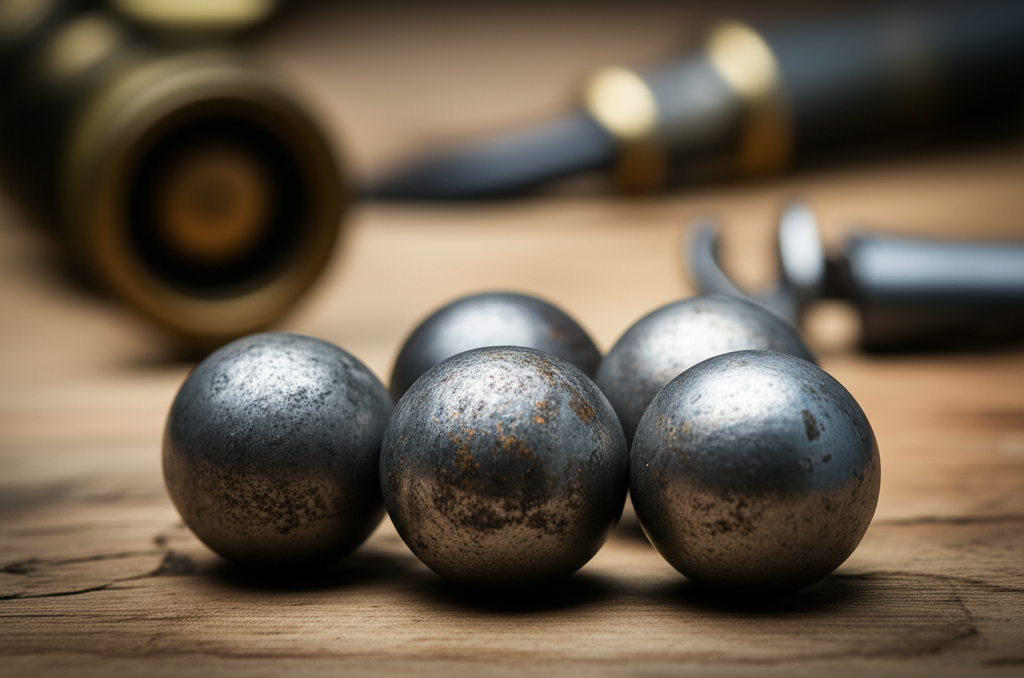
Look for a dull, gray, leaden appearance. They are usually about the size of a large marble or a bit larger, though calibers varied. You might notice slight flattening or imperfections from the casting process.
Weight and Density
Lead is a dense metal, so musket balls feel surprisingly heavy for their size. This characteristic helps distinguish them from lighter, more modern debris that might trigger a metal detector.
Context of the Find
The location where you find a suspected musket ball is crucial. Historical battlefields, old homestead sites, trading posts, and colonial-era locations are prime spots. Understanding the historical context of your detecting site greatly aids in identification.
The Monetary Value of Musket Balls: A Realistic Look
When it comes to cold, hard cash, the value of common musket balls typically ranges from $5 to $20. However, exceptionally rare examples, those with clear provenance to a significant historical event, or those in pristine condition can fetch much higher prices, sometimes even hundreds of dollars.
Common Finds
Most musket balls unearthed by hobbyist detectorists fall into the common category. These are still fantastic finds, offering a direct link to the past, but their market value is generally modest. They are prized by the finder for their historical significance.
Rare and Exceptional Examples
The true gems are musket balls that can be definitively linked to specific, famous battles or found in association with other rare artifacts. Balls from particularly rare calibers or those bearing unique maker’s marks can also command premium prices from specialized collectors.
Where to Sell Musket Balls
If you’re considering selling, specialized antique dealers, historical artifact auction sites, and collector forums are good places to start. Be prepared to provide as much information as possible about the find’s provenance.
What About Other Lead Projectiles?
Metal detecting often unearths more than just musket balls. You might also find buckshot, grapeshot, pistol balls, or rifle balls. Each has its own historical context and potential value, often similar to musket balls but sometimes differing based on rarity.
Buckshot and Grapeshot
Buckshot refers to small lead pellets, often found in clusters, used in shotguns. Grapeshot was a type of anti-personnel ammunition consisting of a bag of small iron or lead balls fired from cannons. These are generally less valuable individually but historically interesting.
Pistol Balls vs. Musket Balls
Pistol balls are smaller in diameter than musket balls, reflecting the different firearms they were designed for. While still historical, they are often considered less significant than musket balls unless they come from a particularly rare pistol or historical context.
Rifle Balls
Rifled barrels, which spun projectiles for greater accuracy, became more common in the 19th century. Rifle balls, often more elongated or having specific aerodynamic designs (like the Minié ball), can be more valuable if they are from rare early rifles or significant events.
Essential Tools for Unearthing Musket Balls
Finding musket balls requires more than just a metal detector. Having the right digging tools and recovery aids is crucial for safely extracting these fragile relics without damaging them.
Metal Detectors and Coils
A good all-around metal detector with a decent depth capability is essential. Using a smaller coil can sometimes help pinpoint shallow targets more accurately and discriminate against larger junk targets.
Digging Tools
A sturdy digging trowel or shovel is a must. For delicate finds, a smaller hand spade or even a specialized relic digging tool can be invaluable. Always dig carefully around a target.
Pinpointers
A pinpointer is absolutely critical for locating a target once you’ve dug a plug. These small, handheld devices help you zero in on the exact spot of the musket ball within the excavated soil, minimizing disturbance and making recovery much easier.
Recovery and Cleaning Aids
Once unearthed, gently remove excess dirt. Avoid harsh scrubbing. A soft brush and distilled water are usually the best starting point for cleaning.
Ethical Metal Detecting and Legal Considerations
Before you even consider the value of a musket ball, understanding ethical detecting practices and local laws is paramount. Many historical sites are protected, and digging may be illegal or require permits. Always obtain permission before detecting on private land.
Respecting Historical Sites
Never detect on protected historical sites, battlefields, or archaeological zones unless you have explicit permission and are part of a sanctioned dig. These sites are invaluable resources for understanding our past.
Local Laws and Regulations
Laws regarding metal detecting and artifact recovery vary significantly by location. Research your local and state laws thoroughly. Ignorance is rarely an excuse for illegal artifact recovery.
Obtaining Permission
Always get landowner permission before detecting on private property. This simple step avoids legal trouble and builds good relationships with landowners, often leading to more detecting opportunities.
FAQ: Your Musket Ball Questions Answered
Here are some common questions detectorists have about musket balls and their value.
Q1: How deep can musket balls be found?
Musket balls can be found at various depths, from just a few inches below the surface to over a foot deep, depending on soil conditions, the type of musket, and how long they have been in the ground.
Q2: What is the best way to clean a musket ball?
The safest method is to gently rinse it with distilled water and use a soft brush to remove loose dirt. Avoid abrasive cleaners or harsh scrubbing, as this can damage the lead and reduce its value.
Q3: Can I sell musket balls I find?
In most cases, yes, you can sell legally recovered musket balls. However, ensure you are adhering to all local laws and regulations regarding artifact ownership and sale. If found on private property, the landowner may have rights to the artifact.
Q4: Are musket balls considered relics?
Absolutely. Musket balls are considered historical relics because they are artifacts from past human activity and often associated with significant historical events or periods.
Q5: What makes one musket ball more valuable than another?
Rarity, condition, documented provenance (origin and history), and association with significant historical events or figures are the primary factors that increase a musket ball’s value.
Q6: Should I report my musket ball find?
If you find a musket ball on a potentially significant historical site, or if it’s associated with a major event, reporting it to local historical societies or archaeological groups can be a responsible action. They can help document its find context and historical importance.
Conclusion: More Than Just Lead
So, are musket balls worth anything? Yes, they certainly can be, both monetarily and historically. While common finds might only fetch a few dollars, their true value often lies in the tangible connection they provide to our past. Each musket ball is a tiny piece of history waiting to be uncovered, a silent witness to events that shaped the world we live in today. Understanding their potential value, how to identify them, and the ethical considerations involved will undoubtedly enhance your metal detecting adventures. Happy hunting, and may your next signal lead you to a remarkable piece of history!
