


Published on: September 15, 2025 | Updated on: September 15, 2025
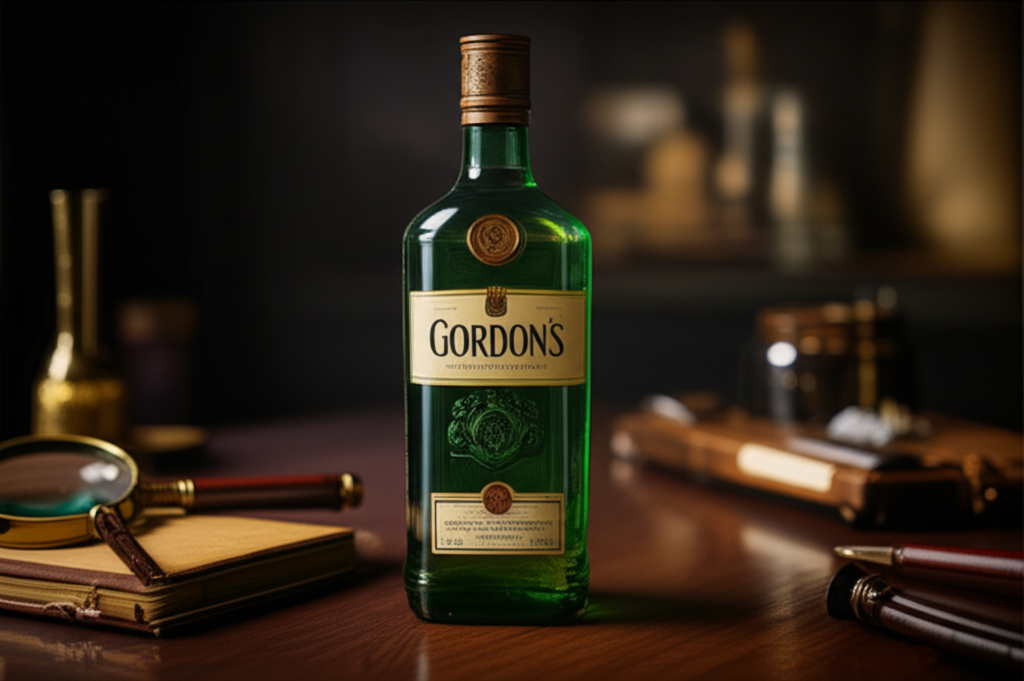
Old Gordon’s Gin bottles can hold surprising value for collectors, especially rare early examples or those with unique markings. Researching specific types, conditions, and historical context is key to understanding their essential value.
When you’re out metal detecting, especially in areas known for historical settlements or old homesteads, you often unearth more than just coins and relics. Sometimes, you stumble upon old glass bottles, and a common find for many is a Gordon’s Gin bottle. This immediately sparks a question that many detectorists and collectors ponder: are old Gordon’s Gin bottles worth anything? It’s a question that can lead down a fascinating rabbit hole of history, collecting, and potential profit. Many enthusiasts find these bottles and wonder if they’ve struck gold, or if it’s just another piece of history to be cleaned and displayed. Don’t worry, this guide will walk you through everything you need to know to assess the value of your old Gordon’s Gin bottles, from identifying key features to understanding the market.
Unearthing the Past: Why Gordon’s Gin Bottles Capture Interest
Gordon’s Gin has a long and storied history, dating back to 1769 when it was founded by Alexander Gordon. This extensive heritage means that bottles produced over centuries are scattered across the globe, often buried in old dumpsites, wells, or forgotten corners of properties. For detectorists, finding an old bottle is a tangible link to the past, a story waiting to be uncovered. The distinctive shape and branding of Gordon’s Gin bottles make them recognizable, and this familiarity fuels the curiosity about their potential value. It’s this connection to history and the possibility of a valuable find that makes digging up an old Gordon’s Gin bottle an exciting moment.
Key Factors Determining the Value of Old Gordon’s Gin Bottles
The essential value of an old Gordon’s Gin bottle isn’t just about its age; it’s a combination of several critical factors that collectors scrutinize. Understanding these elements will help you accurately assess whether your find is a common discard or a true treasure. Think of it like assessing a rare coin or an antique tool – condition, rarity, and provenance all play a significant role.
Rarity and Age

The older the bottle, the rarer it generally is, and rarity is a prime driver of value in the collecting world. Early Gordon’s Gin bottles, particularly those from the 19th century or very early 20th century, are far more sought after than more modern examples. Look for changes in glass manufacturing techniques, bottle shapes, and labeling that can indicate an earlier production period.
Condition is King: Cracks, Chips, and Wear
This is arguably the most crucial factor. A pristine bottle, free from cracks, significant chips, or heavy damage, will always command a higher price. Even minor imperfections can drastically reduce value. Collectors prefer bottles that look as close to their original state as possible, without extensive wear or damage from being buried for decades.
Embossing and Markings
The presence and clarity of embossed lettering or logos on the bottle are vital. Gordon’s Gin bottles often feature embossed branding, and the quality and legibility of this embossing can significantly impact value. Clear, deep embossing is much more desirable than faint or worn-away lettering. Look for pontil marks (a scar where the glass was broken from the blowing iron) on the base, which can indicate hand-blown glass and an earlier age.
Color and Glass Type
While most Gordon’s Gin bottles are clear glass, variations in color can occur, especially in older examples. Unusual colors, such as amber, green, or even a light blue hue, can increase rarity and desirability, depending on the specific period. The type of glass and its imperfections, like the presence of “bubbles” or “seams” from the molding process, can also hint at its age and manufacturing method.
Specific Bottle Shapes and Sizes
Gordon’s Gin has been bottled in various shapes and sizes over the years. Some specific shapes or sizes might be rarer or more collectible than others. For instance, very early decanter-style bottles or unusually small or large sizes could be more valuable than the standard round bottles.
Researching Your Gordon’s Gin Bottle: The Detective Work
Once you’ve unearthed a Gordon’s Gin bottle, the real detective work begins. Simply knowing it’s old isn’t enough; you need to pinpoint its specific characteristics and historical context to understand its essential value. This research phase is where you’ll learn if your find is common or a collector’s dream.
Identifying Production Periods Through Markings
Bottle bases often contain manufacturer’s marks, mold numbers, or dates. These can be incredibly helpful in dating the bottle. You might find symbols or codes that correspond to specific glassworks or production years. Websites dedicated to bottle collecting and historical glass manufacturers can be invaluable resources for deciphering these marks.
The Role of Labels and Paperwork
If your bottle still has its original paper label intact, this can significantly boost its value. The condition, design, and rarity of the label are all important. Some labels might feature historical imagery or text that is no longer in use, making them particularly desirable to collectors. Even fragments of labels can provide clues.
Historical Context and Provenance
Where did you find the bottle? Was it in an old landfill, a historic home’s privy, or a shipwreck? The provenance, or history of ownership and discovery, can add to a bottle’s allure and value. If you can tie your bottle to a specific historical event or a notable location, it becomes more than just a bottle; it becomes a piece of history.
Where to Find Information and Value Estimates
Accurate valuation requires consulting reliable sources and understanding the current market for antique bottles. Don’t rely on a single opinion; gather information from multiple reputable places. This multi-pronged approach will give you the most realistic picture of are old Gordon’s Gin bottles worth anything in today’s market.
Online Bottle Collecting Communities and Forums
Websites like the Antique Bottle Collecting forum or dedicated Facebook groups are fantastic places to connect with experienced collectors. You can post pictures of your bottle and ask for opinions on its age, rarity, and potential value. These communities are often passionate and knowledgeable.
Auction Sites and Completed Sales
eBay is a primary platform for buying and selling antique bottles. Look for completed sales of similar Gordon’s Gin bottles. This will give you a realistic idea of what people are actually paying, not just what sellers are asking. Pay attention to the condition and details of the bottles that sold successfully.
Antique Bottle Dealers and Appraisers
For potentially high-value items, consulting with a reputable antique bottle dealer or appraiser can provide a professional valuation. They have the expertise to identify rare variations and understand the nuances of the collectibles market. Be sure to choose someone with experience in glass collectibles.
Reference Books on Bottle Collecting
There are numerous books dedicated to antique bottles, including those focusing on spirits and liquors. These can provide detailed information on specific brands, manufacturing techniques, and historical price guides, though price guides are often a starting point rather than definitive figures.
Common Gordon’s Gin Bottle Types and Their Potential Value
While every bottle is unique, some common types of Gordon’s Gin bottles appear more frequently and can give you a baseline for understanding value. Knowing what to look for can save you a lot of time and effort in your research.
Early 20th Century Standard Bottles
These are often clear glass, machine-made, and may have embossed branding. They are generally more common and their value is moderate, largely dependent on condition. A mint condition bottle might fetch anywhere from $10 to $50, while damaged ones might be worth only a few dollars as display pieces.
Pre-Prohibition or Early Embossed Bottles
Bottles from before the Prohibition era (1920-1933 in the US) or those with very distinct, early embossing are more desirable. These can sometimes be hand-blown, exhibiting pontil marks. Their value can range from $50 to $200 or more, again, heavily influenced by condition and specific design.
Figural or Unique Shape Bottles
Gordon’s Gin has, on occasion, released bottles in unique shapes, such as decanters or novelty designs. These are often much rarer and can command significantly higher prices, potentially several hundred dollars, especially if they are in excellent condition and complete with stoppers.
Bottles with Original Labels
A Gordon’s Gin bottle with a nearly perfect, original paper label can be worth substantially more than an unlabelled one. A rare label in excellent condition can add $50 to $100 or more to the bottle’s value, sometimes even doubling it.
What Can Significantly Decrease a Bottle’s Value?
Conversely, several factors can quickly diminish the worth of an old Gordon’s Gin bottle, turning a potentially valuable find into a common piece of glass. It’s just as important to know what to avoid as it is to know what to look for.
Cracks and Leaks
Any crack that compromises the integrity of the bottle, especially if it creates a leak, will drastically reduce its value. Collectors are looking for display pieces that are sealed and stable. A hairline crack might reduce value by 75%, while a significant crack could make it virtually worthless to serious collectors.
Heavy Wear and Scratches
Extensive scratches, abrasions, or dullness from being buried and moved around can detract from the bottle’s appearance and value. While some wear is expected, heavy damage is a major detractor.
Modern Reproductions
Be wary of modern reproductions that are made to look old. These are often very convincing but hold no antique value. Researching the glass manufacturing techniques and looking for signs of modern tooling can help identify fakes.
Incomplete Bottles
If the bottle is missing its original stopper, cap, or any other associated components that were part of its original design, its value will be lower. Completeness is a significant factor for many collectors.
The Role of Metal Detecting in Finding Valuable Bottles
As a metal detectorist, you’re uniquely positioned to find these historical glass treasures. Understanding how your detecting hobby intersects with bottle collecting can enhance your finds and appreciation. We often find them while searching for coins or relics, and they add a different dimension to our hobby.
Identifying Bottle Dump Sites and Privies
Old bottle dumps, privies (outhouses), and areas around old homes are prime locations for finding intact glass bottles. These are often where detectorists find the most interesting items. Learning to identify these historical features on the landscape is a key skill.
Proper Excavation Techniques
When your detector signals on what might be glass, careful excavation is crucial. Using a small trowel or a specialized digging tool can help you unearth the bottle without damaging it. Patience is key; you don’t want to crack it with your shovel.
Cleaning and Preservation of Glass Finds
Once unearthed, old bottles need careful cleaning. Avoid harsh chemicals or abrasive materials that can scratch the glass. A gentle soak in warm water with a mild detergent is usually best. For stubborn residues, specialized bottle cleaning solutions can be used. Always research the best cleaning methods for antique glass.
Are Old Gordon’s Gin Bottles Worth Anything: A Summary Table
To quickly summarize the key value drivers, consider this table. It highlights the factors that make an old Gordon’s Gin bottle more or less desirable to collectors.
| Factor | High Value Indicators | Low Value Indicators |
| :————– | :——————————————————- | :—————————————————— |
| Age | 19th Century, Pre-Prohibition | Mid to late 20th Century |
| Condition | Pristine, no chips, cracks, or significant scratches | Cracked, chipped, heavily scratched, or worn |
| Embossing | Clear, deep, and well-defined | Faint, worn, or absent |
| Label | Original, intact, and in excellent condition | Missing, torn, faded, or modern reproduction |
| Color/Type | Rare colors (amber, green), hand-blown glass | Common clear glass, machine-made |
| Shape/Size | Unique figural or decanter shapes, rare sizes | Standard round bottles |
| Completeness| With original stopper/cap if applicable | Missing original components |
Frequently Asked Questions (FAQ)
Here are some common questions detectorists and collectors ask about the value of old Gordon’s Gin bottles.
How can I tell if my Gordon’s Gin bottle is really old?
Look for signs of hand-blown glass (pontil marks on the base), inconsistent glass thickness, bubbles within the glass, and very early styles of embossing or labeling. Machine-made bottles from the mid-20th century onwards will have more uniform glass and consistent seams.
Are all old Gordon’s Gin bottles valuable?
No, not all old Gordon’s Gin bottles are valuable. Many were mass-produced and discarded, making them common. Rarity, condition, and specific historical features are what drive significant value.
What is the most valuable type of Gordon’s Gin bottle?
Generally, the most valuable bottles are those from the late 19th or very early 20th century, especially if they are in perfect condition, feature unique embossed designs, or come with rare, intact labels. Figural or novelty bottles from these early periods can also be highly prized.
How should I clean an old Gordon’s Gin bottle I found?
Start with a gentle soak in warm water. If residue remains, use a soft brush or a mild detergent. Avoid abrasive cleaners or scrubbing pads, as these can scratch the glass. For stubborn interior stains, specialized bottle cleaning solutions can be effective, but always test them first.
Where can I sell my old Gordon’s Gin bottle?
You can try online auction sites like eBay, specialist antique bottle forums, or contact local antique dealers. For very rare or valuable bottles, consider consigning with an auction house that specializes in collectibles.
Can the color of a Gordon’s Gin bottle affect its value?
Yes, while most Gordon’s Gin bottles are clear, rare variations in color, such as amber, green, or a very pale blue, can significantly increase a bottle’s value due to their rarity.
Conclusion: Your Gordon’s Gin Bottle – Treasure or Trinket?
So, are old Gordon’s Gin bottles worth anything? The answer is a resounding “sometimes!” While many dug Gordon’s Gin bottles are common finds with little monetary value beyond display, a select few can be quite valuable. The key lies in diligent research, careful assessment of condition, and understanding rarity. As a detectorist, you have the unique advantage of unearthing these pieces of history directly from the ground. By learning to identify the tell-tale signs of age, rarity, and quality, you can better determine if your Gordon’s Gin bottle is a common discard or a genuine collectible treasure. Keep researching, keep digging carefully, and you might just find that your next bottle hunt yields more than just a good story.
