


Published on: September 30, 2025 | Updated on: September 30, 2025
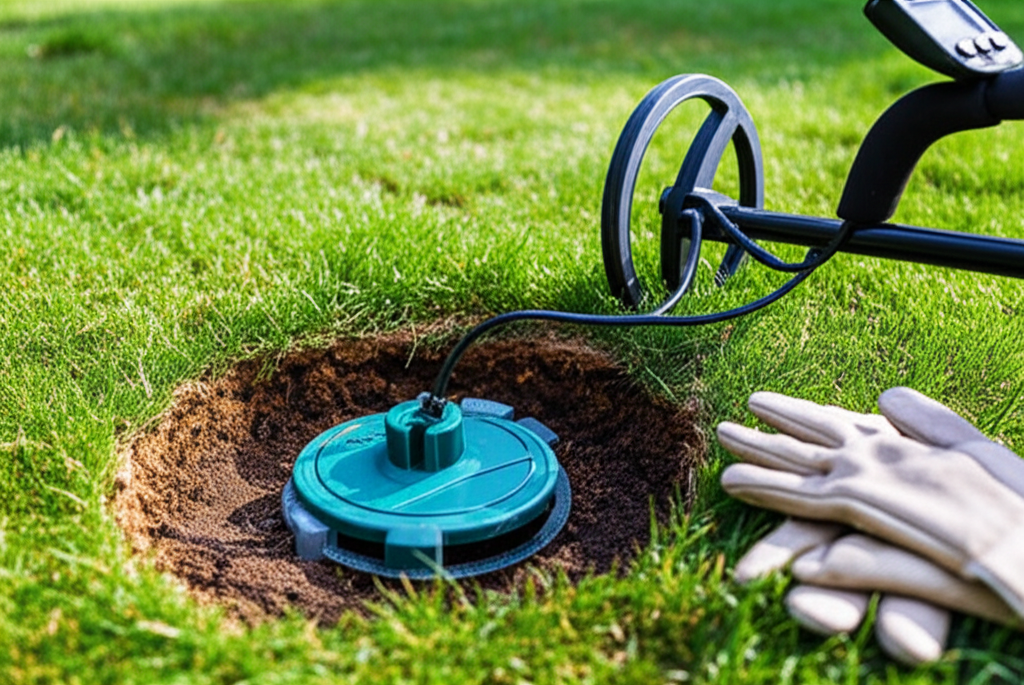
Yes, you can absolutely use a metal detector to find sprinkler valves. These hidden components are typically made of metal, making them detectable with the right equipment and a bit of know-how. This guide will walk you through the process, ensuring you can locate those elusive valves quickly and efficiently.
The frustration of a hidden sprinkler valve is a common woe for homeowners and landscapers alike. Whether you’re planning an excavation, need to perform maintenance, or simply want to understand your irrigation system better, locating these essential components can feel like a treasure hunt. Fortunately, your trusty metal detector is often the perfect tool for the job. With a few simple techniques, you can move beyond guesswork and pinpoint these buried secrets with surprising accuracy. Let’s explore how your metal detector can become your best ally in finding those essential hidden sprinkler valves.
Why Are Sprinkler Valves So Hard to Find?
Sprinkler valves are often intentionally concealed to protect them from damage and maintain the aesthetic appeal of your landscape. They are typically buried a few inches below the surface, sometimes deeper, and covered with soil, mulch, or even sod. Over time, landscaping changes, debris accumulation, and the simple passage of time can further obscure their exact locations. This makes them particularly challenging to locate when you need them most.
The Metal Detector Advantage for Sprinkler Valves
Metal detectors work by emitting an electromagnetic field and sensing disturbances caused by metallic objects. Sprinkler valves, with their plastic housings often containing brass or plastic internal components and metal solenoid coils, are prime targets for detection. While not as flashy as finding gold or relics, locating a sprinkler valve with a metal detector is a practical application that saves time and prevents accidental damage during digging projects.
Choosing the Right Metal Detector for the Job
Not all metal detectors are created equal, especially when it comes to pinpointing relatively shallow, common objects like sprinkler valves. For this specific task, a versatile, mid-range detector will suffice. Look for models with good discrimination capabilities to help filter out small, undesirable metal trash like pull tabs or foil, while still being sensitive to the larger metallic signature of a valve. Features like adjustable sensitivity and target ID are also beneficial.
Key Detector Features to Consider:

Adjustable Sensitivity: Allows you to fine-tune the detector’s depth perception and reduce false signals from mineralized soil.
Discrimination: Helps you ignore common junk metals, focusing on more substantial targets.
Target ID (TID): Provides a numerical or descriptive indication of the type of metal detected, which can help differentiate valve components from other buried items.
Waterproof Coil: Useful if you encounter damp soil or need to sweep near sprinklers or water features.
For finding sprinkler valves, you don’t necessarily need a high-end gold detector, but a decent entry-level to mid-range hobby detector will perform admirably. A detector like the Garrett AT Pro or the Minelab Equinox 600 offers a good balance of features and performance for this purpose.
Essential Tools to Complement Your Metal Detector
While your metal detector is the primary tool, a few other items will make the process of finding and accessing sprinkler valves much smoother. Having the right gear ensures you can locate, expose, and work with the valve efficiently without causing damage. These tools are often already in a detectorist’s arsenal or are easily acquired.
Your Sprinkler Valve Hunting Toolkit:
Metal Detector: The star of the show, capable of detecting the metallic components of the valve.
Pinpointer: A small, handheld detector that helps you zero in on the exact location of the signal once you’ve narrowed it down with your main detector. This is crucial for precise digging.
Small Shovel or Trowel: For carefully excavating the soil around the suspected valve location.
Garden Trowel: A smaller, more precise digging tool for delicate work around the valve itself.
Gloves: To protect your hands while digging.
Water Source (Optional): To help clear away loose soil if needed.
Using a pinpointer is particularly important because it allows you to sweep over the soil surface after you’ve detected a signal, pinpointing the exact spot before you start digging. This minimizes unnecessary disturbance to your lawn or garden.
Step-by-Step Guide: Using Your Metal Detector to Find Sprinkler Valves
Now, let’s get down to the practical steps of using your metal detector to locate those hidden sprinkler valves. This process is straightforward and relies on methodical sweeping and careful interpretation of signals. Follow these steps to maximize your chances of a quick and successful find.
Step 1: Prepare Your Metal Detector
Before you head out, ensure your metal detector is fully charged or has fresh batteries. Set your detector to a general search mode, often referred to as “All Metal” or a mode optimized for larger targets if available. If your detector has adjustable sensitivity, start with a medium setting and be prepared to increase it if you’re in an area with less metallic interference.
Step 2: Systematically Sweep the Area
Begin sweeping your metal detector slowly and methodically over the suspected area. Most sprinkler valves are located near the backflow preventer or at the beginning of main zones. Overlap each sweep by about half the coil’s width to ensure complete coverage. Move the coil parallel to the ground, maintaining a consistent height.
Step 3: Listen for Signals and Observe TID
Pay close attention to any consistent, repeatable signals your detector provides. If your detector has a Target ID (TID) system, note the numbers or categories it indicates. Sprinkler valves typically have larger metal components (like the solenoid or internal brass parts) that might register in the mid-to-high range of TID numbers, depending on the specific model.
Step 4: Narrow Down the Target Area
Once you get a repeatable signal, pinpoint the strongest point by making smaller, crisscrossing sweeps. Your detector should sound off most strongly directly over the center of the metallic object. Mark this spot with your foot or a small flag.
Step 5: Use Your Pinpointer
This is where your pinpointer becomes invaluable. Turn on your pinpointer and sweep it over the marked area. It will emit a stronger sound or vibration as you get closer to the metal object, allowing you to identify the exact location of the valve or its metallic components.
Step 6: Careful Excavation
With the valve’s location precisely identified, begin to carefully excavate the soil. Use a small trowel or shovel, digging a radius around the pinpointed spot. Avoid digging directly down onto the suspected valve, as you could damage it. Gently remove soil layer by layer until you expose the valve box or the valve itself.
Step 7: Identify the Valve
Once exposed, you should see the sprinkler valve box. If it’s a buried valve, you’ll see the valve assembly. Clean away any remaining soil to confirm its identity and assess its condition.
By following these steps, you can efficiently and effectively locate hidden sprinkler valves, saving yourself time and potential digging headaches. This systematic approach ensures you’re not randomly digging and disturbing your landscape unnecessarily.
Understanding Sprinkler Valve Components and Detection
Knowing what you’re looking for can significantly improve your success rate when using a metal detector. Sprinkler valves are designed to control water flow to different zones of your irrigation system. They typically consist of a plastic or metal valve box housing, with the actual valve mechanism inside.
Key Metallic Elements:
Solenoid Coil: This is an electromagnet that, when energized, opens or closes the valve. It contains copper wire and other metal components and is a strong target for metal detectors.
Internal Valve Parts: Many valves use brass or other metal parts for seals, diaphragms, and control mechanisms, which will also register on a detector.
Valve Box (Sometimes): While many valve boxes are plastic, older or more robust systems might use metal casings, which are easily detectable.
The size and composition of these metallic parts will influence the signal strength and Target ID your detector provides. A well-designed valve with substantial metal components will yield a clear, strong signal.
Common Challenges and How to Overcome Them
Even with the right tools and techniques, you might encounter a few challenges when trying to locate sprinkler valves. Understanding these potential hurdles can help you adjust your approach and ensure you don’t get discouraged. Persistence and a bit of troubleshooting are key.
Potential Obstacles:
Shallow Junk Metal: Areas with a lot of buried metal trash (bottle caps, nails, foil) can create confusing signals. Use your detector’s discrimination settings wisely and rely on your pinpointer for final confirmation.
Deeply Buried Valves: Older systems or valves installed for deep-root irrigation might be buried deeper than your detector can reliably reach. In such cases, you might need to use a detector with a larger coil or more depth capability.
Mineralized Soil: Highly mineralized soil can interfere with the detector’s electromagnetic field, leading to false signals or reduced sensitivity. Lowering your sensitivity setting and adjusting ground balance can help mitigate this.
Plastic Valve Boxes: If the valve box is entirely plastic and the internal metal components are small or deep, detection can be more challenging.
If you’re consistently getting faint signals or no signals in an area where you suspect a valve should be, consider that it might be deeper than expected or made with fewer metallic components. Sometimes, a visual inspection for the outline of a buried box can offer a starting point before metal detecting.
Can Any Metal Detector Find Sprinkler Valves?
In essence, yes, most metal detectors can be used to find sprinkler valves, provided the valves contain metallic components. Even basic hobbyist detectors are generally sensitive enough to pick up the metal solenoid or internal parts of a typical sprinkler valve, which are usually buried at a depth of a few inches to a foot. The effectiveness will vary based on the detector’s sensitivity, the size and depth of the valve’s metal parts, and the soil conditions.
Factors Affecting Detection Success:
Detector Sensitivity: Higher sensitivity generally means better detection depth and ability to pick up smaller targets.
Coil Size: Larger coils can detect targets at greater depths, but smaller coils offer better pinpointing in cluttered areas.
Valve Construction: The amount and type of metal (e.g., brass solenoid vs. plastic internal parts) in the valve significantly impact its detectability.
Depth: Valves buried too deep may be beyond the reach of some detectors.
Ground Mineralization: Highly mineralized soil can mask signals or cause false readings.
For general landscape use, a standard all-purpose metal detector will typically work well. However, if you suspect valves are buried very deep, a specialized deep-seeking detector might be more effective.
Metal Detecting for Sprinkler Valves: A Practical Application
While many people associate metal detecting with finding pirate treasure or historical artifacts, its practical applications extend far beyond hobbyist pursuits. Locating hidden sprinkler valves is a prime example of how this technology can solve everyday problems for homeowners, landscapers, and property managers. It’s a sensible use of your detecting gear that can save you from costly mistakes.
Benefits of Using a Detector for Valves:
Prevents Accidental Damage: Avoid cutting or damaging buried utility lines or the valves themselves during digging.
Saves Time and Labor: Quickly locate valves without extensive, guesswork-based digging.
Facilitates Maintenance and Repairs: Easily find valves when performing irrigation system checks or repairs.
Improves Landscape Planning: Understand your existing underground infrastructure before undertaking new projects.
By using your metal detector for these practical tasks, you’re not just enjoying a hobby; you’re leveraging your equipment for efficient property management. This methodical approach helps you maintain your property effectively and avoid unexpected issues.
When to Call a Professional
While a metal detector is an excellent tool for finding sprinkler valves, there are situations where calling a professional is the wisest course of action. If you’ve tried using your detector and are still unable to locate the valve, or if you suspect you might be dealing with more complex underground utilities, it’s time to seek expert help. Professionals have specialized equipment and experience that can ensure safety and accuracy.
Signs You Might Need a Professional:
Persistent Failure to Detect: If you’ve thoroughly swept an area and your detector yields no conclusive signals, the valve might be deeper than expected, or there might be other obstructions.
Complex Utility Areas: If the area is known to have multiple underground utilities (gas lines, water mains, electrical conduits), it’s safer to have a professional utility locating service identify everything.
Large-Scale Projects: For major landscaping or construction projects, professional locators can map out all underground infrastructure.
Lack of Confidence: If you’re unsure about interpreting signals or operating your equipment, a professional can provide peace of mind.
Professional utility locators use advanced electromagnetic locators and ground-penetrating radar (GPR) that can identify a wider range of underground infrastructure with greater precision than a standard hobbyist metal detector.
Frequently Asked Questions
Q1: How deep can a metal detector find a sprinkler valve?
A standard hobbyist metal detector can typically find sprinkler valves buried from a few inches up to about 12-18 inches deep, depending on the detector’s sensitivity, the coil size, and the amount of metal in the valve itself.
Q2: What kind of signal does a sprinkler valve make on a metal detector?
A sprinkler valve will usually produce a clear, repeatable signal. The Target ID (TID) can vary but often falls in the mid-to-high range, indicating a larger metallic object, like brass or iron components.
Q3: Should I use discrimination when looking for sprinkler valves?
It’s often best to start with minimal discrimination or an “All Metal” mode to ensure you don’t miss the valve. You can then use your pinpointer for precise location and carefully dig to identify the target.
Q4: What if I get multiple signals in the area?
This is common. Use your pinpointer to narrow down the area and then carefully excavate. You might find a valve box, and then inside, the valve itself. Sometimes, other buried metal objects can cause confusion.
Q5: Can a plastic sprinkler valve be detected?
While the plastic housing itself is not detectable, the internal components of most sprinkler valves, such as the solenoid coil (copper wire and metal core) and brass fittings, are metallic and thus detectable.
Q6: Do I need a special type of metal detector for sprinkler valves?
No, a standard all-purpose or hobbyist metal detector is usually sufficient for finding sprinkler valves, as they are relatively shallow and contain detectable metal parts.
Conclusion: Your Metal Detector, Your Valve Locator
Ultimately, the answer to “can you use a metal detector to find sprinkler valves” is a resounding yes. These essential, often hidden, components of your irrigation system are prime targets for metal detection. By understanding how your detector works, choosing the right settings, and employing a methodical approach with tools like a pinpointer, you can efficiently locate these buried valves. This practical application of metal detecting not only saves time and effort but also prevents costly damage to your landscape and irrigation system. So, grab your detector, head to the yard, and uncover those essential hidden sprinkler valves with confidence.
—
External Authority Links Used:
1. Garrett AT Pro
2. Minelab Equinox 600
