


Published on: September 30, 2025 | Updated on: September 30, 2025
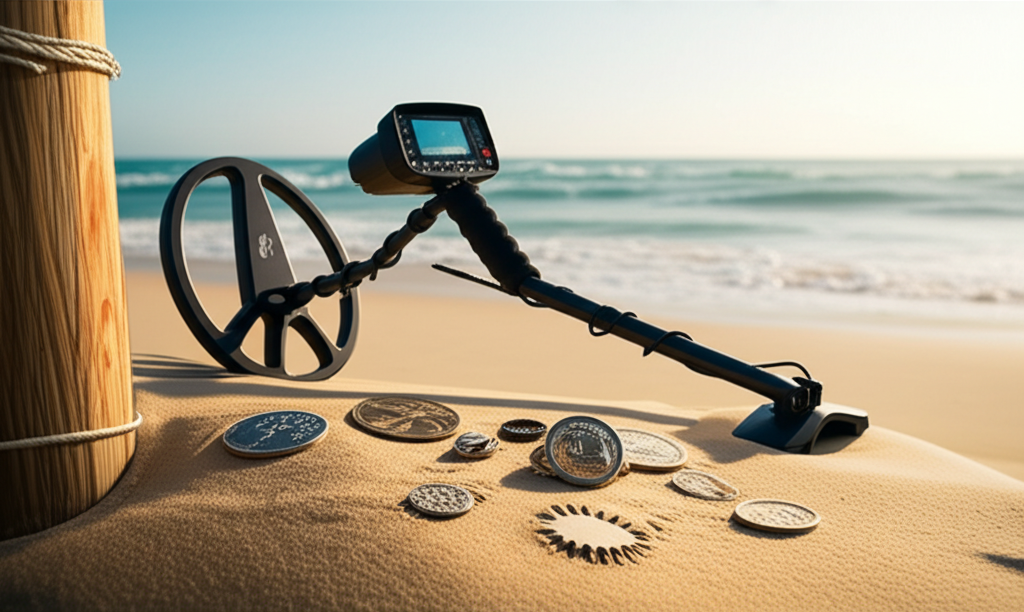
Yes, you can absolutely use metal detectors on Texas beaches! It’s a fantastic way to uncover lost treasures, from valuable coins to unique relics. This guide covers everything you need to know about detecting on the Texas coast, including rules, gear, and what you might find.
The salty air, the endless sand, the promise of buried riches – it all adds up to an irresistible allure for any treasure hunter. But if you’re planning a trip to the Texas coast with your metal detector, a crucial question often arises: “Can you use metal detectors on Texas beaches?” It’s a common concern, and frankly, a bit of a gray area for many newcomers. The good news is, the answer is generally a resounding yes, but with a few important caveats and best practices to keep in mind. I’ve spent countless hours with my detector in the sand along the Texas coastline, and I’m here to share what I’ve learned to help you have a successful and legal detecting adventure. We’ll cover the regulations, the best gear, and the kinds of treasures waiting to be unearthed.
Texas Beach Metal Detecting: Is It Allowed?
Generally, metal detecting is permitted on most public Texas beaches. However, understanding specific regulations for federal, state, and local parks is crucial to avoid fines and ensure a positive experience.
The primary concern for any detectorist heading to the coast is legality. Thankfully, Texas is quite welcoming to metal detecting enthusiasts on its public beaches. Most of the shoreline is managed by either state or local authorities, and they typically allow this activity. It’s always wise to check the specific rules for the beach you plan to visit, especially if it’s within a protected area or a designated park. My experience has shown that as long as you’re respectful and follow basic guidelines, you’ll have no issues.
Understanding federal, state, and local rules is key. While most public beaches are open, protected areas like national seashores or state parks may have specific restrictions you must adhere to.
Before you even pack your detector, take a moment to research the specific beach you intend to explore. Beaches within National Seashores, such as Padre Island National Seashore, often fall under federal regulations. While metal detecting is generally allowed in the intertidal zone (the area between high and low tide), digging in vegetated dunes or disturbing historical sites is usually prohibited. For beaches managed by the Texas General Land Office (GLO), which oversees much of the state’s submerged lands and beaches, general public access for activities like metal detecting is permitted. However, always check for any posted signs or local ordinances, as these can vary.
Federal vs. State vs. Local Rules

Federal regulations, primarily for areas like Padre Island National Seashore, often focus on preserving natural and historical resources. State rules, managed by entities like the Texas GLO, tend to be more permissive for recreational activities on public tidelands. Local ordinances, set by cities or counties, can add another layer of rules, sometimes restricting detecting in certain areas or during specific times. It’s this layered approach that makes a quick check essential.
Areas to Be Extra Cautious Of
When exploring Texas beaches, be particularly mindful of protected dune systems, bird nesting areas, and any historical markers or archaeological sites. Disturbing these areas can lead to significant penalties and harm fragile ecosystems. Stick to the wet sand and the dry sand areas that are clearly designated for public use.
Essential Metal Detecting Gear for Texas Beaches
For optimal results on Texas beaches, a robust, waterproof metal detector with good sensitivity to small gold and silver targets, a reliable pinpointer, and appropriate digging tools are indispensable.
The coastal environment presents unique challenges: saltwater, wet sand, and plenty of trash. Choosing the right equipment can make the difference between a frustrating day and a treasure-filled one. I’ve found that certain detectors and accessories perform exceptionally well in these conditions, helping me sift through the noise and find the good stuff.
Waterproof Metal Detectors: A Must-Have
Saltwater and sand are the enemies of most electronics, so a fully waterproof metal detector is non-negotiable for beach detecting. Look for detectors that can handle being submerged in saltwater, as this will give you the freedom to detect in the surf zone where many items wash ashore. Many modern detectors offer excellent discrimination capabilities, allowing you to ignore iron trash and focus on coins and jewelry. Brands like Minelab, Garrett, and Nokta Makro offer fantastic waterproof options suitable for beach use.
The Power of a Good Pinpointer
Once your detector signals a target, a good pinpointer is your best friend for precise location. Digging large plugs of sand to find a tiny ring is inefficient and can be damaging to the beach. A submersible pinpointer is ideal for beach hunting, allowing you to pinpoint the target even in wet sand or shallow water. It dramatically speeds up recovery and minimizes your impact.
Digging Tools: Sand Scoops and Trowels
For beaches, a sturdy sand scoop is your primary digging tool. Look for one made of durable stainless steel with plenty of holes to allow sand to drain quickly. A good sand scoop allows you to sift through the sand efficiently right at the target location. A small, corrosion-resistant trowel can also be useful for firmer sand or for carefully extracting targets.
What Treasures Can You Find on Texas Beaches?
Texas beaches are renowned for yielding a variety of treasures, including modern and old coins, lost jewelry (rings, bracelets, earrings), fishing lures, belt buckles, and occasionally, historical relics.
The diversity of finds on Texas beaches is truly remarkable. People lose things constantly, and the ocean’s currents can bring items from far and wide. I’ve personally pulled out everything from modern quarters to ancient-looking buttons, and the thrill of each find is just as exciting as the last.
Coins: A Beach Detectorist’s Staple
You’ll find a steady stream of modern U.S. currency, especially in popular swimming areas. However, keep an eye out for older coins – silver dimes, quarters, and even dollars can surface, especially on less-trafficked beaches or after significant storms. Foreign coins are also common due to tourism.
Jewelry: The Sparkle of the Surf
Lost rings, necklaces, earrings, and bracelets are some of the most exciting finds for beach detectorists. These items are often made of precious metals like gold and silver, and they tend to get buried just a few inches down. Finding a lost piece of jewelry can be incredibly rewarding, both financially and emotionally for the owner if you can reunite them.
Relics and Other Interesting Finds
Beyond coins and jewelry, Texas beaches can offer glimpses into the past. You might uncover old fishing lures, unique belt buckles, pieces of pottery, or even historical artifacts from shipwrecks or old settlements, though these are rarer. Always handle potential relics with care and report significant historical finds to the appropriate authorities.
Best Texas Beaches for Metal Detecting
Popular spots like Galveston Island State Park, Surfside Beach, and the North Beach area of Corpus Christi offer high traffic and good potential for coin and jewelry finds, while Padre Island National Seashore provides a more natural and potentially historic landscape.
Choosing the right beach can significantly impact your success. High-traffic areas are more likely to have modern lost items, while less-developed beaches might hold older treasures or relics. I’ve had great days on a variety of Texas shorelines, each offering a slightly different experience.
Galveston Island State Park & Nearby Beaches
Galveston is a prime destination for beach detecting. The sheer number of visitors means more opportunities for lost items. The state park itself has specific rules, so check those, but the public beaches in and around Galveston are generally very productive. Look for areas near popular access points and swimming zones.
Surfside Beach
Just west of Galveston, Surfside Beach is another excellent location. It’s known for its wide sandy shores and is a favorite for families and sunbathers, translating to a good number of dropped coins and jewelry. The surf can also churn up interesting items.
Padre Island National Seashore
For a more natural and potentially historic experience, Padre Island National Seashore is the place to go. While detecting is allowed, remember the federal regulations. Focus your efforts on the intertidal zone and areas away from sensitive dune ecosystems. Storms can reveal a lot here.
Port Aransas & Mustang Island
These popular destinations offer miles of coastline with varying levels of development. Port Aransas, with its fishing piers and busy jetties, can be a hot spot for dropped items. Mustang Island, part of the same barrier island system, also offers plenty of sandy real estate to explore.
Detecting Techniques for Sandy Environments
Effective beach detecting involves using a slow sweep, overlapping your passes, and focusing on the “target-rich” zones like the water’s edge and areas where people tend to relax.
Sandy environments require a slightly different approach than detecting in a park or field. The constant movement of sand by waves and wind means targets can shift, but it also means new items are frequently washed ashore. Adapting your technique is key to maximizing your finds.
The Sweep and Recovery Method
On the beach, I find a slow, steady sweep with overlapping passes is most effective. This ensures you cover the area thoroughly. When you get a signal, use your pinpointer to precisely locate the target before digging. A good sand scoop allows you to quickly sift the sand, making recovery fast and efficient.
Targeting “Target Rich” Zones
Pay attention to the high tide line, as items washed ashore often settle there. The wet sand near the water’s edge is also a prime location, as it’s constantly being worked by the waves. Areas where people tend to congregate – near lifeguard stands, volleyball courts, or beach access points – are also good bets for modern lost items.
Dealing with Saltwater Interference
Saltwater can cause interference with some metal detectors. Look for detectors with a good saltwater mode or ground balance feature specifically designed for mineralized environments. Adjusting your sensitivity can also help reduce false signals caused by the salty conditions.
Common Mistakes to Avoid on Texas Beaches
Beginner mistakes often include digging large plugs, not checking regulations, using inappropriate gear, and neglecting to properly clean and maintain equipment after saltwater exposure.
Even experienced detectorists can make mistakes, but being aware of common pitfalls can save you time, frustration, and potential trouble. I’ve certainly learned a few lessons the hard way myself.
The “Big Plug” Problem
One of the biggest no-nos is digging large, unsightly holes. This damages the beach and annoys other beachgoers. Always dig neatly, recover your target, and fill your hole completely, leaving no trace of your activity. Use your pinpointer to minimize the size of the plug you need to remove.
Ignoring Local Rules and Etiquette
As mentioned, not checking regulations is a common oversight. Equally important is beach etiquette. Be mindful of other people, don’t detect too close to occupied areas, and always fill your holes. Respecting the environment and other users is paramount.
Neglecting Your Gear
Saltwater is corrosive. After a day of detecting on the beach, it’s crucial to rinse your equipment thoroughly with fresh water, especially your detector, coil, and pinpointer. Failure to do so can lead to corrosion and premature failure of your gear.
Maintaining Your Metal Detector After Beach Use
Proper maintenance is vital for the longevity of your metal detector, especially after exposure to saltwater. A thorough rinse with fresh water, followed by drying and occasional lubrication, will keep your equipment in top condition.
Your metal detector is an investment, and taking care of it, particularly after beach excursions, will ensure it serves you well for years to come. Saltwater is aggressive, so a little effort goes a long way.
The Fresh Water Rinse
This is the most critical step. After you’re done detecting, immediately rinse your entire detector, including the coil and control box, with fresh, clean water. Use a low-pressure hose or even a bucket and sponge. Ensure all salt residue is removed.
Drying and Storage
After rinsing, dry your detector thoroughly with a soft cloth. Pay attention to seams and crevices where water can hide. Store your detector in a dry, temperate environment. Avoid leaving it in a hot car, as extreme temperatures can damage the electronics.
Coil Care
The coil is often the part most exposed to the elements. After rinsing and drying, inspect it for any cracks or damage. Some detectorists apply a protectant spray to the coil cover to prevent scratches.
FAQs About Metal Detecting on Texas Beaches
Can I dig anywhere on a Texas beach?
You can generally dig in the intertidal zone (between high and low tide) and on the dry sand, but avoid digging in protected dunes, vegetated areas, or near historical sites. Always check local regulations.
What is the best time of day to metal detect on Texas beaches?
Early morning or late afternoon can be ideal to avoid the crowds and the heat. After a storm can also be a very productive time as the waves may have unearthed new targets.
Do I need a permit to metal detect on Texas beaches?
For most public beaches managed by state or local authorities, a permit is not required. However, some specific parks or federal areas might have their own rules, so always verify.
What kind of metal detector is best for Texas beaches?
A fully waterproof metal detector with good saltwater capabilities and discrimination is essential. Look for models from reputable brands that are known for their performance in mineralized and wet conditions.
How deep do I need to dig?
Most targets on the beach are found within the top 6-8 inches. Use a pinpointer to precisely locate your target and dig only as much as necessary.
What should I do if I find something historically significant?
If you believe you’ve found a historical artifact, do not remove it. Document its location and contact the Texas Historical Commission or the relevant park authority.
Is it okay to leave holes when I’m done detecting?
Absolutely not. It is crucial to fill in all holes completely, leaving the beach as you found it. This is essential for beach etiquette and environmental preservation.
Final Verdict: Go Detect Texas Beaches!
Metal detecting on Texas beaches is a rewarding and accessible hobby. By understanding the rules, equipping yourself with the right gear, and employing smart techniques, you’re set for an exciting treasure-hunting adventure along the beautiful Texas coastline.
So, to answer the big question, “Can you use metal detectors on Texas beaches?” – a confident and enthusiastic yes! The Texas coast is a treasure trove waiting to be explored. I’ve personally experienced the thrill of finding lost coins, sparkling jewelry, and even intriguing historical remnants along these shores. Remember to always respect the environment and the regulations in place. Equip yourself with a waterproof detector, a reliable pinpointer, and a good sand scoop. Learn the techniques for sandy conditions, and most importantly, always fill your holes and leave the beach cleaner than you found it. The Texas beaches offer a fantastic opportunity for both novice and experienced detectorists to uncover the secrets hidden beneath the sand. Happy hunting!
