


Published on: September 30, 2025 | Updated on: September 30, 2025
Yes, you can absolutely use metal detectors on UK beaches! This guide unlocks the essential secrets, from understanding local laws and finding the best spots to choosing the right gear and techniques for successful beach detecting.
The allure of unearthing forgotten treasures washed ashore is strong, and many wonder if their trusty metal detector can join them on a seaside adventure. It’s a common question, with many beachgoers unsure of the rules or best practices. Fear not! This comprehensive guide will equip you with all the knowledge you need to confidently explore UK beaches with your metal detector, revealing the essential secrets to maximizing your finds and enjoying the hobby responsibly.
Understanding the Legal Landscape: Can You Use Metal Detectors on UK Beaches?
Indeed, you can use metal detectors on UK beaches, but it’s crucial to be aware of the legalities. Generally, most foreshore (the area between high and low tide) is managed by the Crown Estate, and they permit recreational metal detecting. However, specific local bylaws or restrictions might apply to certain beaches, especially those within designated conservation areas or near historical sites. Always check with the local council or the Crown Estate before you start detecting.
Not all beaches are created equal for metal detecting. High-traffic sandy beaches are often your best bet for finding modern dropped items like coins and jewelry, especially near popular swimming or sunbathing areas. Eroded beaches, where the tide has washed away sand to reveal older layers, can yield more historical finds. Look for areas where the tide goes out furthest and where natural features like groynes or rocky outcrops might trap items.
Wet Sand vs. Dry Sand: A Detectorist’s Dilemma

The difference between wet and dry sand significantly impacts your detecting experience and potential finds. Dry sand, being further up the beach and less disturbed by the tide, often holds items lost by casual visitors. Wet sand, closer to the water’s edge, is more dynamic; it gets churned by waves, potentially exposing older items but also making them harder to detect due to the water’s conductive properties. Your detector’s settings will need adjustment for each.
Essential Beach Detecting Gear: What You Need to Succeed
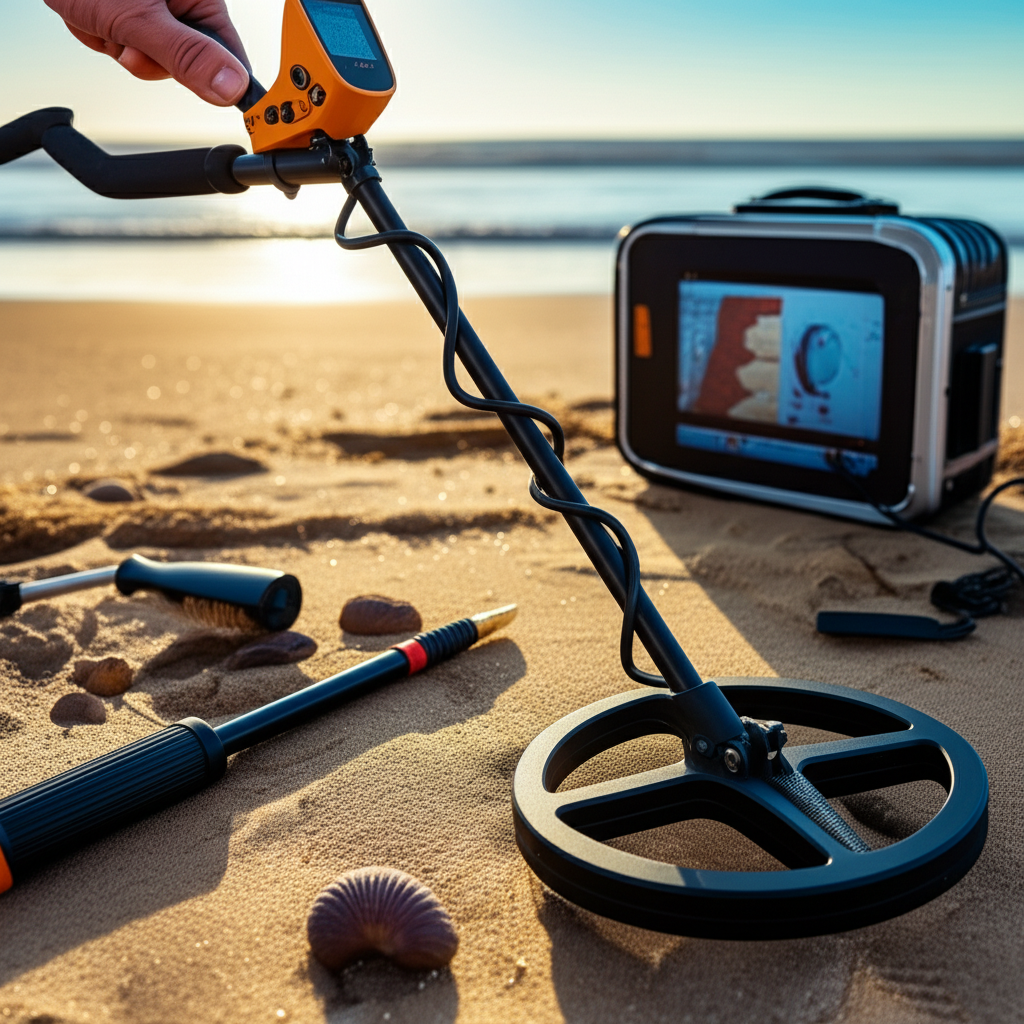
Choosing the right equipment is paramount for successful beach metal detecting. A good beach metal detector will typically have excellent discrimination capabilities to filter out junk and be waterproof or water-resistant for use in wet conditions. Don’t forget a reliable pinpointer to help locate targets precisely in the sand, a sturdy sand scoop or sieve, and a comfortable digging tool. A comfortable bag to carry your finds and rubbish is also essential.
Choosing the Right Metal Detector for the Beach
When selecting a metal detector specifically for beach use, look for models designed to handle salt water and mineralized sand. Many detectors offer a “beach mode” which helps to counteract the effects of salt and black sand. Features like adjustable ground balance, multiple frequency options, and excellent target separation are also highly beneficial. Brands like Minelab, Garrett, and Nokta Makro offer excellent beach-specific detectors.
The Indispensable Pinpointer and Digging Tools
A quality pinpointer is your best friend on the beach. Once your detector signals a target, a pinpointer helps you zero in on its exact location within the sand, saving you time and effort. For digging, a robust stainless steel sand scoop with a comfortable handle is ideal for sifting through wet sand. A small trowel or digging knife can be useful for tougher targets or drier sand.
Mastering Beach Detecting Techniques: Tips from the Trenches
Successful beach detecting involves more than just swinging a coil; it’s about understanding the environment and employing smart techniques. Work the tide lines, where the water has recently receded, as this is often where new targets are exposed. Sweep your coil slowly and methodically, overlapping each sweep to ensure no area is missed. Pay attention to signals, even faint ones, as they can sometimes lead to significant finds.
Reading the Tides and Weather: Your Secret Advantage
The tides are your greatest ally or adversary on the beach. Detecting during an outgoing tide is generally best, as it exposes new areas of sand and washes targets ashore. Conversely, an incoming tide can cover up your finds or make them harder to retrieve. Also, consider the weather; calm days with gentle waves are ideal for comfortable detecting and easier target recovery.
Dealing with Saltwater and Mineralization
Saltwater and the high mineral content found in some beach sands can interfere with your metal detector’s performance, leading to false signals or reduced depth. Many modern detectors have specific “beach modes” or adjustable ground balance settings to combat this. Experimenting with different frequencies can also help, as some frequencies penetrate salt water better than others.
Common Finds and What to Expect on UK Beaches
UK beaches offer a diverse range of potential finds, from modern pocket change and lost jewelry to historical artifacts. You’ll commonly find coins from various eras, rings, earrings, and other personal items dropped by beachgoers. With patience and persistence, you might also uncover older coins, buttons, buckles, and even relics from shipwrecks or historical settlements, especially on less-frequented or older beaches.
The Thrill of the Find: Coins, Jewelry, and More
The excitement of hearing that “good” signal and carefully excavating a find is what draws many to beach detecting. You might pull up a Victorian sixpence, a modern pound coin, a lost engagement ring, or a simple silver locket. Each find tells a story, and the anticipation of what the next signal might reveal keeps the adventure going.
Unearthing Historical Relics: A Deeper Dive
Beyond everyday items, UK beaches can be treasure troves of historical relics. Depending on the beach’s history and location, you could find musket balls, old fishing weights, pottery shards, or even fragments from old shipwrecks. These finds offer a tangible connection to the past and are often the most rewarding discoveries for dedicated detectorists.
Ethical Detecting and Responsible Recovery: Leaving No Trace
Being a responsible detectorist is just as important as making a good find. Always fill in your holes neatly, leaving the beach as you found it, or even better. Take any rubbish you find with you; this is known as “beach cleaning” and is a great way to give back to the community. Respect private property and any designated conservation areas.
The Detectorist’s Code: Respect and Preservation
Adhering to a code of ethics ensures that metal detecting remains a welcomed hobby. This includes respecting the environment, avoiding damage to the beach or its habitats, and being considerate of other beach users. Report any significant archaeological finds to the Portable Antiquities Scheme, as these are of national importance.
Troubleshooting Common Beach Detecting Issues
Even with the best gear and techniques, you might encounter issues. False signals from wet sand or saltwater can be frustrating. If your detector is giving consistent chatter, try adjusting your sensitivity, ground balance, or switching to a different frequency or mode. Sometimes, a change in location, even just a few meters, can make all the difference.
Where to Find More Information and Community Support
The metal detecting community is generally very supportive. Online forums, social media groups, and local detecting clubs are excellent resources for advice, tips, and information on specific beaches. Sharing your experiences and learning from others can significantly enhance your detecting journey. The Portable Antiquities Scheme website also offers valuable information on reporting finds.
Frequently Asked Questions (FAQ)
Are there any specific laws about keeping finds on UK beaches?
Generally, you can keep items of minimal archaeological or historical significance, like modern coins and jewelry. However, under the Treasure Act 1996, certain items (like gold and silver objects over 300 years old, or coins with less than 10% of gold or silver) must be reported to the coroner. The Portable Antiquities Scheme is the best resource for understanding these regulations.
What is the best time of day to detect on a UK beach?
The best time is often during an outgoing tide, especially a few hours after high tide. This allows you to work the freshly exposed wet sand where the tide has deposited new items. Early mornings or late evenings can also be less crowded, offering more peace and quiet.
Can I use my inland metal detector on the beach?
While some inland detectors might work on dry sand, they often struggle with the mineralization and conductivity of wet saltwater beaches. Beach-specific detectors are designed with features like waterproofing, salt modes, and better ground balancing to handle these challenging conditions effectively.
How deep can a metal detector find things on the beach?
Depth varies greatly depending on the detector, coil size, target size and type, and ground conditions. A good beach detector with a suitable coil can often detect coins and rings up to 6-10 inches deep in ideal conditions. Older, larger items might be found even deeper.
What should I do if I find something that looks historically important?
If you suspect a find is historically important, do not attempt to clean it extensively yourself. Document its location carefully and report it to the Portable Antiquities Scheme (PAS). They will advise you on the next steps and can help determine its significance.
Is it legal to dig holes on the beach?
Yes, it is generally legal to dig holes on the beach for the purpose of metal detecting, provided you refill them completely afterwards. However, some local councils may have specific bylaws regarding digging, so it’s always wise to check local signage or regulations.
Conclusion: Your Beach Metal Detecting Adventure Awaits
So, can you use metal detectors on UK beaches? The answer is a resounding yes, and with the knowledge from this guide, you’re well on your way to exciting discoveries. By understanding the legalities, choosing the right gear, mastering beach-specific techniques, and practicing responsible detecting, you can unlock the hidden treasures waiting beneath the sand. Happy hunting, and may your finds be plentiful!
