


Published on: October 10, 2025 | Updated on: October 10, 2025
No, metal detectors don’t just find magnetic metals. They work by sending out an electromagnetic field. When this field hits any metal, magnetic or not, it creates a response that the detector can sense. This means they can find gold, silver, copper, and other non-magnetic treasures too.
Have you ever wondered what secrets lie hidden beneath the surface? Metal detecting opens up a world of discovery, from lost coins to historical relics. But a common question pops up: “Do metal detectors only detect magnetic metals?” It’s a natural thought, especially when you see iron objects being picked up easily. This article will clear up that confusion. We’ll explore how metal detectors really work. You’ll learn what types of metals they can find. Get ready to understand your detector better and boost your finds.
How Metal Detectors Actually Work
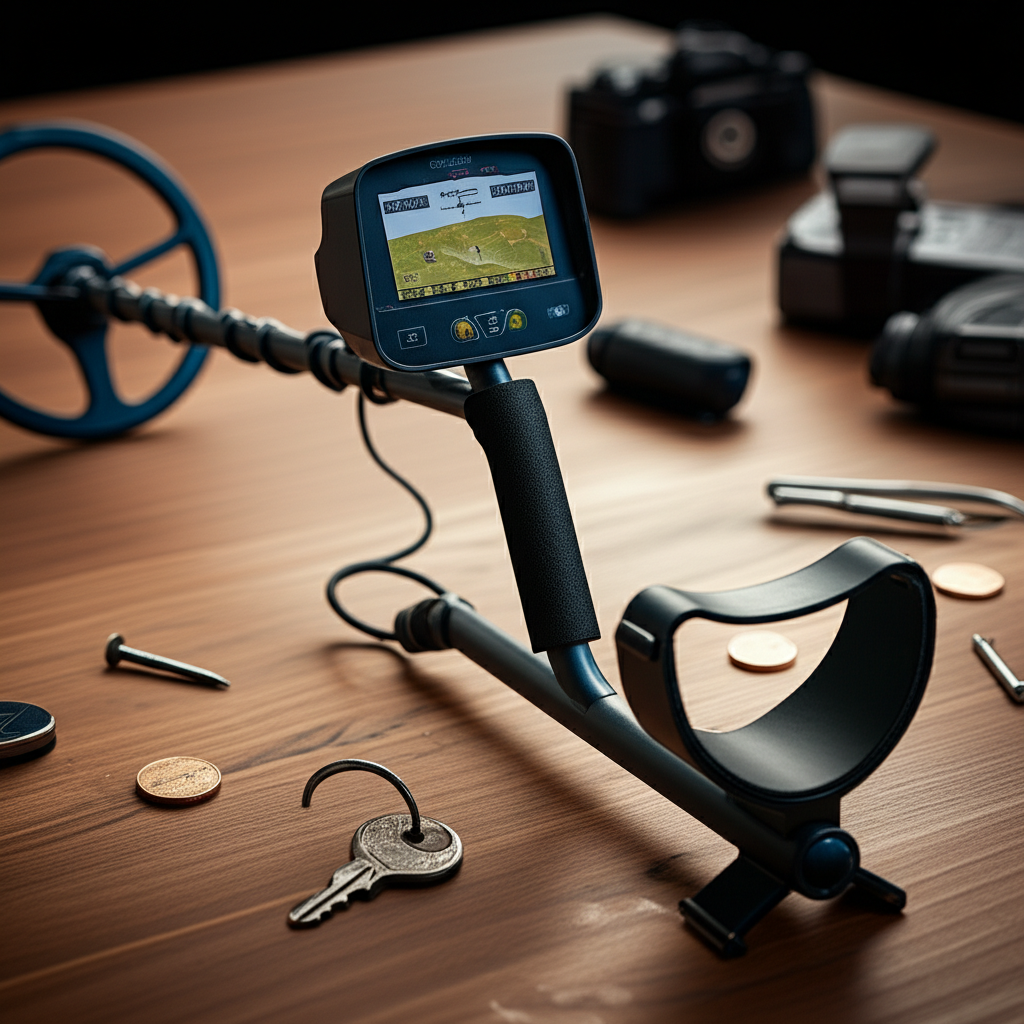
Metal detectors don’t just magically sense metal. They use a clever scientific principle called electromagnetism. The detector has a coil that sends out an invisible magnetic field into the ground. This field is like a radar for metal objects. When this field meets any metal object, it causes a reaction. This reaction is then picked up by the detector’s coil.
The detector’s electronics process this reaction. They then send a signal to you, usually a sound. This sound alerts you that something metallic is nearby. It’s a simple yet effective way to find hidden treasures.
The Role of Magnetism in Metal Detection
Magnetism plays a part, but it’s not the whole story. Ferrous metals, like iron and steel, are magnetic. They are easily detected because they strongly interact with the detector’s magnetic field. This strong interaction makes them “loud” signals to the detector.
However, this doesn’t mean non-magnetic metals are invisible. Metals like gold, silver, copper, and aluminum are not magnetic. Yet, metal detectors find them all the time. This is because the detector’s field affects all conductive metals, not just magnetic ones.
Understanding Different Types of Metals Detected
Your metal detector can find a wide range of metals. It’s not limited to just iron or steel. Think about all the precious coins and jewelry you might find. These are often made of gold, silver, or copper.
These non-ferrous metals are excellent conductors of electricity. The detector’s magnetic field induces small electrical currents in them. These currents then create their own magnetic field. Your detector senses this secondary field. This is how it alerts you to valuable non-magnetic finds.
Why Some Metals Give Stronger Signals
The strength of the signal you get depends on a few things. The size of the metal object is important. A larger object will give a stronger signal than a small one. The depth of the object also matters; closer objects are easier to detect.
The conductivity of the metal is another key factor. Highly conductive metals like silver and copper often give strong signals. Less conductive metals might give weaker signals. The detector’s settings can also be adjusted to fine-tune sensitivity.
Detecting Ferrous vs. Non-Ferrous Metals
Metal detectors have modes to help distinguish between metal types. Ferrous metals (like iron) often produce a different tone than non-ferrous metals (like gold). This helps detectorists decide if a target is worth digging. Many detectors have an “Iron Bias” or “Discrimination” setting.
This setting lets you ignore junk targets, often iron trash. You can set it to ignore iron but still detect valuable coins. Learning these settings is crucial for efficient detecting. It saves you from digging up countless rusty nails.
The Impact of Coil Size and Type
The coil on your metal detector is its “ear” to the ground. Different coil sizes and types can affect what you find. Smaller coils are better for pinpointing targets in trashy areas. They can also be more sensitive to small gold nuggets.
Larger coils cover more ground and can detect deeper targets. However, they may be less sensitive to very small objects. Some coils are designed for specific types of detecting, like prospecting for gold. Choosing the right coil for your target and environment is key.
Advanced Features: Multi-Frequency and Pulse Induction
Modern metal detectors have advanced technologies. Multi-frequency detectors broadcast several frequencies at once. This allows them to perform well in various soil conditions and detect a wider range of metals. They are great all-rounders.
Pulse Induction (PI) detectors are excellent for highly mineralized ground. They are also great for saltwater beaches. PI detectors send out strong pulses and are less affected by ground mineralization. They tend to be very sensitive to all metals, including gold.
Essential Tools for Every Detectorist
Beyond the metal detector itself, other tools are essential. A good pinpointer is a must-have. This is a small, handheld detector that helps you find the exact location of a target once you’ve dug a plug. It saves a lot of time and frustration.
Digging tools are also vital. You’ll need a sturdy trowel or a digging spade. A sand scoop is useful for beach hunting. Always remember to fill in your holes neatly to respect the land.
Common Misconceptions Debunked
One of the biggest myths is that metal detectors only find magnetic metals. We’ve shown this isn’t true. They detect all conductive metals. Another misconception is that you need expensive gear to find treasure.
While high-end detectors are powerful, many beginner models are very capable. The most important thing is to learn how to use your detector well. Practice makes perfect in the field. Understanding the basics will lead to more finds than fancy equipment alone.
Maximizing Your Finds: Tips from the Field
To find more, you need to be smart about where you detect. Old parks, schoolyards, and historical sites are often productive. Research local history to find potential treasure spots. Always get permission before detecting on private property.
Learn to read your detector’s signals. Different tones and numbers mean different things. Be patient and persistent. Treasure hunting is a hobby that rewards effort and a keen eye.
Frequently Asked Questions
What is the most common metal detected?

The most common metal detected is often iron. This is because iron objects like nails, screws, and old bottle caps are widespread. They are also magnetic, making them easy for most detectors to pick up.
Can metal detectors find gold?
Yes, metal detectors can absolutely find gold. Gold is a conductive metal, though not magnetic. Many detectors are specifically designed for gold prospecting, being highly sensitive to small gold pieces.
Do I need a special detector for silver coins?
No, you typically do not need a special detector for silver coins. Most general-purpose metal detectors can easily find silver coins. They register as a strong, non-ferrous target signal.
Why does my detector make noise over trash?
Your detector makes noise over trash because many trash items are made of metal. Things like pull tabs, foil, and small iron objects are detected. Learning to use your detector’s discrimination settings helps ignore much of this junk.
Are all metal detecting coils the same?
No, metal detecting coils come in various sizes and types. Smaller coils are good for trashy areas and small targets. Larger coils cover more ground and detect deeper. Specialized coils exist for different environments like saltwater or mineralized soil.
What is ground balancing?
Ground balancing is a feature on many detectors. It helps the detector adjust to the mineral content of the soil. This reduces false signals caused by minerals and improves the detector’s ability to find targets.
Conclusion
So, to answer the question directly: no, metal detectors do not only detect magnetic metals. They are designed to sense any conductive metal object buried in the ground. From the iron nails of history to the gleaming gold coins of forgotten times, your metal detector is a key to unlocking these secrets. Understanding the science behind how they work, the different types of metals they can find, and how to use their features will greatly improve your success. With the right knowledge and tools, you’re well on your way to exciting discoveries. Happy hunting!
