


Published on: October 10, 2025 | Updated on: October 10, 2025
Do Metal Detectors Use Magnets? The Essential Breakthrough You Need to Know
Metal detectors don’t primarily use magnets to find most targets. They rely on electromagnetic induction, a principle different from magnetism, to detect conductive metals. Understanding this is key to choosing and using your detector effectively for treasure hunting.
Have you ever wondered how those amazing metal detectors work? It’s a common question, especially when you hear about magnets being used in other devices. Many treasure hunters, new and experienced alike, get confused about whether magnets are the secret sauce behind their detector’s ability to find buried coins, relics, and gold. This confusion can lead to choosing the wrong gear or not understanding how to get the best results. Don’t worry, I’m here to clear things up. We’ll dive deep into the science behind metal detecting and explain exactly how these incredible tools find hidden treasures. Get ready to understand your detector like never before!
The Core Principle: Electromagnetic Induction, Not Just Magnets
So, do metal detectors use magnets? The simple answer is no, not in the way you might think. Most metal detectors work using a principle called electromagnetic induction. This is a bit different from how a simple magnet attracts iron. It’s a more complex process that allows detectors to find a wider range of metals, not just ferrous ones. Understanding this fundamental difference is crucial for any detectorist.
How Electromagnetic Induction Works in Detectors

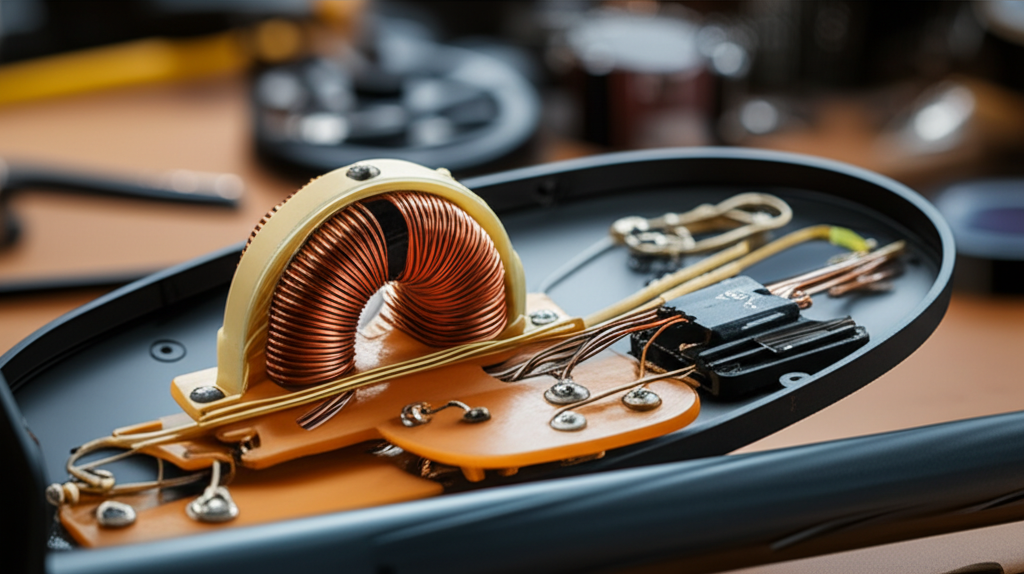
Imagine your metal detector’s coil. It sends out an electromagnetic field into the ground. When this field hits a metal object, it causes a small electrical current to flow within that object. This current then creates its own magnetic field. Your detector’s coil then picks up this new magnetic field and signals that something is there. This is the magic of electromagnetic induction in action.
Why Magnets Aren’t the Primary Tool
While magnets are great for picking up iron and steel objects (ferrous metals), they don’t work well for non-ferrous metals like gold, silver, copper, and aluminum. Metal detectors need to find all sorts of valuable items, not just rusty nails. Electromagnetic induction allows them to do this. A detector using only magnets would miss out on most of the good stuff!
Understanding the Components of a Metal Detector
To truly grasp how metal detectors work, it’s helpful to know their main parts. Each component plays a specific role in the detection process. From the search coil to the control box, these parts work together seamlessly.
The Search Coil: The Heart of the Detector
The search coil is usually the round or oval part at the bottom of your metal detector. It’s the part you swing over the ground. This coil is where the electromagnetic field is generated and where the returning signal is received. It’s the most important piece of equipment for finding targets.
The Control Box: The Brains of the Operation
The control box is where all the electronics are housed. It generates the signal sent out by the coil and processes the signals received back. This is where you adjust settings like sensitivity, discrimination, and volume. It tells you when you’ve found something and sometimes even what it might be.
The Shaft and Handle: For Comfort and Control
These parts connect the coil to the control box and allow you to hold and swing the detector. A comfortable shaft and handle are essential for long days of detecting. They help you cover more ground without getting tired.
Metal Detectors vs. Simple Magnets: A Clear Distinction
Let’s make this super clear. A simple magnet will only attract things made of iron or steel. Think of a refrigerator magnet; it sticks to metal doors. A metal detector does much more than that. It can find a coin made of copper, a ring made of gold, or even a piece of aluminum foil.
What Magnets Can Do (and Not Do) for Detecting
Magnets are useful for recovering iron targets once you’ve found them. Many detectorists use a strong magnet on a stick to pull iron trash out of the ground. This saves their digging tools from getting rusty and makes cleanup easier. However, a magnet alone cannot find gold or silver jewelry.
The Power of Electromagnetic Fields
The electromagnetic field created by a metal detector is dynamic. It changes and interacts with conductive metals in a way a static magnet cannot. This interaction is what allows the detector to differentiate between different types of metal and even estimate their depth.
Different Types of Metal Detectors and Their Technologies
Not all metal detectors are built the same. Different types use slightly different approaches, but most still rely on electromagnetic induction. Some advanced detectors might use variations on this core principle.
Very Low Frequency (VLF) Detectors
VLF detectors are the most common type for hobbyists. They use two coils: a transmitter coil and a receiver coil. The transmitter sends out a signal, and the receiver picks up changes caused by metal objects. These are great all-around detectors for coins and relics.
Pulse Induction (PI) Detectors
Pulse Induction detectors are often used in areas with highly mineralized soil or saltwater beaches. They send out short pulses of energy. When a target is hit, the pulse is reflected back. PI detectors are less affected by ground minerals and can often detect deeper.
Ground Balancing: A Key Feature
Many detectors, especially VLF types, have a feature called ground balancing. This helps the detector ignore signals from minerals in the soil. This is important because minerals can sometimes give false signals, making it harder to find real targets.
The Role of Magnets in Pinpointers
While the main search coil of a metal detector doesn’t rely on magnets, there’s a related tool where magnets play a crucial role: the pinpointer. A pinpointer is a small, handheld detector used to precisely locate a target once you’ve dug a plug of soil.
How Pinpointers Work
Many pinpointers use a small coil that generates its own electromagnetic field. When this field encounters metal, it signals the user, usually with vibration and sound. Some pinpointers might use a small magnet internally to help detect ferrous metals more easily, but the primary detection method is still electromagnetic induction.
Why a Pinpointer is Essential Gear
Imagine digging a large hole only to find you’ve missed the coin! A pinpointer helps you narrow down the exact location of your target within the soil plug or the hole. This saves time, effort, and reduces the size of the holes you need to dig. It’s an indispensable tool for any serious detectorist.
Can Magnets Help You Find More Treasure?
While magnets aren’t the primary detection technology, they can be a helpful accessory. As mentioned, strong magnets are excellent for retrieving iron targets. This can be a lifesaver when you’re trying to clear out a spot of trash before finding good targets.
Using Magnets for Iron Trash Removal
When you’re detecting in an area with a lot of old nails or other iron debris, a magnet can make your life much easier. Simply sweep it over the dug soil. It will quickly pull out the iron, leaving you with less to sift through.
Limitations of Using Magnets Alone
It’s crucial to remember that a magnet will only find iron and steel. If you’re hoping to find gold rings, silver coins, or copper relics, you need a proper metal detector. Magnets simply don’t have the capability to detect these non-ferrous metals.
Choosing the Right Metal Detector for Your Needs
Now that you understand the science, how do you pick the best detector? Consider what you want to find and where you plan to search. Different detectors are better suited for different tasks.
For Beginners: Easy-to-Use Models
If you’re just starting out, look for a detector that is user-friendly. These often have fewer complex settings and good automatic features. Brands like Garrett, Minelab, and Nokta Makro offer excellent beginner-friendly options.
For Advanced Users: Specialized Detectors
Experienced detectorists might opt for detectors with more customization options. These can include advanced discrimination, multiple frequencies, and different search modes. These features allow for finer tuning in challenging environments.
Budget Considerations
Metal detectors range in price from under $200 to over $1,000. Set a budget and research models within that range. Remember that investing a bit more upfront can often get you a more capable and durable detector.
Magnetic Fields and Target Identification
Metal detectors don’t just tell you “metal here.” Many modern detectors can give you an idea of what the metal might be. This is done through analyzing the signal’s characteristics. This process is called target identification, often displayed as a numerical value or an audio tone.
Understanding Target IDs
Different metals produce different electrical currents when hit by the detector’s field. These currents have unique characteristics that the detector’s electronics can measure. This measurement is then translated into a Target ID number or an audio tone. For example, a coin might register differently than a pull tab.
The Role of Ferrous vs. Non-Ferrous Signals
Detectors often distinguish between ferrous (iron-containing) and non-ferrous metals. Iron targets typically produce lower Target IDs and different audio tones than valuable non-ferrous metals like gold or silver. This helps you decide whether to dig or ignore a target.
Essential Accessories for Any Detectorist
Beyond the detector itself, a few accessories can significantly improve your experience. These items are just as important as the detector for a successful outing.
Digging Tools: Trowels and Shovels
You’ll need sturdy digging tools to retrieve your finds. A good trowel is essential for most situations, while a larger shovel might be needed for deeper targets or specific terrains. Always aim to dig cleanly and fill your holes when you’re done.
Headphones: Hear Every Signal
Using headphones is crucial. They block out ambient noise and allow you to hear faint signals that you might otherwise miss. Many detectorists prefer wireless headphones for freedom of movement.
Find Pouch or Bag
You’ll need something to carry your finds and any trash you collect. A durable find pouch that attaches to your belt is a popular choice. It keeps your hands free and your treasures secure.
FAQ: Your Metal Detecting Questions Answered
Here are some common questions about metal detectors and how they work.
Do all metal detectors use magnets?
No, most metal detectors use electromagnetic induction, not simple magnets, to find conductive metals like gold and silver. Magnets are mainly for iron targets.
Can I use a magnet to find treasure?
A magnet can only find iron and steel objects. For valuable metals like gold, silver, or copper, you need a proper metal detector.
What is the most important part of a metal detector?
The search coil is the most important part, as it sends out the electromagnetic field and receives the signal from buried targets.
Are expensive metal detectors always better?
Not necessarily. The “best” detector depends on your needs, budget, and the type of detecting you plan to do. Many entry-level models are excellent for beginners.
How deep can a metal detector find things?
Depth varies greatly depending on the detector, coil size, target size, and ground conditions. Most detectors can find targets from a few inches to over a foot deep.
What does a high Target ID number mean?
A high Target ID number usually indicates a non-ferrous metal like silver or gold. However, it can also indicate foil or pull tabs, so visual inspection after digging is key.
Conclusion: The Breakthrough in Understanding Your Detector
So, to finally answer the big question: do metal detectors use magnets? The essential breakthrough is understanding that while magnets have a supporting role, especially with pinpointers and iron retrieval, the core technology behind most metal detectors is electromagnetic induction. This sophisticated principle allows these devices to sense the conductivity of metals, enabling them to find a wide array of treasures, from ancient coins to precious gold jewelry. Knowing this difference is the key to appreciating the technology and making informed choices about your detecting gear. Happy hunting!
