


Published on: October 10, 2025 | Updated on: October 10, 2025
Yes, metal detectors absolutely work in snow, and with the right knowledge and gear, winter can be a prime time for finding treasures hidden beneath the white blanket. This guide reveals the secrets to successful snow detecting.
Winter often means putting your metal detector away. Many detectorists think snow stops the hunt. But is that really true? I’ve spent many cold days testing my gear in the snow. I’ve learned that with a few simple adjustments, you can keep finding coins, rings, and relics all winter long. This guide will show you exactly how to make your metal detector work its best when the temperature drops.
Why Detectorists Worry About Snow
Snow can seem like a big problem for metal detecting. It covers the ground. It can be deep. It can also be very cold. These things make it hard to hear signals. They also make it hard to dig. Many people believe their detector won’t work at all in these conditions. This fear stops them from trying.
The truth is, snow itself doesn’t stop the metal detector’s signal. The way snow affects the ground and your equipment is the real challenge. Understanding these effects is key to overcoming them. This allows you to continue your passion even in winter.
The Science Behind Metal Detecting in Snow
Metal detectors send out an electromagnetic field. This field interacts with metal objects. It sends a signal back to the detector. Snow is mostly water. Water can affect this field. However, dry, powdery snow has less effect than wet, icy snow. Very cold temperatures can also affect your detector’s battery life.
The key is that the metal object is still there under the snow. The detector’s signal can still reach it. The challenge is distinguishing a good target signal from background noise caused by the snow or frozen ground.
Can Any Metal Detector Work in Snow?
Most modern metal detectors can work in snow. However, some are better suited for cold weather conditions. Detectors with good discrimination settings help ignore trash. Waterproof detectors are excellent for wet snow or slush. Detectors with adjustable ground balance can adapt to changing soil conditions under the snow.
Choosing a detector with features designed for varied conditions is important. A sensitive detector that can handle ground mineralization is also a big plus. This ensures you get the best performance when detecting in winter.
Essential Gear for Snow Detecting
Detecting in snow requires more than just your metal detector. You’ll need warm clothing to stay comfortable. Waterproof boots are a must. Gloves that let you feel your detector’s controls are also important. A good digging tool that can handle frozen ground is essential.
Consider a pinpointer that works well in cold. A sled or cart can help carry your gear. Having a plan for how to dig targets without disturbing the snow too much is also vital. These items make the experience safer and more productive.
Clothing and Protection
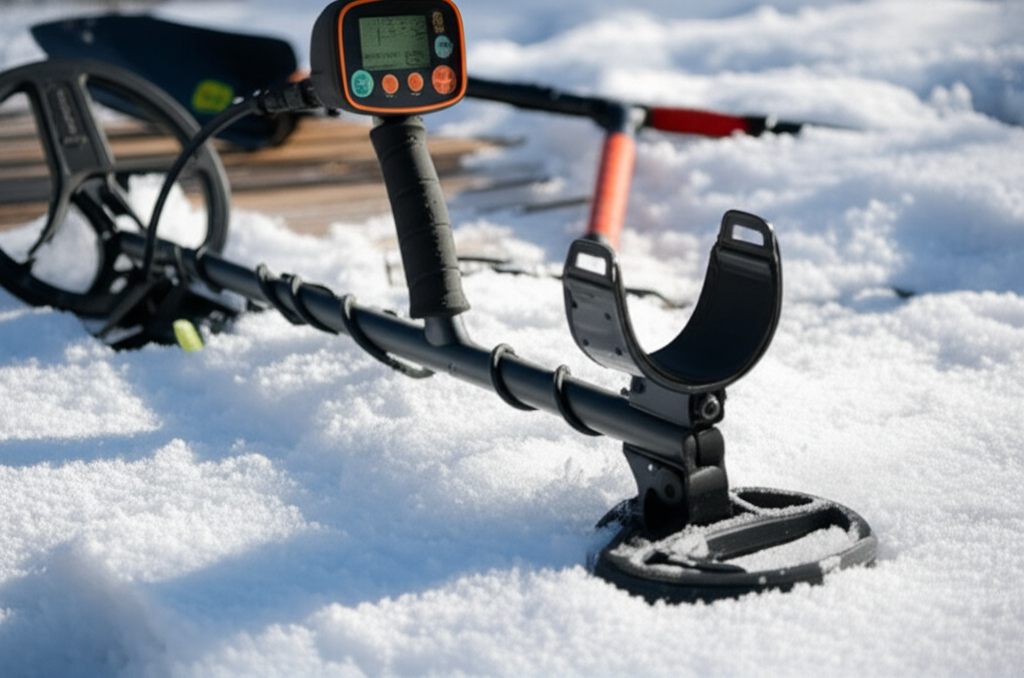
Staying warm is your first priority. Layering your clothing is the best approach. Think thermal base layers, a warm middle layer like fleece, and a waterproof, windproof outer shell. Don’t forget a warm hat and scarf. Your hands and feet lose heat quickly, so invest in good quality insulated gloves and waterproof boots.
Frostbite is a real danger in cold weather. Protect exposed skin. Hand warmers can be a lifesaver. Staying comfortable allows you to detect for longer periods. This increases your chances of finding something.
Detector Settings for Snow
When you’re asking “do metal detectors work in snow?”, the settings are crucial. You might need to adjust your detector’s sensitivity. Lowering it slightly can help reduce false signals from snow. Ground balance is very important. You may need to re-balance frequently as snow depth changes.
Turn up your discrimination a little. This helps ignore small bits of trash that can sound like targets in the snow. Some detectors have a “relic mode” or “deep mode” that can be useful. Experimenting with these settings before you go out is a good idea.
Coils and Their Role
The coil is your detector’s “ear.” For snow detecting, a smaller coil can be advantageous. Smaller coils are more sensitive to shallow targets. They also tend to pick up less “noise” from the snow itself. Larger coils might struggle to differentiate signals in a snowy environment.
A waterproof coil is a must if you expect wet snow or slush. Some detectorists use a double D coil. Others prefer a concentric coil. Both can work well. It often comes down to personal preference and the specific detector model.
Techniques for Detecting in Snow
Detecting in snow requires a slightly different approach. Instead of sweeping the coil just above the ground, you might need to lower it closer to the surface. This is especially true if the snow is packed down. Listen carefully to every signal. False signals are common.
Be patient. It takes time to get used to the sounds of your detector in snow. Learn to distinguish between a true target and a snow-induced false signal. Practice in your yard before heading out to a new location.
Finding Targets Under the Snow
When you get a good, repeatable signal, it’s time to investigate. You can’t just dig like you would in summer. Carefully remove the snow in a controlled manner. Use your pinpointer to locate the exact spot of the target within the snow layer.
Some detectorists use a small snow shovel or trowel to remove snow. Others use a bucket to collect snow. This way, you can put the snow back neatly when you’re done. This helps preserve the site.
Digging in Frozen Ground
Frozen ground is a major hurdle. Your standard digging tools might not cut it. A sturdy digging trowel with a serrated edge can help break through the frozen crust. A small ice chisel or even a sturdy spade can be useful for tougher conditions.
If the ground is too hard, consider waiting for a thaw. Sometimes, a sunny day can help soften the top layer of soil. Be prepared to work harder than usual. Your efforts will be rewarded with fewer people detecting.
When is the Best Time to Detect in Snow?
The best time to detect in snow depends on the type of snow. Dry, powdery snow is generally easier to detect through. Wet, heavy snow can interfere more with signals. A light dusting of snow over recently detected areas can sometimes reveal missed targets.
After a fresh snowfall, the ground is less disturbed. This means fewer people have been detecting there recently. It can be a great time to search popular spots again. You might find targets missed by others.
Potential Challenges and Solutions
Battery life is a common issue in the cold. Batteries drain faster in low temperatures. Keep spare batteries in a warm pocket. Some detectorists use external battery packs. Turning off your detector when not actively searching can save power.
Ice and moisture can damage your detector. Always wipe it down after use. Store it in a warm place to dry out. If you have a waterproof detector, you can still detect in slush or light rain. Always follow the manufacturer’s instructions.
Advantages of Detecting in Snow
One of the biggest advantages is that there are fewer people out detecting. This means less competition for the good spots. You can take your time and thoroughly search an area. Many targets that might have been dug up in warmer months are still in the ground.
Snow can actually help preserve targets. It acts as a protective layer. This is especially true for older, fragile relics. You might uncover items that have been overlooked for years.
FAQ: Your Snow Detecting Questions Answered
Will my metal detector’s performance change in the cold?
Yes, the cold can affect your metal detector. Batteries drain faster. Some electronic components might not work as well in extreme cold. Keeping your detector warm when not in use can help.
What is the best type of coil for snow?
Smaller coils are often better for snow. They are more sensitive to shallow targets and pick up less noise from the snow. Waterproof coils are essential if there’s moisture.
How do I dig targets without making a mess?
Carefully remove snow in layers. Use a pinpointer to find the exact target. Collect the snow in a bucket to put back later. This keeps the area tidy.
Is it safe to detect in very cold weather?
It can be safe if you are properly prepared. Wear warm, layered clothing. Protect your hands and feet. Be aware of the signs of frostbite and hypothermia. Don’t overexert yourself.
Can I detect if the ground is frozen solid?
Detecting through completely frozen ground is very difficult. You might be able to detect if there’s a layer of snow on top. A thaw might be necessary for easier digging. Sometimes, a good digging tool can break through a slightly frozen crust.
Do I need a special metal detector for snow?
Not necessarily. Most modern detectors can work in snow. However, a detector with good discrimination, adjustable ground balance, and waterproof capabilities will perform better.
Conclusion: Embrace the Winter Hunt
So, do metal detectors work in snow? The answer is a resounding yes! With the right knowledge, gear, and techniques, winter can be an incredibly rewarding time for treasure hunting. Don’t let the cold or the snow stop you from pursuing your passion. By understanding how snow affects your detector and making smart adjustments, you can uncover hidden gems that others leave behind.
Prepare yourself with warm clothing, adjust your detector settings, and be patient with your digging. The quiet, snow-covered landscape offers a unique detecting experience. It’s a chance to find targets without competition. Embrace the challenge, and you might be surprised at what treasures you unearth this winter. Happy hunting!
