


Published on: October 10, 2025 | Updated on: October 10, 2025
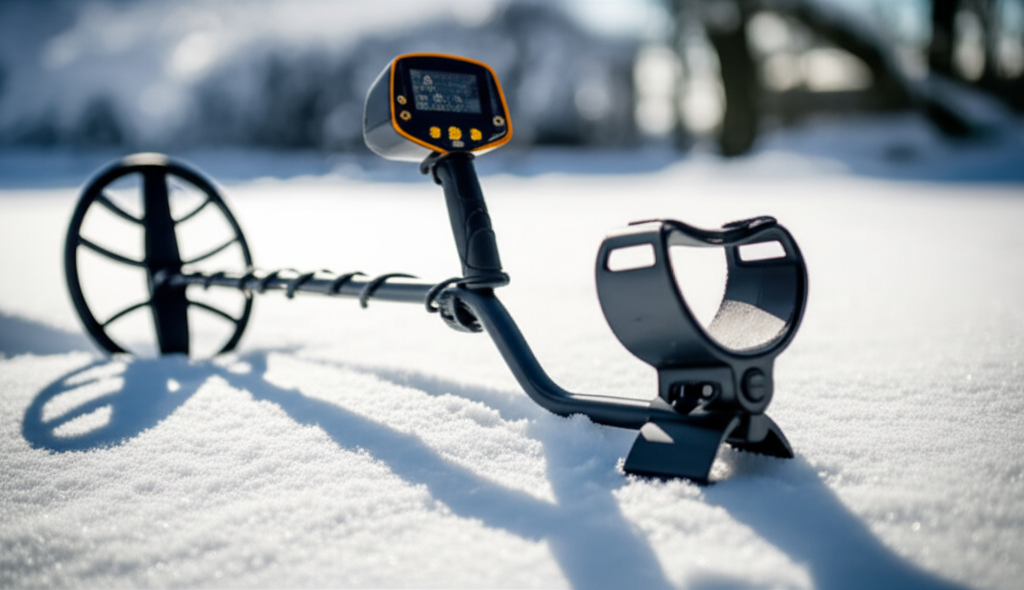
Yes, metal detectors absolutely work in snow, and with the right techniques and gear, you can find treasures buried beneath the white blanket. This guide reveals the secrets to successful winter detecting.
Winter can be a fantastic time for treasure hunting, but many people think snow stops metal detecting dead in its tracks. It’s a common worry: will my detector even hear anything under all that white stuff? I’ve spent many cold days out in the field, and I can tell you, with a few smart adjustments, your metal detector can be just as effective, if not more so, in the snow. This guide will walk you through everything you need to know to keep finding those hidden gems all year round.
Why Snow Might Seem Like a Detector’s Worst Enemy
Many detectorists pack up their gear when the first snowflake falls. They worry the snow will block the signal from their target. This is a natural concern, as snow is different from dirt or sand. It’s a common frustration for those who love the hobby year-round.
But the truth is, snow doesn’t typically block metal detector signals. The primary factor is the depth of the target. If your target is buried deeper than your detector can reach, snow won’t make much difference.
The Science: How Metal Detectors Work in Cold Conditions
Metal detectors use electromagnetic fields to find metal objects. They send a signal into the ground. If this signal hits metal, it bounces back, and the detector signals you. Snow is mostly water and air. It doesn’t usually interfere with this process significantly.
The cold temperature itself can affect the detector’s electronics. Some older or cheaper models might struggle. However, most modern detectors are built to handle a range of temperatures.
Do Metal Detectors Work In Snow? The Direct Answer
Yes, metal detectors do work in snow. The key is understanding how snow affects their performance and how to adapt your detecting methods. Snow can actually help by preserving targets and reducing ground noise.
The snow itself acts like a layer of air, which is non-conductive. This means it won’t significantly block the detector’s electromagnetic field. Therefore, your detector can still reach targets buried beneath the snow.
Preparing Your Metal Detector for Winter Conditions
Before you head out, make sure your metal detector is ready for the cold. Check the batteries, as they drain faster in freezing temperatures. Some detectors have settings that can be adjusted for different ground conditions.
It’s also wise to protect your detector from moisture. A waterproof cover can keep snow and ice from damaging the control box. Always keep your detector warm when not in use, perhaps inside your jacket.
Essential Gear for Snow Detecting: Beyond the Detector
Besides your metal detector, you’ll need a few other items. A good pair of waterproof gloves and warm, waterproof boots are a must. You’ll want a sturdy digging tool that can handle frozen ground, like a strong trowel or a small shovel.
A pinpointer is also crucial. It helps you pinpoint the exact location of a target once you’ve dug a plug of snow and soil. This saves time and effort in the cold.
Techniques for Detecting in Snow: Finding Hidden Treasures
When detecting in snow, you’ll want to use a slower sweep speed. This gives the detector more time to register faint signals. Also, try to keep your search coil as close to the ground as possible.
Consider using a smaller coil. Smaller coils are often better at handling mineralized ground and can be more sensitive to smaller targets. They also make it easier to navigate through deeper snow.
Overcoming the Challenges: Frozen Ground and Reduced Visibility
Frozen ground can be a major challenge for digging. If the ground is too hard, it might be impossible to dig. In such cases, it’s best to wait for a thaw or focus on areas with less frozen soil.
Reduced visibility in snowy conditions can make it hard to see your target once found. Using a bright-colored pinpointer or flagging tape can help you mark your find.
The Advantages of Detecting in Snow: A Hidden Opportunity
There are actually benefits to detecting in the snow. Fewer people are out detecting, meaning less competition for the best spots. Also, snow can sometimes preserve artifacts, protecting them from the elements.
The snow cover can also help you locate targets. Sometimes, a target might be pushed closer to the surface by frost action, making it easier to detect.
Cold Weather Detector Settings: Optimizing Performance
Many metal detectors have specific settings for different types of ground. Look for a “mineralization” or “ground balance” setting. Adjust this to suit the snowy conditions.
Some detectors have a “snow mode” or can be switched to a lower frequency for better performance. Always consult your detector’s manual for specific recommendations.
Choosing the Right Metal Detector for Snow Detecting
Not all detectors are created equal when it comes to cold weather. Look for detectors with good battery life and solid construction. Waterproof detectors are a huge advantage.
Brands like Minelab, Garrett, and Nokta Makro offer models known for their performance in various conditions. A detector with a good depth capability is also important for finding targets buried under snow.
FAQ: Your Top Snow Detecting Questions Answered
Will snow make my metal detector not work?

No, snow itself generally doesn’t stop a metal detector from working. The electromagnetic waves can still pass through it.
Can I find coins in the snow?
Yes, you can find coins. If the coin is within your detector’s depth range, the snow won’t prevent detection.
Is it harder to dig in snow?
Yes, digging can be harder, especially if the ground underneath is frozen. You might need a stronger digging tool.
What about really cold weather and batteries?
Cold weather drains batteries faster. Always use fresh, high-quality batteries and keep spares.
Should I use a different coil in the snow?
A smaller coil can sometimes be more sensitive and easier to manage in snow. It’s a good option to consider.
Are there any specific metal detectors best for snow?
Many modern detectors work well. Look for models with good battery performance and robust build quality.
Does ground mineralization change in winter?
Ground mineralization can change slightly with moisture levels, but the effect of snow is usually minimal.
Conclusion: Embrace the Winter Hunt
So, do metal detectors work in snow? Absolutely. Don’t let the cold weather keep you from your hobby. With the right preparation, tools, and techniques, you can have incredibly successful metal detecting adventures even when the ground is covered in white. Embrace the quiet of winter, the reduced competition, and the unique opportunities it brings to the dedicated detectorist. Happy hunting!
