


Published on: October 10, 2025 | Updated on: October 10, 2025
Do You Need Permission To Use A Metal Detector On The Beach? Essential Guide
Generally, no specific permission is needed for public beaches, but rules vary greatly by location. Always check local laws and regulations before you start detecting to avoid fines or confiscation of your finds. This guide will help you navigate beach detecting permissions.
Beach detecting is a fantastic hobby. You can find lost coins, jewelry, and other cool items. But a big question always comes up: do you need permission to use a metal detector on the beach? It’s a common worry for many beginners. This guide will break down everything you need to know. We’ll cover where to find the rules and how to stay on the right side of the law. Let’s make sure your treasure hunts are fun and legal.
Understanding Beach Metal Detecting Permissions
Many people wonder, “Do you need permission to use a metal detector on the beach?” The answer is usually no for public beaches. However, this is not always the case. Rules can change depending on who owns the beach and where it is located.
Public beaches are often open for recreational metal detecting. This means you can usually walk and scan without asking for a permit. But it’s vital to understand that “public” can have different meanings. Some areas might have specific restrictions in place.
Public vs. Private Beaches: What’s the Difference?
Public beaches are owned by the government or a local authority. They are generally accessible to everyone. Private beaches belong to individuals or private companies. Access to these beaches usually requires permission from the owner.
On public beaches, you can often detect freely. But always verify this. Private beaches absolutely require explicit permission from the landowner before you even set foot on the sand with your detector.
Why Rules Exist for Metal Detecting
Rules are in place to protect historical sites and sensitive environments. Some beaches might be close to archaeological areas. Others may have protected wildlife or habitats. These regulations help preserve the beach for everyone.
Metal detecting can sometimes disturb natural settings. Laws help ensure that the hobby is done responsibly. They also prevent the removal of important historical artifacts that belong to the public.
Checking Local Laws and Regulations
The most crucial step is to check local rules. This means looking at city, county, and state laws. Your local parks department website is a good starting point. You can also call their office directly.
Search online for terms like “metal detecting regulations [your city/county name]” or “beach rules [your location].” This research is key to knowing if you need permission to use a metal detector on the beach you plan to visit.
State Park Regulations
Many popular beaches are part of state park systems. State parks often have their own specific rules for metal detecting. These rules can vary significantly from one state to another.
For example, some state parks might allow detecting on sandy areas but prohibit it near dunes or historical markers. Always visit the official website for the specific state park you intend to detect in.
City and County Ordinances
Even if a beach isn’t a state park, city or county ordinances apply. These local laws are often the most relevant. They dictate whether metal detecting is allowed and under what conditions.
Sometimes, you might need a permit even on a public beach. This permit is usually free and available from the local municipality. It’s your official go-ahead.
Are There Specific Areas Where Detecting is Forbidden?
Yes, there are often specific zones on beaches where detecting is not allowed. These usually include areas with historical significance. Think about old shipwrecks or Native American sites.
Dunes are also frequently off-limits. They are delicate ecosystems. Disturbing them can harm plants and animals. Always look for signs indicating restricted areas.
The Importance of Respect and Ethics
Beyond rules, ethical detecting is vital. This means filling your holes completely. You should also pack out all trash you find, not just your targets. Be considerate of other beachgoers.
Respecting the beach and other people ensures the hobby remains welcome. It shows you are a responsible detectorist. This helps keep beaches open for everyone to enjoy.
What About Private Property and Resorts?
Detecting on private beaches or property requires direct permission from the owner. This is non-negotiable. Trespassing can lead to legal trouble.
If you are staying at a resort, check their policy. Some may allow detecting with prior approval. Others might ban it entirely to protect their grounds.
Tools to Help You Detect Responsibly
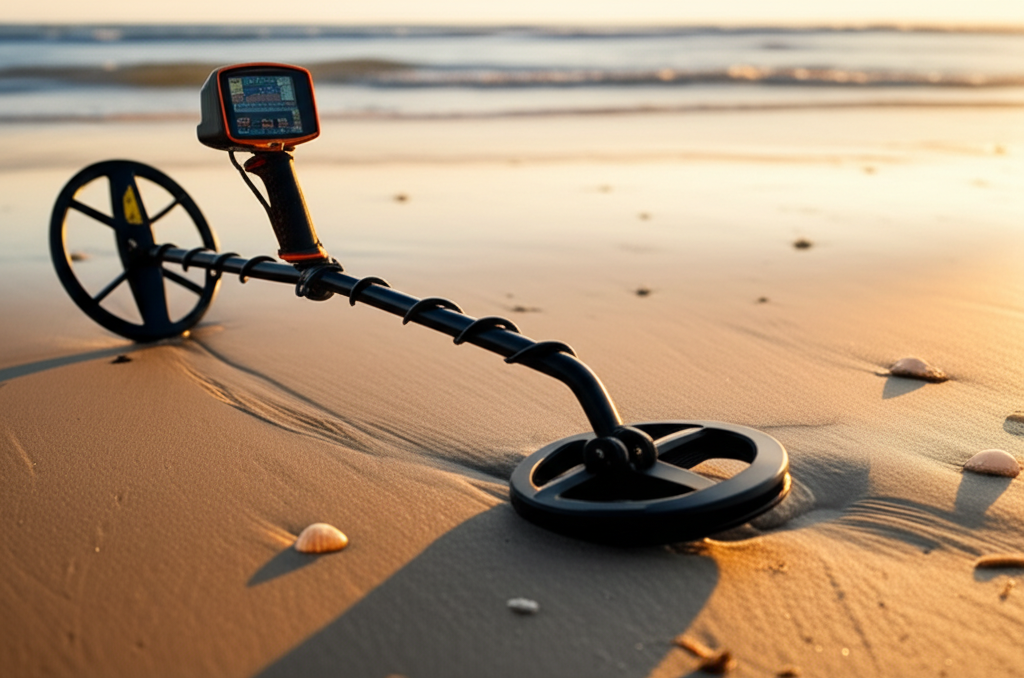
Having the right gear makes detecting easier and more responsible. A good metal detector is key. Look for models designed for beach use, which handle saltwater well.
A quality pinpointer helps locate targets accurately. This reduces the size of the holes you need to dig. Good digging tools, like a sand scoop, are also essential. These tools help you retrieve targets with minimal disturbance.
Essential Beach Detecting Gear
- Metal Detector: Choose a waterproof model for saltwater beaches.
- Pinpointer: Helps pinpoint targets within the dug plug.
- Sand Scoop: A sturdy scoop with a long handle is ideal for wet sand.
- Trash Pouch: To collect all the trash you dig up.
- Gloves: Protect your hands while digging and handling finds.
This equipment helps you find treasures efficiently. It also allows you to recover them with respect for the environment. Proper tools make a big difference in responsible detecting.
What If You Find Something Significant?
If you unearth something historically important, like artifacts or old coins, the rules can change. Many places require you to report such finds. They may belong to the state or a historical society.
Do not keep items that are clearly of historical value. Familiarize yourself with the treasure trove laws in your area. These laws protect cultural heritage.
The type of beach matters. Dry sand areas are usually less restricted. Wet sand and the intertidal zone (the area between high and low tide) can have different rules.
Some locations might ban detecting in dunes or protected habitats. Always be aware of the specific environment you are detecting in. Respect any signs or markers you see.
FAQ: Your Beach Detecting Questions Answered
Q1: Do I need a license to metal detect on a public beach?
Generally, no specific license is needed for public beaches. However, some cities or counties might require a permit. It’s always best to check local ordinances.
Q2: Can I metal detect on a beach in a national park?
National parks often have strict rules. Metal detecting is usually prohibited in national parks to preserve their natural and historical integrity. Always check the specific park’s regulations.
Q3: What should I do if I dig a hole?
Always fill in your holes completely. Make the beach look as if you were never there. This is a fundamental rule of responsible metal detecting.
Q4: Can I keep what I find on a public beach?
For common items like modern coins and jewelry, usually yes. If you find something of historical or archaeological significance, it might belong to the state or require reporting.
Q5: Are there specific times I can metal detect on the beach?
Some beaches might have time restrictions. For example, detecting might be limited to daylight hours or specific days. Check local rules to be sure.
Q6: What is the intertidal zone?
The intertidal zone is the area of the beach between the high tide line and the low tide line. Rules for metal detecting can differ in this area compared to the dry sand.
Conclusion: Detect Responsibly and Legally
So, do you need permission to use a metal detector on the beach? For most public beaches, you likely do not need special permission, but rules vary widely. The most important takeaway is to always do your research. Check local city, county, and state park regulations before you go. Understanding and following these rules ensures a fun, legal, and responsible metal detecting experience. Happy hunting!
