


Published on: September 20, 2025 | Updated on: September 20, 2025
Mood lighting for your modern office isn’t just a nice-to-have; it’s essential for transforming your workspace into a hub of productivity and well-being. Discover how strategic lighting can boost focus, reduce eye strain, and elevate your overall mood and efficiency.
Struggling to find that perfect workspace vibe? You’re not alone. Many of us spend hours at our desks, yet overlook a crucial element: lighting. Poor lighting can lead to fatigue, headaches, and a general lack of motivation, making even the most important tasks feel like a chore. But what if I told you that by simply adjusting your office lighting, you could unlock a new level of focus and creativity? This guide will show you how to harness the power of mood lighting for your modern office, making it an essential tool for a productive and inspiring workday.
Why Mood Lighting is Non-Negotiable for Your Modern Office
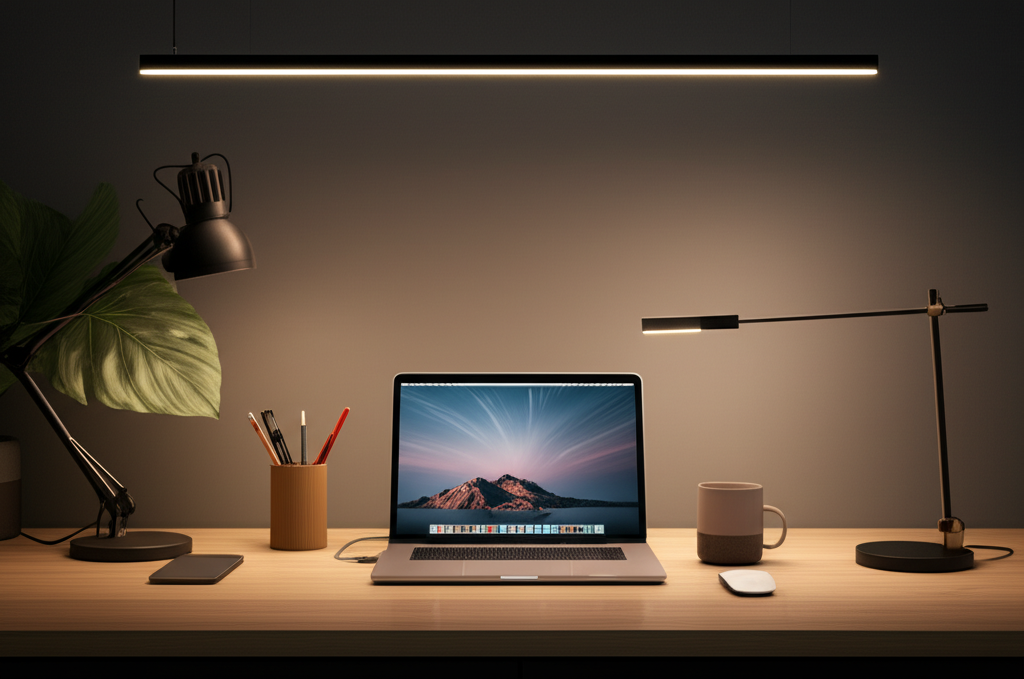
Mood lighting is more than just setting a scene; it’s about intentionally crafting an environment that supports your mental and physical state. In a modern office, where work often blends with home life, thoughtful lighting can be the difference between a drained, unproductive afternoon and a focused, energized session. It actively combats the negative effects of harsh or insufficient light, creating a space that nurtures both your work and your well-being.
The Impact of Lighting on Productivity and Well-being
The science is clear: lighting significantly influences our mood, energy levels, and cognitive function. Natural light is ideal, but artificial lighting, when used correctly, can mimic its benefits. Too much blue light late in the day can disrupt sleep, while dim, insufficient light can cause eye strain and drowsiness. Strategic mood lighting, however, can signal to your brain when it’s time to focus, when to relax, and how to feel more energized.
Understanding Different Types of Light
Before we dive into mood lighting specifics, let’s quickly touch on the types of artificial light you’ll encounter. Incandescent bulbs produce a warm, yellowish light but are energy-inefficient. Halogen bulbs are similar to incandescent but offer brighter, whiter light. Fluorescent lights, including CFLs, are energy-efficient but can sometimes flicker and produce a less natural light. LEDs (Light Emitting Diodes) are the modern champions: energy-efficient, long-lasting, and highly versatile, offering a wide spectrum of colors and brightness levels.
Beyond Task Lighting: The Power of Ambient and Accent Lighting
While task lighting is crucial for focused work, mood lighting primarily relies on ambient and accent lighting. Ambient lighting provides general illumination, setting the overall tone of the room. Accent lighting highlights specific features, adding depth and visual interest. Together, they create a layered lighting scheme that’s both functional and aesthetically pleasing, transforming your office from stark to inviting.
Designing Your Modern Office Mood Lighting Strategy
Creating an effective mood lighting plan involves understanding your needs and the capabilities of modern lighting solutions. It’s a journey from identifying what doesn’t work to building a system that actively enhances your workday. This isn’t about randomly placing lamps; it’s about thoughtful integration that aligns with your productivity goals and personal style.
Assessing Your Current Workspace Lighting
Take a critical look at your current office setup. Is it too harsh, too dim, or unbalanced? Do you experience eye strain or headaches? Identifying these issues is the first step to finding the right mood lighting solutions. Often, the problem isn’t a lack of light, but the quality and placement of the light sources.
Defining Your Mood and Productivity Goals
What do you want your office to feel like? Do you need a bright, energizing space for intense brainstorming, or a calm, focused environment for deep work? Your mood and productivity goals will dictate the types of lighting and color temperatures you’ll want to incorporate. For example, cooler, brighter light is often associated with focus, while warmer, softer light promotes relaxation.
The Role of Color Temperature (Kelvin)
Color temperature, measured in Kelvin (K), is a key factor in mood lighting. Lower Kelvin numbers (2000K-3000K) produce warm, yellowish light, similar to candlelight or a sunset, ideal for relaxation and creating a cozy atmosphere. Mid-range temperatures (3000K-4500K) offer neutral white light, good for general ambiance. Higher Kelvin numbers (4500K-6500K) provide cool, bluish-white light, which is excellent for tasks requiring high concentration and alertness.
Layering Your Lights: Ambient, Task, and Accent
A successful mood lighting setup uses layers. Ambient lighting forms the base, providing a comfortable overall brightness. Task lighting, like a desk lamp, is directed where you need it most for reading or writing. Accent lighting can be used to draw attention to artwork, shelves, or architectural features, adding dimension and visual interest.
Essential Mood Lighting Fixtures for Modern Offices
Modern offices benefit greatly from a variety of smart and stylish lighting fixtures. These aren’t just functional objects; they are design elements that contribute to the overall aesthetic and atmosphere. Choosing the right fixtures means considering their light output, adjustability, and how they integrate with your decor.
Smart LED Bulbs and Strips
Smart LED bulbs and strips are revolutionizing mood lighting. They offer unparalleled control over color, brightness, and even scheduling. You can change the light color to match your mood, dim it for evening work, or set it to simulate natural daylight cycles. LED strips can be discreetly placed behind monitors, under shelves, or along ceiling coves for a subtle, atmospheric glow.
Dimmable Floor and Table Lamps
Dimmable lamps are indispensable for creating adjustable mood lighting. A floor lamp can provide soft ambient light for the room, while a table lamp can offer more focused illumination that can also be dimmed. Look for lamps with adjustable heads or flexible arms to direct light precisely where needed, minimizing glare and eye strain.
Under-Cabinet and Shelf Lighting
Installing LED strips or puck lights under cabinets or shelves can add a sophisticated layer of ambient and accent lighting. This type of lighting is excellent for highlighting décor items, books, or plants, and it also provides a gentle glow that reduces contrast between bright screens and darker surroundings, making your workspace more comfortable.
Accent and Picture Lights
For a truly modern feel, consider accent lights. These are small, focused fixtures designed to highlight specific objects or areas. They can be used to draw attention to a piece of art, a unique architectural element, or even a well-organized bookshelf. Used sparingly, they add a professional and curated touch to your office.
Desk Lamps with Color Temperature Control
Investing in a desk lamp with adjustable color temperature is a game-changer. You can switch from a cool, energizing light for morning tasks to a warmer, softer light as the day winds down. This adaptability helps regulate your body’s natural rhythms, promoting focus when needed and relaxation when it’s time to switch off.
Optimizing Your Mood Lighting for Peak Productivity
The goal of mood lighting in a modern office is to actively enhance your ability to work effectively and feel good doing it. This means moving beyond basic illumination and strategically using light to influence your focus, energy, and comfort throughout the day. It’s about creating a dynamic environment that supports your workflow.
The Power of Circadian Rhythm Lighting
Our bodies are naturally attuned to the sun’s light cycle, known as the circadian rhythm. Mimicking this cycle with artificial light can significantly improve sleep, mood, and alertness. Smart lighting systems can be programmed to emit cooler, brighter light in the morning and gradually shift to warmer, dimmer light in the evening, supporting natural energy patterns. This is a transformative aspect of mood lighting for modern offices.
Reducing Eye Strain and Visual Fatigue
Harsh, direct lighting or significant contrasts between light and dark areas can lead to eye strain and fatigue. Mood lighting strategies, such as using indirect light, dimmable options, and ensuring consistent brightness across your workspace, can greatly alleviate these issues. Soft, diffused light and balanced illumination are key to a comfortable visual experience.
Using Light to Enhance Focus and Concentration
Cooler color temperatures (around 4000K-5000K) are often associated with increased alertness and concentration. By strategically incorporating these lights in your workspace, especially during periods requiring deep focus, you can signal to your brain that it’s time to engage. This is particularly effective when used in conjunction with task lighting.
Creating Zones with Lighting
In larger or multi-functional home offices, lighting can be used to define different zones. For instance, a brighter, cooler light might be used over your primary desk area for work, while a warmer, dimmer light could illuminate a reading nook or a collaboration space. This segmentation helps mentally separate tasks and activities, improving workflow.
The Psychological Benefits of Warm Lighting
While cool light aids focus, warmer light (2500K-3000K) promotes relaxation and comfort. Using warm lighting in areas where you might take breaks, or in the late afternoon and evening, can help you wind down and transition away from work mentally. This psychological cue is vital for maintaining a healthy work-life balance.
Integrating Mood Lighting with Your Modern Office Design
Mood lighting isn’t an afterthought; it should be an integral part of your modern office’s aesthetic. The fixtures themselves, the way light interacts with your decor, and the overall atmosphere they create all contribute to a cohesive and inspiring workspace. Think of lighting as the brushstroke that brings your design vision to life.
Choosing Fixtures that Complement Your Style
Modern office design often leans towards minimalist, functional, or industrial aesthetics. Select lighting fixtures that align with your chosen style. Sleek, minimalist lamps, geometric designs, or fixtures with metallic finishes can all enhance a contemporary look. The goal is for the lighting to blend seamlessly or act as a deliberate design statement.
The Importance of Light Placement
Strategic placement is crucial for effective mood lighting. Avoid placing bright lights directly behind your monitor, as this can cause glare. Instead, aim for indirect lighting that bounces off walls or ceilings for a softer effect. Position desk lamps to illuminate your work area without shining directly into your eyes.
Using Light to Highlight Textures and Colors
Lighting can dramatically alter how colors and textures appear in your office. Warmer light tends to bring out reds and yellows, while cooler light emphasizes blues and greens. Consider how your chosen light sources will interact with your furniture, paint colors, and décor to create the desired visual impact.
Smart Home Integration for Seamless Control
For ultimate convenience and a truly modern experience, integrate your mood lighting with a smart home system. Voice control, app-based adjustments, and automated schedules allow you to effortlessly manage your office environment. This seamless control enhances both functionality and the overall sophisticated feel of your workspace.
Natural Light as the Foundation
While we’re focusing on artificial mood lighting, never underestimate the power of natural light. Position your desk to take advantage of windows whenever possible. Use sheer curtains or blinds to control glare without blocking light entirely. Natural light is the ultimate mood enhancer and should be the foundation upon which your artificial lighting is built.
Advanced Mood Lighting Techniques and Considerations
Once you’ve mastered the basics, you can explore more advanced techniques to elevate your modern office’s mood lighting. These methods focus on creating dynamic, responsive, and personalized lighting experiences that further boost productivity and well-being.
Dynamic Lighting and Color-Changing Capabilities
Modern LED technology allows for dynamic lighting effects. You can use color-changing bulbs to subtly shift the ambiance throughout the day, or even program specific color sequences for different tasks. Some systems can even sync with your computer screen to adjust lighting based on on-screen content, though this is a more niche application.
Using Light to Define Work and Relaxation Zones
As mentioned earlier, lighting is a powerful tool for zoning. In a home office that also serves as a living space, using different lighting temperatures and brightness levels can clearly demarcate work areas from relaxation zones. This helps create mental boundaries, improving focus during work hours and encouraging genuine downtime afterward.
The Role of Dimmer Switches and Smart Controls
Dimmer switches are essential for controlling light intensity and, consequently, mood. Being able to dial down the brightness creates a more relaxed atmosphere, perfect for end-of-day tasks or focused reading. Smart controls take this a step further, allowing for precise adjustments via apps or voice commands, and enabling scheduling.
Considering the Flicker Rate of Lights
Some types of lighting, particularly older fluorescent lights, can have a perceptible flicker rate that contributes to eye strain and headaches. Modern LEDs generally have very low flicker rates, but it’s still worth checking product specifications if you are particularly sensitive. Opting for flicker-free LEDs is a key consideration for comfort.
Lighting for Video Conferencing
In today’s remote work environment, good lighting for video calls is paramount. Soft, diffused light that illuminates your face evenly is ideal. Avoid having bright lights directly behind you, as this will put you in silhouette. A ring light or a well-placed desk lamp can significantly improve your on-camera appearance and professionalism.
Troubleshooting Common Mood Lighting Issues
Even with the best intentions, you might encounter challenges when setting up your mood lighting. Understanding common problems and their solutions will help you fine-tune your office environment for optimal results. It’s all about making small adjustments for big improvements.
Problem: Glare on Screens
Glare occurs when light reflects off your monitor, causing discomfort and reducing visibility.
Solution: Reposition light sources away from direct reflection paths. Use diffused lighting, indirect lighting, and consider placing lights to the side of your desk rather than directly in front or behind. Anti-glare screen protectors can also help.
Problem: Too Much Blue Light in the Evening
Exposure to blue light late in the day can disrupt your sleep cycle.
Solution: Use smart bulbs or dimmers to switch to warmer, dimmer lighting (below 3000K) in the hours leading up to bedtime. Many apps and operating systems also offer blue light filters for your screens.
Problem: Office Feels Too Dim or Too Bright
An unbalanced light level can be detrimental to productivity.
Solution: Assess your ambient lighting. If it’s too dim, add another ambient light source or increase the wattage/lumens. If it’s too bright, ensure you have dimmable options and use them to reduce intensity. Layering light helps achieve the right balance.
Problem: Inconsistent Lighting Across the Workspace
Uneven light can create distracting shadows and eye strain.
Solution: Ensure your ambient lighting provides a good general illumination. Supplement with task lighting where needed and use accent lighting to fill in darker areas without creating harsh contrasts. Aim for an even, comfortable light level throughout the room.
Problem: Lighting Doesn’t Match the Task
Using the wrong light for the job can hinder performance.
Solution: Utilize a variety of lighting types and color temperatures. Employ cool, bright light for detailed work and bright task lighting for reading or writing. Switch to warmer, softer light for more relaxed tasks or when winding down.
The Future of Mood Lighting in Modern Offices
The evolution of lighting technology, particularly LEDs and smart systems, means the possibilities for mood lighting are constantly expanding. We’re moving towards environments that are not just lit, but intelligently responsive to our needs and preferences. This continuous innovation promises even more personalized and effective workspace enhancements.
AI-Powered Lighting Adjustments
Imagine an office where the lighting automatically adjusts based on your activity, the time of day, and even your biometric feedback. AI is paving the way for lighting systems that learn your habits and optimize the environment proactively. This could mean brighter light during periods of focused work and softer light during breaks, all without manual intervention.
Enhanced Wellness Features
Future lighting solutions will likely incorporate more advanced wellness features. This could include lights that specifically aim to combat seasonal affective disorder (SAD) with full-spectrum light therapy, or systems that actively promote better sleep hygiene through carefully calibrated light cycles. Mood lighting for modern offices is becoming increasingly integrated with holistic well-being.
Greater Energy Efficiency and Sustainability
As technology advances, lighting will become even more energy-efficient. Smart sensors that detect occupancy and natural light levels will ensure lights are only on when and where needed, significantly reducing energy consumption. This aligns with the growing demand for sustainable home office solutions.
Seamless Integration with Other Smart Devices
Your office lighting will likely become even more interconnected with other smart devices. Think of lighting that subtly changes color to alert you to an incoming important email or a meeting reminder, or systems that sync with your smart thermostat to create the perfect overall ambiance.
Personalization and Customization at Unprecedented Levels
The trend towards hyper-personalization will extend to lighting. Future systems will offer deeper customization options, allowing users to fine-tune every aspect of their lighting environment, from color hues and intensity curves to dynamic effects and schedules, creating a truly unique and responsive workspace.
Frequently Asked Questions About Mood Lighting for Modern Offices
What is the best color temperature for an office?
The ideal color temperature depends on the task and time of day. For focus and alertness, cooler temperatures (4000K-5000K) are generally best. For relaxation and general ambiance, warmer temperatures (2500K-3000K) are more suitable. Many modern setups use adjustable bulbs to switch between these.
How much light do I need in my office?
This is measured in lumens. For general ambient lighting, aim for around 20-50 foot-candles (approx. 200-500 lux). For task lighting, you might need 50-100 foot-candles (approx. 500-1000 lux) directly on your work surface. It’s often better to have more light that you can dim than not enough.
Can mood lighting really improve productivity?
Yes, mood lighting can significantly impact productivity by influencing alertness, focus, and mood. Strategic use of light can reduce eye strain, combat fatigue, and help regulate your body’s natural rhythms, all of which contribute to better work performance.
What are the downsides of poor office lighting?
Poor lighting can lead to eye strain, headaches, fatigue, reduced concentration, irritability, and even disrupted sleep patterns. It can also make your workspace feel unwelcoming and demotivating, negatively impacting your overall work experience.
How can I make my office lighting more dynamic?
Use smart LED bulbs and strips that offer color-changing and dimming capabilities. Integrate these with smart home hubs or apps to create custom schedules, scenes, and even dynamic lighting effects that change throughout the day to suit your needs.
Should I use natural light or artificial light for mood lighting?
Natural light is always ideal as a foundation. However, artificial mood lighting is essential for supplementing natural light, especially during darker hours or in offices with limited window access. The goal is to layer both effectively.
What is the difference between ambient, task, and accent lighting?
Ambient lighting provides general illumination for the room. Task lighting is focused and brighter, used for specific activities like reading or writing. Accent lighting highlights specific features or objects, adding visual interest and depth to the space.
Conclusion: Elevate Your Workspace with Thoughtful Lighting
Mood lighting for your modern office is an essential, transformative element that goes far beyond mere illumination. By understanding the impact of color temperature, layering different light sources, and utilizing modern fixtures, you can create a workspace that not only looks good but actively supports your productivity, focus, and overall well-being. Don’t underestimate the power of light to shape your workday and your mood. Start experimenting with different options, from dimmable lamps to smart LEDs, and discover how intentional lighting can help you design a more inspiring, efficient, and comfortable modern office.
